
Discover high-precision China investment casting with tight tolerances stainless steel alloys advanced CNC and reliable global manufacturing solutions.
Understanding Investment Casting The Precision Process Explained
Are you wondering how complex metal parts achieve such precise shapes and smooth finishes? Investment casting, often called the lost wax casting process, is the answer for many industries needing accuracy and versatility.
Here’s a step-by-step look at how it works:
- Wax Pattern Creation: First, a detailed wax model of the final part is made. This pattern is an exact replica, allowing for precise detail.
- Ceramic Shell Building: The wax pattern is dipped repeatedly into a ceramic slurry, then coated with fine sand. This creates a hard ceramic shell around the wax.
- Dewaxing: The shell is heated so the wax melts and drains out, leaving a hollow cavity inside – this is where the metal will flow.
- Metal Pouring: Molten metal is poured into the ceramic mold, filling every intricate detail left by the wax.
- Finishing: After cooling, the ceramic shell is broken away, and the metal parts undergo cleaning, trimming, and optional CNC machining for exact dimensions.
Investment casting stands out because of its ability to meet tight tolerances (often within ±0.005 inches) and achieve smooth surface finishes that reduce post-processing needs. Plus, it supports a wide range of materials—from stainless steel for corrosion resistance to alloy steels that withstand high temperatures.
How does it differ from sand and die casting? Unlike sand casting, investment casting produces far finer detail, better surface quality, and tighter dimensional control. Compared to die casting, it handles higher melting point metals and complex geometries better, but typically with slightly higher per-piece costs.
Does this precision and material flexibility make investment casting a fit for your project needs? Let’s explore why China has become a powerhouse in this process.
Why China Dominates the Global Investment Casting Landscape
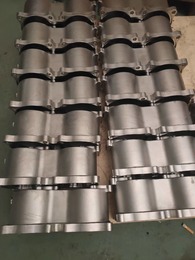
China leads the global investment casting market thanks to several key factors. First, the economic advantages are clear—low labor and material costs make production affordable without sacrificing quality. On top of that, many foundries have embraced advanced automation, speeding up the lost wax casting process while keeping precision tight.
Infrastructure plays a big role too. China has dense foundry clusters and well-developed supply chain integration. This means materials, tooling, and finished parts move smoothly from factory to customer, cutting lead times and costs.
Innovation keeps China at the forefront. Many producers are incorporating 3D printing for rapid prototyping and complex wax pattern creation. AI-driven quality control helps catch defects early, while green practices like recycled alloys and low-emission kilns support sustainability efforts.
Of course, doing business here isn’t without challenges. Companies often need to navigate IP protection concerns, along with complex logistics and tariff issues when exporting to the U.S. market. Still, the combination of cost, tech, and infrastructure is why China remains a top choice for precision metal castings worldwide.
Top Applications and Industries Benefiting from China Investment Casting
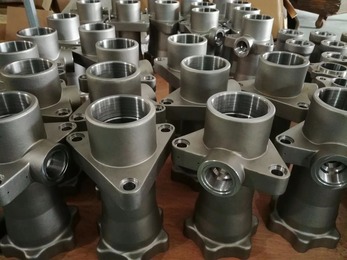
China’s investment casting is a go-to for many industries thanks to its precision and versatility. Key sectors like automotive, aerospace, medical, marine, pumps, and valves all benefit from this process.
In automotive and aerospace, lightweight designs made with stainless steel and alloy steel help reduce weight without sacrificing strength—critical for fuel efficiency and performance. Medical manufacturers rely on the corrosion resistance of stainless steel castings for durable, safe implants and instruments. Marine applications use corrosion-resistant stainless steel and high-temperature alloy steel parts to endure harsh environments and extend equipment life.
For pumps and valves, investment casting provides tight tolerances and smooth surface finishes that improve flow efficiency and reliability. These industries also push for weight reduction and material durability, both areas where China’s investment casting excels.
Looking ahead, demand is rising from electric vehicles (EVs) and renewable energy sectors. These emerging markets need specialty alloys and complex geometries that investment casting can easily deliver, making China’s role even more crucial in global supply chains.
Navigating Sourcing How to Select a Reliable China Investment Casting Supplier
When looking for a China investment casting supplier, having a clear checklist makes the process smoother and less risky. Here’s what to keep in mind:
Criteria Checklist
- Certifications: Look for ISO 9001, AS9100, or other industry-specific certifications that prove quality standards.
- Minimum Order Quantity (MOQ): Check if their MOQ fits your needs, especially if you want prototypes or small runs.
- Lead Times: Understand their production and shipping timelines so your schedule stays on track.
- Prototyping Capabilities: Make sure they offer prototyping or fast sample runs to test designs before larger orders.
Red Flags to Watch For
- Overpromising on Tolerances: If a supplier claims impossible precision without proof, be cautious—ask for sample inspection reports.
- Skipping Audits or Inspections: Reliable foundries welcome third-party audits and virtual factory tours. Avoid those who don’t.
- Communication Issues: Difficulty in clear English communication can cause misunderstandings, so prioritize teams with good language skills.
Cost Breakdown
- Tooling Fees: Initial mold or wax pattern fees can vary widely—confirm what’s included upfront.
- Pricing Transparency: Beware of hidden charges like packaging, shipping, or quality testing fees.
- Volume Discounts: Ask how costs change with larger orders to plan your budget better.
Pro Tips
- Use verified platforms like Alibaba’s Gold Supplier or Made-in-China to find vetted manufacturers.
- Prioritize suppliers with English-speaking sales teams to avoid miscommunication on specs and changes.
- Request samples and references before committing to full production runs.
Getting the right partner in China for investment casting means balancing cost, quality, and reliability. Keep this checklist handy to make sourcing easier and safer.
Vast Your Premier Partner for Tailored Investment Casting Solutions
At Vast, we bring years of experience and a strong track record in precision investment casting to serve your specific needs. Our modern facilities handle high volumes without compromising quality, ensuring consistent output for your projects.
What sets us apart is our end-to-end service—from initial design support and prototyping to final finishing and delivery. We work with a wide range of custom alloys tailored to your application, whether it’s stainless steel for corrosion resistance or alloy steel for high-temperature durability. Plus, we pride ourselves on meeting deadlines to keep your supply chain on track.
We’ve helped clients achieve significant cost reductions by optimizing tooling and improving process efficiencies. While we respect confidentiality, our anonymized case studies showcase real success in automotive, aerospace, and marine sectors.
Sustainability is a core value at Vast. Our eco-friendly processes include using recycled alloys and operating low-emission kilns to reduce environmental impact. This commitment not only supports green practices but also aligns with rising demands for responsible manufacturing.
When you choose Vast, you’re partnering with a reliable, innovative team focused on delivering top-quality China investment casting solutions designed specifically for the U.S. market.
 Chinese
  English
  Spanish (Peru)
  German
  Korean
  Spanish (Spain)
  Italian