
Can you anodize steel Learn why traditional anodizing doesn’t work for steel and explore top corrosion-resistant finishing alternatives.
The Science Behind Anodizing Why Steel Says No While Aluminum Thrives
If you’ve ever wondered can you anodize steel, here’s the honest answer: steel just doesn’t play by the same rules as aluminum when it comes to anodizing. To understand why, let’s break down what anodizing really is and why it works brilliantly for some metals—but not for steel.
What Is Anodizing Exactly
Anodizing is an electrochemical process that thickens the natural oxide layer on a metal’s surface. For metals like aluminum, this oxide layer is tough, hard, and tightly bonded, which provides excellent corrosion protection and gives the surface a durable finish that can even be dyed in various colors. The process involves submerging the metal in an acid bath, applying an electric current, and letting the surface build this protective oxide coating.
Steel’s Unique Chemistry
Steel is mostly iron, and when iron reacts with oxygen, it forms iron oxide—basically rust. This type of oxide is soft, flaky, and does not stick well to the steel underneath. The iron oxide layer is weak and falls off easily, leaving steel vulnerable to corrosion. In contrast, the anodic layer on aluminum is compact and stable, offering real protection.
Iron Oxide vs Beneficial Anodic Layers
- Aluminum Oxide: Hard, porous, tightly adheres to metal, wear-resistant, can be dyed.
- Iron Oxide: Flaky, weakly bonded, prone to cracking and peeling, offers no real corrosion protection.
Because steel naturally forms iron oxide instead of a stable anodic layer, traditional anodizing just doesn’t work.
Exceptions for Stainless Steel and Titanium Alloys
Here’s where the story changes a bit. Some alloys like stainless steel and titanium can be anodized because their chemistry allows a more stable oxide to form. Stainless steel contains chromium, which forms a protective chromium oxide layer that behaves differently from iron oxide. Titanium anodizing is also effective and widely used for color finishes in aerospace and medical industries.
If you’re working with regular steel and thinking about anodizing, you might want to consider other options. But if stainless steel or titanium are in your project, anodizing could be a good fit.
Feeling stuck on the right finish for your steel parts? Reach out to us at Vast for expert advice on corrosion protection and surface finishing options designed for your specific needs.
Risks and Real World Pitfalls of Attempting to Anodize Steel
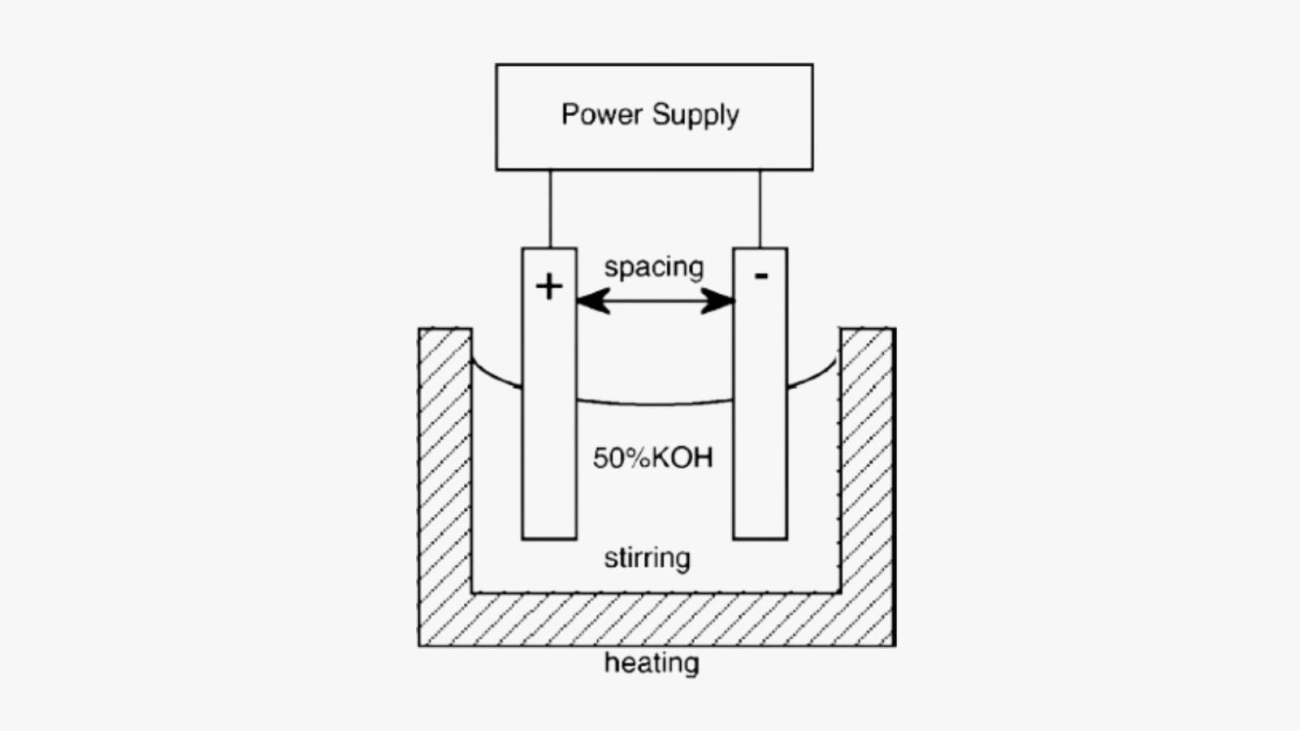
Trying to anodize steel can quickly lead to trouble because steel’s chemistry doesn’t react like aluminum’s. One major issue is rust—steel is iron-based, so instead of forming a stable protective oxide layer like aluminum, it often ends up with flaky iron oxide that flakes off and leaves the metal exposed. This means corrosion protection for steel fails if you expect anodizing to work the same way it does on aluminum.
Other common failures include bath contamination. Anodizing requires precise chemical baths, and steel contaminants can ruin the electrolyte solution, causing inconsistent or poor-quality coatings. This is especially tricky for DIY enthusiasts working outside of industrial setups. Using the wrong chemicals or setup often results in useless or damaged finishes.
DIY anodizing steel also brings safety risks:
- Handling harsh acids or electrolytes without proper gear or knowledge can cause injuries.
- Poor setup can cause electrical shorts or uneven coatings.
- Without proper ventilation or disposal methods, you risk toxic fumes or environmental harm.
For those trying home setups, these pitfalls can waste time, money, and materials without getting the results they want. For real protection and aesthetic finishes on steel, you’re better off exploring other treatments designed with steel’s unique surface chemistry in mind.
Viable Alternatives to Anodizing Steel

Since anodizing steel isn’t really a thing, you’ll want to look at other ways to protect and finish your steel parts without the headache.
Top Corrosion Resistant Finishes for Steel
- Black oxide coating steel: This is great for mild rust protection and a sleek black look. It’s cost-effective and widely used in industrial steel coatings.
- Zinc plating: Offers strong rust prevention for outdoor or humid environments. Zinc acts as a sacrificial layer to keep steel safe.
- Powder coating: Provides both corrosion protection and a durable finish available in a wide range of colors.
- Galvanizing: Best suited for heavy-duty rust protection on structural steel parts exposed to harsh weather.
Decorative Options Color Without Compromise
- PVD steel coloring: Physical Vapor Deposition (PVD) creates thin, colorful metal layers on steel. It’s a high-quality option where appearance matters.
- DIY steel patina: For a rustic or vintage look, chemical patinas or heat treatments can give steel unique colors without complex equipment.
When to Choose Each
- Choose black oxide or zinc plating when you want budget-friendly corrosion resistance with minimal fuss.
- Go with powder coating or galvanizing if you need robust protection for steel exposed to the elements.
- Pick PVD or patinas if aesthetics are your main goal, especially for decorative parts or tools.
- If you want protection and style, combining these methods can get you the best of both worlds.
This way, you can achieve the look and durability your project needs—without trying to anodize steel and running into trouble.
How Vast Makes Steel Finishing Effortless
At Vast, we understand that finishing steel can feel complicated. That’s why we offer expert services designed to make the process simple, reliable, and tailored to your needs. Whether you’re looking for corrosion protection for steel or a decorative steel surface finishing, we’ve got you covered.
Our Proven Process From Consultation to Coated Parts
- Consultation: We start by learning what you need—whether it’s rust prevention, black oxide coating steel, or color options like PVD steel coloring.
- Customized Recommendations: Based on your project, we recommend the best finish. We consider alternatives to anodizing steel, like zinc plating or industrial steel coatings, to match your specific goals.
- Precision Application: Our skilled team uses advanced electrochemical metal treatments and controlled environments to ensure your steel parts get the best protection and aesthetic appeal.
- Quality Control: Every finished piece goes through a thorough inspection to confirm durability and finish consistency so you get exactly what you expect.
Case Studies Steel Success Stories
- Construction Gear: We helped a Midwest construction company switch from DIY steel patina to professional black oxide coating steel, drastically cutting down maintenance costs.
- Automotive Parts: A local manufacturer chose Vast for corrosion-resistant finishes on steel parts, extending product life and enhancing market appeal.
- Decorative Metalwork: A designer in Texas used our PVD steel coloring service to add vibrant hues without compromising corrosion protection.
If you want steel finishing that’s hassle-free and built to last, Vast is here to help. We bridge the gap between complex processes and practical, durable results for US businesses and professionals.
 Chinese
  English
  Spanish (Peru)
  German
  Korean
  Spanish (Spain)
  Italian