
Learn the essential components of a sewing machine with clear diagrams and expert tips to master threading, stitching, and maintenance easily.
The Core Framework Head Arm Bed and Base
Understanding the core parts of a sewing machine is essential. These main components form the foundation of how your machine works, and knowing them helps you sew with confidence.
Head
The head is the upper part of the machine where most of the action happens. It houses the needle, thread tension system, and the mechanisms that move the needle up and down. This is the heart of your sewing machine, where stitching magic comes to life.
Arm
The arm extends from the head and provides space to maneuver large pieces of fabric. It supports the head and often contains internal wiring or belts. A longer arm is super helpful when working on quilts or bulkier projects.
Bed or Throat Plate Area
The bed, also called the throat plate area, is the flat surface where you place your fabric. The needle passes through a small hole in the throat plate to form stitches. This area often includes the feed dogs, which help pull the fabric through as you sew.
Base and Legs
The base is the bottom part of the machine that holds everything steady. For portable machines, it’s usually a solid flat platform. For larger, cabinet-style machines, sturdy legs support the base and keep the machine stable during heavy use.
Knowing these main components gives you a solid grasp of your sewing machine’s anatomy diagram. Ready to dive into the threading and tension essentials that’ll guide your stitches?
Threading and Tension Essentials Guiding Your Stitches
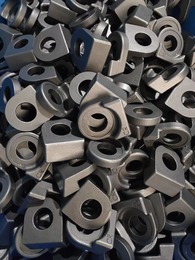
Understanding the threading and tension components is key to smooth sewing. These parts ensure your stitches are even and strong without puckering or loose loops.
Spool Pin and Holder
This holds your thread spool steady so the thread feeds smoothly as you sew. A well-placed spool pin helps prevent tangles and breaks.
Thread Guides and Take-Up Lever
Thread guides keep the thread on track, leading it from the spool through the machine without snagging. The take-up lever pulls the thread tight and moves up and down with each stitch, controlling flow and tension.
Bobbin, Bobbin Case, and Winder
The bobbin supplies the thread from underneath your fabric. It sits in the bobbin case, which holds it securely and allows it to spin correctly. The bobbin winder helps you fill your bobbin evenly—a must-have for continuous stitching.
Tension Dial Assembly
This dial adjusts how tight or loose your thread pulls during stitching. Proper thread tension is crucial; too tight causes thread breakage, too loose causes loose stitches. Adjusting the tension dial based on your fabric and thread type gives you clean, balanced stitches.
For anyone navigating sewing machine anatomy diagrams or looking for a thread tension adjustment guide, these parts are the core players you need to master. They make a big difference, especially for beginners managing presser foot types and feed dog maintenance tips.
Stitching Powerhouse Needle Feed and Presser System
The heart of your sewing machine’s stitching action lies in the needle feed and presser system. These components work together to move fabric smoothly and create precise stitches every time.
Needle and Clamp
The needle pierces the fabric and carries the thread through it. It’s held firmly in place by the needle clamp, which ensures the needle stays steady while sewing. Knowing the functions of sewing machine needles helps you choose the right type for your fabric.
Feed Dogs
These are small, textured bars beneath the needle plate that move fabric forward with each stitch. Feed dogs work in sync with the needle to keep stitches even. Regular feed dog maintenance tips like cleaning and occasional adjustments can prevent fabric slipping or uneven stitches.
Presser Foot Lever and Shank
The presser foot holds your fabric down while the needle does its work. The lever raises and lowers the presser foot, while the shank connects it to the machine. There are various presser foot types for beginners and pros alike, each designed for specific sewing tasks.
Needle Plate
Located under the needle, the needle plate has a small hole for the needle to pass through and guides the fabric smoothly. It also works alongside the feed dogs to keep fabric feeding consistent.
Together, these components form the stitching powerhouse of your sewing machine — vital for smooth, accurate sewing projects from start to finish.
Controls and Drive Precision at Your Fingertips
Understanding the controls and drive system is key to mastering your sewing machine. These components give you full control over stitching and power, making your sewing smooth and accurate.
Handwheel Balance Wheel
The handwheel, also called the balance wheel, lets you manually raise and lower the needle. It’s handy for precise stitching and finishing, helping you avoid mistakes in tricky spots.
Stitch Selector Length Width Dials
Most machines have dials to adjust stitch type, length, and width. This lets you customize your stitches easily—from tighter seams to decorative patterns. Learning the stitch length dial explained will give you better control for different fabrics.
Reverse Lever and Power Switch
The reverse lever is crucial for locking stitches at the start and end of your seam, preventing unraveling. The power switch turns the machine on and off, a simple but important piece of the controls.
Foot Pedal Controller
The foot pedal acts as the machine’s accelerator. Pressing it controls sewing speed, letting you go slower for detailed work or faster for straight seams. It’s a hands-free way to keep your project moving smoothly.
Knowing how these controls and drive parts work together means you can sew with confidence and precision every time.
Advanced Features in Modern Machines Elevating Your Craft
Modern sewing machines pack features that take your sewing to the next level. These advanced components of sewing machine models, especially those customized or made in China with cutting-edge tech, help you work smarter and faster.
Here’s what to expect:
- Automatic Threading: No more struggling with the needle. Auto threaders save time and reduce frustration, a must-have for beginners and pros.
- Programmable Stitch Patterns: Beyond basic stitches, you get customizable stitch length and width that suit every project.
- Digital Displays and Touch Screens: Easy-to-read digital controls replace old dials, making stitch selection and adjustments a breeze.
- Needle Positioning: You can set the needle up or down when you stop sewing, perfect for pivoting corners or precise sewing.
- Speed Control: Adjustable sewing speeds let you work carefully on intricate tasks or speed through straightforward seams.
- Built-in Lighting: Bright LEDs light up your workspace, reducing eye strain and helping you see every detail.
- Seam Memory and Automatic Cutters: Some models remember your favorite stitches and automatically trim threads after sewing.
For U.S. users, these features balance ease and efficiency, especially when paired with good maintenance. Whether you sew quilts, clothes, or home decor, advanced machines streamline the workflow and make projects more enjoyable. Look for components of sewing machine factories offering these perks if you want reliable products customized to your needs.
Maintenance and Troubleshooting Keep Your Machine Humming
Keeping your sewing machine in top shape means regular maintenance and quick troubleshooting. Here’s how to keep things running smoothly:
- Clean the Bobbin Case and Area: Lint and thread buildup can cause issues. Remove the bobbin case and clean out any dust with a small brush. This simple step avoids common bobbin case troubleshooting problems.
- Check and Adjust Thread Tension: Uneven stitches often come from tension problems. Use a thread tension adjustment guide to get it just right for your fabric and thread.
- Feed Dog Maintenance: The feed dogs move your fabric as you sew. Make sure they’re clean and free of debris with regular feed dog maintenance tips like brushing and occasional oiling if your manual says so.
- Oil Moving Parts: Some sewing machines, especially older models, need a drop of oil on the needle bar, handwheel, and other moving parts. Follow your manual for exact spots.
- Test the Presser Foot and Needle: Worn-out needles and the wrong presser foot can mess with your stitches. Replace needles regularly and use the correct presser foot types for beginners or your project to avoid stitching issues.
- Listen to Your Machine: Unusual sounds often signal a problem. Whether it’s the handwheel sewing machine uses or the motor, address weird noises before they turn into bigger troubles.
- Check Controls and Power Supply: If your machine isn’t responding well, check the foot pedal controller, power switch, and stitch selector dials for any jams or electrical problems.
Regular upkeep not only extends your machine’s life but also keeps your stitching precise and hassle-free. For custom components of sewing machine parts or factory-level maintenance options, look for trusted suppliers right here in the US to get reliable service and genuine parts made with quality standards.
 Chinese
  English
  Spanish (Peru)
  German
  Korean
  Spanish (Spain)
  Italian