
Compare stainless steel and Hastelloy alloys for corrosion resistance high-temperature strength and best applications in chemical processing and industry.
Understanding the Basics What Are Stainless Steel and Hastelloy
Stainless Steel Fundamentals
Stainless steel is a widely used alloy known for its strength, durability, and corrosion resistance. At its core, stainless steel is primarily made of iron combined with at least 10.5% chromium. This chromium content forms a thin, invisible layer of chromium oxide on the metal’s surface, protecting it from rust and corrosion. Depending on the type, stainless steel may also include other elements like nickel, molybdenum, and manganese to enhance specific properties.
Some common stainless steel grades include:
- cURL Too many subrequests.: The most popular grade, excellent for general-purpose corrosion resistance and forming.
- 316 stainless steel: Contains molybdenum which improves resistance to pitting and chloride corrosion, ideal for marine and chemical environments.
- 410 stainless steel: Known for its high strength and moderate corrosion resistance, often used in cutlery and tools.
Key traits that make stainless steel a go-to alloy include:
- Strong resistance to rust and staining under typical environmental conditions
- Versatility in machining, welding, and forming
- Cost-effective availability and a broad range of grades tailored for specific industries
- Good mechanical strength and moderate resistance to heat and chemicals
Stainless steel’s balance of affordability, durability, and corrosion protection makes it a staple across construction, food processing, medical equipment, and marine applications in the United States.
Understanding the Basics What Are Stainless Steel and Hastelloy Hastelloy Fundamentals Core Composition and Key Traits
Hastelloy is a nickel-based superalloy known for its incredible resistance to corrosion, especially in harsh chemical environments. Unlike stainless steel, which mainly relies on iron, chromium, and sometimes nickel, Hastelloy’s core makeup includes a high percentage of nickel combined with other metals like molybdenum, iron, and chromium. This unique blend gives it outstanding strength and durability in extreme conditions.
Key traits of Hastelloy include:
- Exceptional resistance to pitting, crevice, and stress corrosion even in highly acidic or oxidizing environments.
- Excellent performance in high-temperature settings, making it a go-to for chemical processing and nuclear applications.
- Superior weldability and toughness despite its complex composition.
- Common grades like Hastelloy C-276 are popular for their balanced corrosion resistance and mechanical properties.
For U.S. industries dealing with aggressive chemicals or extreme heat, Hastelloy often outperforms stainless steel, making it essential for specialized equipment.
Understanding the Basics What Are Stainless Steel and Hastelloy Quick Comparison Table Composition Breakdown
Here’s a simple table breaking down the core compositions of stainless steel and Hastelloy to help you see what’s inside and how they differ.
| Element | Stainless Steel (316 Grade) | Hastelloy (C-276 Grade) |
|---|---|---|
| Iron (Fe) | ~65-70% | ~30-40% |
| Nickel (Ni) | 10-14% | 50-60% |
| Chromium (Cr) | 16-18% | 15-17% |
| Molybdenum (Mo) | 2-3% | 15-17% |
| Iron (Fe) impurity | Low | Lower |
| Other Elements | Small amounts of manganese, nitrogen, and carbon | Small additions of iron, cobalt, and trace metals |
Key points:
- Stainless steel mostly relies on iron, with moderate levels of nickel and chromium for corrosion resistance.
- Hastelloy is a nickel-based superalloy with much higher nickel and molybdenum, giving it superior corrosion resistance, especially in harsh chemical environments.
- The higher molybdenum content in Hastelloy helps prevent pitting corrosion, which is common in stainless steel under certain conditions.
This composition difference is what sets the stage for how each alloy performs in real-world uses, especially when you consider the U.S. industries focused on chemical processing and marine environments.
Corrosion Resistance The Make-or-Break Factor
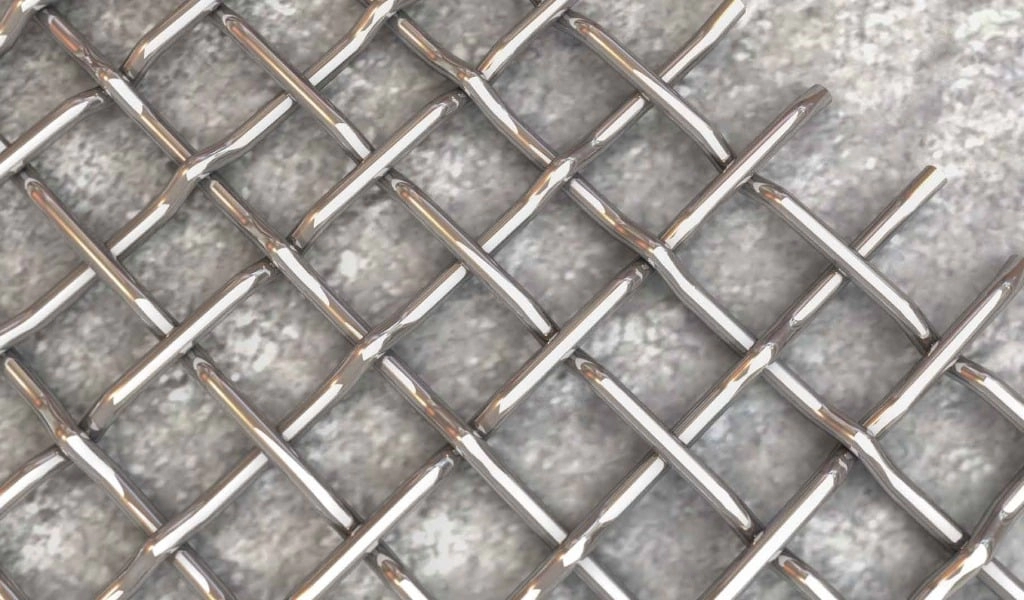
When it comes to corrosion resistance, stainless steel and Hastelloy show clear differences that can make or break your project’s success. Understanding their traits helps pick the right alloy for your environment.
Stainless Steel Corrosion Traits
Stainless steel, especially popular grades like 316, offers solid corrosion resistance in many settings. It fights off rust and general corrosion well, thanks mainly to its chromium content. It handles moisture, mild acids, and salts fairly good—making it a go-to for food processing, marine uses, and general-purpose applications. However, stainless steel can struggle with pitting and crevice corrosion in highly aggressive or chlorine-rich environments.
Hastelloy Corrosion Traits
Hastelloy is a nickel-based superalloy designed to withstand much tougher corrosion challenges. Alloys like Hastelloy C-276 resist strong acids, oxidizers, and reducing agents that typically degrade stainless steel. It thrives in chemical processing plants, marine environments, and high-temperature corrosive settings. Its superior pitting and stress corrosion cracking resistance make it ideal when corrosion is a critical concern.
Resistance Rating Sub-Table
| cURL Too many subrequests. | 316 Stainless Steel | Hastelloy C-276 |
|---|---|---|
| cURL Too many subrequests. | Good | Excellent |
| cURL Too many subrequests. | cURL Too many subrequests. | Excellent |
| cURL Too many subrequests. | cURL Too many subrequests. | Excellent |
| cURL Too many subrequests. | cURL Too many subrequests. | Excellent |
| cURL Too many subrequests. | cURL Too many subrequests. | Excellent |
cURL Too many subrequests. cURL Too many subrequests.
cURL Too many subrequests.
cURL Too many subrequests.
cURL Too many subrequests.
cURL Too many subrequests.
| Property | cURL Too many subrequests. | cURL Too many subrequests. |
|---|---|---|
| cURL Too many subrequests. | cURL Too many subrequests. | cURL Too many subrequests. |
| Tensile Strength | cURL Too many subrequests. | cURL Too many subrequests. |
| High Temp Toughness | cURL Too many subrequests. | Excellent |
| Thermal Stability | cURL Too many subrequests. | High |
Verdict and suitable uses
- cURL Too many subrequests.: Best for applications with moderate heat and mechanical requirements—think food processing, marine hardware, and general industrial use.
- Hastelloy: Ideal for extreme conditions where heat and mechanical stress are high—chemical processing, aerospace, and nuclear reactors.
Choosing between them often boils down to your specific heat and strength needs balanced with budget considerations. Hastelloy delivers superior performance where failure isn’t an option, but stainless steel remains a reliable, cost-effective choice for less intense environments.
Weldability Formability and Durability
When comparing stainless steel and Hastelloy, weldability is a big factor. Stainless steel, especially common grades like 316, is generally easier to weld. It requires less specialized equipment or filler materials, making it a favorite for many fabricators. Hastelloy, being a nickel-based superalloy, needs more careful handling during welding to avoid cracking and maintain corrosion resistance. Skilled welders and specific techniques are often necessary.
In terms of formability, stainless steel has the edge. It’s more ductile, which means it can be shaped and bent more easily without cracking. This makes it ideal for projects requiring complex bends or detailed sheet metal work. Hastelloy, although tougher in harsh environments, is less forgiving and harder to form due to its high strength and alloy composition.
About machining and toughness, stainless steel machines more predictably and with less wear on cutting tools. Hastelloy, on the other hand, is tougher and more abrasive, which can increase machining time and costs. It’s designed to withstand extreme conditions, so its durability is superior under high stress and corrosive environments, but this also means more effort during fabrication.
Pros and Cons
cURL Too many subrequests.
- Easy to weld and form
- Good toughness and machinability
- Cost-effective for general use
- Less corrosion-resistant in very harsh environments
Hastelloy
- Superior corrosion resistance and durability
- Maintains strength at high temperatures
- cURL Too many subrequests.
- Higher upfront cost but long-term value in tough conditions
Choosing between stainless steel and Hastelloy usually comes down to balancing fabrication ease with performance needs. If your project involves complex shapes and moderate environments, stainless steel is a solid choice. For extreme corrosion resistance and strength, Hastelloy pays off despite its tougher fabrication process.
Ideal Uses for Stainless Steel

Stainless steel is a top choice in many industries across the U.S. thanks to its good corrosion resistance and affordability. Here’s where it really shines:
- Food and Beverage Industry: 316 stainless steel, for example, is widely used in food processing plants and commercial kitchens because it handles moisture and mild acids without rusting.
- Healthcare and Medical Tools: Its hygienic surface makes it ideal for surgical instruments and hospital equipment.
- Construction and Architecture: Stainless steel is common in building facades, handrails, and structural components where durability meets aesthetics.
- Marine Applications: It offers decent resistance against saltwater corrosion, used in boat fittings and coastal infrastructure, though it may need maintenance in harsh marine environments.
- Automotive Parts: Used for exhaust systems and trim, stainless steel balances performance and cost.
That said, stainless steel has its limits. In highly corrosive environments like strong acids, chlorides, or extreme heat, it can start to pit or scale. This restricts its use in chemical processing plants or heavy-duty petrochemical setups, where more robust alloys, like Hastelloy, are preferred.
In short, stainless steel is reliable and budget-friendly for a wide range of moderate-duty applications but isn’t the best pick for the harshest environments. Understanding these limits helps you get the most value out of your stainless steel investment.
Ideal Uses for Hastelloy Extreme Environment Uses and Limitations
Hastelloy shines in tough, demanding environments where corrosion resistance and high strength are non-negotiable. It’s a go-to nickel-based superalloy in chemical processing plants, especially where strong acids like hydrochloric acid and sulfuric acid are in play. You’ll also find Hastelloy in power plants, aerospace, and marine applications thanks to its ability to handle high temperatures and resist pitting corrosion.
Because of its excellent performance against stress corrosion cracking and oxidation, Hastelloy is ideal for heat exchangers, reactors, and valves exposed to highly aggressive chemicals and extreme heat. If you’re dealing with chlorides or oxidizing environments, Hastelloy C-276 is a solid choice.
That said, Hastelloy isn’t perfect. It can be pricey upfront compared to stainless steel, which may be a limitation for budget-conscious projects. Also, welding and machining Hastelloy require more care and experience, so fabrication costs might be higher. In less harsh environments, its advantages might not justify the added expense.
Key Takeaways:
- Best for harsh chemical environments, high heat, and oxidative conditions
- Common in petrochemical, aerospace, and marine industries
- Handles stress corrosion cracking and pitting corrosion well
- Higher material and fabrication cost than stainless steel
- Requires skilled welding and machining
For projects that push materials to their limits, Hastelloy often pays off over time thanks to durability and longer lifecycle, especially where failure isn’t an option.
Applications Where Each Alloy Shines and Fails

Case Study Spotlights
cURL Too many subrequests.
cURL Too many subrequests.
cURL Too many subrequests.
cURL Too many subrequests.
cURL Too many subrequests.
cURL Too many subrequests.
- cURL Too many subrequests. cURL Too many subrequests.
- Hastelloy, cURL Too many subrequests.
cURL Too many subrequests.
- cURL Too many subrequests.
- cURL Too many subrequests.
cURL Too many subrequests.
cURL Too many subrequests.
cURL Too many subrequests.
| cURL Too many subrequests. | cURL Too many subrequests. | Hastelloy |
|---|---|---|
| cURL Too many subrequests. | Lower | cURL Too many subrequests. |
| cURL Too many subrequests. | cURL Too many subrequests. | cURL Too many subrequests. |
| Maintenance Frequency | cURL Too many subrequests. | cURL Too many subrequests. |
| Lifespan in Harsh Conditions | cURL Too many subrequests. | Long-lasting |
| Availability | Widely available | More limited, specialized |
| Certifications | Common ASTM, ASME | Specialized ASME, AMS |
| Overall Lifecycle Cost | Lower upfront, higher over time | Higher upfront, usually lower long term |
Knowing these cost dynamics helps tailor your choice to what fits your budget and performance needs best, especially in industries like chemical processing, marine environments, or high-temperature applications.
When to Choose What Decision Framework
Choosing between stainless steel and Hastelloy depends on the specific needs of your project. Here’s a simple decision framework to guide you:
- Corrosion environment: If you deal with regular corrosion or pitting (like in marine or food processing), 316 stainless steel is a solid choice. For aggressive chemical environments or where pitting and stress corrosion cracking are serious concerns, Hastelloy (especially C-276) is the safer bet.
- Temperature conditions: For temperatures up to about 1100°F, stainless steel holds up well. Above that, or in situations requiring very high tensile strength under heat, Hastelloy outperforms.
- Budget and lifecycle: Stainless steel costs less upfront and is easier to source. Hastelloy is pricier but can save money over time in harsh environments by lasting longer and requiring less maintenance.
- Fabrication needs: If weldability and machining simplicity are priorities, stainless steel is typically easier to work with. Hastelloy needs more care in welding and can be tougher to machine.
Pro Tips
- Consider using cURL Too many subrequests.: stainless steel for structural parts, Hastelloy for critical corrosion areas. This balances cost and performance.
- Always factor in total cost of ownership, not just material price.
- Look for certifications and supplier support, especially if you’re sourcing Hastelloy, since batch quality varies.
Following this decision tree will help ensure you pick the right alloy for your needs without overspending or risking premature failure.
 German
  English
  Spanish (Peru)
  Korean
  Spanish (Spain)
  Italian