
Discover expert insights on press fit interference including tolerances calculations assembly techniques and material considerations for precision joints.
Imagine trying to assemble a critical machine component where even the tiniest gap puts your whole system at risk. That’s exactly why understanding press fit interference is a game-changer. This technique uses precise interference fits to create secure, vibration-resistant joints—no bolts or adhesives needed. Whether you’re designing shafts, bearings, or automotive parts, mastering these tight tolerances is essential for reliability and performance. Stick with us to unlock practical insights and expert tips on how to calculate, select, and apply press fit interference for flawless assemblies every time.
The Fundamentals of Press Fit Interference
Have you ever wondered how two parts can be joined so firmly without screws or adhesives? That’s where press fit interference comes in. At its core, press fit interference is a method of joining parts by creating a tight, friction-based connection. One component, usually a shaft, is slightly larger than the hole it fits into, causing them to press firmly together when assembled.
This technique has been used for decades across many industries, from automotive to aerospace, because it offers reliable mechanical joint strength with no need for extra fasteners or welding. The key benefit is in the interference—the small difference in size that creates pressure between the parts, locking them into place.
Press fit interference relies on radial interference stress, which means the shaft expands the hole slightly as it’s pressed in, generating a strong grip. This approach eliminates play or movement, ensuring mechanical reliability over time, even under heavy loads or vibrations.
Because of its simplicity and effectiveness, press fit interference has been widely integrated in manufacturing processes. It’s found in everything from bearing assemblies to gear mounting, proving that this classic mechanical principle is still central to modern production challenges.
Types of Interference Fits
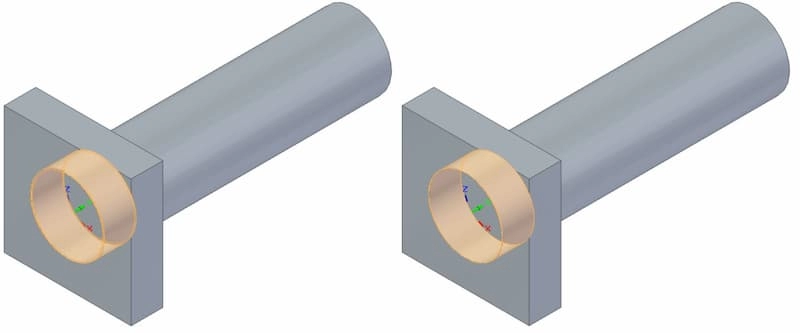
Interference fits come in different types based on how much the parts overlap or “interfere” with each other. The main way to classify them is by the magnitude of interference — from light press fits where parts slide together with a bit of force, to heavy press fits that require more effort and create stronger holding power.
Hole-Basis vs Shaft-Basis Systems
There are two common systems to define interference fits:
- Hole-basis system: The hole size stays fairly constant while the shaft size changes to create the interference. This is popular in the U.S. and aligns with standards like ISO 286 hole-basis system.
- Shaft-basis system: The shaft size stays constant, and the hole size is adjusted to achieve the required interference.
Both systems help designers pick the right type of fit based on ease of manufacture and assembly requirements.
Visualizing the Difference
- Light interference fits: Parts feel tight but can be pushed together by hand or with minimal pressing.
- Medium interference fits: Need moderate force or hydraulic presses.
- Heavy interference fits: Require heating or special equipment to assemble safely.
Applications and Matching
Choosing the right type depends on what the assembled parts need to do:
- Light fits are common for bearings and smaller shafts where slight movement is acceptable.
- Medium to heavy fits are used in heavy machinery where vibration resistance and mechanical joint reliability are critical.
Knowing these types helps match the assembly method, the materials, and the desired retention force for your project.
Calculating Press Fit Interference
Getting press fit interference right starts with knowing how much interference or overlap you need between the shaft and the hole. Here’s a simple step-by-step to calculate it:
- cURL Too many subrequests. cURL Too many subrequests.
- cURL Too many subrequests. cURL Too many subrequests.
- cURL Too many subrequests. cURL Too many subrequests.
- cURL Too many subrequests. cURL Too many subrequests.
cURL Too many subrequests.
cURL Too many subrequests. cURL Too many subrequests.
cURL Too many subrequests.
cURL Too many subrequests.
cURL Too many subrequests.
cURL Too many subrequests.
- cURL Too many subrequests. cURL Too many subrequests.
- cURL Too many subrequests. cURL Too many subrequests.
- cURL Too many subrequests. – Cooling the shaft or heating the hole to temporarily expand or contract parts, making assembly easier.
- Ultrasonic or Vibratory Assistance – Sometimes used for delicate fittings to minimize force and ensure a smooth press.
Estimating the Required Force
Knowing how much force is needed is key to avoiding damage or insufficient fit. The force depends on:
- The interference amount (how much bigger the shaft is than the hole)
- Material stiffness and hardness
- Surface finish and lubrication
- Using the retention force formula or software can help calculate the exact press force required for your situation.
Step-by-Step Assembly Guide
- Clean and Inspect all mating surfaces to prevent dirt or debris from compromising the fit.
- Measure and Confirm Tolerances to ensure the interference is within your design specs.
- Prepare Parts Properly by applying light lubrication if recommended, or using shrink fit techniques if applicable.
- Align Parts Carefully to avoid damaging edges or causing misalignment during pressing.
- Apply Pressure Gradually using a press. Monitor force to stay within estimated limits.
- Check the Fit after assembly to confirm no gaps or looseness exist.
- Perform Final Inspection for damage or deformation.
Safety Tips
- Wear protective gear like gloves and eye protection.
- Use proper equipment rated for your press fit force.
- Avoid sudden force application — go slow and steady.
- Keep hands clear of pinch points during pressing.
- Follow machine safety protocols to prevent accidents.
With the right methods and care, press fit interference can provide a durable, lasting join with excellent mechanical reliability.
Material Considerations and Common Pitfalls in Press Fit Designs
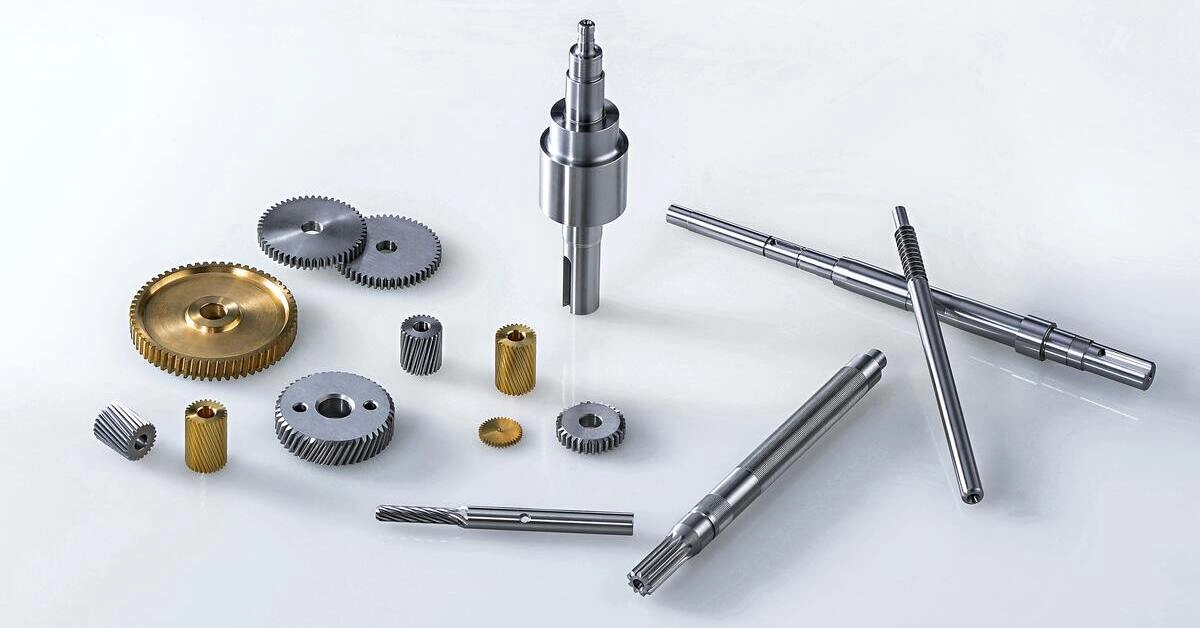
Choosing the right materials is a big deal when dealing with press fit interference. The goal is to ensure a strong, reliable joint without damaging parts during assembly. Here’s what to watch out for and how to tackle common issues:
Material Pairing Pitfalls
- Mismatch in hardness: If the shaft is much harder than the hole, you risk galling or cracking. A good rule is to have the hole slightly softer to allow some deformation without damage.
- Different thermal expansion rates: Metals expand differently with heat. If materials don’t expand similarly, the fit can loosen or get too tight during temperature changes. For example, aluminum shafts in steel holes can cause trouble in hot environments.
- Surface finishes: Too rough or too smooth surfaces impact how well parts slide and hold. A visibly smooth but slightly textured surface helps create a good friction fit without excessive force.
cURL Too many subrequests.
- cURL Too many subrequests.
- cURL Too many subrequests.
- cURL Too many subrequests.
Optimization Tips
- cURL Too many subrequests.
- cURL Too many subrequests.
- cURL Too many subrequests.
cURL Too many subrequests.
cURL Too many subrequests.
cURL Too many subrequests.
cURL Too many subrequests.
cURL Too many subrequests.
- cURL Too many subrequests.
cURL Too many subrequests.
cURL Too many subrequests.
cURL Too many subrequests. - Emerging Trends:
- cURL Too many subrequests.
- cURL Too many subrequests.
- cURL Too many subrequests.
For U.S. businesses, understanding these real-world uses highlights how press fit interference doesn’t just hold parts together—it boosts reliability, saves money, and supports innovation.
 German
  English
  Spanish (Peru)
  Korean
  Spanish (Spain)
  Italian