
Discover what light metal is including key types like aluminum and titanium their properties uses and why they matter for lightweight durable solutions.
Defining Light Metals The Basics
Light metals are a group of metals known primarily for their low density, making them significantly lighter than common metals like steel or copper. At their core, light metals include both pure elements such as aluminum, magnesium, and titanium, as well as alloys—metal mixtures designed to enhance specific characteristics like strength or corrosion resistance.
A common misconception is that “light metal” refers only to pure metals. In reality, many of the most widely used light metals in industry are alloys. For example, aluminum alloys combine aluminum with other elements to improve durability without adding much weight. This distinction matters because alloys often deliver a better strength-to-weight ratio and important performance benefits compared to their pure counterparts.
Understanding this difference helps clarify why light metals are such a valuable resource. By choosing the right pure metal or alloy, engineers can design lighter, stronger, and more efficient products—pushing innovation in aerospace, automotive, and beyond.
Ready to explore the key players and what makes them unique? Let’s move to the next section and dive into the main types of light metals and their alloys.
Key Types of Light Metals and Their Alloys
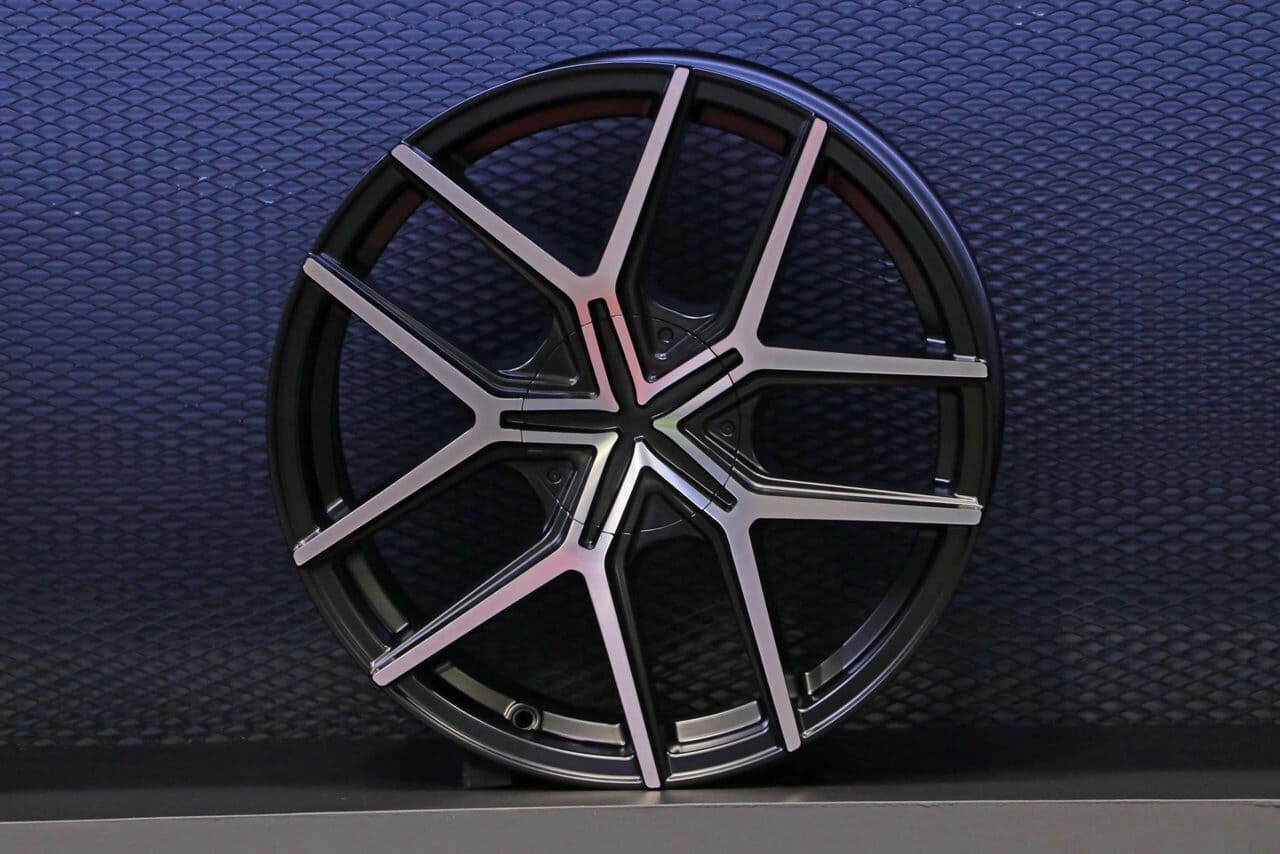
When we talk about light metals, the three stars are aluminum, magnesium, and titanium. These metals stand out because they’re much lighter than steel but still strong enough for serious use.
cURL Too many subrequests. is the most common light metal out there. It’s affordable, easy to work with, and resists corrosion well. Aluminum alloys are everywhere—from airplane bodies to beverage cans.
Magnesium is lighter than aluminum, making it great when weight savings are critical. You’ll often find magnesium alloys in automotive parts, electronics, and even sports gear. Its downside? It’s a bit less corrosion-resistant, so it often needs protective coatings.
Titanium is a powerhouse. It’s stronger than aluminum and magnesium while still being lightweight. Plus, it resists corrosion and heat like a champ. That’s why aerospace and medical industries love titanium alloys, even though they come with a higher price tag.
Honorable Mentions
- Zinc alloys sometimes join the lightweight family, mostly in die-casting parts.
- Beryllium is incredibly light and stiff but expensive and toxic, so it’s used in specialized fields like aerospace and defense.
cURL Too many subrequests.
| cURL Too many subrequests. | cURL Too many subrequests. | Strength-to-Weight | cURL Too many subrequests. | Common Uses |
|---|---|---|---|---|
| cURL Too many subrequests. | 2.7 | Good | High | Aircraft, automotive, packaging |
| Magnesium | 1.7 | cURL Too many subrequests. | cURL Too many subrequests. | Electronics, automotive |
| Titanium | 4.5 | Excellent | Excellent | Aerospace, medical, military |
This quick breakdown highlights how each light metal and its alloys serve unique roles depending on what balance of weight, strength, and durability you need.
Essential Properties That Make Light Metals Stand Out
Light metals like aluminum, magnesium, and titanium are popular because of their unique properties that make them ideal for many uses in the U.S. market. Here’s a quick look at what sets them apart:
Mechanical Strength
- High strength-to-weight ratio means they’re strong but lightweight. This helps improve fuel efficiency in cars and planes without sacrificing durability.
- Titanium alloys, for example, offer excellent strength while staying light, favored in aerospace and defense.
Thermal Properties
- Light metals conduct heat well, useful in electronics and automotive parts that need efficient heat dissipation.
- Aluminum is especially known for managing heat to keep engines and electronics running cooler.
Electrical Conductivity
- Aluminum stands out as a good electrical conductor, making it a common choice in power lines and electronic devices where saving weight matters.
cURL Too many subrequests.
- Many light metals resist rust and corrosion naturally, reducing maintenance costs and increasing lifespan.
- Magnesium and aluminum form protective oxide layers, while titanium is almost immune to corrosion.
Limitations to Keep in Mind
- Light metals can be softer or less wear-resistant compared to heavier metals.
- Some alloys may be more expensive, especially titanium, which affects application choice.
- They sometimes require special treatment to enhance toughness or resistance in extreme environments.
cURL Too many subrequests.
| cURL Too many subrequests. | cURL Too many subrequests. | Tensile Strength (MPa) | cURL Too many subrequests. |
|---|---|---|---|
| cURL Too many subrequests. | 2.7 | 90-700 | Good |
| Magnesium | 1.7 | 90-350 | cURL Too many subrequests. |
| Titanium | 4.5 | 430-1400 | Excellent |
cURL Too many subrequests.
cURL Too many subrequests.
cURL Too many subrequests.
cURL Too many subrequests.
cURL Too many subrequests.
cURL Too many subrequests.
cURL Too many subrequests.
cURL Too many subrequests.
- AerospacecURL Too many subrequests.
- cURL Too many subrequests.cURL Too many subrequests.
- cURL Too many subrequests.cURL Too many subrequests.
- cURL Too many subrequests.cURL Too many subrequests.
- cURL Too many subrequests.cURL Too many subrequests.
- cURL Too many subrequests.cURL Too many subrequests.
cURL Too many subrequests.
Challenges Innovations and the Future of Light Metals
Light metals like aluminum, magnesium, and titanium come with their own set of challenges. For starters, some can be expensive to produce or difficult to work with, especially titanium. Corrosion resistance varies, and magnesium, while super lightweight, can be prone to corrosion without proper treatment. There’s also the ongoing demand for better strength-to-weight ratios, especially in industries like aerospace and electric vehicles where every pound counts.
But innovation is pushing boundaries. New alloy formulas and surface treatments improve durability and resistance. Improvements in recycling processes are helping make these metals more sustainable for the future. Advanced manufacturing techniques like 3D printing also open doors to new designs impossible before.
Looking ahead, the future of light metals is bright. With rising demand for lighter, stronger, and greener materials, these metals will only grow more important in the US market. Whether it’s aircraft, cars, or construction, expect to see continued innovation. Businesses and consumers alike should keep an eye on advances in lightweight alloys to stay ahead in a competitive, evolving landscape.
 German
  English
  Spanish (Peru)
  Korean
  Spanish (Spain)
  Italian