
Comprehensive 2026 guide to aluminium casting processes alloys finishes defects and how to choose the best foundry for your projects.
Introduction to Aluminium Casting in 2026
Aluminium casting remains the top choice for metal casting in 2026—and for good reason. Its unique combination of light weight, strength, corrosion resistance, and cost-effectiveness make it the go-to material across multiple industries. Whether you’re in automotive, aerospace, or tech manufacturing, aluminium casting offers consistent, high-quality results that meet today’s demanding standards.
Why Aluminium Is #1 for Metal Casting
- Lightweight strength: Aluminium weighs about one-third as much as steel or iron, making it ideal for applications where reducing weight is critical.
- High corrosion resistance: Naturally forming a protective oxide layer, it withstands harsh environments without heavy coatings.
- Excellent thermal and electrical conductivity: Perfect for parts requiring heat dissipation or electrical conduction.
- Cost efficiency: Aluminium’s abundant availability and recyclability keep prices competitive.
- Versatility: Compatible with diverse casting methods and alloys, it meets a range of mechanical and aesthetic needs.
Global Market Size and Growth Drivers
The aluminium casting market continues strong growth worldwide, driven by these key sectors:
- Automotive lightweighting: Governments and consumers demand fuel-efficient, lower-emission vehicles, making aluminium the material of choice for chassis and engine parts.
- Electric vehicle (EV) batteries: Aluminium housings improve battery safety and thermal management.
- 5G infrastructure hardware: Aluminium supports lightweight, corrosion-resistant casings for antennas and towers.
- Aerospace industry: Its high strength-to-weight ratio remains unmatched for structural components.
Aluminium vs Zinc, Magnesium, and Iron Casting
| Property | Aluminium | Zinc | Magnesium | Iron |
|---|---|---|---|---|
| cURL Too many subrequests. | 2.7 (lightweight) | 7.14 | 1.74 (ultra-light) | 7.87 |
| cURL Too many subrequests. | Excellent | cURL Too many subrequests. | Low (needs protection) | Good |
| Casting Temperature | ~660°C | ~419°C | ~650°C | >1150°C |
| Strength | High (varies by alloy) | cURL Too many subrequests. | Moderate to high | Very high |
| cURL Too many subrequests. | cURL Too many subrequests. | Low | cURL Too many subrequests. | Low |
Quick takeaway: Aluminium provides the best balance between weight, strength, corrosion resistance, and cost in 2026. Zinc is cheaper but heavier and less durable. Magnesium is lighter but requires careful handling and coatings. Iron is strongest but too heavy for many modern applications.
If you want reliable, lightweight, and versatile metal casting, aluminium remains the leading choice in 2026’s global market.
cURL Too many subrequests.
cURL Too many subrequests.
High-Pressure Die Casting (HPDC)
cURL Too many subrequests.
- cURL Too many subrequests. cURL Too many subrequests.
- cURL Too many subrequests. cURL Too many subrequests.
cURL Too many subrequests.
cURL Too many subrequests.
cURL Too many subrequests.
cURL Too many subrequests.
cURL Too many subrequests.
Sand Casting
cURL Too many subrequests.
- cURL Too many subrequests. cURL Too many subrequests.
- cURL Too many subrequests. cURL Too many subrequests.
- cURL Too many subrequests. cURL Too many subrequests.
Despite slower production, sand casting is great for custom shapes and heavy-duty parts.
Investment Casting (Lost-Wax)
For precision aluminium components with thin walls and complex geometries, investment casting is unbeatable. It uses wax patterns coated with ceramic shells to produce near-net-shape parts with excellent surface finish and dimensional accuracy—common in aerospace and defense applications.
Centrifugal Casting and Squeeze Casting
- Centrifugal casting spins the mould to force metal outward, minimizing impurities and improving density. Ideal for cylindrical parts like pipes and rings.
- Squeeze casting applies pressure during solidification, resulting in low porosity and superior mechanical strength. It’s rising in adoption for structural components demanding high integrity.
Process Selection Snapshot
| Process | Tolerance | Volume | Cost per Part | Wall Thickness | Mechanical Properties |
|---|---|---|---|---|---|
| HPDC | ±0.1 mm | Very High | Low | Thin (1-5 mm) | Good |
| Gravity Die Casting | ±0.2 mm | Medium | Medium | Medium (4-12 mm) | Very Good |
| Low-Pressure Die Cast | ±0.15 mm | Medium to High | Medium-High | Medium-Thick | Good to Very Good |
| Sand Casting | ±0.5 mm | cURL Too many subrequests. | Low | Thick (10+ mm) | Variable (lower) |
| Investment Casting | ±0.05 mm | Low | High | Thin | Excellent |
| Centrifugal Casting | ±0.2 mm | Medium | Medium | Medium to Thick | Excellent density |
| Squeeze Casting | ±0.1 mm | cURL Too many subrequests. | High | Medium | Superior strength |
Understanding these processes helps in selecting the best aluminium casting method for your application, whether it’s for automotive lightweighting, aerospace, or high-precision electronics. For a closer look at aluminium casting surface finishes and post-processing, check out our detailed guide on aluminum anodizing colors and durable finishes.
Most Popular Aluminium Casting Alloys in 2026
When it comes to aluminium casting alloys in 2026, a few key grades dominate the market due to their proven performance and versatility.
- A356 / AlSi7Mg Known as the aerospace and structural king, A356 offers excellent strength, good corrosion resistance, and great weldability after T6 heat treatment. It’s a top choice for aerospace components and structural parts requiring lightweight durability.
- ADC12 (A383) The automotive die-casting standard, ADC12 is prized for its good castability, decent strength, and excellent surface finish. It’s widely used for engine parts, housings, and other automotive components, balancing cost and performance perfectly.
- AlSi9Cu3 (EN AB-46000) A favourite in Europe, this alloy excels with its high strength and good thermal conductivity. It’s common in automotive and industrial applications where heat dissipation and strength go hand in hand.
- AlSi10Mg Big in 3D printing and high-strength needs, AlSi10Mg offers superior mechanical properties combined with good corrosion resistance. It’s become popular with engineers pushing design limits via additive manufacturing.
- 535.0 (Almag) Known for the highest strength among non-heat-treatable alloys, 535.0 is chosen for demanding applications where maximum strength without heat treatment is crucial. It’s less common but invaluable for specialty casting.
cURL Too many subrequests.
| Alloy | Strength | cURL Too many subrequests. | cURL Too many subrequests. | Machinability | Price |
|---|---|---|---|---|---|
| A356 | High | Excellent | Good | Good | cURL Too many subrequests. |
| cURL Too many subrequests. | cURL Too many subrequests. | cURL Too many subrequests. | Excellent | Good | Low |
| cURL Too many subrequests. | High | Good | Good | cURL Too many subrequests. | cURL Too many subrequests. |
| cURL Too many subrequests. | Very High | Good | cURL Too many subrequests. | cURL Too many subrequests. | cURL Too many subrequests. |
| 535.0 | Very High | cURL Too many subrequests. | cURL Too many subrequests. | cURL Too many subrequests. | cURL Too many subrequests. |
cURL Too many subrequests.
cURL Too many subrequests. cURL Too many subrequests. cURL Too many subrequests.
cURL Too many subrequests.
cURL Too many subrequests. cURL Too many subrequests., cURL Too many subrequests.
cURL Too many subrequests. cURL Too many subrequests., cURL Too many subrequests.
cURL Too many subrequests. cURL Too many subrequests. (both Type II and the harder Type III), chromating, or powder coating to protect surfaces and improve durability against environmental damage. These finishing options also increase compatibility with various coatings, ensuring parts last longer with minimal maintenance.
For precision components, combining casting with careful surface treatments and machining (check out our guide on low volume CNC machining) yields reliable, high-performance finishes and dimensions.
Surface Finishes & Secondary Operations
After the aluminium casting process, surface finishing plays a critical role in both appearance and performance. Here’s a quick rundown of common finishes and secondary operations used in 2026:
- As-cast finish: The most basic finish, straight from the mould. It’s rougher and may have minor surface imperfections, suitable for parts where aesthetics aren’t critical.
- Vibro polishing: Uses vibration with abrasive media to smooth surfaces. It improves appearance and prepares parts for further finishing.
- Shot blasting: Blasts the surface with small steel or ceramic beads to clean and texture. This is common for improving paint or coating adhesion.
Anodising
Aluminium parts often undergo cURL Too many subrequests. for enhanced corrosion resistance and surface hardness.
- Type II anodising is a standard, protective clear oxide layer.
- Type III hardcoat anodising offers much thicker layers, ideal for wear resistance in harsh environments.
Powder Coating & Liquid Painting
For colour and additional corrosion protection, powder coating and liquid painting are widely used. Powder coating provides a thicker, more durable finish, while liquid painting offers flexibility in colour matching and texture.
Chromate Conversion Coatings
Chemical treatments like Alodine (chromate conversion) and trivalent chrome coatings improve corrosion resistance and paint adhesion without adding thickness. These are often applied before painting or powder coating to ensure long-term durability.
CNC Machining Tolerances After Casting
When machining aluminium castings, expect typical CNC tolerances ranging from ±0.05 mm to ±0.1 mm, depending on the casting process and alloy used. Castings like those from high-pressure die casting often require less machining, while sand casting parts may need more precise finishing.
For more details on aluminium alloys and their machinability after casting, check out our complete guide on types of aluminum materials explained.
Common Defects & How Modern Foundries Eliminate Them
Aluminium casting defects like porosity, shrinkage, cold shuts, and misruns are still challenges in 2026, but top foundries use advanced techniques to minimize these issues. Porosity, caused by trapped gas or inadequate feeding, weakens parts and affects surface quality. Shrinkage occurs when metal cools unevenly, leading to cavities or warping. Cold shuts happen when molten metal doesn’t properly fuse, creating weak spots, and misruns are incomplete fills of the mould.
To tackle these defects, modern foundries now rely on cURL Too many subrequests.. cURL Too many subrequests., cURL Too many subrequests. cURL Too many subrequests.
cURL Too many subrequests. cURL Too many subrequests. cURL Too many subrequests.
cURL Too many subrequests.
cURL Too many subrequests.
cURL Too many subrequests. cURL Too many subrequests., cURL Too many subrequests.
cURL Too many subrequests. cURL Too many subrequests.
cURL Too many subrequests. cURL Too many subrequests.cURL Too many subrequests.
cURL Too many subrequests.
| cURL Too many subrequests. | cURL Too many subrequests. | Comments |
|---|---|---|
| China | $3.50 – $5.00 | Competitive pricing, longer lead times |
| cURL Too many subrequests. | $6.00 – $9.00 | High quality, near onshore advantages |
| cURL Too many subrequests. | $5.50 – $8.00 | Balanced cost and fast turnaround |
To navigate this, ask foundries for detailed quotes breaking down tooling, piece price, MOQ, and extras. This clarity helps you compare offers transparently and avoid hidden fees.
For high-precision finishing and machining estimates after casting, check our guide on CNC machining types, benefits, and selection tips.
How to Choose the Right Aluminium Casting Foundry in 2026
Choosing the right aluminium casting foundry can make or break your project. Here are 10 critical questions you should ask every supplier before you commit:
| Question | Why It Matters |
|---|---|
| What aluminium casting processes do you offer? | Ensures they match your requirements. |
| Can you handle my required volume and deadlines? | Avoid delays and costly overstock. |
| What quality certifications do you hold? | Look for IATF 16949, AS9100, ISO 9001. |
| How do you manage common aluminium casting defects? | Shows capability in delivering defect-free parts. |
| What alloys do you specialize in? | Confirms availability of the best aluminium casting material for you. |
| Can you provide detailed cost breakdowns? | Helps avoid hidden fees and control budget. |
| What is your MOQ (minimum order quantity)? | Critical for scaling production efficiently. |
| What secondary operations do you offer? | Saves time if finishing is done in-house. |
| How transparent is your supply chain? | Important for trust and sustainability. |
| Can you support design for casting and prototyping? | Speeds up development with fewer revisions. |
Red Flags vs Green Flags
| Red Flags | Green Flags |
|---|---|
| Vague or no answers about process expertise | Clear, confident knowledge of aluminium casting methods |
| No certifications or outdated standards | Latest quality certifications and industry compliance |
| cURL Too many subrequests. | cURL Too many subrequests. |
| cURL Too many subrequests. | cURL Too many subrequests. |
| cURL Too many subrequests. | cURL Too many subrequests. |
cURL Too many subrequests.
cURL Too many subrequests. cURL Too many subrequests., cURL Too many subrequests.
cURL Too many subrequests.
cURL Too many subrequests. cURL Too many subrequests.
cURL Too many subrequests. cURL Too many subrequests..
cURL Too many subrequests.
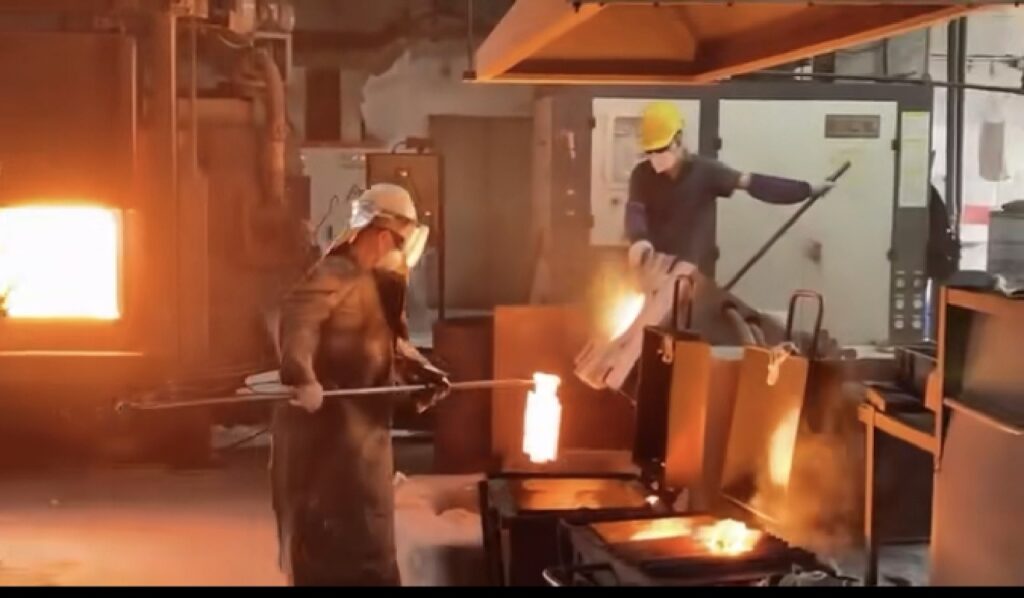
cURL Too many subrequests. cURL Too many subrequests., cURL Too many subrequests.
Sustainability is also pushing the industry forward. More foundries are adopting recycled aluminium and striving for carbon-neutral operations. Using recycled aluminium drastically lowers energy use and emissions compared to primary metal, aligning with global green targets and customer demand for eco-friendly products.
On the tech side, digital twins and simulation-driven casting design are transforming how aluminium castings are developed. Advanced software models help predict defects, optimise tooling, and improve part quality before any metal is poured. This reduces waste and speeds up product development cycles, giving foundries a big edge on accuracy and efficiency.
Together, these trends are setting the stage for smarter, greener, and larger-scale aluminium casting in 2026 and beyond. To get the best results from these innovations, it’s key to partner with forward-thinking aluminium casting manufacturers who embrace these future-ready methods.
Aluminium Casting FAQ (2026)
What is the strongest aluminium casting alloy?
The strongest commonly used aluminium casting alloy in 2026 is 535.0 (Almag). It offers the highest strength among non-heat-treat alloys, ideal for demanding structural parts.
Aluminium die casting vs gravity casting – which is cheaper?
| Casting Method | Typical Cost | Best For | Volume | Notes |
|———————-|———————-|——————————-|—————–|——————————-|
| High-Pressure Die Casting (HPDC) | Low per-piece @ high volume | Small to medium parts | High (>10,000 pcs) | High tooling cost amortised over volume |
| Gravity Die Casting | Moderate | Medium to large parts | Medium (1000-10,000 pcs) | Lower tooling cost, slower cycle |
In short, HPDC is cheaper for high volumes, while gravity casting is better for medium runs and thicker parts.
Can you anodise high-pressure die-cast parts?
Yes, HPDC parts can be anodised but with some limitations. Die-cast aluminium typically has a denser surface, so Type II anodising works well, while Type III hardcoat anodising may require special preparation.
What’s the difference between ADC12 and A380 alloys?
| Alloy | Main Use | Strength | Castability | Corrosion Resistance |
|———|——————-|—————-|————-|———————|
| ADC12 | Automotive die casting | Good | Excellent | Moderate |
| A380 | General die casting | Higher than ADC12 | Very Good | Better than ADC12 |
ADC12 is widely adopted in Asia automotive manufacturing. A380 is preferred in Europe and North America for slightly tougher applications.
What are lead times for new tooling in 2026?
- High-Pressure Die Casting: 6 to 10 weeks
- Gravity Die Casting: 3 to 6 weeks
- Sand Casting: 1 to 3 weeks (minimal tooling)
Lead times depend on complexity and foundry location. Planning early is key.
If you want detailed guidance on alloys or casting quality, visit our precision turning parts manufacturing services for high-quality CNC components page.
 German
  English
  Spanish (Peru)
  Korean
  Spanish (Spain)
  Italian