
Explore comprehensive insights on prosthetic knee replacement including types, procedure, recovery, costs, and local specialist options for better mobility.
If you’re facing chronic knee pain or mobility issues, understanding prosthetic knee replacement might be your next crucial step. This surgery can transform lives by restoring movement and easing discomfort—but what exactly goes into choosing the right prosthetic knee, the procedure itself, and recovery? In this post, you’ll get clear, reliable insights about the types of knee implants, surgical options, costs, and rehab strategies. Whether you’re exploring treatment locally or just want to know what to expect, keep reading to get a full picture of how prosthetic knee replacement could help you regain an active, pain-free life.
Understanding Prosthetic Knee Replacement
What is a Prosthetic Knee
A prosthetic knee is an artificial device designed to replace a damaged or worn-out knee joint. It helps restore movement, reduce pain, and improve mobility for people whose knees no longer function naturally due to injury, disease, or aging.
Anatomy of the Knee Joint and How Prosthetics Replicate Natural Movement
The knee is one of the most complex joints in the body, connecting the thigh bone (femur) to the shin bone (tibia). Key parts include the medial and lateral condyles of the femur, which glide smoothly over the tibia during movement, cushioned by cartilage. The knee also allows bending, straightening, and slight rotation.
Prosthetic knees mimic this natural function by replacing damaged surfaces with metal and plastic components. The design aims to replicate the knee’s ability to bend, bear weight, and provide stability, helping you walk, climb stairs, and perform daily activities.
Who Needs a Prosthetic Knee Replacement
Knee replacement is typically considered when knee damage causes severe pain, swelling, or stiffness that limits daily life and does not improve with medication or physical therapy. Common reasons include:
- Osteoarthritis causing cartilage wear
- Rheumatoid arthritis resulting in joint inflammation
- Post-traumatic injuries leading to joint damage
- Failed previous knee surgeries
Symptoms and Diagnostic Criteria Leading to Surgery Consideration
Surgeons evaluate several factors before recommending a prosthetic knee replacement. These include:
- Persistent knee pain affecting sleep and daily tasks
- Significant loss of motion or knee stiffness
- Knee deformity like bowing in or out
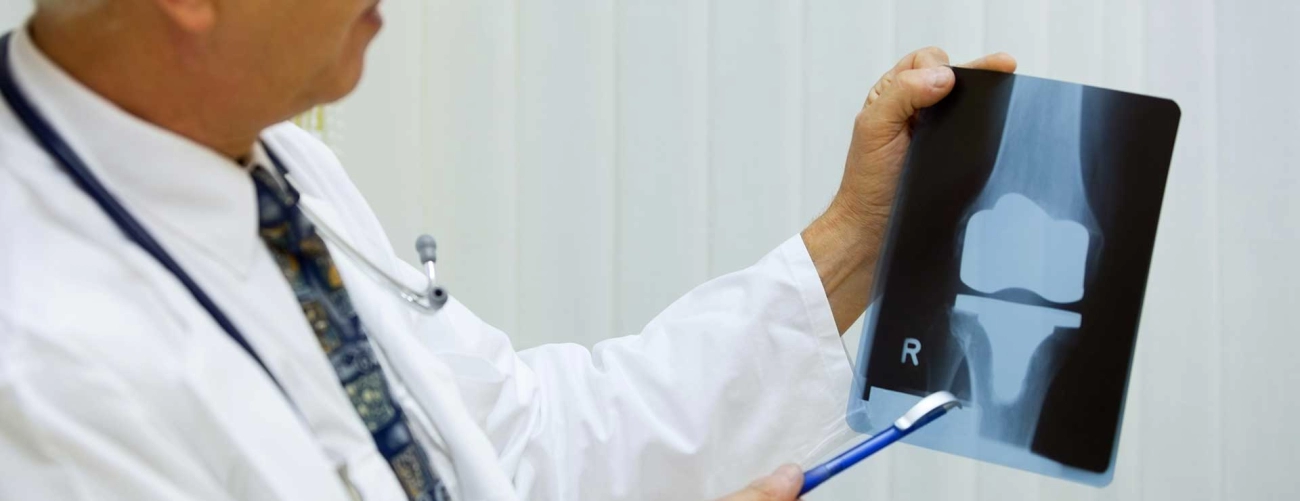
- X-rays showing severe joint damage or bone loss
- Failure of conservative treatments like pain meds, injections, or therapy
If these signs are present, a prosthetic knee replacement may offer the best chance to regain mobility and improve quality of life.
Types of Prosthetic Knee Implants
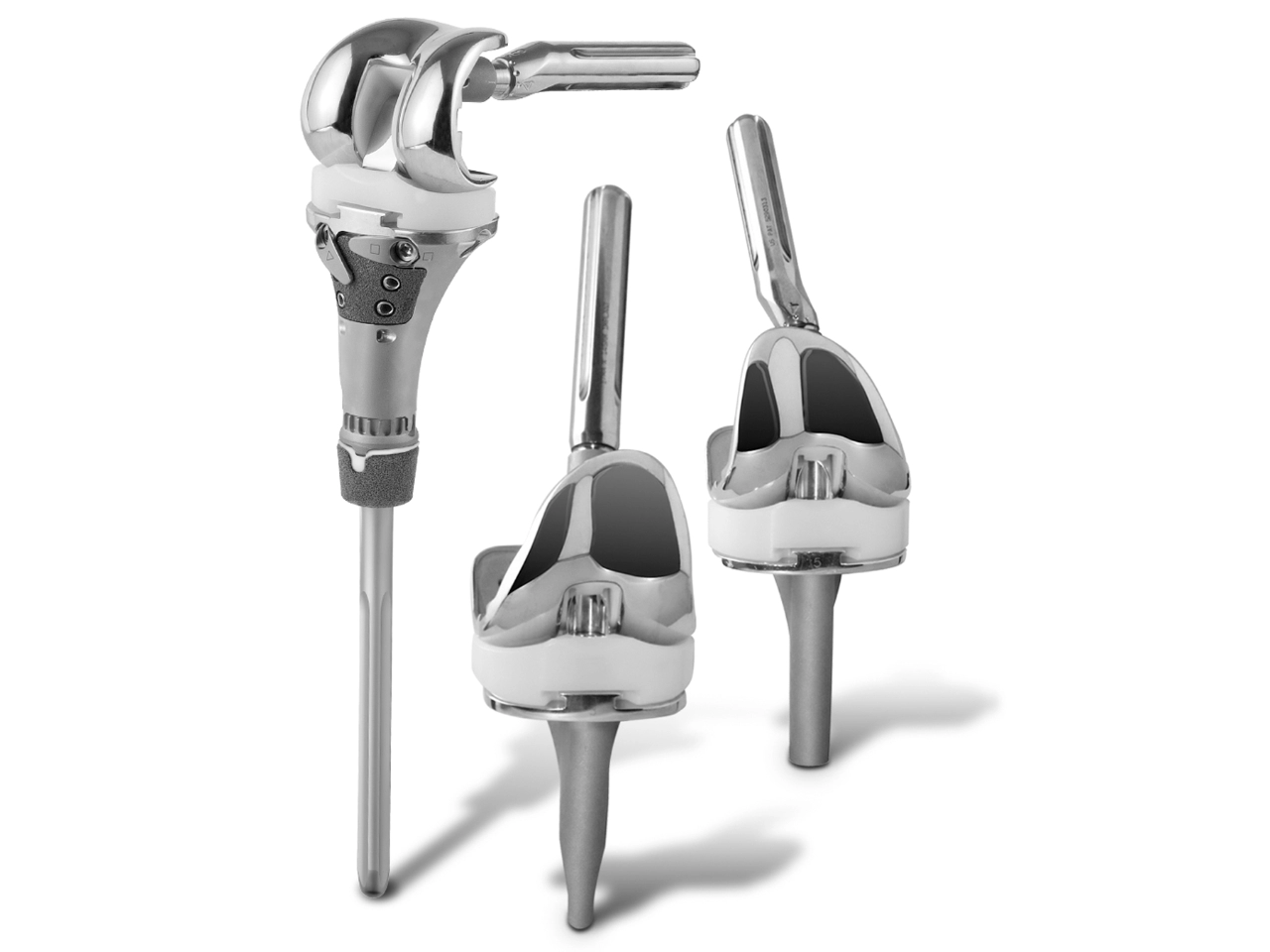
When it comes to prosthetic knee replacement, there are several types of implants designed to fit different needs and lifestyles.
Cemented vs Cementless Prosthetic Knees
- Cemented knees use a special bone cement to hold the implant firmly in place. This is common in patients with weaker bone quality.
- Cementless knees rely on the bone growing into the implant’s surface for stability, often recommended for younger, more active patients with good bone health.
Fixed-Bearing vs Mobile-Bearing Prostheses
- Fixed-bearing implants have a stationary plastic liner between the metal components, offering stability and simpler design.
- Mobile-bearing implants allow the plastic liner to move slightly, which can mimic natural knee movement better and reduce wear.
Partial Knee Replacement vs Total Knee Replacement
- Partial knee replacement cURL Too many subrequests.
- cURL Too many subrequests. cURL Too many subrequests.
cURL Too many subrequests.
- cURL Too many subrequests. cURL Too many subrequests.
- cURL Too many subrequests. cURL Too many subrequests.
cURL Too many subrequests.
cURL Too many subrequests.
- Metal alloys cURL Too many subrequests.
- Polyethylene cURL Too many subrequests.
- cURL Too many subrequests. cURL Too many subrequests.
cURL Too many subrequests.
The Knee Replacement Procedure
cURL Too many subrequests.
cURL Too many subrequests.
cURL Too many subrequests.
cURL Too many subrequests.
Benefits and Risks of Prosthetic Knee Replacement
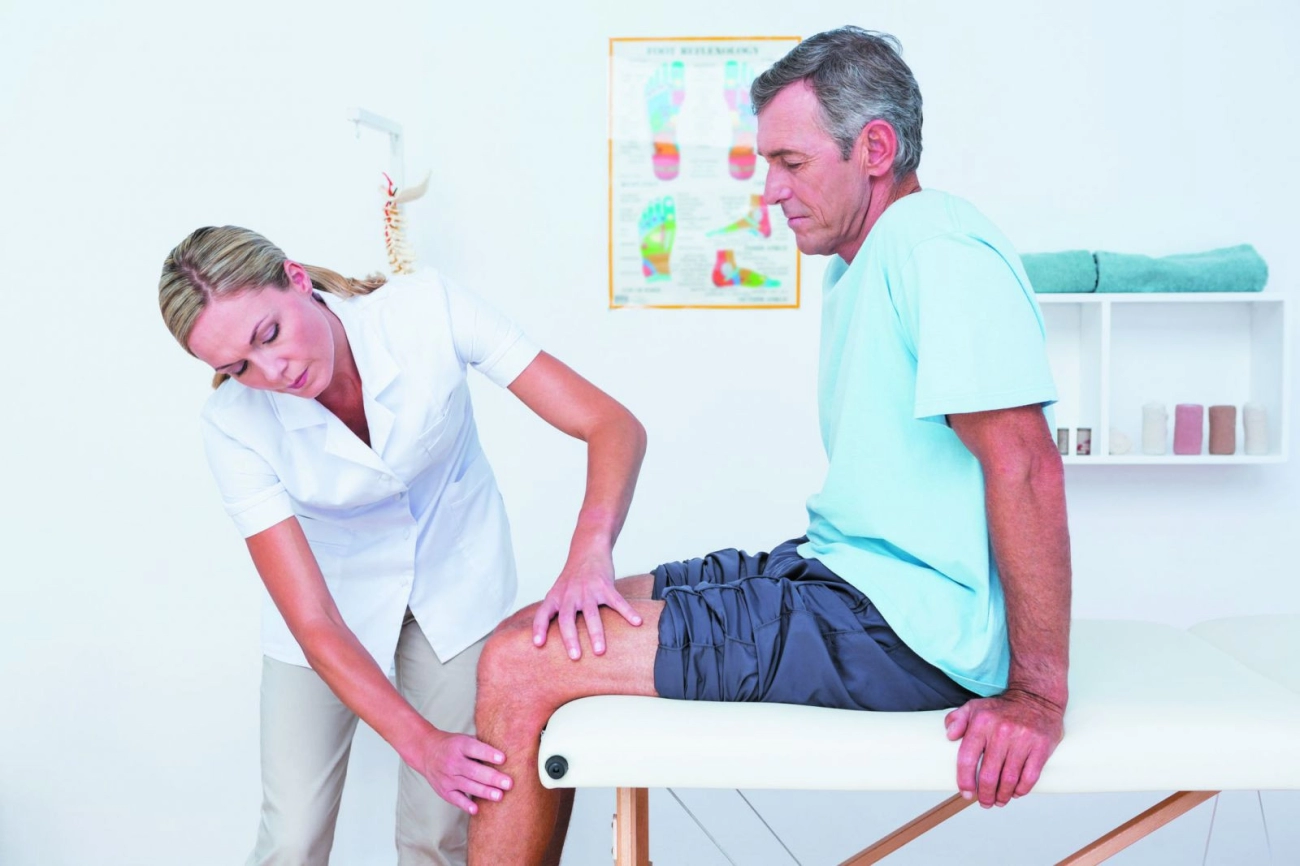
Prosthetic knee replacement offers significant benefits like pain relief and improved mobility. Most patients report a huge drop in joint pain and are able to return to daily activities with less discomfort. The new knee can restore much of the natural movement and stability lost due to arthritis or injury.
Longevity and Revision Surgery
- Most prosthetic knees last between 15-20 years depending on factors like activity level and implant type.
- Around 5-10% of patients might need revision surgery within 10-15 years due to wear or loosening.
| cURL Too many subrequests. | Average Outcome |
|---|---|
| Implant lifespan | 15 to 20 years |
| Revision surgery rate | 5-10% within 10-15 years |
| Pain relief | Significant in 85-90% of cases |
| Mobility improvement | Noticeable in most patients |
Potential Risks and Complications
While the results are generally positive, there are risks to consider:
- Infection: Can occur shortly after surgery or later; may require antibiotics or further surgery.
- Blood clots: Deep vein thrombosis (DVT) is possible but manageable with medication and movement.
- Implant loosening or wear: Over time, implants may loosen causing pain or instability.
- Nerve or blood vessel injury: Rare but serious complications.
How to Mitigate Risks
- Follow pre-op and post-op instructions carefully.
- Take prescribed blood thinners to prevent clots.
- Keep surgical area clean and report any signs of infection immediately.
- Maintain a healthy weight and stay active with recommended physical therapy.
- Regular check-ups help catch issues early before they require revision surgery.
Understanding these benefits and risks can help you make informed decisions about prosthetic knee replacement and improve your chances of a successful outcome.
cURL Too many subrequests.
After a prosthetic knee replacement, the typical hospital stay in the U.S. ranges from 1 to 3 days depending on your health and the surgery type. Immediately after surgery, you’ll receive pain management and be encouraged to start moving the knee gently to prevent stiffness and blood clots.
Physical Therapy Timeline and Exercises
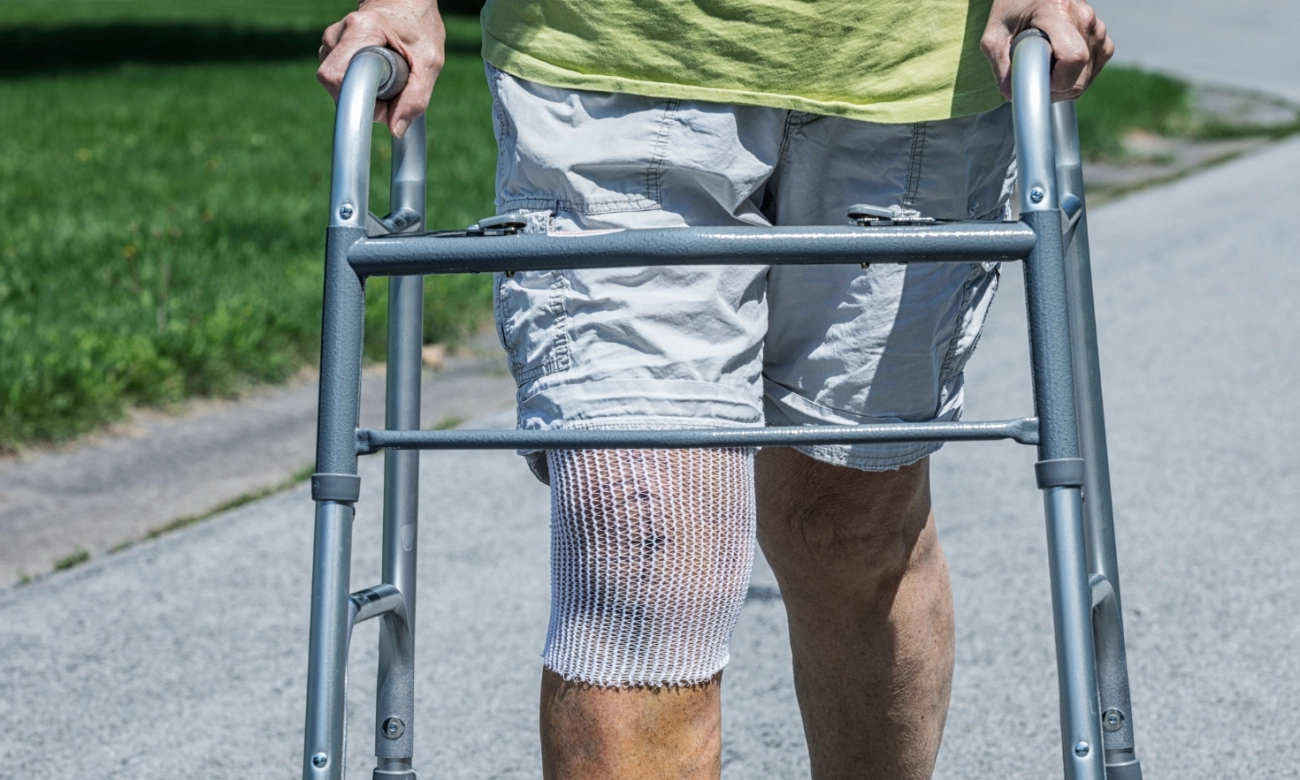
- First week: Focus on gentle range-of-motion exercises and walking with a walker or crutches.
- Weeks 2 to 6: Gradually increase strength training and balance exercises, often guided by a physical therapist.
- cURL Too many subrequests. cURL Too many subrequests.
cURL Too many subrequests.
cURL Too many subrequests.
- cURL Too many subrequests.
- cURL Too many subrequests.
- cURL Too many subrequests.
- cURL Too many subrequests.
- cURL Too many subrequests.
cURL Too many subrequests.
cURL Too many subrequests.
cURL Too many subrequests.
cURL Too many subrequests.
cURL Too many subrequests.
- cURL Too many subrequests.cURL Too many subrequests.
- cURL Too many subrequests.cURL Too many subrequests.
- cURL Too many subrequests.cURL Too many subrequests.
- Additional services: Pre-op tests, physical therapy, and post-op care add to the total bill.
Financing Options
- Many hospitals and clinics offer payment plans to help spread out costs.
- Some patients qualify for government programs like Medicaid or Medicare, which can cover part or all of the surgery.
- Nonprofits and charity assistance programs may also provide financial support for those who qualify.
If you’re planning for knee replacement surgery, understanding these cost factors upfront will help you budget and find financing options that work best for your situation.
Choosing the Right Surgeon and Healthcare Facility Locally
Finding the right surgeon for your prosthetic knee replacement is crucial. Start by looking for orthopedic surgeons in your area who specialize in knee replacement surgery. Check online reviews, hospital websites, and ask your primary care doctor for recommendations. Local experience matters—surgeons who have performed many knee replacements tend to have better outcomes.
Hospital accreditation is another important factor. Choose a facility recognized for orthopedic care, preferably one with a dedicated joint replacement center. These centers often have advanced technology and teams trained specifically for total knee arthroplasty and partial knee replacements, improving your chances for a smooth surgery and recovery.
Patient testimonials can provide insight into what to expect. Many local hospitals share success stories online or in person, which can help you feel more confident in your choice. Hearing from others who have undergone prosthetic knee replacements nearby adds a layer of trust and familiarity.
For those in the U.S., VASTS is a trusted source for finding local specialists and treatment centers known for excellent knee replacement care. Their recommendations focus on surgeons and hospitals with proven results, helping you connect with the best team for your needs.
Innovations and Future of Prosthetic Knee Replacement
The world of prosthetic knee replacement is evolving fast, thanks to exciting new technologies improving surgery and recovery for patients across the US.
Robotic-assisted surgery is one of the biggest breakthroughs. It helps surgeons place implants with greater precision, which means better alignment and longer-lasting results. Many hospitals around here are adopting this tech because it often leads to less pain and quicker recovery.
3D-printed implants are also gaining popularity. These can be customized exactly to fit your knee’s shape, including the medial and lateral condyles of the femur, making the replacement feel more natural. Custom implants mean better comfort and function after surgery.
We’re also seeing the rise of smart implants equipped with sensors. These can monitor how well the knee is working and send data to your doctor. This technology helps catch issues early, improving patient outcomes and potentially reducing the need for revision surgery.
Frequently Asked Questions About Prosthetic Knee Replacement
How long does a prosthetic knee last
Most prosthetic knees last between 15 to 20 years, depending on your activity level, weight, and overall health. Advances in materials and surgical techniques have improved durability, but some patients may need revision surgery after 15 years or more.
What activities can I do after surgery
After recovery, you can enjoy low-impact activities like walking, swimming, cycling, and golf. High-impact sports (like running or basketball) are usually discouraged to protect the implant and extend its life. Ask your doctor about what’s safe for your specific case.
Can younger patients get prosthetic knees
Yes, younger patients can have knee replacements, especially if they suffer from severe arthritis or injury. However, since they might wear out implants faster due to more activity, the surgeon may explore other options first or discuss future revision surgeries.
What pain management options are available
Pain control usually starts with medications like NSAIDs and opioids during the first few days. Many doctors also recommend nerve blocks or local anesthesia during surgery to reduce pain afterward. Physical therapy and ice therapy help manage discomfort during recovery, too.
When to consider revision surgery
Revision may be needed if you experience persistent pain, swelling, implant loosening, infection, or decreased mobility after your initial surgery. Regular check-ups help catch problems early so your doctor can plan the best course of action.
 German
  English
  Spanish (Peru)
  Korean
  Spanish (Spain)
  Italian