
Learn about sewing machine components, their functions, and maintenance tips in this beginner-friendly guide to master your sewing projects.
Why Knowing Your Sewing Machine Components Matters
Are you frustrated when your sewing machine jams or stitches don’t look right? Understanding the basic components of your sewing machine can change that. Knowing what each part does helps you troubleshoot faster, maintain your machine better, and sew with confidence.
When you recognize parts like the needle, bobbin, or presser foot, you gain control over your projects. It’s not just about fixing problems—it’s about shaping your creative process. Whether you work on quilts, clothing, or crafts, this knowledge empowers you to choose the right settings and tools for every fabric and stitch.
Plus, sewing machines have many small but essential parts. Missing out on the functions of components like the feed dogs or tension discs means missed opportunities to improve stitch quality. Getting familiar with these parts helps you avoid common mistakes and keeps your machine running smoothly longer.
So, why guess or get stuck? Understanding your sewing machine components is your first step toward sewing success and a smoother, more enjoyable creative journey. Let’s explore what makes your machine tick and how each part contributes to your masterpiece.
The Core External Components What You’ll See and Touch
The Head Arm and Bed Your Machine’s Foundation
When you first look at a sewing machine, the parts you notice most are the head, arm, and bed. These components create the frame that holds everything together and provides the space you need to work on your fabric.
- The Head is the bulk of the machine where most of the action happens. It houses the needle, thread tension, and stitch selector. This is where your sewing machine carries out its stitching functions.
- The Arm extends from the head and connects to the bed. It acts like a bridge above the work area, making it easier to maneuver fabric without obstruction.
- The Bed is the flat surface that supports your fabric while sewing. It gives you stability and often includes the needle plate (sometimes called the throat plate), which covers the feed dogs beneath.
Understanding these core parts is key because they hold all the sewing machine components you’ll use daily. Whether you’re threading a needle or changing presser feet, the head, arm, and bed form the foundation for smooth, reliable sewing.
The Core External Components What You’ll See and Touch Threading Essentials Spool Pin Tension Discs and Take-Up Lever
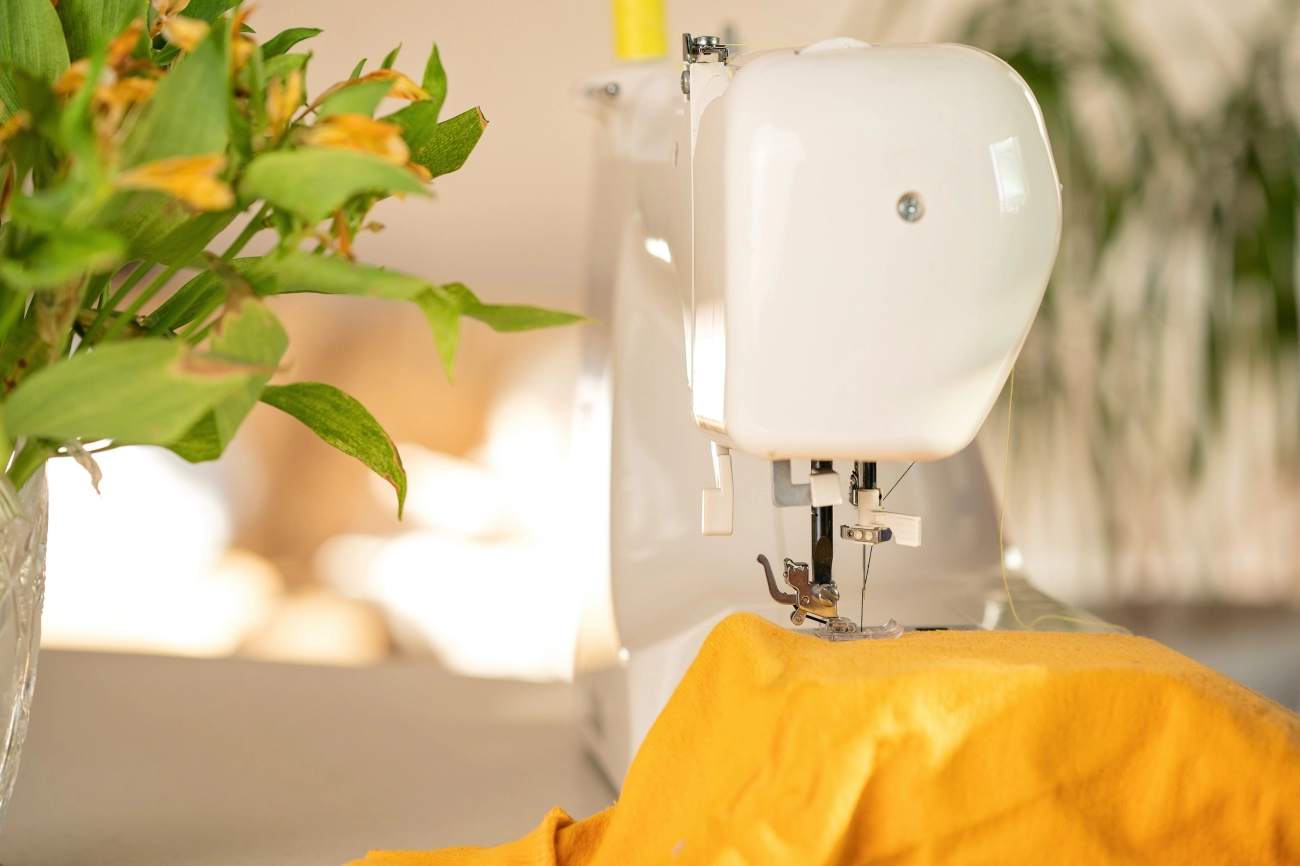
When it comes to sewing, threading your machine correctly makes all the difference. These components are your main players:
- Spool Pin: This holds your thread spool in place. You’ll find it on top or the side of the machine. It keeps the thread steady so it feeds smoothly.
- Tension Discs: These control how tight or loose your thread is as it feeds. Proper thread tension helps prevent loops or puckered fabric. Adjusting tension is simple but crucial, especially when switching fabric types.
- Take-Up Lever: This lever moves up and down as you sew, pulling thread from the spool and feeding it to the needle. You can see it clearly when you thread your machine—it needs to be threaded through to work right.
Knowing how these parts work together helps you solve common issues like thread bunching or uneven stitches. If you’re switching to a different kind of thread or fabric, checking the spool pin position and adjusting the tension discs usually does the trick. The take-up lever’s movement keeps thread flowing smoothly, so never skip threading it properly.
Understanding these threading essentials will keep your sewing smooth and your projects looking great.
The Core External Components What You’ll See and Touch Fabric Handlers Presser Foot Feed Dogs and Needle Plate
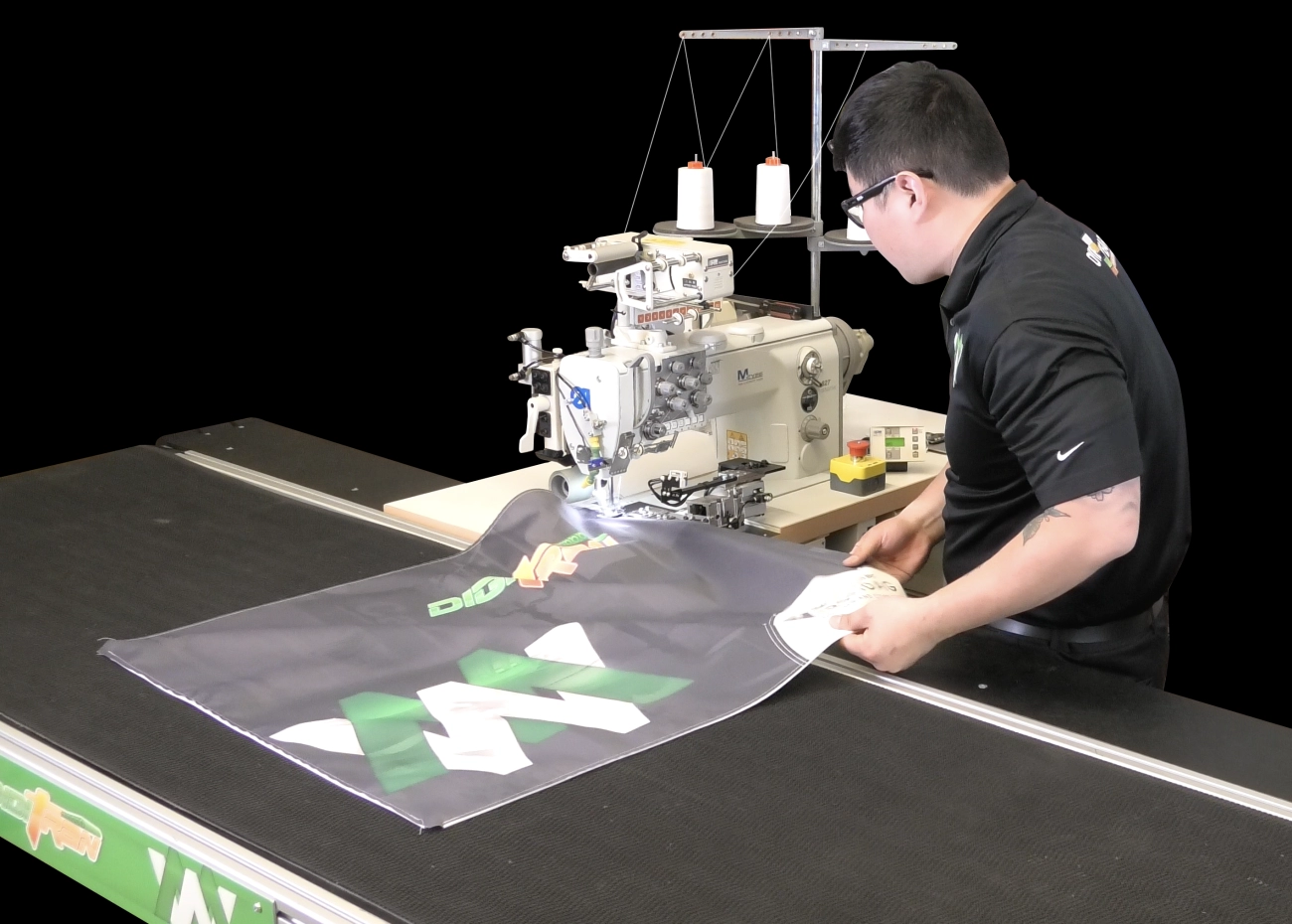
When using your sewing machine, the parts that directly contact your fabric are key. These fabric handlers make sure your material moves smoothly and stitches stay even.
Presser Foot
The presser foot holds fabric in place as you sew. There are different presser foot types for beginners—for example, all-purpose, zipper, and buttonhole feet. Choosing the right one helps with specific tasks and improves results.
Feed Dogs
Beneath the needle plate, you’ll find the feed dogs—small metal teeth that pull your fabric through while sewing. They move up and down, grabbing fabric and pushing it forward. Keeping feed dogs clean and maintained prevents fabric jams and uneven stitching.
Needle Plate
Also called the throat plate, this flat metal surface has a hole where the needle drops to catch the bobbin thread. It guides the fabric and supports smooth stitching. Regular throat plate cleaning is important to avoid lint buildup.
Together, these fabric handlers work to keep your sewing experience steady and accurate. Knowing how they function and keeping them clean ensures better stitch quality and fewer hiccups.
Internal Powerhouse Motors Bobbins and Stitch Controls The Heart of the Stitch Needle Bobbin and Hook Shuttle
Inside every sewing machine, the real magic happens around three key parts: the needle, the bobbin, and the hook shuttle. These components work together to create the stitches that hold your fabric together.
- Needle: This is the part that moves up and down, piercing the fabric and carrying the upper thread through to form a stitch. Knowing the functions of sewing machine needle helps you pick the right needle for your fabric type and thickness.
- cURL Too many subrequests.cURL Too many subrequests. cURL Too many subrequests. cURL Too many subrequests.
- cURL Too many subrequests.cURL Too many subrequests.
cURL Too many subrequests.
cURL Too many subrequests. cURL Too many subrequests. cURL Too many subrequests.
cURL Too many subrequests.
cURL Too many subrequests. cURL Too many subrequests. cURL Too many subrequests.
cURL Too many subrequests. cURL Too many subrequests. cURL Too many subrequests.
cURL Too many subrequests. cURL Too many subrequests. cURL Too many subrequests.
cURL Too many subrequests.
Maintenance and Troubleshooting Keeping Components in Top Shape Daily Care Routines for Longevity
Taking care of your sewing machine components daily helps keep everything running smooth and extends your machine’s life. Here’s a simple routine to follow:
- Clean the Needle Plate and Feed Dogs: Dust and lint build up fast around the needle plate and feed dogs. Use a small brush or vacuum attachment to clear these every time you finish sewing. This stops fabric from snagging and keeps feed dogs moving properly.
- Check and Replace the Needle Often: Needles dull or bend with use. Swap out your needle after every project or if you notice skipped stitches. This prevents damage to your fabric and machine parts.
- Wipe Down the Machines Exterior: Dust settles on the head and arm. A quick wipe keeps the external components clean and prevents buildup around important areas like the spool pin and tension discs.
- Keep Thread Tension Balanced: Check your thread tension discs regularly. If your stitches look loose or tight, adjust the tension dial for a clean stitch every time.
- Oil Moving Parts Sparingly: Machines from China or factory-made models often come ready to go with pre-lubricated parts. Still, it’s good to oil the bobbin case and hook shuttle lightly if recommended by your manual to avoid wear.
- Store Your Machine Covered: Dust and moisture are enemies. When not in use, cover your machine to protect the internal powerhouse motors and delicate components.
Sticking to these daily care steps ensures your sewing machine components from the balance wheel to the presser foot stay in top shape. It saves you time troubleshooting later and keeps your projects sewing like new.
Maintenance and Troubleshooting Keeping Components in Top Shape Common Issues and Fixes by Component
Knowing common problems and how to fix them quickly keeps your sewing machine running smoothly. Here’s a simple breakdown by component to help you troubleshoot:
Needle
- Issue: Skipped stitches or broken thread
- cURL Too many subrequests. Replace bent or dull needles. Use the right size and type for your fabric.
Bobbin and Bobbin Case
- Issue: Thread bunching or machine jamming
- cURL Too many subrequests. Rewind the bobbin evenly. Clean out lint from the bobbin case regularly. Check for proper bobbin case replacement if damaged.
Presser Foot
- Issue: Fabric not feeding evenly
- cURL Too many subrequests. Ensure the presser foot is lowered. Use the correct presser foot type for your project and check for any damage.
Feed Dogs
- Issue: Fabric won’t move or feeds unevenly
- cURL Too many subrequests. Clean feed dogs frequently to remove lint. Adjust feed dog height if your machine allows. Avoid sewing thick layers without proper adjustments.
Thread Tension Discs and Take-Up Lever
- Issue: Loose or tight stitches, thread breakage
- cURL Too many subrequests. Adjust thread tension settings gradually. Clean tension discs to remove thread dust and lint.
Balance Wheel and Stitch Selector Dial
- Issue: Machine won’t start or stitch pattern won’t change
- cURL Too many subrequests. Make sure the balance wheel moves smoothly. Reset the stitch selector dial properly. Check foot pedal connection for electrical issues.
Regularly cleaning and inspecting these key components prevents small issues from turning into big repairs. If problems persist after basic fixes, consulting a professional or referring to your sewing machine parts diagram can save time and hassle.
Choosing and Upgrading Components for Your Needs
Picking the right sewing machine components can make a big difference in your sewing experience. Whether you’re just starting or upgrading, knowing which parts match your style and projects matters.
Consider Your Sewing Goals
- Type of Fabric: If you often sew heavy fabrics like denim or leather, look for stronger presser feet and needles designed for tough materials.
- Project Complexity: For intricate designs, upgrading to a more precise stitch selector or a better needle plate can help you get clean, accurate stitches.
- Speed Needs: cURL Too many subrequests.
cURL Too many subrequests.
- cURL Too many subrequests. cURL Too many subrequests.
- cURL Too many subrequests. cURL Too many subrequests.
- cURL Too many subrequests. cURL Too many subrequests.
- cURL Too many subrequests. cURL Too many subrequests.
cURL Too many subrequests.
cURL Too many subrequests.
Final Tips
- cURL Too many subrequests.
- cURL Too many subrequests.
- cURL Too many subrequests.
cURL Too many subrequests.
 German
  English
  Spanish (Peru)
  Korean
  Spanish (Spain)
  Italian