
Discover expert stainless steel CNC machining insights on grades, processes, challenges, and costs for precision corrosion-resistant parts and prototypes.
Key Properties of Stainless Steel That Make It Ideal for CNC Machining
Stainless steel stands out as a top choice for CNC machining because of its unique blend of core properties. These attributes not only ensure durability but also maximize precision and efficiency during manufacturing.
Core Stainless Steel Attributes
- Corrosion ResistanceStainless steel naturally resists rust and corrosion, making it perfect for parts exposed to moisture, chemicals, or harsh environments.
- Tensile StrengthIts high tensile strength means stainless steel parts can endure heavy loads and stress without deforming, ideal for functional and structural components.
- Heat ToleranceStainless steel handles elevated temperatures well, maintaining performance and strength even in demanding heat applications.
- MachinabilityModern stainless steel grades offer good machinability when paired with the right tools and cutting parameters, allowing precise shaping without excessive tool wear.
Stainless Steel Compared to Aluminum and Carbon Steel
| Property | cURL Too many subrequests. | cURL Too many subrequests. | Carbon Steel |
|---|---|---|---|
| cURL Too many subrequests. | Excellent | cURL Too many subrequests. | Poor |
| Tensile Strength | High | cURL Too many subrequests. | High |
| Heat Tolerance | High | Low to Moderate | cURL Too many subrequests. |
| Machinability | Moderate (varies by grade) | Excellent | Good |
| cURL Too many subrequests. | Moderate to High | Low | Low |
Why CNC Delivers Uniformity and Precision
CNC machining stainless steel offers consistent precision and repeatability. The computer-controlled process ensures every part matches exact specifications, reducing waste and rework. This uniformity is critical for stainless steel components where tight tolerances and surface finishes affect performance.
Enhancing Machining with Flood Coolant Systems
Using a flood coolant system during stainless steel CNC machining plays a crucial role in:
- Reducing heat buildupCoolant keeps the cutting tool and material temperature low, preventing work hardening and tool damage.
- Improving yield ratesProper cooling extends tool life and maintains machining accuracy, increasing the percentage of quality parts per batch.
In , stainless steel’s corrosion resistance, strength, heat tolerance, and machinability combined with precise CNC machining and advanced cooling techniques make it a dependable material for producing high-quality, long-lasting parts.
Common Stainless Steel Grades for CNC Projects Selection Guide
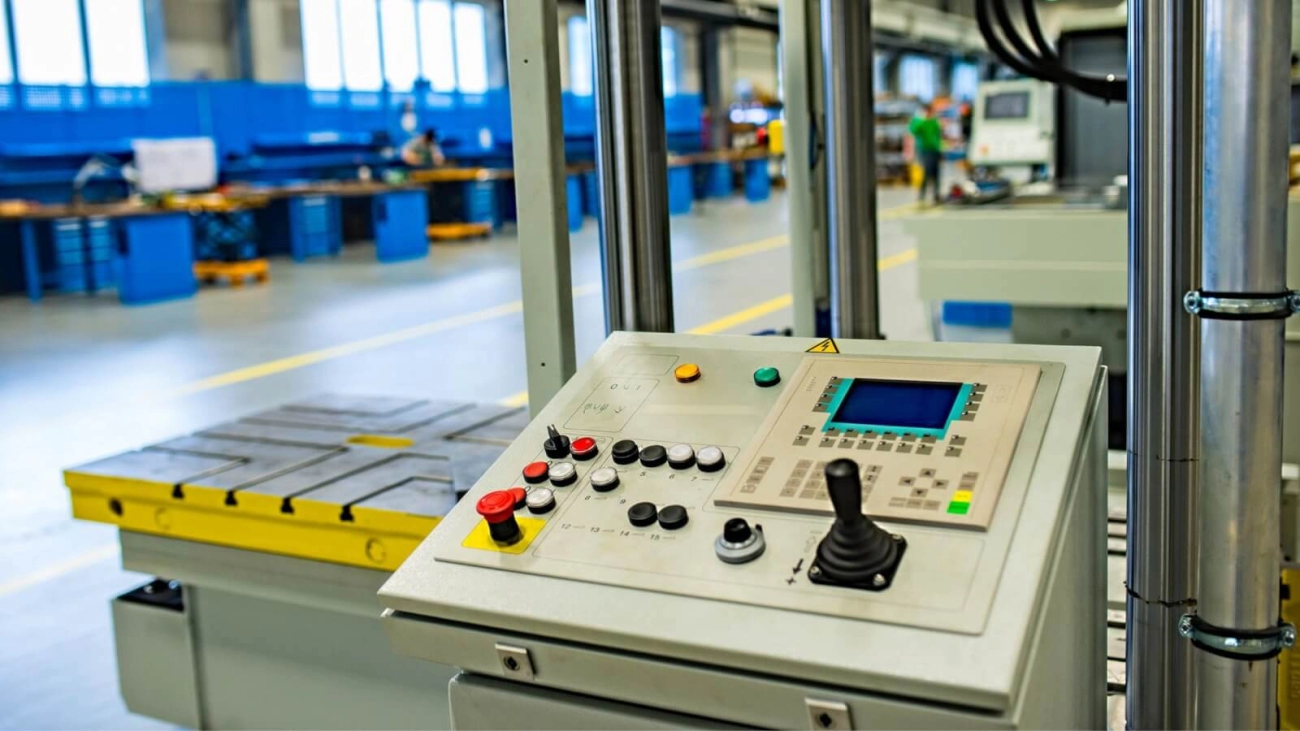
When choosing stainless steel CNC materials, knowing the right grade for your project is key. Each has unique features that impact machining and application.
Austenitic Grades 304, 304L, 316, 316L
- 304 and 304L are the most common. They offer excellent corrosion resistance, good tensile strength, and are easy to machine. Ideal for food processing and automotive parts.
- 316 and 316L improve corrosion resistance further with added molybdenum, great for medical implants and marine environments. Machining 316 requires slower speeds due to work hardening.
Martensitic Grades 410, 420
- These grades are harder and stronger thanks to their heat treatable nature.
- 410 is good for knives, valves, and shafts with moderate corrosion resistance.
- 420 offers higher hardness, suitable for surgical tools and bearings, but is tougher to machine.
Ferritic Grade 430
- Known for moderate corrosion resistance and good formability.
- Typically used in automotive trim and appliances.
- Easier to machine than martensitic grades but less corrosion resistant than austenitic.
Precipitation Hardening 17-4 PH
- A favorite in aerospace and high-strength applications.
- Combines excellent strength, corrosion resistance, and good machinability.
- cURL Too many subrequests.
cURL Too many subrequests.
cURL Too many subrequests.
- cURL Too many subrequests. cURL Too many subrequests.
- cURL Too many subrequests. cURL Too many subrequests.
- cURL Too many subrequests. cURL Too many subrequests.
- cURL Too many subrequests. cURL Too many subrequests.
cURL Too many subrequests.
cURL Too many subrequests.
cURL Too many subrequests.
Preparation
- cURL Too many subrequests.cURL Too many subrequests.
- cURL Too many subrequests.cURL Too many subrequests.
- Tool selectioncURL Too many subrequests.
Execution
- cURL Too many subrequests.: Stainless steel CNC operations usually involve milling or turning. Controlling speeds and feeds is critical to avoid work hardening.
- Optimal speeds and feeds: Running at the right RPM and feed rates improves cut quality and tool life. Avoid running too fast to reduce heat buildup.
Finishing
- Deburring and polishing: After machining, parts are deburred to remove sharp edges and polished to meet surface finish requirements.
- Heat treatment: This step can improve hardness and strength, especially for grades like 17-4 PH.
Advanced Techniques
- 5-axis CNC machining: Allows for complex shapes and angles in a single setup.
- Hybrid laser cutting: Combines laser and CNC for precision cuts with less material stress.
Coolant Use for Tool Life
- cURL Too many subrequests. flood coolant system is crucial. It lowers heat, prevents tool wear, and maintains consistent yields during stainless steel CNC machining.
These steps combine to produce precision stainless steel parts with consistent quality and longer tool lifespan.
Challenges in Stainless Steel CNC Machining and Proven Solutions
Machining stainless steel with CNC comes with some challenges, but knowing the right fixes makes all the difference. Here’s what I’ve seen as the biggest hurdles and how to handle them:
Work Hardening and Heat Buildup
- Problem: Stainless steel tends to harden quickly when cut, making the next pass tougher. Add heat buildup from friction, and tools wear out fast.
- Solutions:
- Use sharp, high-quality carbide tools designed for stainless steel CNC milling or turning.
- Reduce cutting speeds and increase feed rates to avoid overheating.
- Employ flood coolant systems to keep temperatures down and flush away chips.
Tool Wear and Chatter Issues
- Problem: Tool wear from stainless’s toughness causes rough finishes. Chatter—vibrations during cutting—leads to poor precision and shortened tool life.
- Solutions:
- Choose tools with coatings like TiAlN or TiCN to improve durability.
- Optimize tool paths and use rigid workholding setups to minimize vibrations.
- Consider variable pitch tools or dampeners to reduce chatter.
Cost Factors and Optimization
- Stainless steel CNC parts can cost more due to slower machining and increased tool replacement.
- How to keep costs in check:
- Design parts with manufacturability in mind—avoid overly tight tolerances where not needed.
- Collaborate with local stainless steel CNC machine shops in the U.S. to cut on shipping and lead times.
- Use instant quoting tools to compare prices and specs before committing.
Local User Tips and Shop Vetting
- Always check CNC shops for proper certifications, like ISO or AS9100, especially for aerospace or medical-grade stainless steel projects.
- Ask for references or samples of past stainless steel CNC work.
- Visit shops if possible to see their machines, tooling setups, and coolant systems in action.
- Local shops often offer faster turnaround and better communication for custom stainless steel projects.
By addressing these key issues—work hardening, tool wear, cost optimization, and careful shop selection—you’ll get better results and value from your stainless steel CNC machining projects.
Real World Applications and Industry Use Cases
Stainless steel CNC machining plays a big role across many industries here in the U.S. Its strength, corrosion resistance, and precision make it a go-to material for complex parts.
Aerospace
cURL Too many subrequests.
cURL Too many subrequests.
cURL Too many subrequests.
cURL Too many subrequests.
cURL Too many subrequests.
Emerging Technologies
cURL Too many subrequests.
cURL Too many subrequests.
cURL Too many subrequests.
cURL Too many subrequests.
cURL Too many subrequests.
cURL Too many subrequests.
- Material costs: cURL Too many subrequests.
- cURL Too many subrequests. cURL Too many subrequests.
- Tooling: cURL Too many subrequests.
cURL Too many subrequests.
- cURL Too many subrequests. cURL Too many subrequests.
- cURL Too many subrequests. cURL Too many subrequests.
- Optimize batch size: Larger runs mean better tooling and setup costs per piece.
- cURL Too many subrequests. Allow standard tooling sizes and finish requirements to cut down on custom setups.
- Work with local CNC shops: Instant quoting tools and nearby facilities help you compare costs quickly while reducing shipping time and expenses.
By focusing on these strategies, you get the value proposition every manufacturer wants—high-quality stainless steel CNC parts that meet your budget and deadlines. For US customers, local factories with instant quoting systems offer a fast, transparent way to manage cost and lead times efficiently.
 German
  English
  Spanish (Peru)
  Korean
  Spanish (Spain)
  Italian