
Wax Injection Machine Buying Guide Features Benefits and Prices
Discover top-quality wax injection machines with precision moulding, automatic control, and durable design perfect for jewellery and industrial use.
If you’re in the market for a wax injection machine, you already know how crucial precision and efficiency are in industries like jewellery making, dental laboratories, or manufacturing. But with so many options out there—from manual to fully automatic—how do you choose the right machine that fits your needs and budget? In this guide, you’ll get the lowdown on what makes a top-notch wax injection machine, why it matters for your workflow, and how choosing the right one can save you time and money. Ready to find out which machine matches your production goals? Let’s jump in!
What is a Wax Injection Machine
A wax injection machine is a specialised device used to create precise wax patterns by injecting molten wax into moulds. These wax patterns serve as the foundation for casting products in industries like jewellery, dental prosthetics, and industrial manufacturing. The core function of a wax injection machine is to produce detailed, consistent wax models quickly and accurately.
The operation of a wax injection machine follows a simple process: wax is heated until it melts, then injected under pressure into a mould cavity. Once the wax cools and solidifies, the mould opens, and the finished wax pattern is ejected. This method ensures uniformity and sharp detail in each wax piece.
Key components of a wax injection machine include:
- Wax Melting Chamber where wax is heated to a specific temperature
- Injection Cylinder or Pump that pushes molten wax into moulds
- Mould Clamping System to hold moulds securely during injection
- Control Panel for adjusting temperature, pressure, and cycle times
- Ejection Mechanism to release finished wax patterns safely
Together, these parts enable reliable and efficient wax moulding, essential for producing high-quality wax models for various applications.
Types of Wax Injection Machines

There are three main types of wax injection machines: manual, semi-automatic, and fully automatic. Each serves different needs depending on your production scale and budget.
Manual Wax Injection Machines
These are basic machines operated by hand, perfect for small workshops or startups. They’re affordable and simple but require more time and effort. Manual wax injectors are great for custom pieces or low-volume jobs but not ideal for mass production.
Semi-Automatic Wax Injection Machines
Semi-automatic machines offer a good balance. They automate some parts of the process, like injection and cooling, while still needing some operator control. They boost efficiency and consistency compared to manual models and suit small to mid-sized businesses.
Fully Automatic Wax Injection Machines
These are designed for high-volume production. Fully automatic wax injection machines handle the entire process with minimal operator input. They offer fast cycle times, high precision, and repeatability, making them ideal for large manufacturers in jewellery, dental, or industrial use.
Comparative Analysis
| Machine Type | Advantages | Disadvantages | Ideal Use Case |
|---|---|---|---|
| Manual | Low cost, simple to use | Slow, labour-intensive | Small workshops, custom work |
| Semi-Automatic | Improved speed and consistency | Higher cost than manual | Medium production volume |
| Fully Automatic | Fast, precise, minimal labour | Expensive, complex setup | Large-scale manufacturing |
Applications of Wax Injection Machines
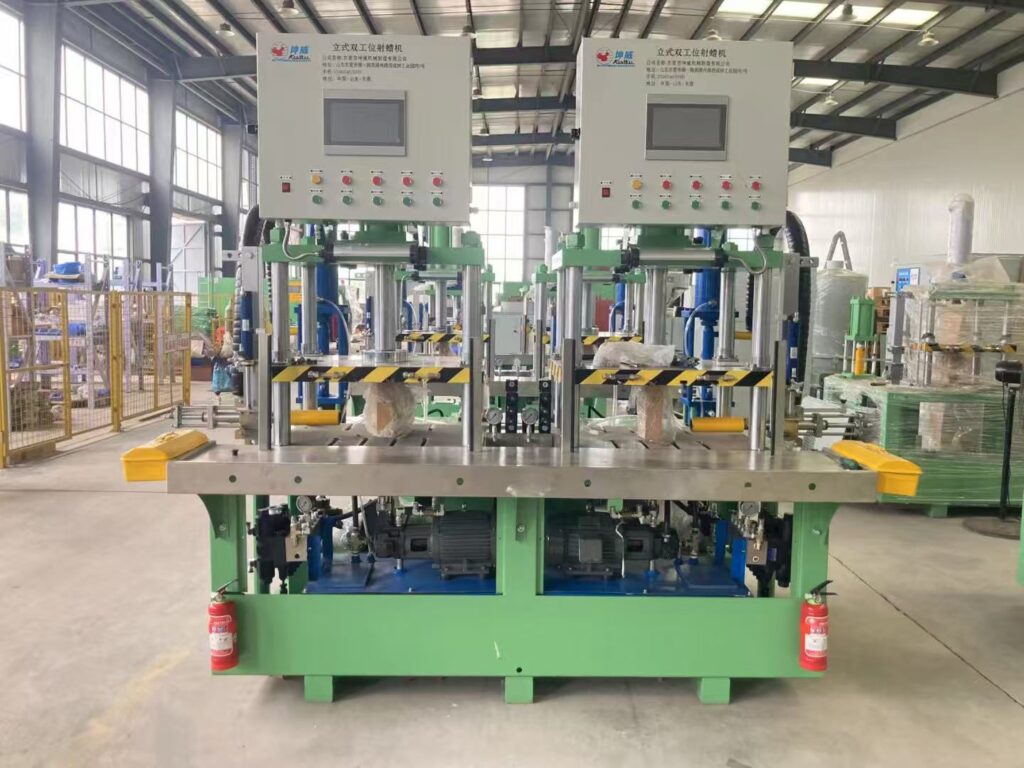
Wax injection machines are incredibly versatile and find use across several industries in the United Kingdom. Here’s where they make a big impact:
- Jewellery ManufacturingThe most common use of wax injection machines is in jewellery making. They create highly detailed wax patterns that serve as the base for casting precious metals. This process helps jewellers produce consistent, high-quality pieces efficiently.
- Dental Modelling and ProstheticsDental labs rely on wax injection for creating precise dental moulds, crowns, bridges, and prosthetic patterns. The accuracy and repeatability help dental professionals deliver better-fitting appliances to patients.
- Industrial Prototyping and ManufacturingIn industrial settings, wax injection machines produce intricate prototypes and parts used for investment casting. This is especially useful in aerospace, automotive, and heavy machinery sectors where complex metal components are needed.
- Arts and CraftsWax injection isn’t limited to industrial uses. Artists and craft makers use wax injection machines to create custom moulds and sculptures, allowing for intricate designs and repeatable patterns in various projects.
Each of these applications benefits from the wax injection moulding process’s ability to deliver precision, efficiency, and consistency, making these machines a valuable asset for businesses and creative professionals alike.
Key Features to Look For in a Wax Injection Machine
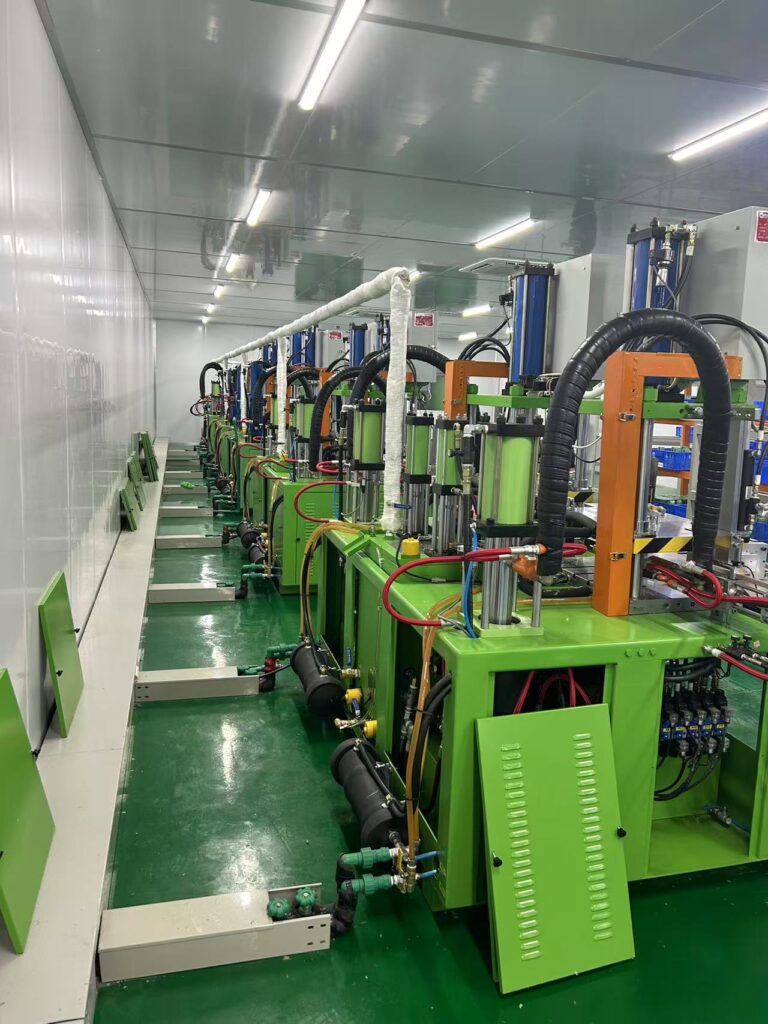
When choosing a wax injection machine, focusing on the right features can make a big difference in your output and ease of use. Here’s what to keep an eye on:
Precision and Moulding Capability
- Accurate wax pattern details
- Consistent repeatability for uniform products
- Ability to handle fine designs, especially important for jewellery and dental uses
Injection Pressure and Temperature Controls
- Adjustable pressure for different wax types
- Reliable temperature settings to avoid wax defects
- Stable controls for smooth, bubble-free injection
Cycle Time and Productivity Rates
- Fast injection cycles to boost production
- Short cooling and mould release times
- Suitable for your expected production volume
Size and compatibility with wax types and materials
- Machine size matching your workspace
- Supports various wax compositions (soft, hard, blend)
- Flexible mould size options for different product sizes
Durability and ease of maintenance
- Robust build to withstand daily use
- Simple cleaning and maintenance routines
- Easy access to parts for quick repairs
Energy consumption and sustainability considerations
- Energy-efficient models to reduce power costs
- Machines designed to minimise wax waste
- Support for eco-friendly wax materials when possible
| Feature | What to Look For | Why It Matters |
|---|---|---|
| Precision | High repeatability, fine detail | Better product quality |
| Pressure & temperature | Adjustable and stable controls | Fewer defects, consistent cycles |
| Cycle Time | Fast injection, cooling, mould release | Increased output |
| Size & Wax Compatibility | Matches workspace and wax types | Flexibility in production |
| Durability & Maintenance | Strong build, easy upkeep | Long-term reliable operation |
| Energy & Sustainability | Low power use, waste reduction | Cost savings and eco-friendliness |
This checklist helps ensure you pick a wax injection machine that fits your specific needs while keeping production efficient and cost-effective.
Benefits of Using a Wax Injection Machine
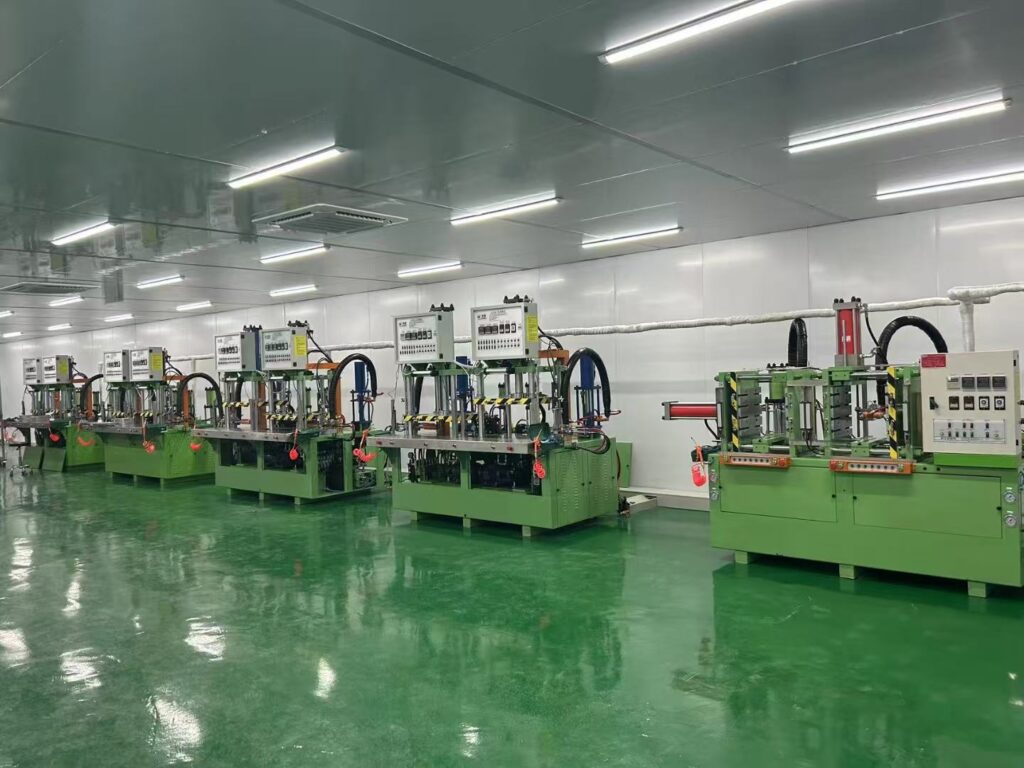
Using a wax injection machine offers several key advantages that can greatly improve your production process:
- Enhanced Precision and RepeatabilityWax injection machines deliver consistent, high-detail wax patterns every time. This precision is tough to match with manual methods, ensuring reliable moulds for casting.
- Time and Labour Efficiency ImprovementsAutomating wax injection cuts down the time needed for each cycle and reduces manual labour. This means faster production and less hands-on work.
- Reduced Material WasteThese machines control wax flow exactly, minimising excess wax and trimming errors. You’ll see less scrap and better material use overall.
- Consistency in Production QualityWith precise temperature and pressure controls, every wax pattern stays uniform, helping maintain high product quality and reducing rejects.
- Cost-Effectiveness Over Traditional Methods
| Benefit | How It Helps You |
|---|---|
| Reduces manual labour | Saves labour costs and accelerates production |
| Minimises errors | Less wasted material results in lower expenses |
| Enhances quality | Limits rework and improves final output |
| Boosts output | Faster cycle times increase overall volume |
Overall, a wax injection moulding machine is a smart investment for anyone aiming to streamline wax pattern production without compromising quality. It is suitable for jewellery, dental, and industrial applications where precision and efficiency are paramount.
How to Choose the Right Wax Injection Machine for Your Requirements
Selecting the appropriate wax injection machine depends on matching it with your specific production needs and budget. Consider the following:
Evaluate Your Production Scale and Volume
- Small scale: Manual or semi-automatic machines are suitable for low-volume jobs.
- Medium to large scale: Fully automatic machines enhance productivity and reduce labour costs.
- Future growth: Plan for upgrades if you anticipate your production expanding.
Budget and Return on Investment
- Establish a clear budget covering purchase, operation, and maintenance costs.
- Evaluate how quickly the machine will pay for itself through labour and material efficiency savings.
- Remember, cheaper machines may incur higher costs in downtime and repairs.
After-Sales Support and Local Servicing
- Look for brands with reliable customer service close to your location in the United Kingdom.
- Local technicians can reduce downtime with faster repairs.
- Check if the manufacturer offers training and troubleshooting assistance.
Warranty and Spare Parts Availability
- Choose machines with solid warranty terms covering key components.
- Ensure spare parts are readily available and affordable.
- Inquire about service packages or extended warranties for peace of mind.
Compatibility with Existing Equipment
- Ensure the wax injection machine fits your workspace and integrates with your workflow.
- Verify it can handle the specific wax types and mould sizes you use.
- Check electrical and power requirements match your facilities.
| Consideration | Questions to Ask |
|---|---|
| Production volume | What is your daily or weekly output target? |
| Budget | What is your total budget for purchase and maintenance? |
| Support | Is local customer service accessible? |
| Warranty | What coverage does the warranty provide? |
| Spare Parts | Are replacement parts easy to get? |
| Compatibility | Does it fit with your existing processes and materials? |
Selecting the right wax injection machine can save you time, reduce costs, and improve product quality—making these factors key in your decision.
Maintenance and Troubleshooting Tips
Keeping your wax injection machine in good shape is essential for smooth operation and long service life. Here’s a quick checklist to help with routine maintenance:
- Clean regularly: Remove wax residue from the injection chamber and moulds after each use to prevent clogging.
- Check seals and hoses: Inspect for cracks or leaks that can affect pressure or temperature control.
- Lubricate moving parts: Apply lubricant as recommended by the manufacturer to avoid wear and tear.
- Monitor temperature settings: Ensure heating elements work properly to keep wax at the right consistency.
- Test pressure gauges: Confirm injection pressure stays within specified limits for consistent mould filling.
- Inspect electrical components: Look for loose wires or damaged parts that might cause machine downtime.
Common problems you might face include inconsistent wax flow, uneven mould filling, or machine overheating. Most issues can be fixed by:
- Cleaning blocked nozzles or channels
- Resetting or recalibrating temperature and pressure controls
- Replacing worn seals or faulty sensors
- Verifying power supply stability
If problems persist, don’t delay professional servicing. Timely support prevents bigger breakdowns and costly repairs, keeping your production line running smoothly.
Where to Buy Wax Injection Machines Local Support Focus on UK Customers
When looking to buy a wax injection machine, you have several options in the UK. You can purchase directly from manufacturers, through online distributors, or visit local dealers who specialise in wax injector machines. Buying locally often means quicker service, easier access to spare parts, and better support.
Many reputable suppliers have service centres or distributors right here in the UK, offering fast maintenance and technical help. This is a big plus if you want to avoid long wait times or costly shipping for repairs.
To make sure you are dealing with an authentic supplier:
- Check customer reviews and testimonials.
- Verify business licences and certifications.
- Ask for references or examples of past sales.
- Avoid deals that seem too good to be true or require full payment upfront without a contract.
Several suppliers also offer financing or leasing options, making it easier to invest in automatic or manual wax injection moulding machines without a large upfront cost. These terms can be especially helpful for small businesses or startups in jewellery or dental wax modelling industries.
Frequently Asked Questions FAQs
What materials can be used with wax injection machines?
Wax injection machines mainly use speciality waxes designed for moulding, like jewellery wax or dental modelling wax. These waxes melt easily and flow well, making them perfect for detailed patterns. Some machines can handle different wax blends, including paraffin-based or synthetic waxes, depending on your project.
How much does a wax injection machine cost?
Prices vary a lot depending on type and features. Manual wax injection machines can start around £1,000 to £3,000, while semi-automatic and fully automatic models range from £5,000 up to £30,000 or more. Costs depend on size, precision, and automation level, so it’s best to match the machine to your specific needs and budget.
What is the average lifespan of a wax injection machine?
With proper maintenance, most wax injection machines last 10 to 15 years or longer. Regular care like cleaning, lubrication, and timely servicing helps keep everything running smoothly and extends the machine’s working life.
Can wax injection machines be customised?
Yes, many manufacturers offer customisation to suit your production needs. This can include mould size adjustments, automation options, or specialised controls for pressure and temperature. Custom machines are especially useful in industries like jewellery or dental laboratories with unique requirements.
How long does it take to learn to operate a wax injection machine?
Basic operation skills typically take a few hours to a couple of days to learn, especially with user-friendly manual or semi-automatic models. Fully automatic machines may require more training to handle programming and troubleshooting, but most operators become proficient within a week. Manufacturer training and user manuals usually make learning easier.
 English
  Chinese
  Spanish (Peru)
  German
  Korean
  Spanish (Spain)
  Italian