
Discover precision CNC milling with high accuracy tight tolerances advanced multi-axis machining and expert prototyping for diverse industries.
What Is Precision CNC Milling The Fundamentals Explained
Precision CNC milling is a manufacturing process that uses computer-controlled machines to cut and shape materials with extreme accuracy. At its core, CNC (Computer Numerical Control) milling transforms digital designs into physical parts by removing material from a workpiece in a controlled, precise manner. This method is widely used in industries where tight tolerances and consistent quality are essential.
Core Definition and Process Overview
The process begins with a digital design, usually created in CAD (Computer-Aided Design) software. This design is then converted into G-code, the language that CNC machines understand, telling the machine exactly how to move, what tools to use, and how much material to remove. The CNC milling machine executes these instructions by spinning cutting tools against the workpiece, carving out the desired shape from metals, plastics, or other materials.
Key Components of a CNC Milling Machine
A typical precision CNC milling machine consists of several critical parts:
- Control Unit: Interprets the G-code and directs machine movements.
- Spindle: Holds and rotates cutting tools at high speeds.
- Axes (usually 3 to 5-axis): Control the position of the cutting tool relative to the workpiece, enabling complex shapes.
- Worktable: Secures the material in place during machining.
- Tool Changer: Automatically switches tools during multi-step processes for efficiency.
How Precision Is Achieved: Tolerances and Quality Control
Precision in CNC milling depends on several factors:
- Tolerances: Defined limits for variation in a part’s dimensions, often measured in thousandths of an inch (mils). Precision CNC milling can reliably achieve tight tolerances, sometimes within +/- 0.001 inches.
- Quality Control: Inspections using coordinate measuring machines (CMM), laser scanners, and other metrology tools ensure parts meet specifications.
- Machine Calibration: Regular maintenance and calibration of machines minimise errors.
- Tooling: High-quality cutting tools and consistent tool wear monitoring prevent deviations that could impact accuracy.
In short, precision CNC milling combines advanced technology, skilled programming, and rigorous quality measures to deliver parts that meet exacting standards. This level of control supports industries where even minor deviations can cause critical failures or costly delays.
The Advantages of Precision CNC Milling Over Other Methods
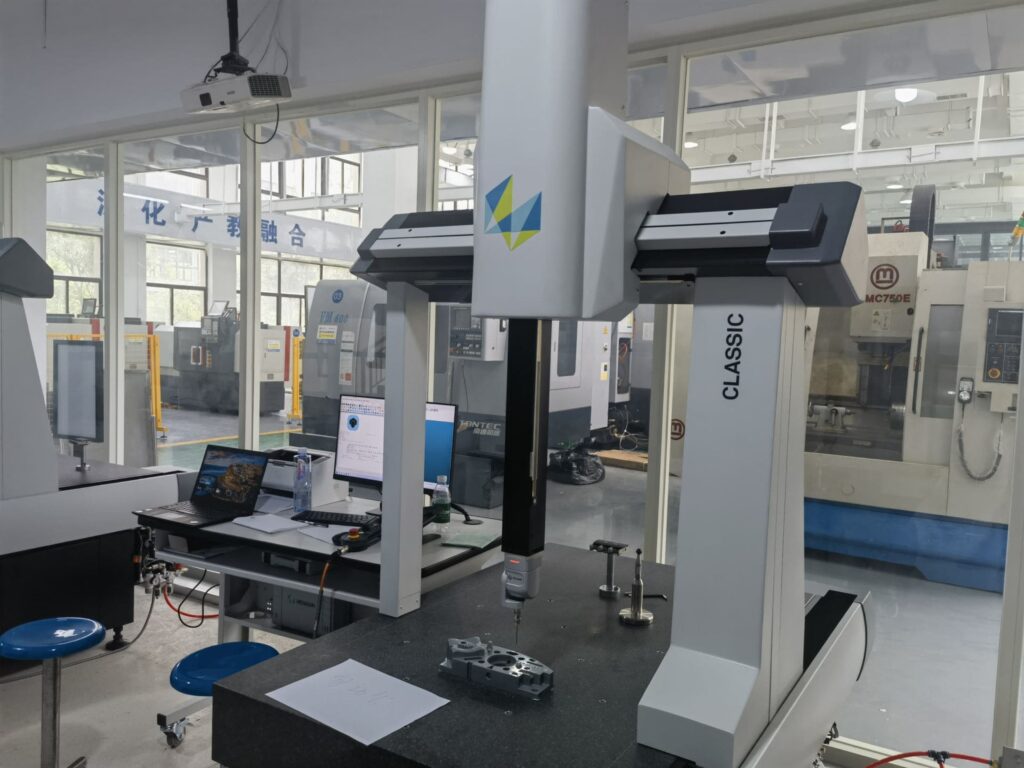
Precision CNC milling stands out because of its accuracy, efficiency, and ability to produce complex components with high precision. superior accuracy and repeatability. Unlike manual machining, CNC machines follow exact instructions from CAD/CAM files, which means every part comes out consistent, meeting tight milling tolerances. This level of precision is essential for industries where even minor errors can lead to significant problems, such as aerospace or medical device manufacturing.
When it comes to Efficiency for prototyping and production, CNC milling shines. It’s quick to set up and can swiftly switch between different jobs with minimal downtime. This makes it ideal for rapid CNC prototyping as well as high-volume runs, saving both time and money. Plus, multi-axis milling machines automate complex cuts that would be impossible or time-consuming by hand.
Another key advantage is its Versatility across materials and industries. Whether working with CNC milled aluminium parts, high-precision metal fabrication, or specialised plastics, precision CNC milling handles a wide range of materials. This flexibility supports industries from electronics and automotive to aerospace and defence, enabling custom tool creation, mission-critical components, and everything in between.
In short, precision CNC milling delivers accuracy, speed, and adaptability, making it the go-to method for businesses in the United Kingdom looking to stay competitive and meet demanding quality standards.
Step by Step Guide: How Precision CNC Milling Works in Practice
Precision CNC milling begins long before the machine is powered on. Here is a straightforward overview of the process from start to finish:
Design phase from CAD to G Code
- Create the design: It all begins with a detailed 3D model, usually made in CAD (Computer-Aided Design) software.
- Please provide the Chinese text you would like me to translate. The CAD file is then converted into G Code through CAM (Computer-Aided Manufacturing) software. This code tells the CNC machine exactly how to move and cut.
Setup and Operation Tooling and Machining
- Machine preparation: Tools such as drills, end mills, and cutters are selected based on the material and design requirements.
- Mounting the workpiece: The raw material, whether aluminium, steel, or plastic, is securely fixed on the machine table.
- Running the programme: The CNC machine follows the G Code instructions to mill the part, using precise movements often on multi-axis milling machines for complex shapes.
Post Processing and Inspection
- Finishing touches: After milling, parts may require cleaning, deburring, or surface treatments.
- Quality checks: Using advanced measurement tools, parts are inspected to ensure CNC milling tolerances are met and the design specifications are upheld.
This step-by-step approach guarantees high-precision metal fabrication every time, ideal for industries that demand accuracy such as aerospace or medical devices.
Real World Applications Industries Transformed by Precision CNC Milling
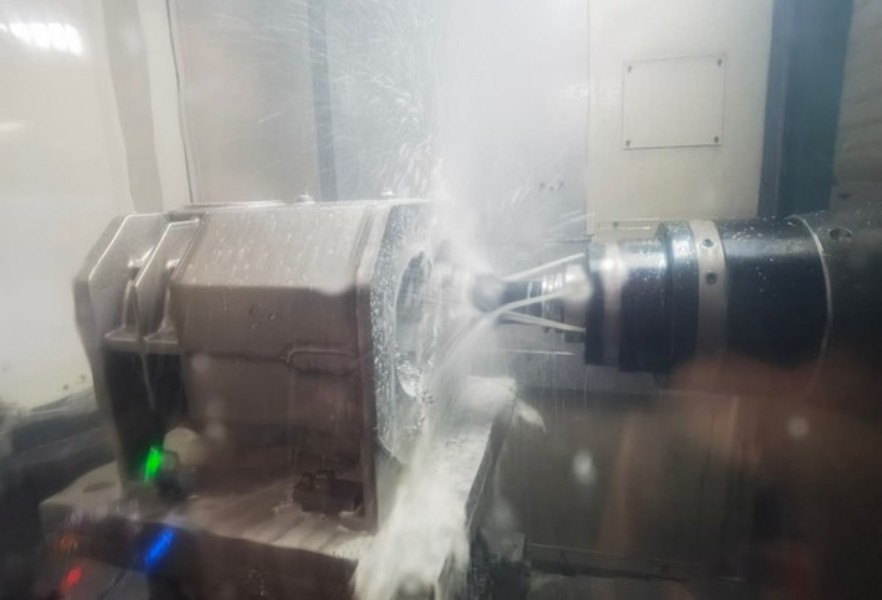
Precision CNC milling has transformed many industries across the United Kingdom thanks to its ability to deliver high-precision metal fabrication with tight CNC milling tolerances. Here’s how some key sectors benefit:
Aerospace and Defence
In aerospace and defence, lightweight and mission-critical parts require the highest CNC machining accuracy factors. Multi-axis milling machines, including 5-axis CNC machining, produce complex components that meet strict safety and performance standards. CNC milled aluminium parts are common here, offering strength without extra weight.
Medical and Automotive
The medical field relies on precision prototyping services to create custom implants and surgical tools. Similarly, automotive manufacturers use CNC milling for parts that demand consistent quality and fit. Customised components made through CNC milling ensure better patient outcomes and durable vehicle performance.
Electronics and Beyond
Electronics manufacturing benefits from precision CNC milling by creating PCBs and unique tooling quickly and accurately. Rapid CNC prototyping helps bring new ideas to life faster, supporting innovations from consumer gadgets to industrial electronics.
These industries rely on precision CNC milling to maintain high quality, manage costs effectively, and ensure efficient production in a competitive market.
Choosing the Right Precision CNC Milling Partner
Finding the right partner for precision CNC milling can make all the difference in your project’s success. Here’s what to consider:
Key Criteria Certifications Capabilities and Turnaround
- Certifications: Look for partners with industry-recognised certifications like ISO 9001 or AS9100. These demonstrate they meet strict quality and process standards.
- Capabilities: Make sure they offer the specific services you need—whether it’s 5-axis CNC machining, multi-axis milling machines, or CNC milled aluminium parts. Check if they handle complex geometries and tight CNC milling tolerances.
- Turnaround Time: Fast and reliable delivery is crucial. Ask about their average lead times and how they manage rush jobs or prototype runs.
Cost Factors and When to Outsource
- Cost Transparency: Get clear pricing upfront, including any setup fees, tooling costs, and volume discounts.
- Outsourcing Benefits: Outsourcing can save you time, reduce overhead, and improve quality if you choose a partner with strong precision prototyping services.
- When to Outsource: Consider outsourcing if your in-house capabilities lack advanced CNC machining accuracy factors or if you need a variety of materials handled efficiently.
Vast’s Edge Tailored Solutions for Your Needs
At Vast, we focus on delivering high-precision metal fabrication tailored to your project. Whether you need rapid CNC prototyping or production runs, we combine advanced CAD/CAM for CNC milling with expert craftsmanship. We prioritise quality, quick turnaround, and clear communication to help your business grow smoothly.
Choosing the right precision CNC milling partner means aligning on quality, speed, and cost—and that’s exactly what we aim to provide.
 English
  Chinese
  Spanish (Peru)
  German
  Korean
  Spanish (Spain)
  Italian