
Explore rivet applications with expert guides on types, uses, installation, and selecting the best rivet for automotive, aerospace, and construction projects.
Choosing the right rivet application can make or break your project—whether you’re assembling aircraft panels, building bridges, or tackling DIY repairs at home. Rivets aren’t just simple fasteners; they’re engineered solutions designed to hold materials together under stress, vibration, and tough environmental conditions. But with so many types and installation methods out there, how do you pick the perfect rivet for your specific needs?
In this guide, you’ll discover exactly how different rivet applications work, the best types for various industries, and practical tips to ensure flawless fastening every time. Ready to stop guessing and start securing with confidence? Let’s get into the nuts and bolts of rivet applications that deliver lasting strength and reliability.
Fundamentals of Rivets: What Makes Them Essential for Modern Applications
Rivets are one of the oldest and most reliable fasteners still in use today. But what makes them so essential in modern applications? At their core, rivets join materials by permanently deforming a metal pin to hold parts together. This creates a strong mechanical bond that resists both shear and tensile forces, making rivet joints incredibly durable under various loads.
To understand how rivets work, think about two main forces: shear force, which tries to slide the joined parts past each other, and tensile force, which tries to pull them apart. A properly installed rivet handles both, distributing the load evenly and ensuring the structure stays secure.
Rivets have a rich history that dates back thousands of years. Ancient shipbuilders used them extensively to fasten wooden planks, and as metallurgy advanced, rivets became vital in iron and steel construction. Fast forward to today, and rivets hold a critical role in aerospace, automotive, and construction industries where safety and performance are paramount.
What sets rivets apart from bolts and welds? Rivets provide better load distribution and don’t loosen over time due to vibration. Unlike welding, rivets do not affect the base material’s heat properties, preventing warping or weakening critical components.
Here’s a quick comparison of rivets versus bolts and welds:
| Feature | Rivets | Bolts | Welds |
|---|---|---|---|
| Vibration resistance | Excellent | Moderate | Poor |
| Heat impact | Minimal | None | Significant |
| Installation speed | Fast | Moderate | Slow |
| Permanent joint | Yes | No (removable) | Yes |
| Suitable materials | Wide range including soft and hard metals | Wide range | Mostly metals |
Common rivet materials vary, tailored to application needs. Aluminium rivets shine in lightweight assemblies like aircraft panels due to their corrosion resistance and light weight. Steel rivets provide extra strength for heavy-duty construction, while copper rivets are used in electrical and plumbing for their conductivity and flexibility. Stainless steel rivets offer robust corrosion resistance for marine and outdoor applications.
Understanding these fundamentals will help you appreciate why rivet application remains a trusted method for creating strong, long-lasting joints across many industries. Whether you’re joining metal sheets or assembling complex machinery, rivets provide a dependable solution that blends historical reliability with modern performance.
Types of Rivets and Their Targeted Applications
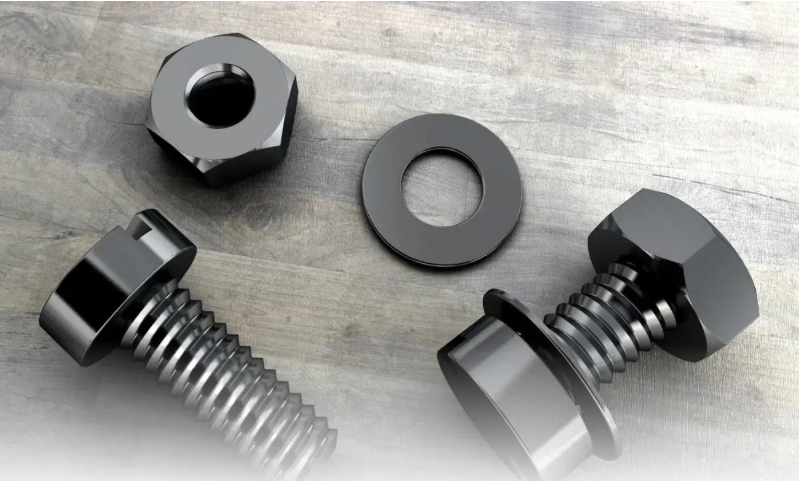
When it comes to rivet application, choosing the right type matters a lot. Here’s a quick look at the main rivet types and where they fit best.
Solid Rivets
Commonly used in construction and aerospace, solid rivets are known for their strength and reliability. You find them in steel structures, bridges, and aircraft skins.
Pros: Very strong and durable, great for heavy loads.
Cons: Require access to both sides for installation and specialised tools.
Installation Note: They need a hammer or pneumatic rivet gun to deform the tail and lock the rivet.
Blind Rivets
Also called pop rivets, these are perfect for automotive and electronics where only one side of the workpiece is accessible. Blind rivets come in aluminium, steel, and stainless steel variants.
Pros: Easy installation, no need to access the back side.
Demo Tip: Try installing on sheet metal or plastic panels to see how quick and clean the process is.
Tubular and Semi-Tubular Rivets
Designed for lighter assemblies and softer materials like leather or plastic, these rivets have a hollow shaft to save weight. They are great for applications like fabric components or light machinery.
Case Example: Used in luggage or lightweight metal frames where strength requirements are moderate.
Split Rivets
Ideal for repair work on wood, plastics, and upholstery, split rivets spread apart inside the material to hold firmly. You’ll often see these in furniture or cabinet repairs.
Application Tip: Use when adhesives or screws aren’t suitable because of material damage risks.
Drive Pin and Oscar Rivets
These rivets are built for high vibration setups and tough environments like heavy machinery or industrial equipment. They resist loosening and can withstand shocks better than standard rivets.
Use Cases: Construction equipment, off-road vehicles, or conveyor belts.
Table of Rivet Types
| Rivet Type | Common Materials | Load Capacity | Typical Industries |
|---|---|---|---|
| Solid Rivets | Steel, Aluminium | High | Aerospace, Construction |
| Blind Rivets | Aluminium, Steel, SS | Medium | Automotive, Electronics |
| Tubular Rivets | Aluminium, Steel | Low to Medium | Lightweight assemblies |
| Split Rivets | Steel, Aluminium | Low | Woodworking, Upholstery |
| Drive Pin/Oscar Rivets | Steel, Stainless Steel | High | Heavy Equipment, Vibration-heavy applications |
Matching Rivet Types to Your Project
- For thick, strong materials, go with solid rivets.
- If you only have access from one side, blind rivets are the answer.
- Use tubular rivets for lighter or soft materials.
- Split rivets work great for quick repairs on non-metal surfaces.
- When vibration resistance is critical, drive pin or Oscar rivets hold up best.
Picking the right rivet type for your substrate thickness and load ensures a secure, lasting joint. Keep this guide handy for your next rivet application project.
Installation Techniques and Best Practices for Flawless Rivet Applications
Getting your rivet application right starts with careful preparation. Here’s a quick step-by-step to follow:
- Hole sizing: Always drill the hole slightly larger than the rivet diameter, but not too big—too much play weakens the joint.
- Countersinking: For flush finishes, countersink the hole so the rivet head sits smoothly with the surface.
- Tool selection: Match your rivet type with the right installation tool—manual hand riveters for small jobs, pneumatic or battery-powered rivet guns for bigger projects.
Watch out for these common pitfalls:
- Using the wrong hole size or skipping countersinking can cause weak joints or material damage.
- Installing rivets in wet or dusty environments without protection can lead to corrosion or poor fastening.
- Over-tightening or under-driving rivets reduces joint strength.
Safety first—always wear proper PPE like safety glasses and gloves when riveting. Before you start, check your tools, rivet supply, and inspect the work surface for cleanliness. A simple checklist helps avoid costly mistakes.
For those tackling tough situations, here are some advanced tips:
- Repair oversize holes with sleeve inserts or oversized rivets designed for the job.
- CNC machines integrated with riveting tools can boost precision and speed in high-volume or detailed work.
To make installation a breeze, consider investing in professional rivet installation kits. These often come with calibrated tools, assorted rivets, and helpful guides to ensure consistent, reliable results every time.
Selecting the Right Rivet for Your Project
Picking the right rivet is key to a strong, lasting connection. Here’s how I break down the decision-making process to match rivet application with your project’s needs.
What to Consider When Choosing Rivets
- Load Type: Understand if your joint faces shear, tensile, or vibration loads. This affects whether you go with solid rivets, blind rivets, or specialised types like drive pin rivets.
- Material Compatibility: Match rivet materials with your substrates to avoid corrosion or weakening. Aluminium rivets for aluminium sheets, stainless steel for tougher metals, and so on.
- Accessibility: Can you reach both sides of the joint? Solid rivets need access on both sides; blind rivets work when you only have one.
- Environment: Outdoor or harsh environments require corrosion-resistant rivets and possibly sealing options.
Industry Applications and Examples
- Aerospace: Mostly solid rivets using high-strength aluminium or titanium alloys for structural integrity under extreme stress.
- Automotive: Blind rivets and pop rivets are popular for easier, faster assembly lines while maintaining reliable joints.
- Construction: Heavy-duty tubular and solid rivets, often made from steel or stainless steel, used for framing and metal roofing.
Cost Benefit Analysis Table
| Factor | Solid Rivets | Blind Rivets | Tubular Rivets |
|---|---|---|---|
| Installation Speed | Slower | Fast | Moderate |
| Strength | Very high | Moderate | Moderate |
| Accessibility | Both sides required | One side only | Both sides required |
| Cost | Higher | Lower | Low to Moderate |
| Common Materials | Aluminium, Steel, Titanium | Aluminium, Steel | Steel, Aluminium |
Emerging Trends in Rivet Technology
- Self-Piercing Rivets: Great for joining two metal panels without pre-drilling, boosting production speed in automotive and electronics.
- Sustainability: More companies seek rivets made from recycled materials or designed for easy disassembly to improve recycling efforts.
Custom Rivet Solutions
Sometimes your project throws unique challenges at you—odd shapes, unusual materials, or extreme loads. Custom rivets can be made for:
- Special alloys for corrosion resistance
- Uncommon sizes or lengths
- Combination rivets that blend fastening with sealing
Matching rivet types to your specific load and material needs pays off in durability and cost-efficiency, especially for United Kingdom-based projects where quality standards are crucial. Taking the time to understand these factors will set your rivet joints up for success.
 English
  Chinese
  Spanish (Peru)
  German
  Korean
  Spanish (Spain)
  Italian