
Discover the ultimate plasma cutter guide featuring top models, expert tips, cutting capacity, and how to choose the best plasma cutter for your projects.
How Does a Plasma Cutter Work The Science Behind the Spark
Ever wonder how a plasma cutter slices through metal so quickly and precisely? At its core, a plasma cutter uses an electric arc and compressed air to create a super-hot plasma stream that melts and blows away the metal. Here’s how it works step by step:
- Power supply sends electrical current to the cutting torch.
- Inside the plasma cutting torch, the electrical arc forms between an electrode and the metal surface.
- Compressed air flows through the torch, gets superheated by the arc, and turns into plasma — a hot, electrically conductive gas.
- This plasma arc reaches temperatures up to 30,000°F, melting the metal instantly.
- The compressed air blows away the melted metal as slag, leaving a clean, precise cut.
Some key benefits that make plasma cutting stand out:
- Precision — the narrow plasma arc allows for tight, clean cuts.
- Speed — plasma cutters work faster than many traditional methods.
- Versatility — suitable for cutting various metals like mild steel, aluminium, and stainless steel with different thicknesses.
A common myth is that you need special gases like argon or nitrogen. In reality, most plasma cutters use just standard compressed air, which keeps things simple and cost-effective. No fancy gas tanks needed!
Ready to dive deeper? Let’s explore the types of plasma cutters next and how to choose the perfect one for your needs.
Types of Plasma Cutters Finding the Right Fit for Your Projects
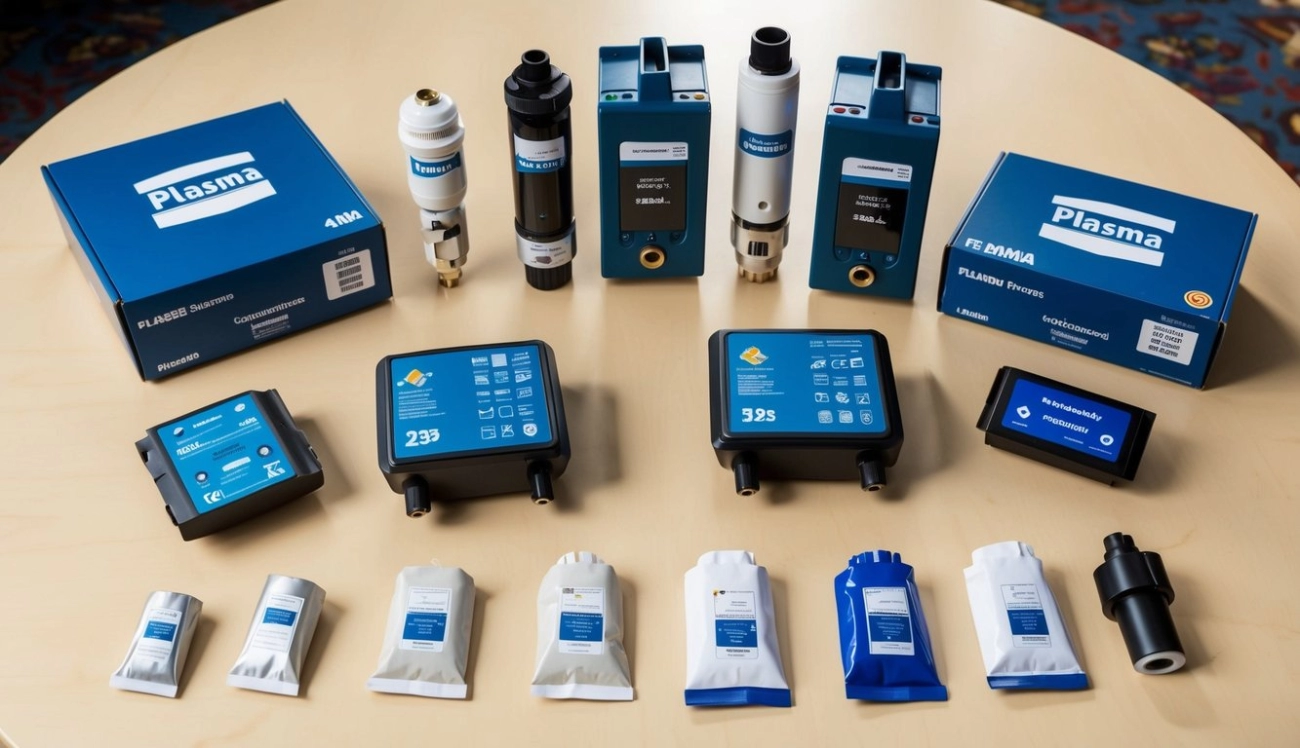
When choosing a plasma cutter, knowing the types available helps match the tool to your project needs. Here’s a simple breakdown:
Handheld vs CNC Plasma Cutters
- Handheld plasma cutters are perfect for DIY enthusiasts, mechanics, and light fabrication work. They’re portable and easy to use in garages or on-site.
- CNC plasma tables are automated systems ideal for precision cutting and repetitive tasks in workshops or factories. They handle complex patterns and high volumes with ease.
Portable Inverter vs Automated Tables
- Inverter plasma cutters are compact, lightweight, and energy-efficient, offering excellent portability without sacrificing power.
- Automated plasma cutting tables are larger, designed for industrial jobs requiring consistent accuracy over long production runs.
Amperage Breakdown for Beginners, Mid-range, and Industrial Use
- Beginners: Models with 20-40 amps are suitable for thin metals and hobby tasks.
- Mid-range: 40-60 amps provide more cutting power for mild steel and moderate thickness.
- Industrial: 60+ amps handle thick metals and high production demands.
Power Input Options 110V vs 220V and 3-phase
- 110V plasma cutters run on standard household outlets, ideal for light to medium work at home or small workshops.
- 220V models offer more power for thicker metal and faster cuts, common in professional workshop setups.
- 3-phase power plasma cutters are used in factories for high-capacity and continuous operations.
Comparison of Vast Models
At Vast, we offer a variety of plasma cutters to suit every need — from budget-friendly handheld units to robust CNC plasma tables. Our models focus on durability, cutting precision, and ease of use, built with local UK users in mind.
Choosing the right plasma cutter is about matching power, portability, and features to how you work. Whether you’re cutting mild steel for a quick fix or running a custom plasma cutter factory in China, picking the right type ensures better results every time.
Top Plasma Cutter Features to Consider Before Buying
When searching for a plasma cutter, knowing what features matter most can save you time and money. Here’s what to keep in mind before making your pick.
Cutting Capacity Clean vs Severance Thickness
- Clean cutting thickness is the metal thickness the plasma cutter slices smoothly with minimal dross.
- Severance thickness is the max thickness it can cut, but the edge might need extra finishing.
- Choose a cutter that matches your usual metal thickness—like mild steel cutting for common projects or thicker metals for heavier jobs.
Duty Cycle Intermittent vs Professional Use
- The duty cycle tells you how long the cutter can run in a 10-minute timeframe without overheating.
- For occasional or DIY use, a 30-40% duty cycle at max amps works fine.
- Pros working daily should look for 60% or higher duty cycle models to avoid downtime.
Start Technology and Pilot Arc Benefits
- Pilot arc technology allows you to start the cut without touching the metal, assisting with rust or painted surfaces.
- This technology reduces wear on consumables and provides a cleaner, faster start every time.
Consumables and Maintenance Tips
- Regularly replacing consumables such as the nozzle and electrode keeps cuts sharp and consistent.
- Use quality plasma cutter consumables designed for your model to prolong torch lifespan.
- Keep the air plasma system dry and filtered to prevent clogging and damage.
Portability, Weight, Accessories, Compressor and Air Filtration
- Consider where you will use your cutter—a handheld plasma cutter or a lightweight inverter plasma cutter is easier if you move around frequently.
- Some units come with built-in air filtration, saving space and ensuring your compressor runs smoothly.
- If your workspace lacks clean compressed air, investing in an air filtration system is a wise choice.
Budget Guide Entry Mid Pro Levels
- Entry level: Budget-friendly, ideal for hobbyists and light use. Expect lower duty cycles and cutting capacity.
- Mid-range: Better duty cycles, capable of cutting thicker metal, suitable for serious DIY enthusiasts and small workshops.
- Professional: Higher amps, long duty cycles, compatible with CNC plasma tables, aimed at industrial or heavy fabricators.
Local Compatibility and Rental Options
- Check if your power input (110V, 220V, or 3-phase) matches your local supply.
- If you’re testing plasma cutting or need it for a short time, many local shops offer rental plasma cutters—perfect for one-off projects without the full investment.
Knowing these features helps you pick the right plasma cutter whether you’re working on home auto repairs, metal art, or professional fabrication.
Best Plasma Cutters for 2025 Expert Recommendations from Vast
Choosing the right plasma cutter can make all the difference whether you’re a DIY enthusiast, mechanic, or professional fabricator. At Vast, we’ve put together a carefully curated list of the best plasma cutters for 2025, including some exclusive models you won’t find anywhere else.
What We Look For
We base our picks on three main things:
- Cut quality – Clean, precise cuts every time
- Ease of use – How simple the controls and setup are
- Value – Great features without breaking the bank
Top Picks Overview
- Handheld Inverter Plasma Cutters – Perfect for DIYers and light shop use. Portable, affordable, with enough power to handle mild steel cutting up to 1/2 inch.
- Mid-Range CNC Plasma Tables – Ideal for serious fabricators needing accuracy and automation. These come with pilot arc technology and support heavier gauge metals.
- Industrial Plasma Systems – Built for heavy-duty use in a factory setting, offering high amperage, 3-phase power support, and long duty cycles.
Pros and Cons
Every plasma cutter has its trade-offs:
| Model Type | Pros | Cons |
|————|——-|——|
| Handheld Inverter | Lightweight, affordable, versatile | Limited cutting thickness, shorter duty cycle |
| CNC Plasma Table | High precision, automated cuts | Higher cost, requires space and setup |
| Industrial Plasma Systems | Powerful, durable, long operational times | Expensive, complex operation |
Who Should Consider What
- DIY Enthusiasts: Opt for a handheld inverter plasma cutter from Vast — easy to handle and budget-friendly.
- Mechanics: Mid-range models are suitable for garage setups, offering a balance between power and portability.
- Fabricators: Invest in CNC plasma tables or industrial systems for consistent, high-quality results.
Your Next Step
Explore the Vast range for 2025 and find a plasma cutter tailored to your needs. Whether you’re making precise HVAC cuts or fabricating custom automotive parts, we have the right tool waiting.
Visit Vast today and enhance your cutting capabilities with products designed for the UK market, combining quality, value, and lasting performance.
Step-by-Step Guide to Setting Up and Using a Plasma Cutter Safely
Using a plasma cutter correctly involves setting up safely and properly. Here’s a simple guide to get you started, especially if you’re working in a typical UK garage or small workshop.
Setup Essentials
- Compressor: Ensure you have a clean, dry air supply. Most plasma cutters require an air compressor or a built-in air plasma system.
- Grounding: Always connect the work clamp securely to your metal piece. Good grounding prevents shocks and ensures a steady arc.
- Workspace: Work in a well-ventilated area with no flammable materials nearby. Keep the surface clean and stable.
Numbered Guide to Power Up and Cut
- Power Input: Plug your plasma cutter into the correct voltage—usually 110V for domestic units or 220V for heavier models. Check your machine specifications for three-phase power requirements.
- Set Air Pressure: Adjust your compressor to the recommended PSI for your model.
- Adjust Amps: Set the amperage based on the metal thickness you plan to cut.
- Test the Arc: Before cutting your project, test the plasma arc on scrap metal to adjust settings.
- Cutting Technique: Hold the plasma cutting torch at a consistent angle (usually around 90 degrees) and maintain a steady travel speed for clean cuts.
Safety protocols
- PPE: Always wear welding gloves, a helmet or safety glasses with the proper shade, and flame-resistant clothing.
- Ventilation: Use fans or extractors to clear fumes, especially when cutting indoors.
- Spark Management: Keep a fire extinguisher nearby and clear your area of anything that can catch fire.
Garage Tips
- Use a metal cutting table or fireproof surface.
- Store your plasma cutter in a dry place to avoid moisture damage.
- Keep your compressor’s air filters clean to prevent clogging.
Troubleshooting Common Issues
- Weak or No Arc: Check grounding and air pressure first.
- Pilot Arc Not Starting: Inspect consumables for wear, especially the electrode and nozzle.
- Rough Cuts: Slow down your travel speed and check if the amperage matches your material thickness.
- Excessive Dross: Adjust your cutting speed or replace worn consumables.
Following these steps ensures you get clean cuts safely every time while keeping your plasma cutter in top shape.
Plasma Cutting Tips and Tricks for Cleaner Faster Results
Getting cleaner cuts and faster results with your plasma cutter is all about technique and maintenance. Here are some straightforward tips that work, whether you’re using a handheld plasma cutter or an advanced CNC plasma table.
Technique Hacks
- Travel speed: Move at a steady pace. Going too slow can cause rough edges, while going too fast might not cut all the way through.
- Torch angle: Keep the plasma cutting torch around 75 to 90 degrees to the metal. Tilting too much can lead to uneven cuts.
- Consistent distance: Maintain a small gap between the plasma arc and the metal, usually around 1/8 inch, for the best results.
Material Specific Advice
- Aluminium: Use a slightly faster travel speed and higher amperage settings if your cutter supports it. Aluminium doesn’t conduct heat as well, so be patient when cutting thicker sheets.
- Steel: Mild steel cuts easily at moderate speeds and is forgiving. For stainless steel, slower speeds help reduce dross or slag buildup.
Maintenance Routine
- Consumables checks: Regularly inspect and replace plasma cutter consumables like nozzles and electrodes. Worn parts cause poor cut quality and can damage your torch.
- Air quality: Use clean, dry, oil-free compressed air. Moisture or oil in your air supply can clog the system and affect cut quality. Consider an air filtration system if you don’t have one.
Advanced CNC Integration
If you’re using a CNC plasma table, software like VastDesign can boost your cutting precision. It streamlines creating cut paths and adjusting settings remotely, so you get cleaner, more consistent parts every time.
Sticking to these tips means less rework, faster jobs, and better overall results—whether you’re a DIYer in a garage or running a small fabrication shop.
Applications and Real World Uses From Garage to Shop Floor
Plasma cutters have come a long way from just being a shop floor tool. Whether you’re working in your garage or running a professional outfit, they offer unmatched versatility for many projects.
DIY and Home Use
For DIYers, plasma cutters make tasks like auto repair, metal sculpture, and furniture building far easier. If you’re fixing up your truck or crafting custom metal pieces, a handheld plasma cutter is a go-to for quick, clean cuts without the hassle of traditional saws or torches. Mild steel cutting and aluminium shaping become straightforward, even for beginners.
Professional Construction and Industrial Applications
In construction, HVAC, and shipbuilding, plasma cutters speed up the job with their precision and portability. Automated CNC plasma tables are common on shop floors, allowing for complex, repeatable cuts on thick materials. These systems boost productivity while maintaining cut quality under heavy use.
Case Study Farm Equipment Repair
Farmers and mechanics find plasma cutters invaluable for fixing heavy equipment on-site. By cutting and welding metal parts quickly, they save downtime and money. One cost-saving example involved replacing a worn tractor part using an inverter plasma cutter, reducing repair time from days to hours.
Future Trends in Plasma Cutting
Look for more handheld HD plasma cutters that are eco-friendly with better energy efficiency and less gas consumption. Advanced air plasma systems with pilot arc technology are becoming standard, improving cut quality on dirty or painted metals. As plasma cutters get smarter and more automated, expect them to be even easier to use — perfect for industrial workshops or your home garage.
If you want to explore models suited for both beginners and professionals, check out our expert recommendations and comparison guides. Plasma cutting is ready to fit your workflow no matter the scale or skill level.
 English
  Chinese
  Spanish (Peru)
  German
  Korean
  Spanish (Spain)
  Italian