
Discover top China casting processes and suppliers for precision metal parts with cost savings quality certifications and fast lead times.
Why China Leads the Global Casting Industry
China has firmly established itself as the global leader in the casting industry, thanks to its massive output, extensive export value, and rapid growth. As of recent data, China accounts for over 50% of the world’s casting production, exporting billions of dollars’ worth of cast components annually. This dominant position comes from a combination of factors including a vast manufacturing ecosystem, competitive costs, and continuous innovation.
The roots of China’s casting prowess trace back thousands of years, from the ancient bronze casting techniques perfected during the Shang and Zhou dynasties to today’s advanced Industry 4.0 adoption. Modern Chinese foundries are integrating robotics, AI, and real-time quality control to boost precision and efficiency.
Regionally, China features several key casting hubs. Ningbo, for example, is renowned for its die casting capabilities, serving high-volume automotive and electronics sectors. Meanwhile, Shandong has emerged as a top cluster for investment casting, focused on aerospace and medical components requiring intricate detail and superior quality.
With these strategic centres complementing each other, China’s casting industry remains unmatched in scale, variety, and technological advancement—making it the go-to choice for companies worldwide seeking reliable, cost-effective metal parts.
Key China Casting Processes Explained Choose the Right One for Your Project
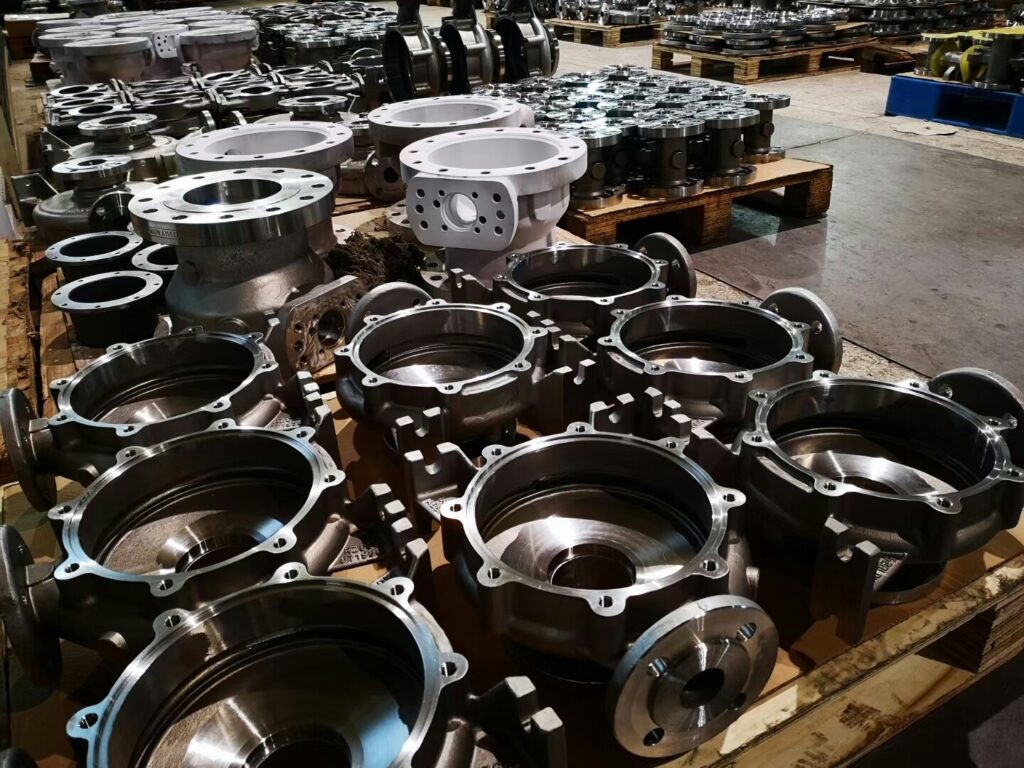
When it comes to china casting, picking the right process is key to getting the parts you need—on time and within budget. Here’s a quick rundown of the main casting methods you’ll find in China and when to use each.
Investment Lost-Wax Casting
Pros:
- Excellent for high precision parts
- Great for complex geometries and thin walls
- Common in aerospace and medical industries
Cons: - Higher costs for small production runs
- Longer lead times
Note: Vast has deep expertise in silica sol investment casting, ensuring top quality and detail.
Die Casting
Pros:
- Very efficient for high volume production
- Produces thin-walled, detailed parts
- Ideal for automotive and electronics components
Cons: - Limited mostly to non-ferrous metals like aluminium, zinc, and magnesium
- Initial tooling cost can be high but worth it for large production runs
Sand Casting
Pros:
- Versatile and cost-effective for large or heavy components
- Suitable for ferrous metals and heavy machinery parts
Cons: - Lower dimensional accuracy and surface finish compared to other methods
- More machining often required after casting
Permanent Mold Gravity Casting
Pros:
- Better surface finish than sand casting
- Suitable for aluminium marine parts and marine applications
Cons: - Limited to smaller parts due to mould constraints
- Not as cost-effective for very large pieces
Quick Process Comparison
| Process | Common Materials | Tolerance Range | Cost per Unit* | Best Applications |
|---|---|---|---|---|
| Investment Lost-Wax | Steel, Stainless | CT5 (tight) | Higher | Aerospace, Medical |
| Die Casting | Aluminium, Zinc | CT7 | Low (high volume) | Automotive, Electronics |
| Sand Casting | Iron, Steel | CT9 (looser) | Low | Mining, Heavy Machinery |
| Permanent Mold Gravity | Aluminium | CT7 | Moderate | Marine Parts |
*Cost depends heavily on MOQ, complexity, and finish requirements.
Pro Tip from Vast
We customise casting processes based on your minimum order quantity (MOQ) and part specifications. For example, small but complex parts often favour investment casting despite cost, while large runs lean towards die casting. This tailored approach helps keep your project on budget without sacrificing quality.
Choosing the right china casting Method upfront can save time, cut costs, and ensure you get the precision or volume you need for your UK projects.
Top Materials in China Casting Matching Alloys to Your Needs
When it comes to China casting, choosing the right material is key to getting the performance you need. Here’s a quick look at the top alloys used and how they fit different projects:
Ferrous Alloys
- Grey Iron and Ductile Iron: Great for wear-resistant mining parts and heavy machinery. Known for good strength and castability.
- Carbon and Alloy Steel: Ideal for parts that need durability under stress, like construction equipment and industrial tools.
Non-Ferrous Alloys
- Aluminium: Widely used in automotive, especially EVs, for its lightweight and strong characteristics. Makes for better fuel efficiency and range.
- Zinc: Perfect for die casting small, intricate components in electronics and appliances.
- Stainless Steel: Offers corrosion resistance for demanding environments, like food processing and medical devices.
Advanced Alloys
- High Chrome: Perfect for parts exposed to abrasion and high wear, common in mining and heavy industry.
- Titanium: Used for aerospace and high-heat applications where strength and weight savings matter most.
Sustainability in China Casting
China foundries are increasingly adopting recycled materials and low-emission practices to reduce environmental impact. Recycling scrap metal and optimising energy use is becoming standard in top casting manufacturers.
Common Alloys with Key Properties
| Alloy | Tensile Strength (psi) | Corrosion Resistance | Typical Use |
|---|---|---|---|
| Grey Iron | 20,000 – 40,000 | Medium | Mining, heavy machinery |
| Ductile Iron | 60,000 – 100,000 | Medium | Automotive parts |
| Aluminium Alloy | 30,000 – 60,000 | High | EV components, lightweight parts |
| Stainless Steel | 70,000 – 100,000 | Very high | Medical, food industry |
| High Chrome | 80,000 – 110,000 | High | Abrasion-resistant parts |
At Vast, we’ve worked across these materials extensively. Our expertise helps match alloys to your exact needs, ensuring the perfect balance of strength, durability, and cost-effectiveness. Whether you need steel investment casting or precision aluminium alloy castings, we’ve got you covered.
Benefits and Challenges of Sourcing China Casting Real World Insights
Sourcing China casting comes with clear benefits but also some challenges you should know about.
Benefits
- Cost savings: China offers competitive pricing compared to domestic options, especially for large volumes.
- ScalabilityWhether you need prototypes or over 100,000 units, Chinese foundries can scale production smoothly.
- Fast lead timesSample turnaround is typically 20 to 30 days, speeding up your project timeline.
- Full-service optionsMany suppliers, including Vast, provide CNC machining, heat treatment, and finishing services all under one roof.
Challenges
- Quality variabilityNot every supplier meets consistent standards, so quality control is key.
- IP risksProtecting your designs requires clear NDAs and trusted partners.
- Logistics delaysShipping can face hold-ups; planning and reliable freight partners help mitigate this.
How Vast Helps
For example, Vast worked with a UK automotive client to cut casting costs by 40% through certified investment casting, maintaining strict quality and delivery timelines.
| Advantages | Disadvantages | Mitigation Strategies |
|---|---|---|
| Lower cost per unit | Variable quality | Third-party inspections |
| High production scalability | IP exposure risks | Signed NDAs, secure communication |
| Fast turnaround | Potential shipping delays | Advanced logistics planning |
With proper audits and trusted suppliers, sourcing China casting can be both cost-effective and reliable.
How to Select Reliable China Casting Manufacturers A Step by Step Guide
Finding a trustworthy China casting manufacturer can feel overwhelming, but breaking it down step by step makes it easier. Here’s what you should focus on:
Key Criteria to Look For
- Certifications: Check for ISO, IATF, or other relevant industry certifications. These prove the factory meets global quality standards.
- Experience: Aim for manufacturers with 20+ years in casting. Longevity usually means they’ve refined their processes and have a solid reputation.
- Capacity: Make sure their equipment matches your volume needs—look for factories with presses up to 1,000 tons for larger runs.
Vetting Tips
- Request Samples: Always ask for product samples before placing big orders. This helps confirm quality and accuracy.
- Site Visits: If possible, visit the factory or hire a local agent to assess their operations firsthand.
- Supplier Audits: Independent audits provide insight into their production, quality control, and working conditions.
Use Trusted Platforms
- Made in China: A good place to research verified casting suppliers and compare capabilities.
- Alibaba: Look for manufacturers with strong ratings and verified listings to reduce risks.
Top Manufacturers to Consider
Here are three reliable options to start your search, including Vast:
| Manufacturer | Processes | Minimum Order | Key Strength |
|---|---|---|---|
| Vast | Investment, Die, Sand Casting | Low MOQ | Customization, Quality Control |
| Manufacturer B | Die Casting, Permanent Mold | Medium MOQ | Automotive Expertise |
| Manufacturer C | Investment Casting | High MOQ | Aerospace Precision |
Local Communication Tips
- WeChat: Widely used by China casting factories for instant messaging and real-time quotes. Add your supplier here for faster responses.
- Stay Connected: Using both WeChat and Alibaba ensures smooth communication and easier order tracking.
By following these steps, you’ll minimise risks and find a China casting manufacturer that fits your project’s needs perfectly.
Future Trends in China Casting Automation Sustainability and Innovation
The China casting industry is moving fast with new tech and green practices shaping its future. Robotics and AI are becoming key players, helping cut defects and boost efficiency. This means better quality parts and faster turnaround times for UK buyers looking for reliable suppliers.
Sustainability is also taking centre stage. Foundries are focusing on waste recycling and using eco-friendly materials to lower emissions. This aligns well with the rising demand for greener manufacturing, especially from sectors like electric vehicles and aerospace where lightweight, high-precision parts are a must.
At Vast, we’re leading the charge with in-house R&D on eco-friendly alloys that meet strict UK standards. Our innovations help customers get the performance they need without compromising on environmental responsibility.
In short, China casting is not just about volume any more; it’s about smarter, cleaner, and more advanced production—exactly what the UK market demands today.
Partner with Vast Your Gateway to Seamless China Casting Solutions
With over 20 years of experience, Vast is your trusted partner for all things China casting. We handle the entire process from design to delivery, making it easy for UK businesses to get high-quality custom casting solutions without the hassle.
What Vast Offers
- Full turnkey service: From initial concept and prototyping to final production and quality control
- Custom quoting: Tailored pricing based on your project size and specifications
- Quick prototyping: Fast sample turnaround to speed up your product development
- Quality assurance: Strict controls with third-party inspections to ensure consistent results
- Global exports: Reliable shipping and logistics tailored to UK market needs
Get Started
To simplify your sourcing, download our free China Casting Checklist—a step-by-step guide to vetting manufacturers. Or contact us for a free consultation, and we’ll walk you through how Vast can deliver precision metal castings that meet your exact requirements.
Why Choose Vast
- Proven track record with decades of know-how
- Commitment to quality without compromise
- Flexible MOQ options for low volume or large scale orders
- Expertise across all major casting processes including investment casting, die casting, and sand casting
Partnering with Vast means tapping into reliable China casting manufacturers who understand the United Kingdom market and can meet your deadlines and quality expectations, every time.
 English
  Chinese
  Spanish (Peru)
  German
  Korean
  Spanish (Spain)
  Italian