
Explore comprehensive aluminium coatings guides covering anodising, powder coating, and clear protective finishes to enhance durability and corrosion resistance.
The Fundamentals How Aluminium Coatings Work and Why You Need
Aluminium coatings protect and enhance aluminium’s natural strength and lightweight benefits. These coatings form a barrier that shields aluminium from corrosion, UV damage, and wear, extending the life of your products or structures. Whether used in construction, marine settings, or industrial equipment, aluminium coatings improve durability and appearance.
Here’s why aluminium coatings are essential:
- Prevent corrosion: Aluminium naturally forms a thin oxide layer, but coatings add extra protection against moisture and pollutants.
- Boost weather resistance: Many coatings guard against sun damage and fading, keeping surfaces looking fresh longer.
- Enhance aesthetics: Coatings like anodising or powder coating add colour and texture options while maintaining aluminium’s sleek, modern look.
- Improve performance: Specialty coatings can reflect heat or resist chemicals, tailoring aluminium to your specific needs.
In short, applying the right aluminium coating means better performance, longer lifespan, and less maintenance. It’s a smart investment whether you’re working on marine aluminium protection or industrial anodising processes. Ready to explore your options?
Top Types of Aluminium Coatings Pros Cons and Best Fit Scenarios
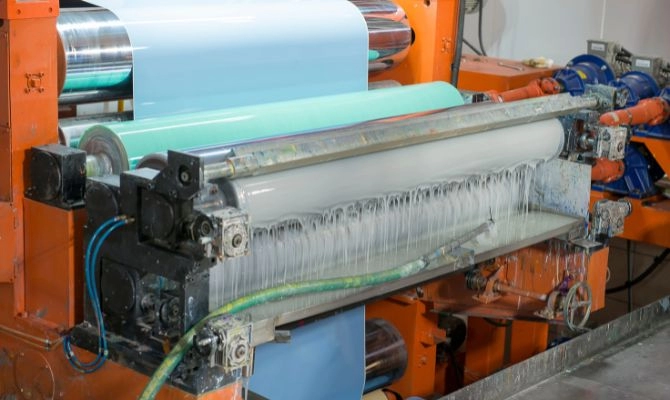
When it comes to aluminium coatings, you have several solid options depending on what you need—whether it’s corrosion resistance, aesthetics, or durability. Here’s a quick breakdown of the main types, what they do well, and when to use them.
Anodising Electrochemical Oxide Layer
How it works: This process creates a tough, corrosion-resistant oxide layer on aluminium by using an electrochemical bath.
Pros:
- Great for wear and corrosion resistance
- Long-lasting and durable finishes
- Offers a natural appearance or can be dyed for colour
Cons: - Can be expensive
- Not as thick as paint coatings, so surface protection is thinner
Best for: Industrial anodising process needed for marine aluminium protection and aluminium extrusion finishes.
Powder Coating Electrostatic Dry Paint Application
How it works: Powder coating sprays dry paint onto aluminium using an electrostatic charge, then cures it with heat.
Pros:
- Excellent corrosion and UV resistance
- Thick, even coating that’s tough against scratches
- Wide colour and texture options
Cons: - Requires baking, so it’s not suitable for heat-sensitive parts
- Can be more costly than traditional paint
Best for: Outdoor aluminium surfaces, UV resistant aluminium paints, and high-traffic areas requiring heavy-duty protection.
Chromate Conversion Coating such as Alodine and Iridite
How it works: This chemical treatment creates a thin protective layer that improves corrosion resistance and paint adhesion.
Pros:
- Enhances corrosion resistance, especially on bare aluminium
- Improves paint adhesion for better coating durability
- Fast and cost-effective
Cons: - Layer is very thin, so it requires a topcoat for optimal protection
- Less environmentally friendly than newer options
Best for: Prepping aluminium for further coating, marine applications, and industrial settings that require cost-effective corrosion protection.
Clear Protective Coatings NanoTech and Polymer Based
How it works: Clear coatings use advanced NanoTech sealants or polymers to protect while showing the natural aluminium finish.
Pros:
- Maintains aluminium’s natural shine while protecting from oxidation
- Water-repellent and often UV resistant
- Easy to apply and maintain
Cons: - Less robust than anodised or powder coatings for heavy wear
- Needs occasional reapplication to stay effective
Best for: Architectural aluminium, decorative uses, and lightweight outdoor applications.
Specialty Coatings like Thermal Reflective Roof Coatings
How it works: These coatings reflect heat and solar energy, reducing building cooling costs.
Pros:
- Significantly lowers roof temperatures
- Energy-saving by improving building efficiency
- Protects aluminium from weather exposure
Cons: - Limited use; mainly for commercial roofing
- Can be more expensive upfront
Best for: Commercial roofs, metal buildings, and hot climates where energy savings matter.
Each of these aluminium coatings has its strengths and fits different UK market needs. Your choice depends on what exactly you’re protecting, how you want it to look, and how long you need the coating to last.
Choosing the Right Aluminium Coating A Step by Step Decision Framework
Picking the best aluminium coating for your project can feel tricky, but breaking it down makes it simpler. Here’s a quick step-by-step guide to help you decide:
1. Identify Your Environment
- Indoor or outdoor use? Outdoor setups need UV resistant aluminium paints or protective clear coats to handle sun and weather.
- Exposure to moisture or chemicals? Marine aluminium protection calls for corrosion-resistant coatings like powder coating or chromate conversion.
2. Define Performance Needs
- Durability vs appearance: Anodised aluminium finishes offer strong protection and a sleek look. Powder coating adds tough corrosion resistance plus colour options.
- Special functions: Need thermal reflective roof coatings to keep temperatures down? Specialty coatings can deliver.
3. Consider Application Method
- Ease and cost: Powder coating involves electrostatic dry paint application—great for solid coverage and cost-effective long-term.
- Surface requirements: Anodising is an industrial anodising process creating an electrochemical oxide layer that’s very durable but requires precise prep.
4. Check Maintenance and Longevity
- How often will you maintain? NanoTech aluminium sealants and protective clear coats extend life with minimal upkeep.
- Wear and tear: For high traffic or heavy use, go with coatings known for toughness like anodising or powder coating.
5. Evaluate Environmental Impact
- Look for coatings that meet regulations for low VOCs and eco-friendly disposal where possible, especially important for local UK markets.
By working through these steps, you’ll find the right aluminium coating that balances protection, style, and cost perfectly for your project.
Application Best Practices From Prep to Long Term Maintenance

Getting the most out of aluminium coatings starts with proper application and ongoing care. Here’s how to ensure your finish stays strong and looks great over time:
Preparation Matters
- Clean the Surface Thoroughly: Remove dirt, oils, and oxidation with a degreaser or mild abrasive. This ensures better adhesion for coatings like anodised aluminium finishes or powder coating for corrosion resistance.
- Smooth Rough Spots: Sand or use mechanical means to create an even surface, especially if you’re applying clear protective coats or chromate conversion coatings.
- Dry Completely: Moisture can weaken coatings and cause peeling or bubbling.
Application Tips
- Follow Manufacturer Instructions: Each aluminium coating type has specific steps—anodising requires an industrial anodising process, while powder coating uses electrostatic dry paint application. Stick to the guidelines.
- Controlled Environment for Best Results: Apply coatings in a controlled setting, avoiding high humidity or dust, to maximise adhesion and finish.
- Proper Thickness Is Key: Too thin and you lose corrosion resistance; too thick can cause cracking or peeling.
Long Term Maintenance
- Regular Cleaning: Use mild soap and water to clean surfaces coated with UV resistant aluminium paints or NanoTech aluminium sealants. Avoid harsh chemicals that can damage coatings.
- Inspect for Damage: Check coated surfaces periodically for chips, scratches, or wear spots, especially in marine aluminium protection applications where saltwater exposure is common.
- Touch Ups When Needed: Promptly repair any damage to prevent corrosion from starting underneath the coating.
By following these best practices, you extend the life of your aluminium coatings, keeping surfaces protected from corrosion, UV rays, and wear for years.
Real World Applications and Vast Success Stories
Aluminium coatings have proven their worth across many industries in the UK, making them a go-to choice for durability and protection. From marine aluminium protection on boats and docks to industrial anodising processes for factory equipment, these coatings deliver real results.
Here are some examples where aluminium coatings shine:
- Marine Industry: Anodised aluminium finishes and chromate conversion coatings help prevent corrosion in salty, harsh environments. Many boat owners swear by these coatings for long-lasting marine aluminium protection.
- Construction: Thermal reflective roof coatings using specialised aluminium paints cut down on cooling costs by reflecting sunlight, which is a big win in sunny regions like the south of the UK.
- Automotive and Transportation: Powder coating for corrosion resistance is popular for aluminium parts exposed to road salt and weather, keeping vehicles looking good and lasting longer.
- Electronics and Appliances: Clear protective coatings with NanoTech sealants provide UV resistant aluminium paints that protect outdoor electronics from fading and wear.
- Architectural Aluminium: Aluminium extrusion finishes with anodising add both aesthetic appeal and strength to building facades and window frames.
The success stories aren’t just about protection—they’re about saving time and money on maintenance, giving products a longer life, and even improving energy efficiency. For UK customers looking for reliable, high-performance aluminium coatings, these real-world examples highlight why these coatings are trusted across a wide range of uses.
 English
  Chinese
  Spanish (Peru)
  German
  Korean
  Spanish (Spain)
  Italian