
Explore expert insights on aluminium surface finish types, benefits, and applications to enhance durability and design for industrial and DIY use.
If you’re working with aluminium, you probably already know that its natural surface offers some corrosion resistance—but that’s just the starting point. Choosing the right aluminium surface finish can transform your project’s durability, aesthetics, and overall performance. Whether you’re in manufacturing, design, or a hands-on builder, understanding the types of finishes available and how they protect and enhance aluminium is critical. In this post, you’ll get a straightforward guide to the most effective finishes, when to use them, and why they matter—no fluff, just practical insights to help you make smarter decisions. Let’s get into how the right surface finish can unlock the true potential of your aluminium parts.
The Fundamentals: What Influences Aluminium Surface Finish Choices
Key Factors to Consider
Choosing the right aluminium surface finish goes beyond aesthetics. It impacts performance, durability, and cost. Several key factors help guide these decisions:
- Intended Use: Consider where and how the aluminium will be used. Outdoor applications may need corrosion-resistant treatments like anodised aluminium coatings or UV-resistant paints. Indoor products might prioritise appearance with mirror finish aluminium or brushed metal finish techniques.
- Environmental Conditions: Exposure to moisture, chemicals, or extreme weather demands finishes that protect the metal. Corrosion-resistant aluminium treatments extend lifespan and reduce maintenance.
- Functional Requirements: Some finishes improve mechanical properties, such as abrasion resistance or reflectivity. Mechanical aluminium finishing processes like polishing or sanding can tailor surface texture and durability.
- Budget Constraints: More complex finishes usually come at a higher cost. Powder coating aluminium benefits include cost-effective coating options with good performance, while premium finishes like plating may increase expenses.
- Surface Preparation: Proper aluminium extrusion surface preparation is vital for adhesion and consistent finish quality. Mill finish vs polished aluminium should be evaluated based on the smoothness and cleanliness needed.
- Aesthetic Preferences: Whether you want a sleek mirror finish aluminium application or a custom aluminium surface texturing, the choice reflects brand identity and user experience.
Balancing these factors helps select a finish that fits both functional needs and design goals, optimising performance without unnecessary spending.
The Fundamentals: What Influences Aluminium Surface Finish Choices

Common Myths Debunked
When choosing an aluminium surface finish, some common myths can lead people the wrong way. Let’s clear the air.
Myth 1: All aluminium finishes protect equally against corrosion
Not true. Some finishes, like anodised aluminium coating, offer great corrosion resistance, while others, like mill finish aluminium, need extra protection. The choice matters based on where you’ll use the aluminium.
Myth 2: Polished or mirror finish aluminium is always the best look
Looks aren’t everything. Mirror finish aluminium may offer a sleek appearance, but it can also show scratches and fingerprints easily. Sometimes a brushed metal finish technique is better for hiding wear and tear in high-use areas.
Myth 3: Powder coating aluminium benefits mean you don’t have to maintain the surface
Powder coating really helps with durability and UV resistance, but it’s not completely maintenance-free. Dirt buildup and minor damages can still affect how well the finish holds up over time.
Myth 4: Mechanical aluminium finishing processes are outdated
Actually, mechanical finishes like sanding and polishing are still heavily used because they prepare the surface for later treatments and create the desired texture, critical in many manufacturing scenarios.
Understanding what’s fact and what’s fiction helps you pick the best aluminium surface finish for your project, ensuring you get durability, appearance, and performance all in one.
Top 9 Types of Aluminium Surface Finishes A Comprehensive Breakdown
Mechanical Finishes
Mechanical finishes change how aluminium looks and feels by physically altering its surface. These are popular because they are straightforward and can highlight the natural beauty of the metal without adding chemicals or coatings. Here are the main mechanical finishes you’ll often see:
- Brushed Finish: This one uses a fine abrasive to create a uniform, matte texture with visible lines. It’s common for appliances and architectural panels where a sleek but not shiny look is desired.
- Polished Finish: Polishing smooths the aluminium to a shiny, mirror-like surface. This finish works well in decorative items and products requiring a high-end appearance.
- Mill Finish: This is the aluminium’s natural state after extrusion or rolling, without extra treatment. It’s cost-effective but less resistant to corrosion or wear.
- Sanded Finish: Similar to brushed, sanding removes small surface imperfections but with less uniformity in the texture, giving a softer look.
- Bead Blasted: This process shoots tiny glass beads onto aluminium, creating a fine matte finish that’s smooth to touch and hides fingerprints well.
Mechanical finishing processes are key when you want to control aluminium’s aesthetic and texture without affecting its core properties. They also prepare the surface for further treatments like anodising or coating by smoothing out imperfections.
If you’re deciding on an aluminium surface finish for your project, mechanical finishes provide a good balance between appearance, cost, and durability. For example, the brushed metal finish technique is great for commercial kitchens, while polished aluminium fits luxury products or signage.
Top 9 Types of Aluminium Surface Finishes A Comprehensive Breakdown
Chemical and Electrochemical Finishes
When it comes to chemical and electrochemical finishes for aluminium, these processes change the surface at a microscopic level to enhance durability and look. Two of the most popular options in this category are anodised aluminium coating and etching.
- Anodising: This is a go-to finish in the UK for boosting corrosion resistance and wearing a tough, attractive layer. It’s perfect for outdoor use where UV exposure and moisture are concerns—think window frames and outdoor lighting. Anodising can also add colour without paint, preserving that metallic vibe while improving longevity.
- Electropolishing: This finish smooths the metal by removing a thin layer chemically. It improves corrosion resistance and gives aluminium a clean, polished look that’s great for medical tools or food processing equipment where hygiene is key.
- Chemical etching: Used to create controlled textures or patterns on aluminium, etching provides a custom look or improves adhesion for coatings. It’s common in architectural panels or areas where a textured, non-slip finish is necessary.
Each of these finishes is valued for the way they protect aluminium from wear and corrosion while maintaining or enhancing appearance. By choosing the right chemical or electrochemical finish, you can tailor the aluminium surface to fit specific performance gains and industry requirements like corrosion resistance or aesthetic appeal.
Top 9 Types of Aluminium Surface Finishes A Comprehensive Breakdown
Coating and Plating Finishes
Coating and plating finishes play a vital role in enhancing the appearance, durability, and corrosion resistance of aluminium surfaces. These finishes provide a strong protective layer, ideal for outdoor or industrial use where aluminium parts face harsh conditions.
Common coating and plating options include:
- Anodised aluminium coating: This electrochemical process thickens the natural oxide layer on aluminium, making it harder and corrosion-resistant. It also allows for colour options, improving both protection and aesthetics.
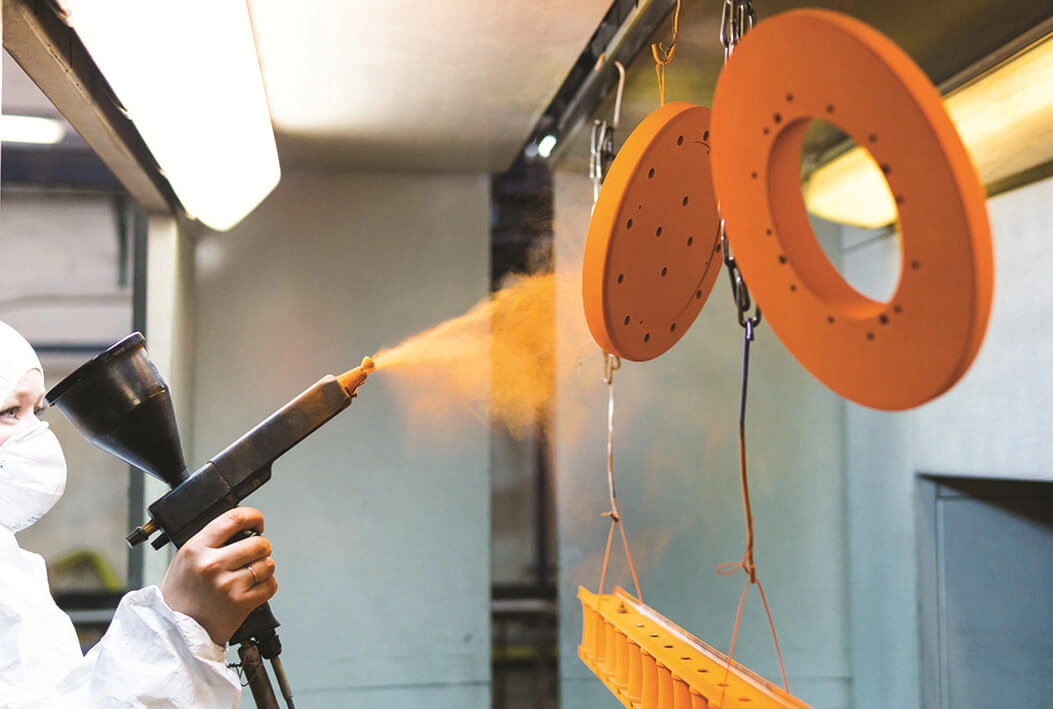
- Powder coating aluminium benefits: Applying dry powder followed by baking forms a tough, uniform layer resistant to chips, scratches, and fading. Powder-coated aluminium is a popular choice for architectural and automotive parts due to its UV resistance and long-lasting colour.
- Electroplating: This method deposits a thin metal layer (like nickel or chrome) onto the aluminium, enhancing wear resistance and giving a mirror-like finish that’s sought after in decorative and functional applications.
- Painting with UV-resistant aluminium paints: Specialised paints help shield aluminium surfaces from sunlight degradation, making them ideal for outdoor applications like signage and window frames.
- Clear coatings and sealants: Often applied over anodised or painted surfaces to boost corrosion resistance and extend the lifespan without changing the look.
These coating and plating finishes can be customised to meet industry-specific demands, providing a balance between aesthetics and performance. Whether you need corrosion resistance for marine equipment or a sleek look for consumer products, selecting the right finish makes a big difference in durability and maintenance.
For a guide on preparing aluminium before applying these finishes, see our resource on aluminium extrusion surface preparation.
Benefits and Applications Tailoring Finishes to Your Industry
Performance Gains
Choosing the right aluminium surface finish can significantly boost your product’s performance. Here’s how different finishes can add value across industries:
| Finish Type | Performance Benefit | Industry Use |
|---|---|---|
| Anodised aluminium coating | Enhances corrosion resistance | Marine, automotive |
| Powder coating aluminium | Offers UV resistance and durability | Outdoor equipment, construction |
| Brushed metal finish | Hides scratches and wear | Appliances, electronics |
| Mechanical finishes | Improves surface hardness | Aerospace, manufacturing |
| Chemical and electrochemical finishes | Provides consistent texture and protection | Architecture, signage |
Key performance gains to expect:
- Corrosion resistance: Critical for harsh environments like coastal or industrial sites.
- Durability: Powder coatings and anodising protect against wear and UV damage.
- Aesthetic appeal: Finishes like brushed or mirror polish elevate product style without sacrificing strength.
- Surface hardness: Mechanical finishes help reduce damage during handling and use.
- Custom functionality: Surface texturing can improve grip, reduce glare, or prepare the metal for other coatings.
Tailoring your aluminium finish to the industry’s needs ensures you get the best balance of function and longevity. Whether it’s enhancing weather resistance for outdoor gear or ensuring a sleek look for consumer electronics, the right surface finish can deliver real-world performance gains.
Benefits and Applications Tailoring Finishes to Your Industry
Real World Applications and Case Studies
Choosing the right aluminium surface finish can make or break your project’s success. Different industries have unique needs, and surface finishes help meet those requirements. Here’s a quick rundown of how various finishes apply in the real world across industries:
| Industry | Common Finish Types | Key Benefits | Example Use Case |
|---|---|---|---|
| Construction | Anodised aluminium coating, Mill finish | Corrosion resistance, durability | Window frames, curtain walls |
| Automotive | Powder coating, Brushed metal finish | UV resistance, scratch protection | Exterior trim, engine parts |
| Electronics | Mirror finish aluminium, Chemical finishes | Reflectivity, smooth surfaces | Heat sinks, housings |
| Food and Beverage | Polished aluminium, Electrochemical finishes | Cleanability, corrosion resistance | Food processing equipment |
| Aerospace | Mechanical aluminium finishing, Anodised | Lightweight protection, wear resistance | Aircraft components |
Case Study:
A Midlands-based manufacturer specialising in outdoor lighting switched from a basic mill finish to powder-coated aluminium with UV-resistant paint. The new finish reduced maintenance costs by 30% due to longer-lasting protection against weather, sun, and corrosion.
Why This Matters:
- The right surface finish can extend product life
- Enhances appearance and brand appeal
- Reduces downtime and maintenance costs
- Ensures compliance with industry standards
When selecting finishes, think about environment, handling, and end use. Tailoring your aluminium surface finish to specific applications helps you stay competitive while meeting practical needs.
How to Select and Maintain the Right Aluminium Surface Finish
Step by Step Selection Guide
Choosing the right aluminium surface finish can feel overwhelming with all the options available. Here’s a simple step-by-step guide to help you pick the best finish for your needs:
- Identify the End UseThink about where and how the aluminium will be used. Will it be exposed to weather, heavy wear, or chemicals? For outdoor use, corrosion-resistant aluminium treatments like anodised aluminium coating or UV-resistant aluminium paints are solid picks. Indoor pieces might do well with powder coating aluminium benefits, which adds colour and durability.
- Consider AppearanceWhat look are you going for? A mirror finish aluminium applications demand extreme polish, while brushed metal finish techniques offer a more matte, textured look. Your aesthetic choice can impact your finish type.
- Evaluate Mechanical NeedsDoes the part require extra strength, slip resistance, or a specific texture? Mechanical aluminium finishing processes can add texture or hardness, which is vital for tools or outdoor equipment.
- Match Your BudgetSome finishes like plating finishes or custom aluminium surface texturing can be pricier. Balance your desired performance and appearance with your budget to avoid overspending.
- Check Environmental FactorsWill the aluminium face harsh weather, saltwater, or UV exposure? Selecting finishes with corrosion resistance or UV protection ensures your aluminium lasts longer and maintains its finish.
- Review Maintenance RequirementsSome finishes require regular upkeep. For low maintenance, powder coating or anodised finishes are great. Others, like mirror finishes, might need frequent polishing.
- Consult with Your SupplierTalk to your aluminium supplier or finishing expert for recommendations based on your project specifics. They can guide you on aluminium extrusion surface preparation and help tailor coatings to your industry needs.
By following these steps, you’ll pick a surface finish that fits performance, appearance, and durability. Next, we’ll look at how to keep that finish looking sharp with simple maintenance tips.
How to Select and Maintain the Right Aluminium Surface Finish
Maintenance Best Practices
Choosing the right aluminium surface finish is just the first step. Keeping that finish looking great and lasting long depends on proper maintenance. Here are some practical maintenance tips to follow:
- Regular Cleaning: Use mild soap and water to clean the surface regularly. Avoid harsh detergents or abrasive cleaners that can damage anodised aluminium coating or painted surfaces.
- Avoid Scratches: Use soft cloths or sponges when cleaning. For finishes like brushed metal or mirror finish aluminium, scratches are more noticeable and harder to fix.
- Protect from Corrosion: If your aluminium is in a harsh environment, apply corrosion-resistant aluminium treatments periodically. This helps prevent surface breakdown and extends the life of powder coating aluminium benefits.
- Check for Damage: Inspect surfaces regularly for chips, cracks, or peeling, especially on coated or plated finishes. Early repairs save costs and keep performance intact.
- UV Protection: For outdoor applications, finishes like UV-resistant aluminium paints need special care. Reapply protective coatings as recommended to avoid fading or chalking.
- Avoid Harsh Chemicals: Stay away from bleach or acidic cleaners, which can harm protective layers and alter the finish.
By following these simple practices, you’ll keep your aluminium surfaces looking sharp and performing well over time, no matter the type of finish you choose. Proper care is key to making the most of your investment in quality aluminium surface finish.
 English
  Chinese
  Spanish (Peru)
  German
  Korean
  Spanish (Spain)
  Italian