
Learn how to polish titanium step-by-step with expert tips for a mirror finish using the best tools and techniques for DIY and professional results.
If you’ve ever wondered how to polish titanium To achieve a flawless, mirror-like finish, you’re not alone. Titanium’s incredible strength and corrosion resistance come with a catch—it’s notoriously tough to shine without the right know-how. Whether you’re restoring a dull titanium ring, sprucing up bike frames, or preparing industrial parts, mastering the art of polishing titanium can feel like a challenge. In this guide, we’ll cut through the confusion and show you step-by-step how to polish titanium effectively, revealing tools, techniques, and insider tips that make all the difference. Ready to bring out titanium’s brilliant shine with confidence? Let’s get started!
Why Polishing Titanium Matters
Titanium is prized for its strength, light weight, and corrosion resistance. But polishing titanium can be tricky because of its hardness and tendency to form a stubborn oxide layer. Getting a smooth, mirror-like finish isn’t just about looks—it enhances durability and helps protect the surface from further oxidation.
Many people trying to polish titanium face common pitfalls such as uneven surfaces, scratching, or dull finishes. Without the right technique and tools, it’s easy to damage the metal or waste time.
Safety matters too. Grinding or buffing titanium can create fine dust or sparks, so always wear protective gear like gloves, eye protection, and a mask. Working in a well-ventilated area helps keep you safe during polishing.
Polishing titanium might take some patience, but with the right approach, you’ll bring out its natural shine and extend the life of your titanium parts or jewellery.
Understanding Titanium’s Unique Challenges Before Polishing
Titanium is known for being super durable and lightweight, but that also makes it tricky to polish. Its hardness means regular sanding and polishing tools might wear out faster or struggle to get a smooth finish. On top of that, titanium quickly forms a thin oxide layer when exposed to air or heat, which can interfere with the polish and make the surface look dull or blotchy.
Because titanium is tough to work with, you need the right sanding grits and polishing compounds designed specifically for it. Normal metal polish or buffing wheels won’t give you the mirror finish you want. Plus, if you’re not careful, the oxidation can cause discolouration or even pits on the surface.
In short: titanium’s hardness and tendency to oxidise make it a unique metal to polish. That’s why understanding these challenges upfront helps you choose the right tools and techniques for the best results.
Essential Tools and Materials for Polishing Titanium
To achieve a great polish on titanium, having the right tools and materials is key. Here’s what you’ll need to make the process smooth and effective:
- Sandpapers with Grit ProgressionStart sanding with coarser grits like 320 or 400 to remove scratches or oxidation. Move up progressively to finer grits such as 600, 800, and then 1200 or even 1500 for a smoother surface. This step is critical to reduce surface roughness before polishing.
- Metal Polishes Made for TitaniumUse polishing compounds designed specifically for titanium or stainless steel. These compounds help bring out that signature titanium mirror finish without damaging the surface. Avoid overly abrasive compounds that could scratch or pit the metal.
- Buffing Wheels and PadsSoft buffing wheels like cotton or microfiber are perfect for achieving a high shine on titanium parts. Use separate wheels for cutting compounds and finishing polishes to keep the surface clean and free of debris.
- Special Abrasives and Diamond ToolsFor tougher imperfections or professional polishing, diamond abrasives work wonders on titanium. Also, vibratory finishing equipment with specialised media can aid in advanced polishing.
With these tools and materials ready, you’ll be well-equipped to tackle titanium polishing with confidence—whether it’s for rings, bike parts, or industrial items.
Step-by-Step Guide to Mechanical Polishing Method
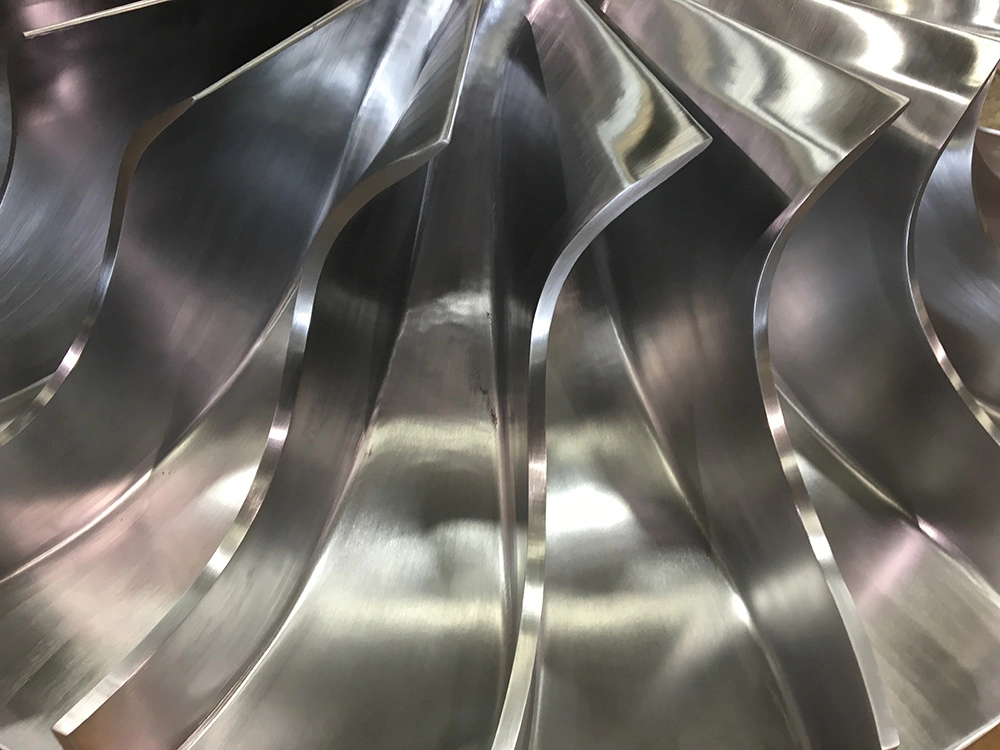
Polishing titanium mechanically is all about patience and moving through the right steps. Here’s a simple walk-through to get that smooth, mirror-like finish on your titanium parts.
1. Surface Preparation
- Start by cleaning the titanium to remove dirt, oils, or oxidation. Use warm water and mild soap. Dry it completely.
- Inspect the surface for scratches or dents that might need extra attention.
2. Rough Sanding
- Begin with a coarse grit sandpaper (around 240 grit) to remove major imperfections and any surface roughness.
- Sand evenly in one direction, applying moderate pressure. This step shapes the surface and preps it for finer sanding.
3. Intermediate Sanding
- Move to medium grit sandpapers (400 to 600 grit).
- Sand at right angles to the previous step to break up scratch patterns. This evens out the surface and smooths out rough sanding marks.
4. Fine Sanding
- Use fine grit sandpapers (800 to 1200 grit or higher) to refine the surface further.
- Keep the surface wet while sanding to reduce heat and prevent new scratches. This step is key to minimising titanium surface roughness.
5. Buffing
- Attach a buffing wheel suitable for metals to your polishing tool. Use a polishing compound designed for titanium or a fine metal polish.
- Buff the surface evenly at medium speed. This step begins to bring out the shine and reduces any remaining haze.
6. Final Shine
- For the final polish, switch to a softer buffing wheel and use a finer polishing compound or diamond abrasives designed for titanium.
- Lightly buff until you reach a mirror finish. Keep an eye out for hot spots or discolouration to avoid oxidation issues.
Following this mechanical polishing method gives you control and reliable results, whether you’re working on jewellery, bike frames, or industrial parts. Remember to wear safety glasses and a dust mask to protect against fine particles during sanding and buffing.
Advanced Polishing Techniques for Professional Results
If you want a truly flawless titanium mirror finish, basic sanding and buffing might not suffice. Here’s a quick look at some advanced polishing methods used by professionals:
- Electropolishing: This is an electrochemical process that smooths titanium surfaces by removing a thin layer of metal. It’s great for reducing surface roughness and oxidation without harsh abrasion. Electropolish titanium parts for a bright, corrosion-resistant finish.
- Vibratory Finishing: Using a bowl filled with abrasive media, this method gently polishes multiple titanium parts at once. It’s efficient for bike frames or jewellery batches and works well with diamond abrasives for a smooth, consistent shine.
- Lapping: A precision technique where a titanium piece is rubbed against a flat surface with a polishing compound. Lapping is ideal for achieving a perfectly flat, mirror-like finish with minimal surface defects.
- Plasma Polishing: This high-tech approach uses plasma to clean and polish the surface, removing oxides and smoothing at a microscopic level. It’s especially useful if you want ultra-clean titanium surfaces for high-end jewellery or industrial parts.
- Workspace Setup: When using these advanced techniques, keep your workspace clean and organised to avoid contamination. Use proper dust extraction and wear safety gear, especially with chemical processes like electropolishing.
These methods require specialised tools and sometimes professional expertise but deliver results far beyond regular sanding and buffing—perfect if you want your titanium parts to truly stand out.
Application Specific Tips Polishing Titanium for Jewellery Parts and More
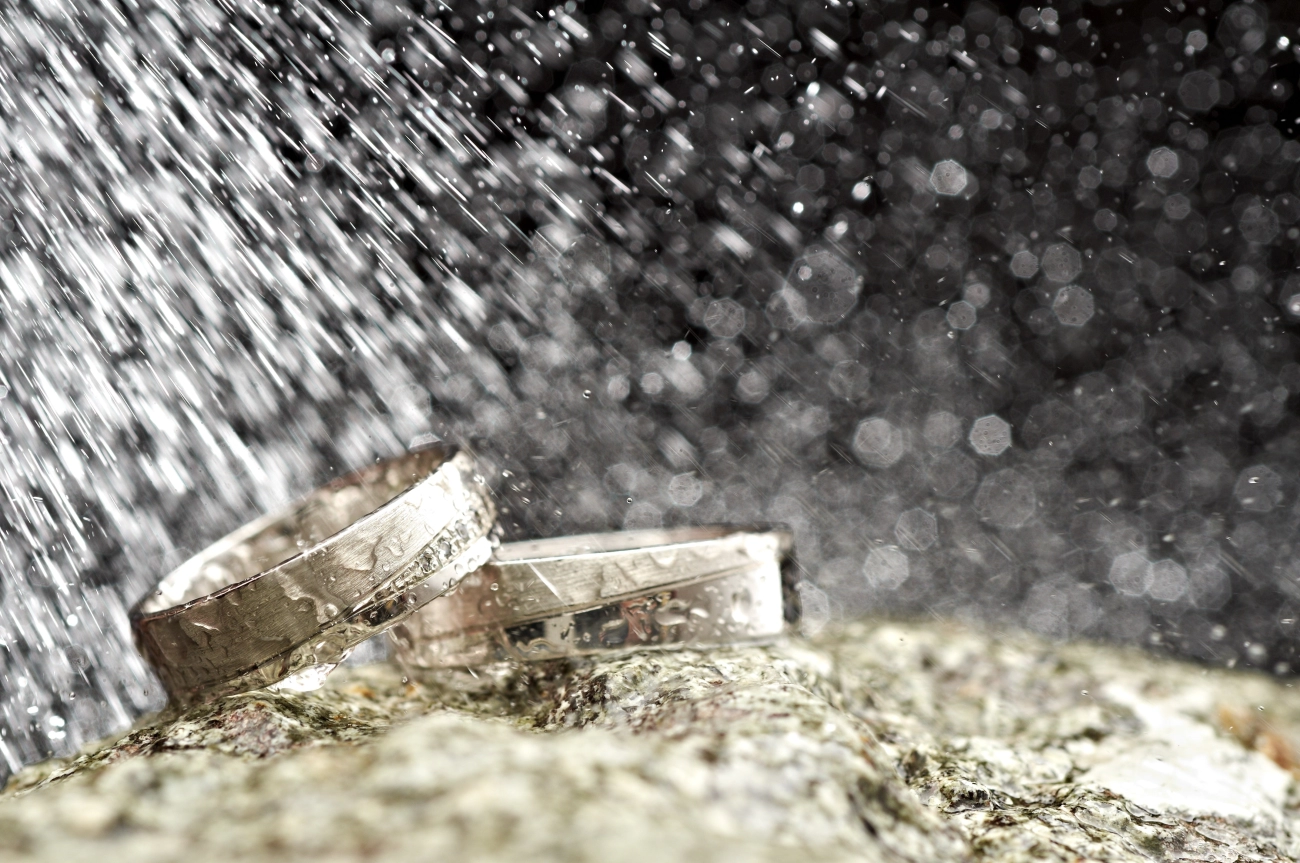
When polishing titanium for different uses, like jewellery or bike frames, the approach changes a bit to protect the item and get the best finish.
For Titanium Rings and Jewellery:
- Use gentle polishing techniques to avoid scratching delicate surfaces.
- Start with fine grit sandpaper (around 800 to 1500 grit) or diamond abrasives to smooth out scratches.
- Follow up with a polishing compound made for metals or a titanium-specific polish.
- Buff with a soft cloth or a low-speed buffing wheel to preserve details.
- Regular cleaning with mild soap and a soft brush keeps jewellery shiny without harsh chemicals.
For Bike Frames and Larger Parts:
- Begin with a rougher sanding grit (around 220 to 400 grit) to remove oxidation or scratches.
- Gradually move to finer grits up to 1500 or 2000 grit for a sleek finish.
- Consider using vibratory finishing or mechanical polishing for consistent results on large surfaces.
- Avoid aggressive polishing that can thin out frame edges or compromise strength.
- Applying a protective clear coat post-polish helps maintain shine and prevent oxidation.
Customization Tips:
- For engraving or patterns, polish around the customised area carefully to maintain sharpness.
- Use masking tape to protect areas you don’t want polished.
- Test polishes on a small spot first to see how the titanium reacts.
Maintenance:
- Clean polished titanium parts regularly with warm water and mild detergent.
- Avoid harsh chemicals to prevent oxidation or dullness.
- For minor dulling, a quick buff with a suitable compound brings back the shine.
Following these tips for your specific titanium item helps keep its look great and extends its life.
Troubleshooting Common Issues and Maintenance
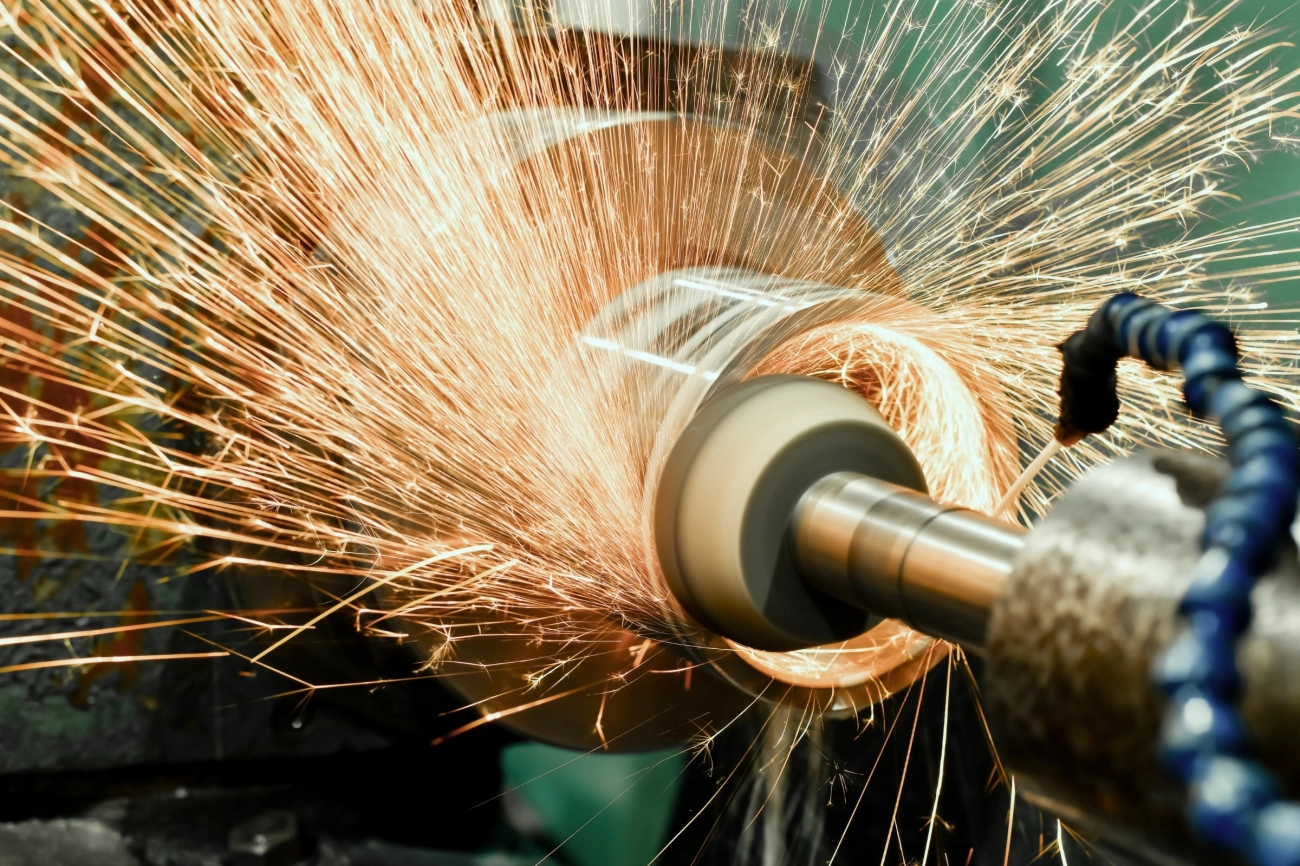
Polishing titanium isn’t always smooth sailing. If you notice blotchy finishes, pitting, or your titanium looking dull, it’s often due to uneven sanding, oxidation, or dirt trapped in the surface. Here’s how to fix those problems and keep your titanium looking great long-term:
Fixing Blotchy Finishes and Pitting
- Re-sand: Start with a finer grit sandpaper (around 600 to 800 grit) to even out the surface.
- Thoroughly clean: Use a mild detergent and soft brush to remove any debris before polishing again. Dirt can cause uneven polish spots.
- Apply a quality metal polish: Use a polish made specifically for titanium or containing diamond abrasives to fill in small pits and even reflections.
Addressing Dulling or Loss of Shine
- Buff gently: Use a soft buffing wheel with a non-abrasive compound to restore the mirror finish. Heavy rubbing can cause scratches, so keep it light.
- Check oxidation: Titanium surface oxidation is common. Use a purpose-built titanium oxidation remover or a gentle acid-based cleaner like citric acid for safe oxidation control.
Long-Term Care Tips
- Store titanium items away from harsh chemicals and extreme moisture to slow oxidation.
- Clean regularly with mild soap and water; avoid abrasive materials that can scratch the surface.
- Use a microfiber cloth for regular wiping to maintain shine without scratching.
Eco-Friendly Polishing Tips
- Choose biodegradable soaps and polishes whenever possible.
- Minimise abrasive wastes by sanding and polishing in small, controlled areas.
- Dispose of polishing residues properly to avoid environmental contamination.
By tackling these issues early and following proper maintenance steps, your titanium will keep its polished look longer and stay free from common surface problems.
Achieve Professional Titanium Polish with Vast
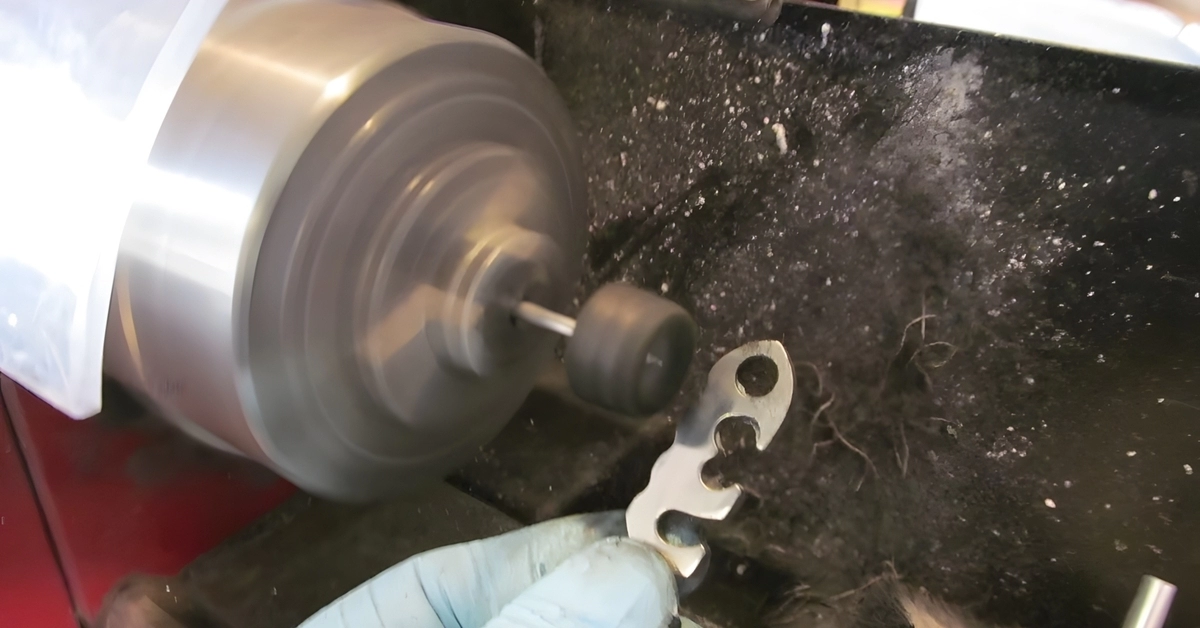
Polishing titanium to a mirror finish doesn’t have to be complicated. Remember the key steps: start with proper surface prep, move through sandpaper grit progression, and finish with the right buffing wheels and compounds. Don’t forget, titanium’s unique hardness and oxidation require patience and the right tools to avoid blotchy or dull results.
That’s where Vast comes in. Vast offers a complete range of titanium polishing tools designed specifically for United Kingdom customers who want reliable results on rings, bike parts, jewellery, or industrial components. Whether you need mechanical polishing abrasives or advanced compounds, Vast’s DIY kits and professional-grade supplies make it easier to get that high-shine finish every time.
If you’re serious about polishing titanium or want to improve your technique, check out Vast’s lineup—tools that help you work efficiently, prevent oxidation, and keep your titanium parts looking their best. Polishing titanium with Vast is a smart choice to achieve durable, professional-grade shine without the headaches.
FAQ Quick Answers to Titanium Electrolytic Polishing Questions
What is electrolytic polishing for titanium?
Electropolishing is a chemical process that smooths and shines titanium by removing a thin layer of metal. It helps achieve a mirror finish faster than mechanical polishing.
Can I get a mirror finish with electrolytic polishing?
Yes, electropolishing is great for a bright, mirror-like finish. It reduces surface roughness and removes oxidation, leaving titanium shiny and smooth.
How long does the polish last on titanium?
With proper care, an electrolytic polish can last a long time. Titanium resists corrosion well, but regular cleaning and avoiding harsh chemicals help maintain the shine.
Is electropolishing safe for titanium jewellery?
Yes, it’s safe if done correctly. It’s gentle and won’t weaken the material but requires professional equipment or DIY kits made for titanium.
Can I remove oxidation with electropolishing?
Absolutely. Electropolishing removes surface oxides that cause dullness, restoring titanium’s natural shine.
Do I need special equipment for electrolytic polishing?
You typically need a power supply, electrolyte solution, and a proper setup. There are DIY kits, but professional setups provide better, consistent results.
What polish type works best after electropolishing?
Use a mild, nonabrasive metal polish or a clean buffing wheel with a fine compound to keep the shine without scratching.
Can I combine mechanical polishing and electropolishing?
Yes. Mechanical sanding removes deep scratches, then electropolishing refines the surface and enhances the finish quality.
If you want to keep your titanium looking great with minimal effort, electropolishing is a solid choice. Just remember the right tools and maintenance make all the difference.
 English
  Chinese
  Spanish (Peru)
  German
  Korean
  Spanish (Spain)
  Italian