
Discover the key differences between bronze and copper including composition, properties, uses, and why they are not the same metal.
The Fundamentals: Defining Copper and Bronze
What Is Copper?
Let’s start with copper—this is a pure metal, shiny with a warm, reddish-orange glow that you might recognise from pennies or electrical wires. Copper is highly valued for its excellent electrical conductivity, corrosion resistance, and malleability, which means it’s easy to shape without breaking. You’ll find copper in everything from plumbing to electronics, thanks to its natural ability to conduct electricity and resist rust.
What Is Bronze?
Now, bronze isn’t a pure metal like copper. Instead, it’s an alloy, which means it’s made by mixing copper with other metals—most commonly tin. This mix creates a metal that’s harder and more durable than copper alone. Bronze often has a duller, browner colour compared to bright copper, and its corrosion resistance and strength make it ideal for tools, sculptures, and even musical instruments.
So, the key difference? Copper is a single metal, while bronze is a copper alloy, crafted for enhanced toughness and different physical properties. Keep this in mind as we dig deeper into how these metals compare and where each one shines.
Head-to-Head Comparison: Properties That Set Them Apart
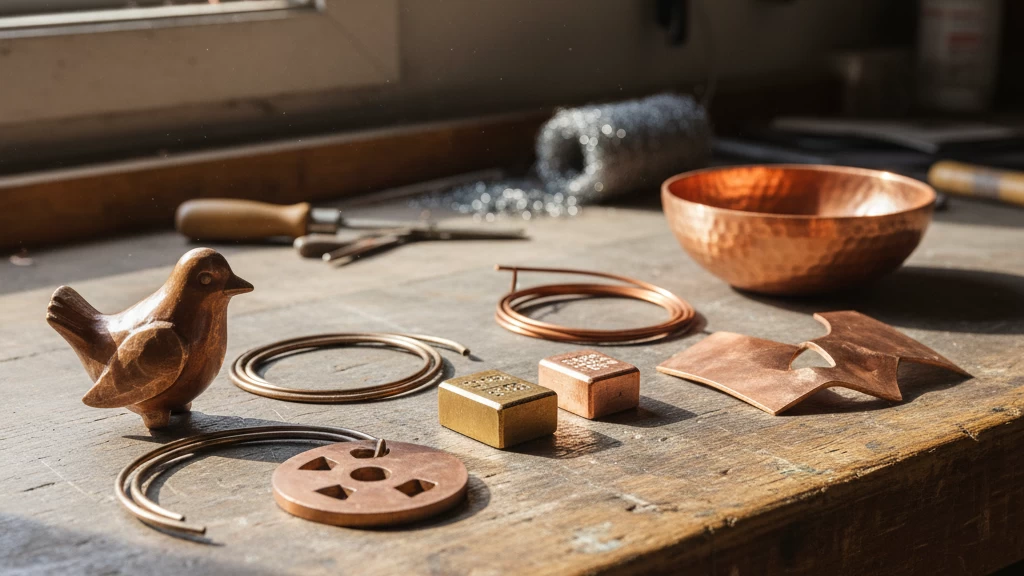
To understand if bronze and copper are the same, let’s look at what makes each unique:
| Property | Copper | Bronze |
|---|---|---|
| Type | Pure metal | Alloy (copper + tin + others) |
| Colour | Reddish-orange | Brownish or darker than copper |
| Strength | Softer, more malleable | Harder and more durable |
| Corrosion Resistance | Moderate, can patina over time | Better resistance to corrosion |
| Electrical Conductivity | High (one of the best) | Lower due to alloy content |
| Common Uses | Wiring, plumbing, roofing | Bearings, statues, gears |
So, copper is a pure metal famous for its high electrical conductivity and softness, while bronze is stronger and lasts longer because it’s a mix (alloy) that usually includes tin. This difference in composition is key and affects what each is best used for.
Historical Deep Dive: From Copper Age to Bronze Revolution
The story of copper and bronze dates back thousands of years, shaping human progress. It all started with the Copper Age, when people first learned to mine and work pure copper. This soft, reddish metal was easier to shape than stone, sparking early tools and ornaments. But copper’s softness limited its use for stronger tools or weapons.
Enter bronze—the game changer. Bronze is an alloy, mainly copper mixed with tin, making it much harder and more durable than pure copper. This innovation kicked off the Bronze Age around 3300 BCE, revolutionising everything from farming tools to armour and art. Bronze’s enhanced strength and corrosion resistance opened up new possibilities, leading to bigger leaps in technology and society.
So, while copper laid the groundwork, bronze took it further, marking a major turning point in history. Understanding this evolution helps explain why these “red metals” still matter today in different ways.
Real-World Applications: Where Each Shines (and Overlaps)
Copper’s Domain
Copper is a superstar when it comes to electrical wiring and plumbing. Thanks to its excellent electrical conductivity, it’s the go-to metal for everything from home wiring to electric motors. Plus, copper’s natural corrosion resistance makes it great for pipes and roofing, especially in humid or salty environments like coastal areas. You’ll also find copper in cookware and decorative items because of its attractive reddish colour.
Bronze’s Strengths
Bronze stands out for its toughness and resistance to wear and corrosion. It’s widely used in marine hardware, bearings, and sculptures. The addition of tin (and sometimes other metals) gives bronze more durability than pure copper, making it perfect for tools, weapons, and heavy-duty fittings. Bronze also handles outdoor exposure well, which is why you’ll see it in statues and architectural accents.
Overlaps and Swaps
Sometimes, copper and bronze swap places depending on the need. For example, in musical instruments, both are popular: copper for its warmth and bronze for its hardness and bright sound. They also compete in decorative hardware where looks and durability both count. If you need electrical parts with a bit more strength, bronze alloys are sometimes preferred, though pure copper usually rules the electrical scene.
Bottom line: copper shines in electrical and plumbing work, while bronze takes the crown when extra strength and corrosion resistance are a must. Many projects benefit from knowing which metal suits the job best.
Pros, Cons, and Buying Smart: Your Decision Guide
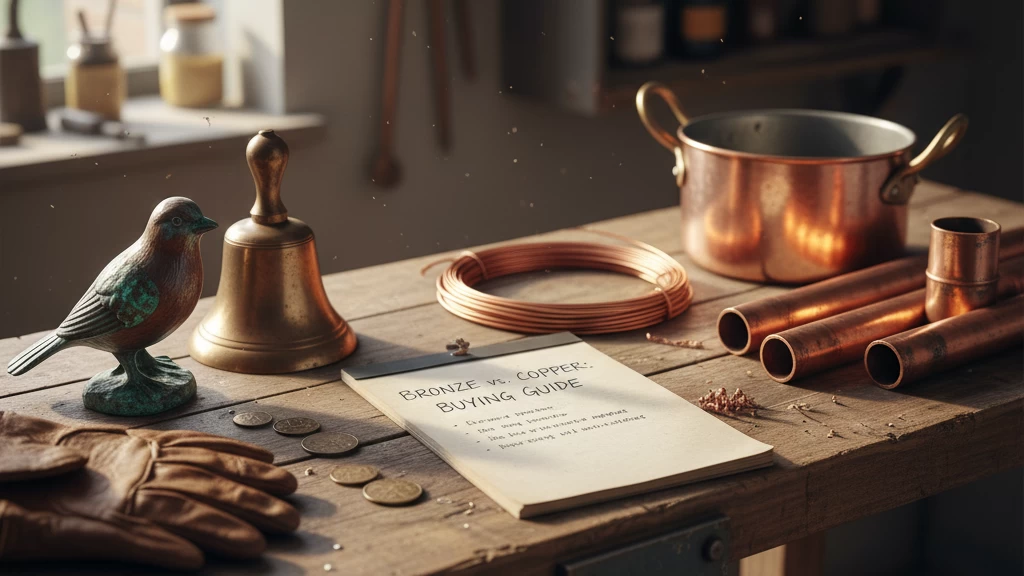
When deciding between copper and bronze, knowing their advantages and disadvantages can help you choose the right metal for your needs.
Copper Advantages/Disadvantages
Advantages: Excellent electrical conductivity, making it ideal for wiring and electronics
Easy to shape and work with
Naturally antimicrobial, so it’s great for plumbing and surfaces
Recyclable and widely available Disadvantages: Prone to tarnishing and corrosion when exposed to air and moisture
Softer metal, so it can dent or scratch more easily
Can be more expensive than some bronze alloys Advantages of bronze/Disadvantages
Advantages: Stronger and harder than pure copper, offering better durability
Superior corrosion resistance, suitable for outdoor and marine use
Attractive brownish-golden hue that doesn’t tarnish as quickly
Good for art pieces, statues, and tools due to its toughness Disadvantages: Lower electrical conductivity compared to copper
Can be more difficult to weld and shape because it’s an alloy
Different bronze alloys vary in quality, so shopping wisely is key Buying Tips Match the metal to your project: For electrical work or plumbing, copper is usually the best choice. For outdoor fixtures or sculptures, bronze performs better.
Check alloy specifics: When choosing bronze, understand what’s in it (usually tin) for the properties you need.
Budget wisely: Pure copper can be more expensive, but it offers unmatched conductivity. Bronze can save money if strength and corrosion resistance are priorities. Sustainability Perspective
Both copper and bronze are highly recyclable, reducing environmental impact. Copper mining can be energy-intensive, so buying recycled copper or bronze products helps lower your carbon footprint. Bronze’s durability means less frequent replacement, reducing waste over time.
Quick FAQ
Q: Is bronze just a type of copper?
A: Not exactly. Bronze is an alloy mainly made of copper and tin, making it harder and more corrosion-resistant than pure copper.
Q: Can I use bronze instead of copper for wiring?
A: It’s not ideal. Copper’s superior conductivity makes it the standard for electrical uses.
Q: Is bronze more expensive than copper?
A: It depends on the alloy, but bronze is generally cheaper when considering durability and maintenance over time.
Knowing these pros, cons, and tips will make your buying choice clearer and help you get the most from your metal investment.
Clear the Confusion and Elevate Your Projects
So, is bronze and copper the same? The short answer is no. Copper is a pure metal, known for its excellent electrical conductivity and warm reddish colour. Bronze, on the other hand, is an alloy—mainly copper mixed with tin—which gives it greater strength, durability, and corrosion resistance.
Understanding these differences helps you pick the right material whether you’re working on wiring, art pieces, outdoor fixtures, or machinery. Copper shines in electrical and plumbing uses thanks to its pure form, while bronze stands out when toughness and longevity matter.
When choosing between the two, think about your project’s specific needs: Do you need the natural conductivity of copper or the robust durability of bronze? Also, keep sustainability in mind—both materials are recyclable and available, but alloys like bronze can sometimes be more resistant to wear and weather.
In the end, knowing the difference between copper and bronze lets you clear any confusion and make smarter, stronger choices for your projects here in the United Kingdom. Whether you’re a DIY’er, builder, or artist, both metals have a place—but only you can decide which fits your job best.
 English
  Chinese
  Spanish (Peru)
  German
  Korean
  Spanish (Spain)
  Italian