
Discover the different kinds of drill bits for wood, metal, and masonry with expert tips to choose the right bit for every project and material.
Anatomy of a Drill Bit
Understanding the anatomy of a drill bit helps you pick the right one for your project. Let’s break down the key parts:
Shank: Types and Compatibility
The shank is the part that fits into your drill’s chuck. There are three common types:
- Straight shank: The most common, compatible with almost all standard drills.
- Hex shank: Designed for quick-change chucks and impact drivers, offering better grip to avoid slipping.
- SDS shank: Used in hammer drills and rotary hammers for heavy-duty tasks like drilling concrete.
Choosing the right shank type ensures your bit fits securely — no more slipped bits mid-project!
Flutes: Removing Debris
Flutes are the spiral grooves along the bit that channel debris out of the hole as you drill. Clean flutes mean faster drilling and less heat buildup. Sharp, well-designed flutes also reduce friction, helping your bit last longer.
Point Angle: 118° vs. 135°
The point angle influences how the bit cuts into material:
- 118° angle: Best for soft materials like wood and plastic. It bites gently, preventing splintering.
- 135° angle: Ideal for hard materials, like metal. This flatter angle offers better precision and durability under pressure.
Matching point angle to your material helps you drill clean, accurate holes.
Tip Designs and Precision
Tips come in various shapes to improve accuracy and efficiency:
- Standard twist tips: Versatile for many materials.
- Brad point tips: Perfect for woodworking, they grip wood fibres to prevent wandering.
- Split point tips: Self-centering for metal drilling, reducing walking on smooth surfaces.
In short, knowing these drill bit parts helps you pick the right bit, so you get smooth, precise results every time.
Drill Bit Materials and Coatings
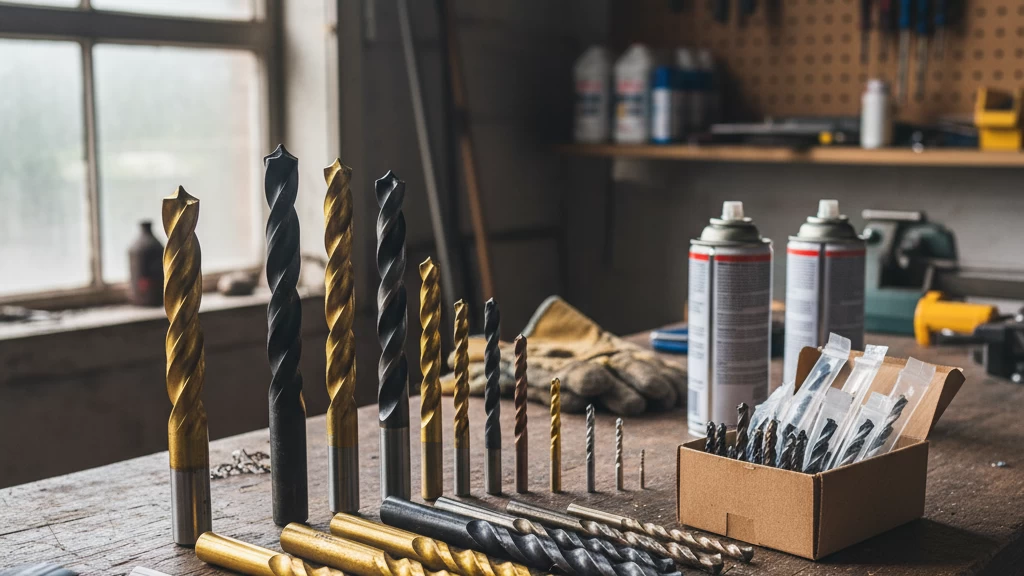
Choosing the right drill bit material and coating makes a big difference in your drilling experience, especially for different jobs and materials.
- High-Speed Steel (HSS): A solid, budget-friendly option. Great for general use drilling in wood, plastic, and soft metals.
- Cobalt: Made for tougher jobs. These bits handle heat better, perfect when drilling hard metals like stainless steel.
- Carbide-Tipped: Super tough and durable. Ideal for masonry, tile, and concrete where regular bits just won’t cut it.
- Titanium Nitride (TiN) Coating: This shiny gold coating reduces friction, helping bits stay sharp longer and work smoother.
- Black Oxide: Offers corrosion resistance and a bit more durability for everyday drilling tasks.
- Diamond-Coated: The go-to for fragile surfaces like glass and ceramics. They drill clean holes without cracking.
Brands like vast use premium coatings to boost performance, so their bits last longer and stay sharper, saving you time and money on replacements.
Main Types of Drill Bits by Material
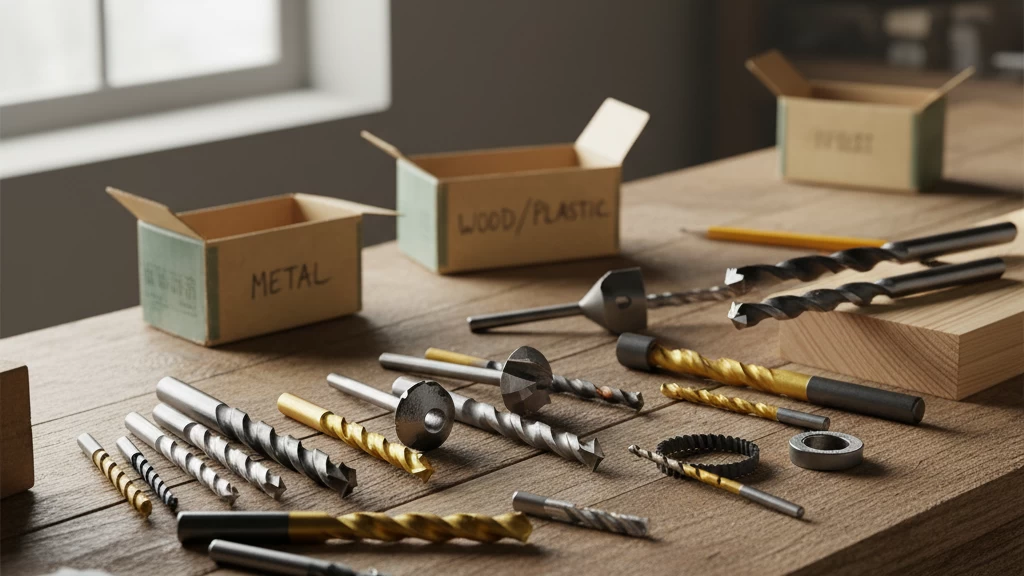
When choosing drill bits, the material you’re working with makes all the difference. Here’s a quick guide to the main types of drill bits sorted by material.
Wood Drill Bits
- Brad Point: Great for clean, accurate holes in wood since the sharp point prevents wandering.
- Spade (Paddle): Perfect for quick, rough holes in framing and larger wood pieces.
- Auger: Designed for deep, clean holes with a self-feeding screw tip that grips the wood as you drill.
- Forstner: Ideal for flat-bottom holes, commonly used for hinges, dowels, or precise woodworking projects.
Metal Drill Bits
- Twist: The most common type, versatile enough for steel, aluminium, and various alloys.
- Step: Features multiple sizes on one bit, excellent for thin sheet metal and quick size changes.
- Cobalt: Made for high-heat drilling in tough metals like stainless steel with extra durability.
- Annular Cutters: Used to create large, precise holes in thick metal, often in fabrication or construction.
Masonry Drill Bits
- Carbide-Tipped: The standard choice for hammer drills, perfect for drilling into concrete, brick, and stone.
- SDS-Plus/Max: Heavy-duty bits made for rotary hammers, handling tough masonry with ease.
- Multi-Material: Versatile bits that work on mixed surfaces — great if you’re tackling a range of materials without changing bits constantly.
Tile and Glass Drill Bits
- Spear-Point: Designed to prevent cracking on fragile materials like glass and tile with a sharp, pointed tip.
- Diamond-Core: Used to drill smooth, clean holes in porcelain and ceramics, ideal for delicate jobs where precision matters.
Knowing the right drill bit for your material can save time and give the cleanest results. Whether you’re working on wood framing or tough concrete, there’s a drill bit designed just for the task.
Specialty Drill Bits for Specific Jobs
When you need more than just a basic hole, specialty drill bits come in handy. Here’s a quick rundown of some common ones:
- Hole Saws: These bits cut large, circular holes in wood, drywall, or metal—perfect for installing door hardware, speakers, or plumbing pipes.
- Countersink Bits: Great for creating a recessed area so screw heads sit flush with or below the surface, giving your project a clean, finished look.
- Installer Bits: Extra-long drill bits designed to drill through studs and joists, making it easier to run wiring or pipes through walls.
- Pocket Hole Bits: Used mostly in woodworking, these create angled holes that let you join pieces quickly and securely, ideal for cabinets or furniture.
- Rivet Bits: Made for drilling precise holes in thin metal sheets, helping ensure a tight fit for rivets without damaging the material.
Each specialty bit serves a unique purpose, so picking the right one depends on your specific task and material.
Drill Bit Sizes and Shanks
Drill bits come in various sizes, commonly measured using fractional, letter, and metric charts. Fractional sizes are often used in the United Kingdom, like 1/4” or 3/8”, while letter sizes (A, B, C, etc.) and metric (millimetres) are common too. Knowing your size chart helps pick the exact bit for the job, whether it’s for a small pilot hole or a larger cut.
When it comes to shanks, there are a few key types to keep in mind:
- Round shanks fit most standard drill chucks and are the most common.
- Hex shanks are designed for impact drivers and prevent slipping, making them ideal for tougher jobs.
- SDS shanks fit into hammer drills for heavy-duty concrete or stone work.
For larger holes, you might see reduced-shank bits (sometimes called “silver and deming”). These have a smaller shank than the bit’s cutting diameter, so they fit regular drill chucks even though the hole size is bigger. This helps you use bigger bits without needing a specialised chuck.
Understanding these sizes and shank types can save you time and avoid frustration, especially when working with different tools or materials on your projects.
How to Choose the Right Drill Bit
Picking the right drill bit makes all the difference. Start by knowing your material and project needs:
- Material: Wood, metal, masonry, tile—all need different bits.
- Project type: Big holes, fine details, or fast rough work?
Match Speed, Feed Rate, and Lubrication
- Use slower speeds and steady pressure on metal to avoid burning.
- Faster speeds work well for wood.
- Apply lubrication (like cutting oil) when drilling hard metals to extend bit life.
Why Pilot Holes Matter
Pilot holes guide the drill to start cleanly, reducing bit wandering and improving precision, especially in hardwood or metal.
Common Mistakes to Avoid
| Mistake | Impact | How to Avoid |
|---|---|---|
| Using wrong bit material | Bit dulls quickly or breaks | Match bit to your material |
| Too much pressure | Overheats slightly, poor hole quality | Use steady, moderate feed |
| No lubrication on metal | Bit wears quickly | Apply cutting oil or lubricant |
| Skipping pilot holes | Bit slips and holes misalign | Drill pilot hole first |
Extensive Recommendations for DIY and Professionals
- DIY Enthusiasts: Start with versatile sets including HSS twist bits and spade bits for wood.
- Advantages: Invest in cobalt or carbide bits for durability and tough jobs.
- Keep a variety of Shank types To fit your drill (straight, hex, SDS).
- Store bits properly to keep them sharp and ready.
Choosing the right one means less frustration, cleaner holes, and longer bit life. Plan your job, select the appropriate bit, and you’ll achieve professional results every time.
Maintenance and Sharpening Tips for Drill Bits
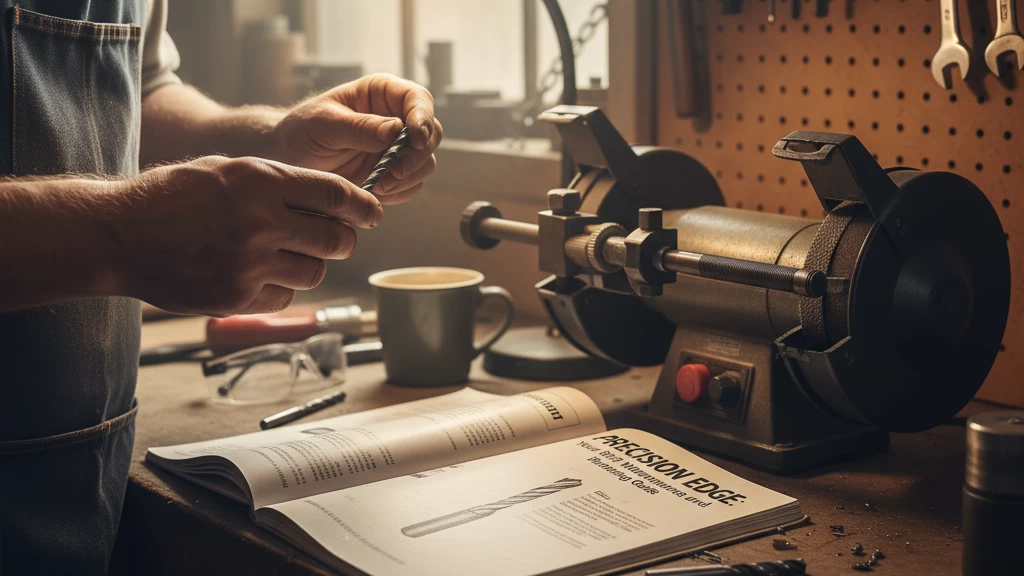
Keeping your drill bits in good condition saves time and money. Here’s how to maintain them properly:
- Clean after use: Wipe bits with a dry cloth to remove dust, wood chips, metal shavings, or masonry dust. For sticky residue, use a little rubbing alcohol. Clean bits last longer and perform better.
- When to sharpen versus replace:
- Sharpen your bits if they’re dull but not damaged. A sharp bit cuts more smoothly and reduces heat build-up. You can use a drill bit sharpener or a bench grinder, but be careful to maintain the correct angle (usually 118° or 135° depending on the bit).
- Replace your bits if they’re chipped, bent, or worn down too much. Trying to sharpen heavily damaged bits can cause breakage or poor results.
- Storage solutions:
- Keep drill bits in a dedicated case or organiser with individual slots. Avoid tossing them loose in a toolbox where they can get nicked or rusted.
- Store in a dry spot to prevent corrosion, especially on black oxide or titanium-coated bits.
- Consider magnetic strips or labelled racks for easy access and quick bit swaps during projects.
Simple upkeep like this ensures your drill bits perform consistently, whether you’re drilling wood, metal, or masonry around your home.
Safety Tips When Using Drill Bits
Using drill bits safely is key to getting the job done right without injury or damage. Here are some simple but important safety tips:
- Always wear eye protection. Drilling can send metal shavings, wood chips, or dust flying. Safety glasses or goggles protect your eyes from debris.
- Secure your workpiece. Clamp down what you’re drilling to keep it stable. This prevents slipping that could cause injury or mess up your holes.
- Avoid overheating the bit. Heat can weaken or break drill bits. Use proper speed settings, apply steady pressure, and add cutting oil or water when needed to cool the bit.
- Don’t force the bit. Let the drill do the work. Pushing too hard can cause bend or breakage.
- Check bits before use. Inspect for dullness, cracks, or damage to avoid unexpected breaks or poor results.
- Use the right bit for the material. Using a metal bit on masonry, or vice versa, can ruin the bit and your project.
Following these tips will help you stay safe and protect your drill bits for longer-lasting performance.
 English
  Chinese
  Spanish (Peru)
  German
  Korean
  Spanish (Spain)
  Italian