
Discover everything about material metals including types, properties, applications, and expert tips for selecting the best metals in modern industries.
What Are Material Metals? Core Definitions and Basics
When we talk about material metals, we’re referring to elements known for their ability to conduct heat and electricity, their strength, and their shiny, often silver-gray appearance. Metals are typically found on the left and centre of the periodic table. Unlike non-metals, metals are good conductors and tend to be malleable and ductile, meaning they can be shaped or stretched without breaking.
Metallic bonding—the glue that holds metal atoms together—is quite unique. Imagine a sea of electrons flowing freely around positively charged metal ions. This “electron sea” allows metals to conduct electricity and heat efficiently while giving them flexibility and strength.
Metals have a long history, dating back thousands of years. Ancient civilizations forged the first alloys like bronze (a mix of copper and tin), which revolutionised tools and weapons. Fast forward to today, modern alloys like stainless steel and titanium provide unmatched performance in industries from construction to aerospace.
Let’s clear up a common myth: not all metals rust. Rust specifically refers to iron oxidation, so precious metals like gold or non-ferrous metals like aluminium resist rusting, though they may corrode in other ways.
In short, material metals are versatile, foundational elements whose unique bonding, structure, and history make them indispensable in countless applications.
Classification of Material Metals
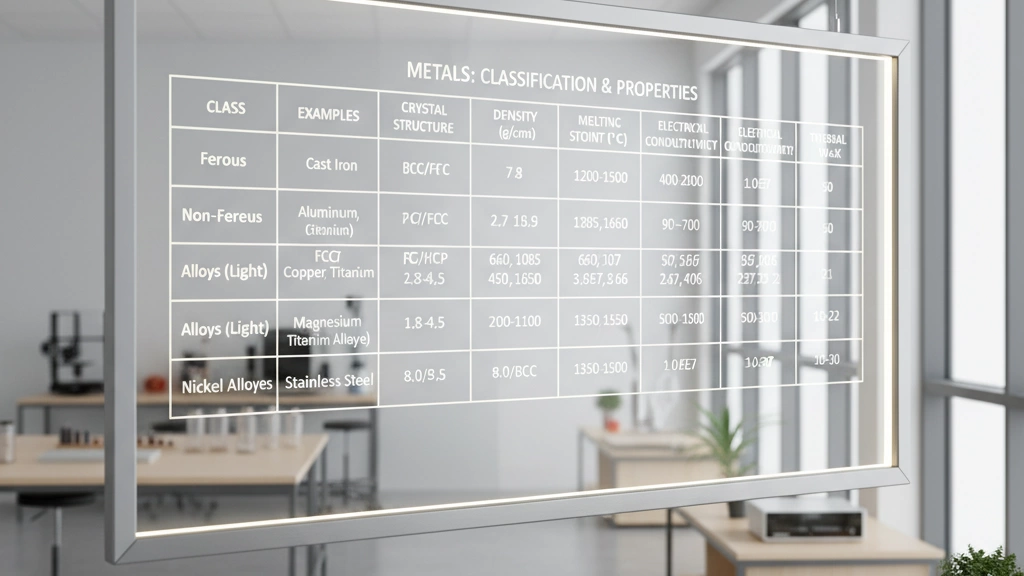
When it comes to material metals, understanding the main categories helps you pick the right one for your project. Here’s a quick breakdown:
Ferrous Metals (Iron-Based)
These contain iron and are usually magnetic. They’re strong and widely used in construction and manufacturing.
- Steel: Versatile and strong, great for everything from buildings to cars.
- Cast Iron: Hard and brittle, often used in pipes and heavy machinery.
- Wrought Iron: Malleable and tough, popular for decorative gates and fencing.
Non-Ferrous Metals
These don’t have iron, so they’re typically lighter, more corrosion-resistant, and non-magnetic.
- Aluminium: Lightweight, resistant to rust, ideal for aerospace and packaging.
- Copper: Excellent electrical conductor, used in wiring and plumbing.
- Titanium: Strong but lightweight, great for aerospace and medical implants.
- Zinc: Used mainly for coatings to prevent rust, like galvanising steel.
Precious Metals
Known for their rarity and value, these metals go beyond jewellery in industries like electronics and dentistry.
- Gold: Non-corrosive and conductive, used in electronics and high-end connectors.
- Silver: Best electrical conductor, also antibacterial properties for medical uses.
- Platinum: Highly resistant to wear and chemicals, used in catalytic converters and medical devices.
Alloys
Combining metals creates alloys that blend strengths and reduce weaknesses.
- Brass (copper + zinc): Durable and corrosion-resistant, used in plumbing and musical instruments.
- Bronze (copper + tin): Tough and wear-resistant, ideal for bearings and sculptures.
- Stainless Steel (steel + chromium): Corrosion-resistant and strong, commonly found in kitchen tools and medical equipment.
| Category | Examples | Key Traits | Common Uses |
|---|---|---|---|
| Ferrous | Steel, Cast Iron, Wrought Iron | Strong, magnetic, rust-prone | Construction, machinery |
| Non-Ferrous | Aluminium, Copper, Titanium, Zinc | Lightweight, corrosion-resistant | Aerospace, wiring, coatings |
| Precious Metals | Gold, Silver, Platinum | Rare, conductive, corrosion-resistant | Electronics, jewellery, medical |
| Alloys | Brass, Bronze, Stainless Steel | Enhanced strength & durability | Plumbing, tools, kitchenware |
This classification helps you identify which metal suits your needs, whether it’s strength, weight, corrosion resistance, or price. Knowing these basics keeps your project on track right from the start.
Key Properties of Material Metals
When choosing a material metal, knowing its key properties helps ensure you get the right fit for your project. Here’s a quick breakdown of the main traits:
Physical Properties
- Density: How heavy a metal is for its size—important for weight-sensitive jobs like aerospace or automotive.
- Melting Point: The temperature at which a metal turns to liquid; crucial for processes like casting or welding.
- Ductility: Ability to stretch into wire without breaking—copper and aluminium are great examples.
- Malleability: How easily a metal can be hammered or rolled into thin sheets, like gold or aluminium.
Mechanical Properties
- Strength: How much force a metal can handle before it breaks or deforms.
- Hardness: Resistance to surface scratches and dents, tested often with Rockwell or Brinell scales.
- Toughness: The metal’s ability to absorb energy before fracturing—a key factor in impact resistance.
- Elasticity: How well a metal returns to its original shape after bending or stretching.
Thermal and Electrical Properties
- Conductivity: Metals like copper and silver are top conductors of heat and electricity, making them ideal for wiring and electronics.
- Expansion Coefficient: This shows how much a metal expands or contracts with temperature changes, important in construction and manufacturing.
Chemical Properties
- Corrosion Resistance: How well a metal stands up to rust or other chemical breakdown. Stainless steel and aluminium resist corrosion better than plain iron.
- Reactivity: Some metals like aluminium form protective oxide layers; others like iron rust easily if exposed to moisture.
Testing Methods
- Hardness Testing (Brinell/Rockwell): Measures surface hardness by pressing an indenter into the material.
- Tensile Strength Testing: Evaluates how much pulling force a metal can withstand before breaking.
Knowing these properties through reliable testing helps you pick metals that work best under your project’s conditions, whether that means strong steel for building or corrosion-resistant aluminium for outdoor use.
Common Applications of Material Metals Across Industries
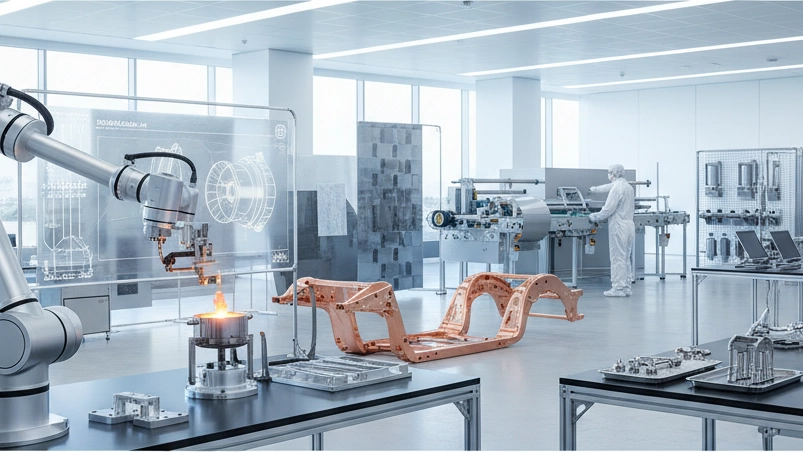
Material metals shape many industries in the UK, each choosing metals based on strength, weight, and durability.
Construction
- Structural steel is the backbone of buildings and bridges, offering toughness and flexibility.
- Aluminium framing is popular for its light weight and resistance to rust, perfect for windows and exterior panels.
Automotive & Aerospace
- Lightweight alloys like aluminium and magnesium help improve fuel efficiency.
- Titanium is used in aircraft engines and high-performance cars for its strength and heat resistance.
Electronics
- Copper wiring is king for electrical conductivity in homes and devices.
- Gold plating protects delicate contacts in phones and computers from corrosion and ensures reliable connections.
Manufacturing & Tools
- High-speed steel tools cut faster and last longer under heat.
- Carbide-tipped tools offer extreme hardness for heavy-duty machining and fabrication.
Consumer Goods
- Stainless steel is common in kitchens—think sinks, appliances, and utensils—thanks to its corrosion resistance.
- Zinc plays a key role in batteries and as a protective coating to prevent rust.
Real-World Case Study
Custom metal fabrication projects in the UK often combine metals like steel and aluminium to balance cost and performance—whether for commercial buildings or specialty vehicles.
Understanding these varied applications helps you pick the right metal—whether you’re building, manufacturing, or just upgrading your home.
How to Select the Right Material Metal

Choosing the right material metal can be tricky. To make the best choice, focus on these key factors:
- Cost: Balance budget with performance—steel is usually cheaper than aluminium but heavier.
- Environment: Think about exposure to weather, moisture, or chemicals. Some metals resist corrosion better.
- Load-Bearing Needs: For heavy structural use, metals like steel and cast iron are strong options. For lighter needs, aluminium works well.
- Sustainability: Recycled metals and eco-friendly sourcing matter more now. Opt for metals with strong recycling records.
Steel vs. Aluminium: Weight and Cost Comparison
| Aspect | Steel | Aluminium |
|---|---|---|
| Weight | Heavier (about 2.7x) | Much lighter |
| Cost | Generally lower | More expensive |
| Strength | High | Moderate |
| Corrosion | Needs protection | Naturally corrosion-resistant |
| Common Uses | Construction, tools | Aerospace, framing |
Copper vs. Alternatives: Conductivity and Cost
| Metal | Electrical Conductivity | Cost | Corrosion Resistance |
|---|---|---|---|
| Copper | High | Moderate-High | Moderate |
| Aluminium | Moderate | Lower | Good |
| Silver (precious) | Highest | Very high | Excellent |
Pro Tips for Choosing Metals
- Always check industry standards like ASTM or ISO to ensure specs meet your project’s needs.
- Consider lifecycle costs, not just upfront prices—some metals save money long term with less maintenance.
- Use testing services to verify metal quality and performance for peace of mind.
- When sourcing, seek suppliers that offer tailored advice and local support for your area.
Selecting the right material metal is about matching properties to your project demands while balancing cost and environmental impact. With a clear approach, you’ll find the metal that works perfectly for your needs.
Processing and Fabrication Techniques for Material Metals
When working with material metals, knowing the right processing and fabrication methods is key. Here’s a quick rundown of the most common techniques used across industries in the United Kingdom:
Common Fabrication Methods
- Casting: Molten metal is poured into moulds to create complex shapes. It’s cost-effective for large parts but less precise.
- Forging: Metal is shaped by hammering or pressing, which improves strength by aligning its grain structure. You’ll see this in tools and automotive parts.
- Extrusion: Metal is pushed through a shaped die to make long pieces like pipes or beams. It’s great for creating uniform profiles.
- Machining: Cutting or shaping metal using tools like lathes and mills. It’s precise and used for finishing or custom parts.
Surface Treatments to Boost Performance
- Galvanising: Coating steel or iron with zinc to prevent rust—common in outdoor and construction materials.
- Anodising: Mainly for aluminium, this electrochemical process thickens the surface oxide layer, improving corrosion resistance and appearance.
- Powder Coating: Applying dry powder then baking it to form a tough, colourful layer that protects metal from scratches and weather.
Safety and Best Practices
- Always wear protective gear like gloves and eye protection when handling or fabricating metals.
- Ensure proper ventilation, especially during welding or processes that release fumes.
- Follow standardised procedures (like OSHA guidelines) to avoid accidents and material damage.
- Keep sharp tools and hot metals away from untrained personnel to prevent injuries.
Choosing the right fabrication and surface treatment depends on the metal type, intended use, and environmental factors—key for long-lasting, quality results.
Sustainability and Future Trends in Material Metals
Sustainability is a major concern in the metal industry today—especially in the United Kingdom, where environmental concerns and regulations are continually increasing. Recycling rates for metals like aluminium, steel, and copper are higher than ever, helping to reduce the need for new mining. Eco-friendly mining practices are also improving, reducing environmental impact and conserving resources.
On the innovation front, smart alloys that can adapt to conditions, nanomaterials that enhance strength without adding weight, and 3D-printed metals are all transforming the industry. These advanced materials promise better performance and efficiency, particularly in sectors like aerospace and automotive.
However, the metal supply chain faces challenges. Rare earth metals—essential for many modern alloys and electronics—are limited and often sourced from unstable regions. This creates risks for a steady supply and price fluctuations, making sustainable sourcing more important than ever.
At Vast, we are committed to addressing these challenges by focusing on green alternatives and responsible sourcing. Our aim is to provide material metals that not only meet your performance requirements but also support environmental stewardship and long-term sustainability.
 English
  Chinese
  Spanish (Peru)
  German
  Korean
  Spanish (Spain)
  Italian