
Learn how to cast aluminium at home with step-by-step guides on furnaces, moulds, melting, pouring, and safety for beginners and DIY enthusiasts.
If you’ve ever wanted to try metal casting aluminium at home—but felt overwhelmed by all the techniques, tools, and safety gear—this guide is exactly what you need. Casting aluminium is perfect for beginners thanks to its relatively low melting point and the abundance of scrap you can source cheaply or even free. Whether you want to create custom parts, art pieces, or practical workshop items, mastering the basics of aluminium casting will open up a whole new world of DIY possibilities.
In this post, you’ll get clear, actionable steps on how to build your own furnace, choose the right mould materials, melt and pour aluminium safely, and avoid the common pitfalls many beginners face. Plus, we’ll break down the best home casting methods—from simple green sand casting aluminium to more advanced lost foam techniques—so you can find the perfect fit for your skill level and project goals. Ready to start your backyard foundry journey? Let’s dive in!
Safety First – Non-Negotiable Rules for Aluminium Casting
When it comes to metal casting aluminium, safety isn’t just important—it’s absolutely non-negotiable. Molten aluminium runs at around 1,220 °F (660 °C), and even small splashes can cause serious burns or start fires. So before you light that furnace, gear up and follow these critical safety rules.
PPE Checklist: Gear Up Like a Pro
- Leather gloves (not synthetic!) to protect hands from heat and sparks.
- Face shield to guard against molten metal splashes and flying debris.
- Foundry apron made from leather or heavy-duty canvas to shield your body.
- Long-sleeve cotton clothing—synthetic fabrics melt quickly and adhere to the skin.
- Respirator mask if you are melting scrap or using flux; fumes can be be hazardous.
- Closed-toe leather boots to protect your feet from spills and falling objects.
- Safety glasses under your face shield for additional eye protection.
Never omit any of these. Half measures here can lead to costly injuries.
Fire Prevention — Moisture Is Your Enemy
- Absolutely no moisture anywhere near your furnace or metal! Water hitting molten aluminium causes explosive steam bursts that can spray molten metal everywhere.
- Dry your scrap metal thoroughly before melting. Store all materials in a dry environment.
- Keep a fire extinguisher rated for metal fires (Class D) within easy reach.
Ventilation & Workspace Setup
- Always work in a well-ventilated area or outdoors. Melting aluminium and fluxes release fumes that can be harmful if inhaled.
- Avoid confined spaces; open air reduces the risk of toxic build-up and fire hazards.
- Keep your workspace clean and free of clutter to avoid tripping hazards around hot equipment.
First-Aid Basics for Molten Metal Burns
- If molten metal splashes on your skin, immediately cool the area with plenty of cold water—do NOT try to scrape the metal off.
- Call for medical help right away if the burn is large or severe.
- Keep a first-aid kit focused on treating burns handy near your casting station.
Remember, the best way to enjoy backyard metal casting aluminium is to keep yourself safe first. Treat molten aluminium with respect, gear up properly, and make safety your top priority every time. Your future self—and your fingers—will thank you!
Choosing Your Aluminium Casting Method
Picking the right aluminium casting method depends on your skill level, budget, and the detail you want in your finished piece. Here’s a quick rundown to help you decide:
| Casting Method | Advantages | Disadvantages | Best For |
|---|---|---|---|
| Green Sand Casting | Easy to learn, cheap materials | Surface finish rougher, less detail | Beginners, simple shapes |
| Petrobond (Oil-Bonded) | Better detail than green sand | More expensive, harder to reuse | Medium detail, durable moulds |
| Lost-Foam Casting | No need for sand, complex shapes | Requires foam patterns, cleanup | Intricate shapes, smooth finish |
| Lost-PLA / Investment | High detail, smooth surface finish | Time-consuming, expensive materials | Fine detail, small parts |
| Basic Die Casting (DIY) | Fast production, smooth parts | Requires steel dies, advanced skills | Small runs, precision parts |
Green Sand Casting
This is the go-to for beginners. You mix sand, clay, and water to form a mould around your pattern. It’s affordable and quick, perfect for backyard metal casting projects. Expect a rougher surface but great for learning the basics.
Petrobond / Oil-Bonded Sand
If you want better detail and a tougher mould than green sand, petrobond is your friend. It uses an oil binder instead of water, giving crisper details and smoother surfaces but costs more. Good if you’re stepping up your game.
Lost-Foam Casting
Using styrofoam patterns that vaporise when the aluminium is poured, lost-foam lets you cast complex shapes without traditional sand moulds. It’s neat but requires careful pattern prep and is a bit messier.
Lost-PLA / Investment Casting
This method is great for super detailed parts. You print or carve a PLA pattern, then invest it in a ceramic shell before melting the pattern out. You get smooth, detailed castings but it’s more involved and expensive.
Basic DIY Die Casting
For the advanced metal caster ready to build steel dies, die casting offers fast turnaround and precision. It’s costly in time and materials but great for small batches where finish and accuracy matter.
Pick your method based on what fits your project, skill, and budget. For most backyard metal casting fans, green sand or petrobond is the best starting place.
Building or Buying a Melting Furnace
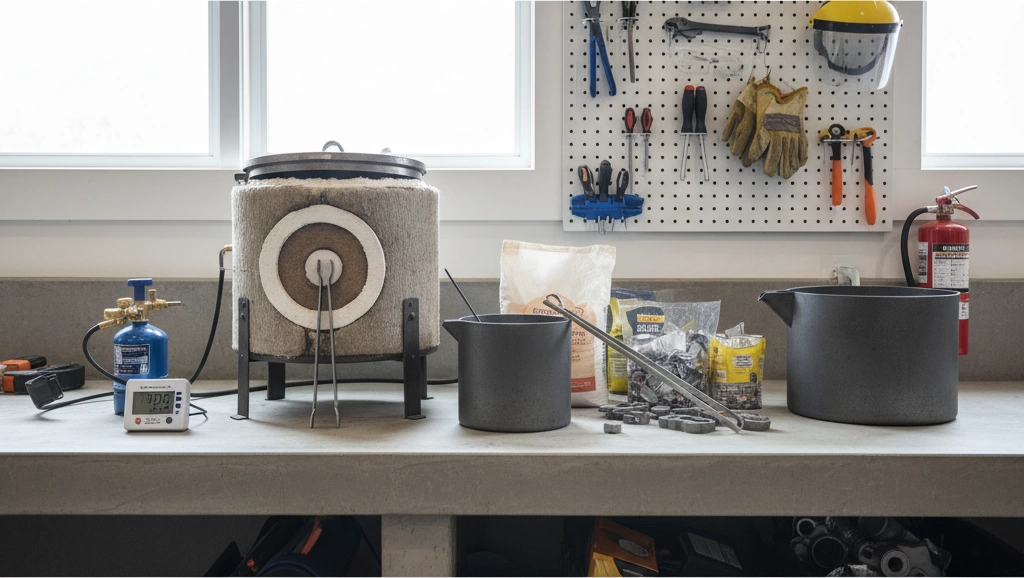
When it comes to aluminium metal casting, a good melting furnace is key. You can either build your own or buy an affordable commercial option.
DIY Furnace Options
- Coffee Can Furnace with Satanite: Use a sturdy metal can lined with Satanite (a heat-resistant refractory). It’s simple and budget-friendly for beginners.
- Gingerbread Furnace: Made with firebrick and a propane burner, this furnace holds heat better and melts aluminium faster. Great for backyard metal casting.
- Propane or Waste-Oil Burners: If you want more power, some folks build burners fueled by waste oil or propane for more consistent heating.
Affordable Commercial Furnaces
If you want something ready to go, several furnaces under $400 work well for hobbyists and small workshop use. These usually come with built-in insulation and easy temperature control, making them safer and more reliable.
Crucible Choices
- Steel Crucibles: Tough and cheap but wear out faster at high temperatures. Good for short-term use.
- Graphite-Clay Crucibles: More durable and better heat retention, plus cleaner melts. Ideal for repeated aluminium melting.
- Sizes A10 to A20: For most home projects, A10 or A15 size crucibles hold enough metal without being too bulky.
Choosing the right furnace and crucible depends on your budget, space, and how often you plan to cast aluminium. DIY setups work great if you want to keep costs low, but commercial furnaces add convenience and safety when you’re ready to level up.
Sourcing and Preparing Aluminium Scrap
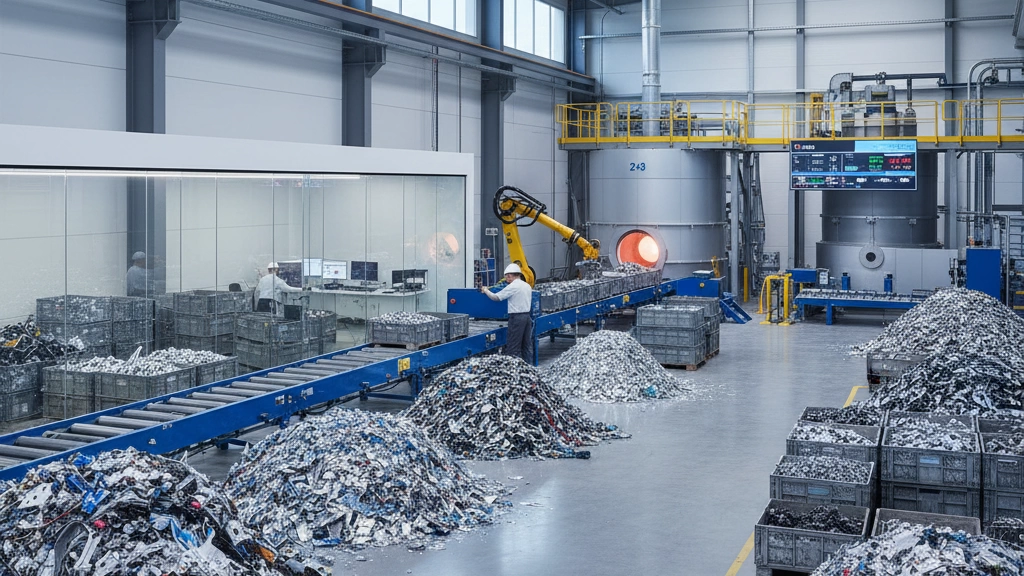
When it comes to metal casting aluminium, getting good scrap is key—and you don’t have to spend a fortune. Some of the best free or cheap sources include old window frames, wheels (especially from bicycles or cars), and aluminium cookware like pots and pans. These are commonly found around garages, recycling centres, or local classifieds.
How to Identify Good Aluminium Scrap
- Avoid scrap with zinc or magnesium—these metals can cause unsafe reactions or weak castings. Look for scrap marked as pure aluminium or alloys labelled 1XXX or 6XXX series.
- Stay away from painted or galvanised parts, since coatings contaminate your melt.
- Aluminium siding and gutters usually work, but double-check for coatings.
Cleaning and Pre-Fluxing Tips
- Clean your scrap well. Remove dirt, grease, and paint with soap and water or a wire brush. The cleaner your scrap, the better your casting.
- Pre-fluxing before melting helps remove oxide build-up. Use a commercial aluminium flux or homemade mixes to reduce dross and porosity.
- Dry your scrap thoroughly—moisture can cause dangerous explosions when melting.
By sourcing the right aluminium scrap and preparing it properly, you set yourself up for smoother melts and stronger aluminium castings.
Making Moulds – Step by Step
Making good moulds is key to successful aluminium casting. Let’s break down the basics of mould making and patterns, starting with popular materials.
Green Sand Recipe & Muling Technique
Green sand is a favourite for backyard metal casting because it’s easy to work with and affordable. A solid mix looks like this:
- 85% sharp silica sand
- 10% bentonite clay (acts as a binder)
- 5% water (enough to hold it all together, but not too wet)
Muling is just packing the sand tightly around your pattern inside a two-part mould box, also called a flask. Use a hand or mechanical muling tool to press sand into the pattern cavity, making sure it’s firm and detailed.
Petrobond Sand Mixing Ratios
Petrobond, or oil-bonded sand, is great for finer detail and smoother finishes. Mix about 10 parts sand with 1 part petrobond oil, then add 1 to 2 parts kitty litter or grog to reduce shrinkage. The texture should feel like damp play-dough.
Pattern Making for Aluminium Casting
Patterns form the shape of your casting and can be:
- Wood: Easy, cheap, and good for simple shapes.
- 3D-printed: Great for complex designs and consistent details.
- Found objects: Household items or machined parts you want to copy.
Make sure your patterns have proper draft angles—a slight taper (1° to 3°) on sides so they release from the mould easily without damaging the sand.
Risers, Sprues & Gating Systems
These help control metal flow and avoid defects:
- Sprue: The main path where molten aluminium enters the mould.
- Gates: Smaller channels that direct metal into different parts of the mould.
- Risers (or feeders): Extra reservoirs of molten metal feeding the casting as it cools to prevent shrinkage holes.
Think of your gating like plumbing: smooth, short, and direct paths work best.
Two-Part Flasks vs Open Pour Moulds
- Two-part flasks: Common for green sand and petrobond moulds. The flask holds the sand under pressure, keeping it tight around your pattern for better detail and fewer defects.
- Open pour moulds: Used more in lost-foam casting or simple setups. You pour metal directly into an open cavity, but it’s trickier to control detail and flow.
Lost-Foam Pattern Coating Tips
For lost-foam aluminium casting, coat your foam pattern with a thin layer of drywall compound or a diluted ceramic slurry. This helps:
- Reduce foam burning too quickly
- Improve surface finish on the casting
Just brush on a few thin coats and let it dry completely before placing in your sand.
With these mould-making basics, you’ll get clean, detailed aluminium castings without the headache.
Remember, good moulds mean less cleanup and defects later on!
Melting & Pouring Aluminium

When metal casting aluminium, getting your melt right is key. Aim for a temperature between 660–750 °C (1220–1380 °F). This range ensures the aluminium is fully liquid and easy to pour, but not so hot it burns off or causes excessive dross.
How to Know It’s Ready
Use the fluidity test by dipping a small metal rod or piece of scrap into the molten aluminium. The metal should flow smoothly onto the rod without chunks or sludgy bits. If it’s thick or bubbly, it needs more heat or cleaning.
Fluxing and Degassing
Fluxing helps remove impurities and keeps the melt clean. Add a small amount of flux after the aluminium is melted, then skim off the floating dross. This step is vital to avoid defects in your casting.
Degassing removes trapped gases (like hydrogen) that cause bubbles. Use a degassing tablet or gently stir the molten aluminium with a rod coated with flux to bring gases to the surface.
Pouring Technique & Speed
Pour steadily and confidently—pouring too quickly causes turbulence and air bubbles, while pouring too slowly means the metal might start solidifying before filling the mould. Keep your pour smooth, aiming to fill the mould in 5–15 seconds depending on size.
Skim Dross Like a Pro
Dross is the crusty layer of oxide and impurities on top of your melt. Use a clean steel rod or a dedicated skimmer to remove dross between pours. Never pour it into the mould—it weakens your casting and can cause cracks.
Master these melting and pouring basics, and your aluminium castings will come out clean, strong, and defect-free every time.
Cooling, Breakout & Finishing Your Aluminium Casting
Once you’ve poured your aluminium, cooling is critical. Let the mould sit until it feels cool to the touch — this usually takes 30 minutes to an hour depending on size. Breaking the mould too soon can ruin your casting or cause safety risks.
When to Break the Mould
- Wait until the aluminium solidifies and the mould is cool.
- For sand moulds, this often means the sand feels dry and crumbly, not hot or soft.
- Use gentle tapping or a wooden mallet to loosen the mould without damaging the casting.
Removing Gates & Risers
- Cut off gates, risers, and sprues carefully with a hacksaw, angle grinder, or bolt cutters.
- Leave a little extra material to tidy up later for a cleaner finish.
Basic Cleanup Tools
- Belt sander or angle grinder with a flap disc smooths rough edges quickly.
- Use files to reach tight spots and fine-tune details.
- A tumbler (vibratory or rotary) can polish smaller castings and remove leftover sand or scale.
Heat Treatment for Strength
- Aluminium castings gain strength with heat treatment such as T6 (solution heat treatment + ageing).
- At home, you can try:
- Heating your casting to around 980°F (527°C) for an hour.
- Quenching it in water immediately afterwards.
- Aging at about 320°F (160°C) for 8 hours.
- This increases hardness and durability but requires careful temperature control.
Quick Tips
- Always wear gloves and eye protection during breakout and cleanup.
- Keep water nearby when quenching during heat treatment for safety.
- Practice makes perfect—start with smaller castings to get comfortable.
Following these steps ensures your aluminium casting comes out strong, clean, and ready for use or further machining.
Troubleshooting Common Aluminium Casting Defects
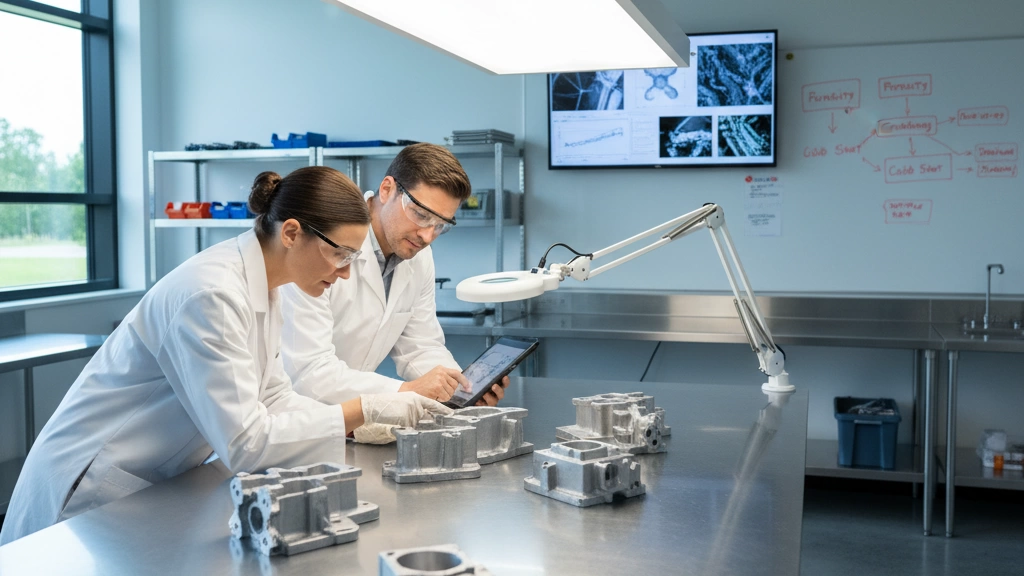
When you’re metal casting aluminium, defects happen but most can be fixed or prevented easily. Here’s a quick guide to the usual problems and how to handle them.
Shrinkage Porosity
What it is: Tiny holes or voids caused by aluminium shrinking as it cools.
Fixes & Prevention:
- Add risers to feed molten metal during solidification.
- Pour at the right temperature (660–750 °C).
- Use chillers or thicker moulds to control cooling rates.
Cold Shuts & Misruns
What it is: Cold shuts are rough or incomplete fusion lines; misruns are incomplete fills in the mould.
Fixes & Prevention:
- Keep aluminium melt hot enough for proper flow.
- Pour smoothly and steadily without stopping.
- Design gates and sprues for good metal flow.
Sand Inclusions
What it is: Bits of sand trapped inside the casting, weakening it and making surfaces rough.
Fixes & Prevention:
- Use well-prepared green sand or Petrobond with correct moisture.
- Compact moulds firmly and avoid excess moisture.
- Filter molten metal or skim dross before pouring.
Gas Bubbles
What it is: Trapped gas in the casting, causing holes or blisters.
Fixes & Prevention:
- Degas the molten aluminium before pouring (use flux and stirring).
- Work in a well-ventilated or outdoor area to prevent moisture exposure.
- Dry patterns and moulds thoroughly to avoid steam.
Keep these fixes in mind, and your backyard metal casting will get smoother every time. Fix problems early to save time and materials!
Cost Breakdown – Real Numbers (2025 Prices)
Starting aluminium metal casting at home doesn’t have to break the bank. Here’s a straightforward look at what you can expect to spend in 2025.
Minimum Startup Costs: $150–$250
- Safety Gear: Leather gloves, face shield, apron, and respirator – around $70–$100 total.
- Crucible & Furnace: A DIY furnace and a small crucible can be built for under $100. If buying a basic commercial melting furnace, expect $150–$250.
- Molding Supplies: Sand (green sand or petrobond), pattern materials, and basic tools run about $30–$50.
- Miscellaneous: Flux materials, foundry tools, and cleaning supplies add about $20–$30.
Typical Cost Per Pound of Finished Aluminium Casting
- Scrap aluminium (free to $1 per pound, depending on your local sources).
- Sand and flux use spread over many casts, so negligible per pound.
- Energy cost (propane or charcoal) roughly $0.50–$1 per pound melted.
- Estimated total: $1 to $2 per pound of finished aluminium casting.
Overall, once set up, backyard metal casting with aluminium is affordable and scalable. Keep an eye on scrap sourcing and furnace efficiency to lower costs even more.
Projects to Try First with Difficulty Ratings
Starting with simple projects helps you get comfortable with aluminium casting before moving on to more complex pieces. Here’s a quick list of beginner-friendly to advanced projects, along with their difficulty levels:
- Simple Flat Plaque – Easy
Great for practising green sand casting. You’ll get used to mould-making, pouring, and cleaning up without complicated shapes. - Belt Buckle – Easy to Medium
Adds some detail and shaping to your work. Perfect for mastering sprues and gating systems while creating a useful item. - Custom Shifter Knob – Medium
Involves more precise pattern work and a cleaner finish. Great for trying lost-foam or petrobond casting if you want smoother surfaces. - Small Pulley or Bracket – Medium to Hard
These need stronger moulds and careful pouring to avoid defects. Good for practising cooling control and finishing. - Complex Lost-Foam Engine Part – Hard
This one’s for advanced casters. Requires perfect foam patterns, proper coating, and careful melt handling. Great challenge if you want to push your skills.
Starting simple lets you build up your confidence and skills safely. Each project teaches a little more about aluminium sand casting and homemade foundry work, making your backyard metal casting fun and productive.
Advanced Tips & Upgrades for Metal Casting Aluminium
Once you’re comfortable with basic aluminium sand casting, these advanced tips can level up your results and open new doors for your home aluminium foundry.
- Add Silicon for Better FlowBoost your aluminium’s fluidity by adding a bit of silicon. This helps the molten metal fill fine details and reduces defects like cold shuts. Use around 5-12% silicon in your alloy for smoother pours and tighter moulds.
- Alloying with Copper for Bronze-Like PropertiesMixing some copper into your aluminium creates a stronger, bronze-like alloy. This gives your casting better wear resistance and a unique finish for projects like custom pulleys or artistic pieces.
- Vacuum or Pressure Assist at HomeFor serious hobbyists, setting up a vacuum chamber or pressure system can drastically reduce gas bubbles and shrinkage porosity. It’s an upgrade that improves casting quality but requires a bit of DIY skill and some specialised gear.
- Switching to Bronze or Brass LaterOnce you master aluminium casting, consider branching out to bronze or brass. These metals need higher melting temperatures but offer different aesthetics and mechanical properties for more advanced projects.
These upgrades can make your backyard metal casting more precise, durable, and versatile—perfect for those ready to push beyond the basics.
 English
  Chinese
  Spanish (Peru)
  German
  Korean
  Spanish (Spain)
  Italian