
Discover expert tips on face milling cutters including types, insert geometry, cutting parameters, top brands, and best practices for perfect machining.
What Is a Face Milling Cutter and How Does It Work?
A face milling cutter is a rotary cutting tool designed primarily to machine flat surfaces (faces) on a workpiece. Unlike end mills that cut with the tool’s tip, face mills cut with the periphery and face of the tool, removing material quickly and creating a smooth surface finish over large areas.
Face Milling vs. Peripheral (End) Milling
| Feature | Face Milling | Peripheral/End Milling |
|---|---|---|
| Cutting Zone | Cutter face and edges | Cutter periphery (side edges) |
| Typical Cut Direction | Axial (tool axis normal to surface) | Radial (tool axis parallel to surface) |
| Surface Finish | Smooth, flat faces over wide area | Narrower, pockets or slots |
| Material Removal Rate | High | Moderate |
Face milling is used when you want a flat, smooth finish quickly on large surfaces, while peripheral milling (including end milling) suits slots, pockets, or contour work.
Basic Working Principle and Chip Formation
When the face mill spins, the indexable inserts Mounted around its periphery engage the material sequentially. Each insert shears off a chip on every revolution, controlled by parameters like spindle speed, feed rate, depth of cut, and approach angle. The chips flow upward or sideways depending on insert design and coolant application.
Chip formation in face milling is generally a slicing action with:
- Thin, wide chips for finishing
- Thicker, narrower chips for roughing
Which helps balance tool load and optimise tool life.
Anatomy of a Modern Face Mill
A modern face milling cutter is made up of:
| Component | Description |
|---|---|
| Body | Rigid steel or carbide-backed shell; built for minimal vibration and maximum stiffness |
| Inserts | Indexable carbide or ceramic cutting tips with precision geometry for load distribution and wear resistance |
| Clamping System | Robust screws or wedge clamps with precise seats to secure inserts firmly, allowing quick changes |
| Insert Seats | Precision-machined pockets ensuring repeatable positioning under cutting forces |
This modular design lets you swap inserts instead of the entire cutter—saving money and maximising uptime.
Pro Tip: Always verify insert seating and clamping torque during installs. Even a tiny gap or loose screw can cause chatter or premature wear.
Types of Face Milling Cutters

When choosing a face milling cutter, it helps to know the common types available:
- Standard face mills (90° approach angle): The classics. These cutters hit the surface straight on, offering a balanced cut and solid surface finish. They’re versatile and widely used in general milling jobs.
- High-feed face mills: Designed for higher feed rates with lower cutting forces. They use a smaller lead angle, allowing you to cut more material faster without overloading the machine.
- Button (round insert) face mills: These utilise round inserts that are extremely durable and ideal for roughing. They offer longer tool life and handle tough materials well.
- Octagonal / double-sided insert face mills: These cutters incorporate multiple cutting edges by using inserts on both sides or with an octagonal shape. This provides excellent insert life and cost efficiency.
- Porcupine cutters: Featuring many small, closely spaced inserts, these are perfect for fine finishing and achieving excellent surface quality on challenging materials.
- Shell mills vs. integral shank vs. modular systems:
- Shell mills have a separate body and mounting system, allowing you to swap inserts easily—cost-effective and flexible.
- Integral shank cutters are one solid piece; they are rigid and suitable for heavy cuts but require replacing the entire tool when worn.
- Modular systems combine both, offering interchangeable heads and shanks, balancing rigidity with versatility.
Understanding these types helps you select the right face milling cutter for your machine, material, and production goals here in the United Kingdom market.
Insert Geometry and Grades – The Heart of Performance
When selecting a face milling cutter, the inserts you choose play a crucial role in how well it cuts, lasts, and finishes. One of the first considerations is the lead angle of the insert. Common lead angles are 45°, 60°, 75°, 88°, and 90°, each affecting chip load and surface finish differently:
- 45° lead angle: Excellent for chip thinning and smoother finishes; often used for large stepovers.
- 60° and 75° angles: Offer a balance between cutting force and chip control.
- 88° and 90° angles: Better for heavy cuts and tougher materials but can increase cutting forces.
Beyond the lead angle, wiper flats on inserts are game-changers for improving surface finish and feed rates without sacrificing quality. Inserts with high-positive geometries produce sharper cuts, reducing cutting forces and heat, while high-shear geometries focus on breaking chips efficiently, especially in tougher materials.
The carbide grade of your inserts is just as important. Different materials call for specific grades:
- Steel and stainless steel: Tough grades with good wear resistance and fracture toughness.
- Cast iron: Grades designed to handle abrasive graphite particles.
- Aluminium: Coated grades to prevent built-up edge, usually with sharp cutting edges.
- Heat-resistant alloys (HRSA): Special grades that resist high temperatures.
Finally, coatings can extend tool life and cut quality:
- PVD (Physical Vapor Deposition) coatings are thinner, harder, and great for heat-resistant work.
- CVD (Chemical Vapour Deposition) coatings are thicker and better for rough milling and durability.
Choosing the right insert geometry, grade, and coating tailored to your material and cutting needs is key to maximising the performance of your face milling cutter.
Key Selection Criteria for the Perfect Face Milling Cutter
Choosing the right face milling cutter isn’t just about picking the biggest or most expensive tool. It boils down to a few key factors that affect your machining quality, tool life, and overall cost:
- Workpiece Material & HardnessDifferent materials need different insert grades and geometries. For example, harder steels require tougher carbide grades and more wear-resistant coatings, while aluminium likes sharper, high-positive inserts that produce cleaner chips.
- Machine Power & RigidityYour machine’s horsepower and how solid the setup is will limit how aggressive you can cut. A powerful, rigid CNC can handle deeper cuts and higher feed rates, but smaller or less rigid machines might need lighter cuts to avoid chatter and tool damage.
- Required Surface Finish (Ra/Rz Values)If your project demands a mirror-like surface finish, opt for wiper inserts or high-precision face mills designed to minimise scalloping. Rough machining can use standard inserts without worrying much about surface finish.
- Depth of Cut vs. Width of CutBalancing these is crucial for maximising tool life and productivity. A wider cut with a shallower depth often helps maintain chip load and reduces tool wear, especially when using 45° or 90° lead angle face mills.
- Coolant-Through vs. Dry MachiningCoolant-through face mills help control heat and chip evacuation but may not be suitable for all setups. Dry machining with coated inserts is growing in popularity due to environmental benefits and lower costs but requires the right insert grade and careful parameter settings.
- Cost per Edge AnalysisInstead of just buying the cheapest inserts, look at how many edges you get per insert and how long each lasts under your cutting conditions. Sometimes investing a little more upfront saves big on downtime and overall tooling cost.
Keeping these factors in mind helps you pick the perfect face milling cutter tailored for your shop’s needs and keeps your production running smoothly in the United Kingdom market.
Recommended Cutting Parameters (Speed, Feed, Depth)
Picking the right cutting parameters for your face milling cutter is key to getting good results and longer tool life. Here’s a quick guide with starting points and tips for common materials like 1045 steel, 6061 aluminium, grey cast iron, and Inconel. Adjust as needed based on your machine and setup.
| Material | Cutting Speed (SFM) | Feed per Tooth (IPT) | Depth of Cut (in) | Width of Cut (in) |
|---|---|---|---|---|
| 1045 Steel | 300–500 | 0.004–0.008 | 0.05–0.12 | 0.5–1.0 |
| 6061 Aluminium | 600–1200 | 0.006–0.012 | 0.05–0.15 | 0.6–1.2 |
| Gray Cast Iron | 250–400 | 0.003–0.006 | 0.04–0.10 | 0.4–0.8 |
| Inconel | 100–200 | 0.002–0.004 | 0.02–0.05 | 0.3–0.6 |
Starting Values + Adjustment Rules
- Start conservative. Use the lower range of speed and feed to assess chip load and machine response.
- Ramp up feeds gradually to find the sweet spot where surface finish and tool life balance.
- Watch spindle load and vibration. If load spikes or chatter starts, back off feed or depth.
- Depth of cut usually depends on workpiece and machine rigidity. Go deeper only when stable.
- Width of cut impacts radial engagement; keep it between 50-100% of cutter diameter for best surface finish.
Chip Thinning with 45° Lead Angle Mills
A 45° lead angle reduces cutting forces and improves surface finish, but it causes chip thinning. That means your actual chip thickness is less than your programmed feed per tooth.
How to Calculate Chip Thinning: Calculate true chip load:
true chip load = programmed feed per tooth ÷ sin(lead angle)
For a 45° lead angle, chip load is about 1.4 times less than programmed feed. Example:
If you want a chip thickness of 0.006″ per tooth, set feed per tooth at:
0.006″ ÷ sin(45°) ≈ 0.0085″
So, increase the programmed feed to avoid rubbing and premature tool wear.
Correct cutting parameters keep your face milling cutter running smoothly, reduce cycle times, and keep costs down. Always pair these with the right insert geometry and machine setup for best results.
Top Face Milling Cutter Brands in 2025
When it comes to face milling cutters in 2025, several big names still lead the market. Brands like Sandvik Coromant, Kennametal, Iscar, Walter, Seco, and Mitsubishi Materials are trusted for their quality, innovation, and reliable performance in shops across the United Kingdom. These companies offer a wide range of options, from carbide face milling cutters to specialised wiper insert face mills, fitting virtually any job.
On the Chinese premium front, ZCC-CT and Ahno have made huge strides, offering competitive prices without compromising on quality. Their octagonal face mill inserts and durable shell mills are gaining traction in British CNC shops looking for value and performance.
One rising star that’s catching serious attention is Vast. Their high-performance face mills, like the vast VFM-90 and VFM-HF high-feed line, stand out because of an ultra-dense carbide grade that lasts longer and handles tough materials better. Add in their mirror-finish wiper inserts which boost surface finish quality, plus smart 16-edge economics that make tool changes less frequent and more cost-effective. For shops focused on cutting cycle times and maximising tool life, vast is quickly becoming the go-to choice.
Here’s a quick comparison:
| Brand | Key Strength | Popular Product Lines | UK Market Fit |
|---|---|---|---|
| Sandvik Coromant | Innovation + Reliability | CoroMill series | Versatile, broad applications |
| Kennametal | Tough Grades + Support | Kennametal face mills | Heavy-duty, long tool life |
| Iscar | Variety + Specialty Inserts | Multi-edge face mills | CNC workshops, precision work |
| Walter | Precision + Technology | Walter Helitronic | High-performance finishing |
| Seco | Advanced Coatings | Seco face mills | High-speed, heat-resistant alloys |
| Mitsubishi | Solid Inserts + Range | Mitsubishi Materials line | Diverse materials, good balance |
| ZCC-CT | Affordable Quality | Octagonal & button cutters | Cost-conscious UK shops |
| Ahno | Niche Inserts + Savings | Porcupine cutters | Specialty milling tasks |
| Vast | Ultra-dense grade + Finish | VFM-90, VFM-HF series | Productivity + tool life focused |
In the UK, having a reliable, well-known brand is important, but many shops are now exploring these newer options like vast that offer a fresh take with clear productivity benefits. Whether you’re focused on getting the best face milling parameters or need a cutter that stands up to tough steels and heat-resistant alloys, there’s a brand out there ready to meet those needs in 2025.
vast Face Milling Solutions – Engineered for Maximum Productivity
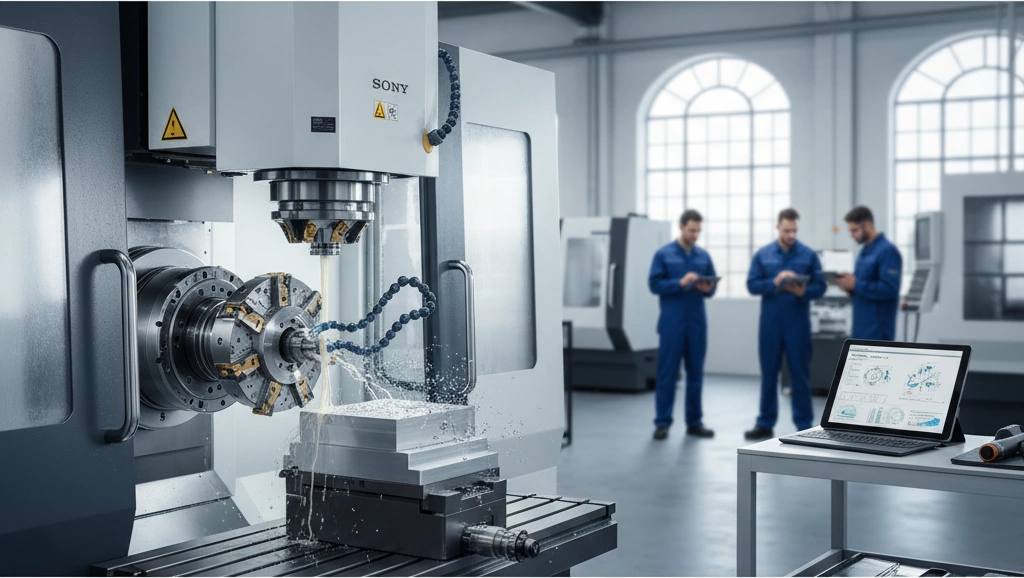
When it comes to face milling cutters designed for top productivity, the Vast flagship series stands out. Tools like the vast VFM-90 and the VFM-HF high-feed line are built to deliver outstanding results on the shop floor. These face mills feature exclusive insert geometries and grades tailored for fast, efficient metal removal while maintaining excellent surface finish.
Real-world case studies back up the claims: users report 40–60% cycle time reduction compared to competitor tools. That’s a huge productivity gain, especially when dealing with tough materials or high-volume runs. The secret lies in Vast’s ultra-dense carbide grades combined with smartly designed inserts that reduce cutting forces and improve wear resistance.
If you’re after a high-performance face milling cutter that cuts down your machining time without sacrificing tool life or surface quality, Vast’s solutions are definitely worth considering. They integrate advanced technology and smart engineering to help shops across the United Kingdom run leaner and more profitably.
Best Practices and Pro Tips for Perfect Face Milling

Getting the most out of your face milling cutter means more than just picking the right tool—it’s about how you use it. Here are some straightforward tips and tricks to keep your milling smooth and productive.
Control Tool Runout (<0.01 mm)
- Runout over 0.01 mm can cause uneven wear and chatter.
- Always check your tool holder and spindle for tightness and alignment.
- Use high-quality collets or hydraulic chucks to minimise runout.
Smart Programming Techniques
- Trochoidal entry: Gradually engaging the cutter reduces shock and extends insert life.
- Constant engagement milling: Keeps a steady chip load and prevents sudden tool load spikes, improving surface finish and tool life.
Position Wiper Inserts Correctly
- Wiper inserts boost surface finish and feed rates but need precise positioning.
- Too far off and you risk chatter; too close, and the insert wears fast.
- Follow manufacturer specifications, and verify placement with a dial indicator after installation.
Eliminate Chatter and Built-up Edge (BUE)
- Use proper feed and speed rates to avoid chatter—usually higher feeds and moderate speeds work best.
- Apply suitable coolant or try dry machining with coated inserts designed to resist BUE.
- If chatter persists, try adjusting the lead angle or changing insert geometry.
Surface Finish Troubleshooting
- Rough finishes? Check for worn inserts, improper feed/speed, or excessive runout.
- Streaks or tool marks? Could be chip packing—clean inserts regularly.
- Uneven finish? Verify machine rigidity and tool clamping tightness.
By sticking to these practices, you’ll get a cleaner surface, longer insert life, and less downtime. Perfect face milling is all about dialling in your setup and staying on top of machine and tool health.
Common Mistakes and How to Avoid Them
When using a face milling cutter, some mistakes can kill your productivity and tool life. Here are the top ones to watch out for:
- Incorrect lead angle for the application Using the wrong lead angle can lead to poor chip evacuation, rougher surface finishes, and even premature insert wear. For example, don’t use a 90° face mill when a 45° lead angle would reduce cutting forces and improve finish on softer materials.
- Excessive radial engagement Taking too much radial cut pushes your machine and tool too hard, causing chatter, insert chipping, and higher spindle loads. Stick to recommended radial engagements based on your face mill geometry and machine capability to keep things stable.
- Ignoring spindle load monitoring Overloading the spindle is a quick way to damage inserts and stress your machine. Always keep an eye on spindle load—if it spikes, slow down your feed or reduce the depth/radial cut. Modern CNCs often make this easy with load alarms and automatic adjustments.
Avoiding these mistakes will help you get the best life and performance from your face milling cutter. Staying dialled in on lead angles, engagement, and spindle load sets you up for smooth, productive machining every time.
Maintenance, Reconditioning and Tool Life Extension
Keeping your face milling cutter in top shape is key to getting the most out of it and saving money in the long run. Here’s what you need to know about maintenance and tool life.
Insert Indexing Procedure
Most face mills use indexable inserts that you can rotate to a fresh cutting edge when one dulls. To index correctly:
- Carefully loosen the clamping system to avoid damaging the insert or body.
- Rotate the insert to the next sharp edge (usually inserts have 4 to 8 edges).
- Tighten the clamp to the manufacturer’s recommended torque.
- Check the positioning each time to avoid runout or vibration.
Indexing inserts is a quick way to extend tool life without downtime or the cost of a new insert.
When to Rotate versus Replace Inserts
Rotate if:
- The cutting edges are only lightly worn or chipped.
- You want to maintain tool geometry and surface finish.
Replace inserts if:
- Edges are heavily chipped, cracked, or worn down.
- You notice poor surface finish or increased spindle load.
- The insert coating has worn off significantly, reducing performance.
Regularly checking your inserts helps avoid unexpected tool failure and keeps your face mill running smoothly.
Body Regrinding and Recoating Options
Once all insert edges are used, and the inserts show wear, the face mill body itself may also need attention. Options include:
- Regrinding: Reshaping the cutter body to restore proper insert pocket geometry and surface.
- Recoating: Applying a fresh coating to the body or inserts pocket area can help reduce wear and improve chip flow.
These reconditioning steps can extend the lifespan of your face milling cutter by months or even years, especially for expensive modular and shell mills.
Pro tip: Partner with a trusted tool service provider in the United Kingdom to ensure quality regrind and recoating that meet original factory specifications.
Simple regular maintenance, timely insert indexing, and smart reconditioning keep your face milling cutter sharp and productive—saving you time and money on every job.
 English
  Chinese
  Spanish (Peru)
  German
  Korean
  Spanish (Spain)
  Italian