
Learn how anodising works step-by-step the electrochemical process that creates durable corrosion-resistant oxide layers on aluminium and other metals.
What Is Anodising?
Anodising is a controlled electrochemical oxidation process that enhances the natural oxide layer on a metal’s surface. Unlike the thin, invisible oxide that forms naturally on aluminium or titanium, anodising creates a thicker, engineered anodic coating designed to improve durability, corrosion resistance, and appearance.
While anodising is most commonly associated with aluminium, it also applies to other metals like titanium, magnesium, zinc, and tantalum. This process transforms the metal’s surface into a robust, non-metallic layer that’s harder and more resistant to wear than the untreated metal beneath.
In simple terms, anodising turns the metal surface into a protective oxide “shell,” making it last longer and look better, whether it’s on aircraft parts, electronics, or architectural features.
The Science Behind Anodising – How the Oxide Layer Forms
Aluminium naturally forms a very thin protective layer of aluminium oxide on its surface — called a passive layer — which is only about 3 to 5 nanometres thick. This layer helps protect the metal from corrosion but is super thin and delicate.
Anodising takes this natural oxide layer and grows it much thicker, anywhere from 5 to over 75 micrometres (μm), depending on the process. This thicker anodic coating forms through an electrochemical oxidation process where aluminium acts as the anode in an electrolytic cell.
The oxide layer created during anodising has two parts:
- Barrier layer: This is a thin, dense layer right next to the aluminium metal, which protects the base metal from corrosion.
- Porous layer: Above the barrier, this layer is composed of tiny pores that allow for dyeing or sealing. Its pore structure is what makes anodising versatile for colouring and finishing.
Together, these layers form a tough, corrosion-resistant surface far superior to aluminium’s natural passive film.
Step-by-Step: The Anodising Process Explained
Here’s how the anodic oxidation process works from start to finish:
1. Cleaning & Surface Preparation
Before anodising, the aluminium part needs a clean, smooth surface. This usually involves:
- Alkaline etching to remove dirt and smooth out any surface roughness.
- Desmutting, which removes residues and stains left after etching.
2. Racking
Next, the part is attached to a rack, typically made of titanium or aluminium. This rack acts as the electrical contact point during anodising, so it needs to conduct electricity well without corroding.
3. Anodising Tank Setup
The core of the process is an electrolytic cell:
- The aluminium piece becomes the anode (positive electrode).
- A lead or stainless steel plate functions as the cathode (negative electrode).
- The tank is filled with an electrolyte, usually a 15–20% sulphuric acid solution, which supports the flow of electric current.
4. Applying Current & Voltage
Electric current is passed through the cell. The process can use either:
- Constant current, where the current stays steady and voltage may vary.
- Constant voltage, where voltage stays fixed and current changes.
Often, the setup starts with a ramp-up to avoid sudden jolts, allowing the oxide layer to grow evenly without burning the surface.
5. Oxide Layer Growth
During anodising, controlled electrochemical reactions form the oxide layer on the aluminium surface. This layer grows thicker by a process called field-assisted dissolution, which balances oxide formation and slow dissolving to keep pores open where dyes can later be trapped.
6. Rinsing
Once anodising completes, the part is carefully rinsed to wash away any leftover acid and contaminants.
7. Dyeing (Optional)
If colour is needed, the porous oxide layer soaks up organic or inorganic dyes here. The open pores absorb the dye like a sponge, allowing vibrant, uniform colouring.
8. Sealing
Finally, to lock in that colour and prevent corrosion, the pores are sealed. Common sealing methods include:
- Hot water sealing, which hydrates and closes the pores naturally.
- Nickel acetate sealing, a chemical seal that adds extra corrosion resistance.
- Cold sealing, a lower-temperature process useful for colour retention.
This step ensures the anodic coating stays tough, durable, and corrosion-resistant for years to come.
This clear sequence explains how anodising voltage and current, electrolyte choice, and sealing methods all work together to form a durable, functional anodic coating on aluminium parts.
The Three Main Types of Aluminium Anodising
When it comes to aluminium anodising, there are three main types, each with its own purpose and characteristics:
- Type I & IB (Chromic Acid Anodising): This type uses chromic acid and produces a very thin oxide layer, typically under 5 microns. It’s often used in aerospace applications because it adds corrosion protection without changing the aluminium’s dimensions much. Type IB is a slight variation with minor differences in the process but similar results.
- Type II (Sulfuric Acid Anodising): The most common and standard method, this uses sulfuric acid to create a thicker, decorative, and functional coating typically around 10 to 25 microns. It meets military spec Mil-A-8625 requirements and works well for architectural and consumer products needing corrosion resistance and good appearance.
- Type III (Hardcoat Anodising): This produces a much thicker coating, anywhere from 25 to 150 microns, making it ideal for heavy-duty wear resistance. The hardcoat has a dense, hard surface but doesn’t absorb colour well, so it’s mostly used where durability matters more than aesthetics.
Each type balances thickness, durability, and appearance, so choosing the right anodising depends on what you need the aluminium part to do.
Key Process Parameters That Control the Result
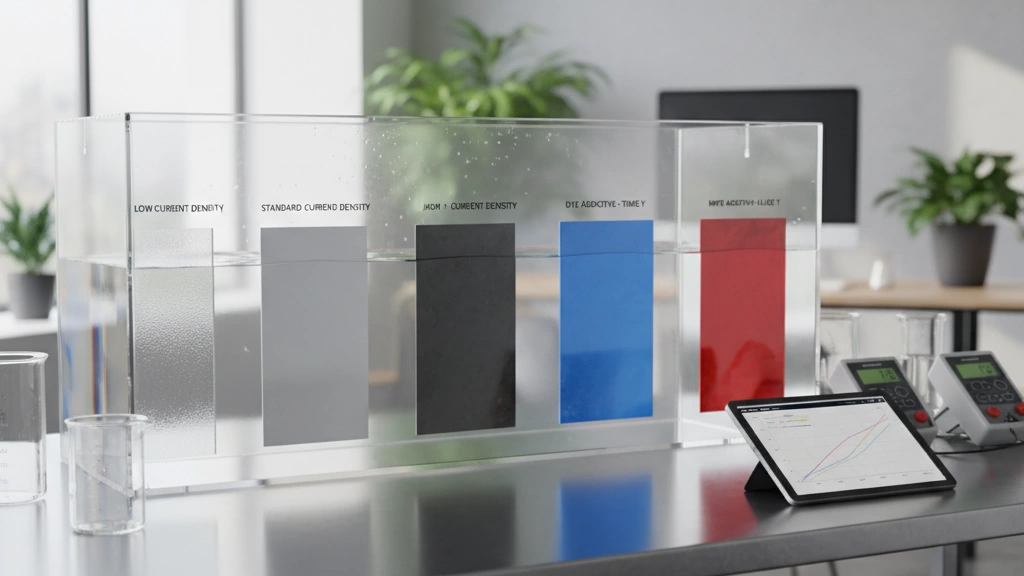
Several factors shape how anodising turns out, especially when working with aluminium. Here’s what really matters:
Temperature
- Type II (Sulfuric Acid Anodising): Keep it around 18–22°C (64–72°F).
- Type III (Hardcoat Anodising): Much cooler, around 0–5°C (32–41°F).
Temperature affects the oxide layer’s growth rate and quality—too hot or cold can create problems like burning or poor hardness.
Current Density
Measured in amps per square decimetre (A/dm²), current density controls how fast the oxide layer forms. Typical ranges are:
- Type II: 1.0–1.5 A/dm²
- Type III: 1.5–3.0 A/dm²
Higher current usually means thicker oxide, but too much can cause defects.
Time vs Thickness (The 720 Rule)
A handy rule for sulphuric acid anodising:
- Thickness (μm) ≈ (Anodising Time in minutes) ÷ 12
- Or put simply, it takes about 12 minutes to build 1 μm of oxide at standard conditions.
For example, 60 minutes roughly yields 5 μm thickness.
Alloy Influence
Different aluminium alloys anodise differently:
| Alloy | Oxide Quality | Notes |
|---|---|---|
| Pure Al | Smooth, consistent | Ideal for decorative anodising |
| 6061 | Good | Common in structural parts |
| 7075 | Can pit, tricky | Needs careful control |
| Castings | Rough, less uniform | Usually sealed carefully |
Alloy composition affects how the oxide layer forms, so knowing your alloy helps avoid issues.
Table:
| Parameter | Type II (Sulphuric) | Type III (Hardcoat) | Notes |
|---|---|---|---|
| Temperature | 18–22°C (64–72°F) | 0–5°C (32–41°F) | Controls oxide growth quality |
| Current Density | 1.0–1.5 A/dm² | 1.5–3.0 A/dm² | Higher = faster growth |
| Time per 1 μm | ~12 minutes | Varies, generally longer | Thickness depends on time |
| Alloy Effects | Smooth (pure), varies | Sensitive alloys prone to defects | Know your metal for best result |
Controlling these key parameters ensures you get consistent, durable anodic coatings suited for your application.
Why Anodising Is So Durable – Corrosion & Wear Resistance
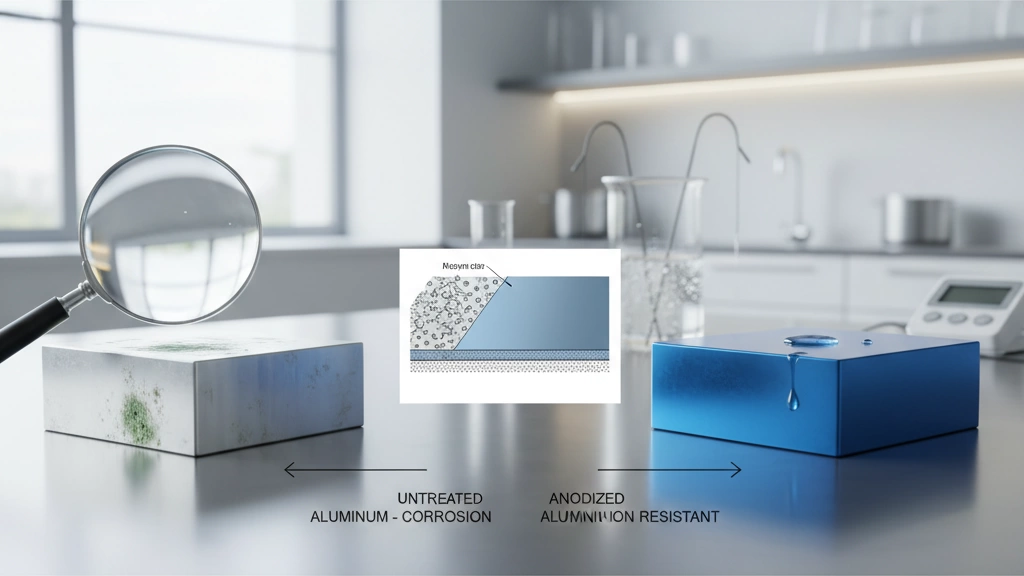
Anodising makes aluminium tough because it creates a dense, protective oxide layer. The surface forms a hexagonal pore structure, which might seem fragile at first, but once sealed, it locks out moisture and contaminants that cause corrosion. This sealed barrier makes anodised aluminium much more resistant to rust and wear than bare metal.
In salt spray tests, anodised aluminium outperforms both bare and painted aluminium, showing far less corrosion over time. This is why anodising is popular for outdoor and marine applications where durability is key.
For wear resistance, Type III hardcoat anodising is especially strong. It can reach hardness levels of 60–70 Rockwell C, which is similar to hardened steel, making it ideal for parts that face friction and mechanical stress.
Key durability points:
- Hexagonal pore structure: Provides a foundation for strong oxide growth.
- Sealing process: Closes pores to block corrosion agents.
- Salt spray resistance: Superior to bare and painted aluminium.
- High hardness: Type III anodising reaches 60–70 Rockwell C for wear resistance.
This combination explains why anodising is one of the most durable surface treatments available for aluminium and other metals.
Colouring Anodised Parts – Integral, Dye, and 2-Step Processes
When it comes to colouring anodised aluminium, there are three main ways to achieve the desired look:
- Integral Colouring: The colour forms naturally during anodising by adding certain metals like nickel or cobalt to the electrolyte. This creates a durable, built-in colour right in the oxide layer. It’s tough and ideal for functional parts requiring a uniform finish.
- Dye Colouring: After anodising, the porous oxide layer acts like a sponge, absorbing organic dyes, which come in many bright colours. Inorganic dyes, such as ferric ammonium oxalate, provide earthier tones and better fade resistance. Dyeing is popular for decorative purposes as it offers a wide colour variety.
- Electrolytic (2-Step) Colouring: This method deposits metal salts, such as tin or cobalt, into the pores using electricity after the dye step. It adds a thin metallic layer that locks in colour and provides greater hardness and wear resistance. This is common for black or dark finishes that require extra durability.
Why Black Is the Toughest Colour to Get Right
Black anodising is by far the most difficult colour to achieve uniformly because:
- The darker dyes tend to absorb unevenly in the pores.
- Black dye can fade more quickly if not sealed properly.
- The metal deposits in 2-step processes must be carefully controlled; any variation results in patchy or dull areas.
In the UK market, for applications requiring consistent black finishes—such as automotive parts or outdoor equipment—many professionals prefer 2-step electrolytic colouring combined with high-quality sealing to meet durability and aesthetic standards.
Understanding these colouring options helps you choose the best approach based on your anodised part’s use and appearance.
Common Anodising Problems & How to Avoid Them
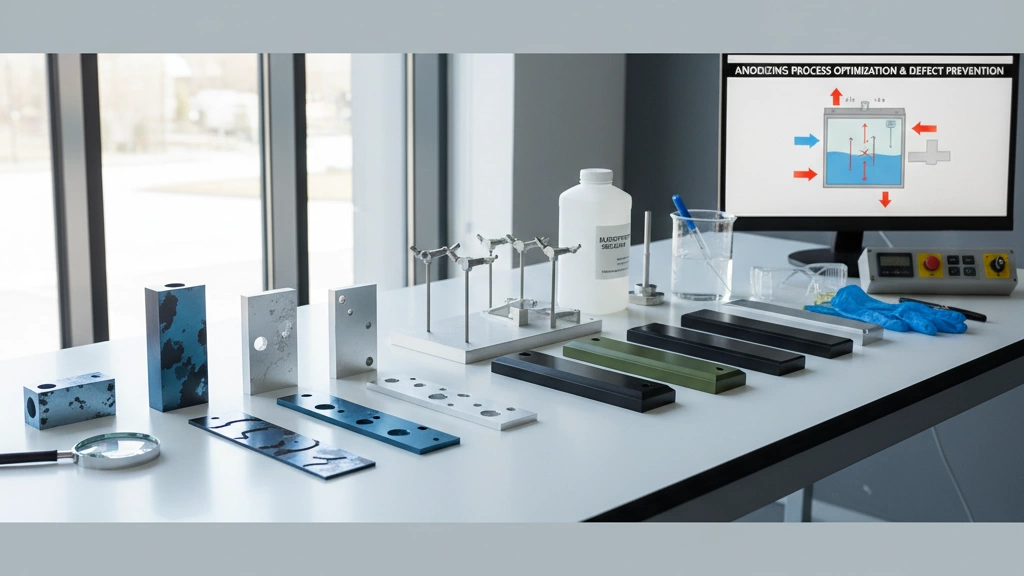
Anodising can sometimes encounter a few common issues, but knowing what to look out for helps prevent them.
- Burning/Tiger Stripes: This occurs when the current or voltage is too high, causing uneven oxide growth. It appears as dark streaks or stripes on the surface. To prevent burning, carefully control your current density and maintain a steady temperature.
- Rack Marks: When parts are hung or racked during anodising, contact points can leave marks or scars. Use properly coated racks (titanium or aluminium) and apply even pressure to minimise these marks.
- Dye Bleed: If you dye anodised parts, colours may bleed or fade unevenly. This usually happens if the sealing step isn’t performed correctly or if the dye isn’t compatible. Always seal parts thoroughly and use quality dyes to lock in the colour.
- Pitting on 7000-Series Aluminium: High-strength alloys like the 7000-series are susceptible to pitting due to impurities. Use proper surface preparation (etching and desmutting) and apply controlled anodising conditions to reduce pitting risks.
By monitoring these factors—current, temperature, surface preparation, and sealing—you can avoid most anodising issues and achieve a smooth, durable finish every time.
Anodising Other Metals (Titanium, Magnesium, etc.)
While aluminium anodising is the most common, you can anodise other metals such as titanium, magnesium, zinc, and tantalum as well. Each metal reacts differently during the anodic oxidation process, providing unique properties and finishes. Here’s a quick comparison to help you understand the basics:
| Metal | Common Electrolyte | Typical Coating Thickness | Key Benefits | Typical Use Cases |
|---|---|---|---|---|
| Aluminium | Sulfuric or Chromic Acid | 5–150 μm | Corrosion & wear resistance, dyeable | Aerospace, automotive, decorative |
| Titanium | Sulfuric Acid, Organic Electrolytes | 1–10 μm | Colourful oxide layers, biocompatible | Medical implants, jewellery, aerospace |
| Magnesium | Fluoride or Sulfuric-based | 1–5 μm | Lightweight corrosion protection | Electronics, automotive parts |
| Zinc | Sulfuric Acid or Phosphoric | 2–10 μm | Corrosion resistance, decorative | Die cast parts, fasteners |
| Tantalum | Sulfuric Acid or Phosphoric | 2–20 μm | High chemical resistance | Electronics, chemical processing |
Key Points to Know:
- Titanium anodising creates colourful, durable oxide films often used for aesthetic and medical purposes.
- Magnesium anodising helps fight corrosion but produces thinner coatings compared to aluminium.
- Zinc and tantalum anodising focus more on corrosion protection and are usually found in specific industrial uses.
If you’re thinking about anodising metals other than aluminium, it’s important to match the electrolyte and process to the metal type. This ensures durability and the right finish for your project.
DIY Anodising vs Professional – Is It Worth It in 2025?
If you’re wondering whether to anodise aluminium yourself or go pro in 2025, here’s the lowdown:
Cost Breakdown
- DIY kits can run $100–$300, including acids, power supplies, and dyes.
- Professional anodising typically costs $1–$5 per part, depending on size and finish.
- Setup and materials add up quickly if you scale beyond small hobby projects.
Safety First
- Anodising uses strong acids (usually sulphuric acid) and high electrical currents.
- Handling chemicals without proper gear can cause burns or toxic exposure.
- Professionals follow strict safety protocols and dispose of chemicals responsibly.
When to Outsource
- Outsource if you want consistent quality, tight tolerances, or advanced types like Type III hardcoat anodising.
- Large batches or critical aerospace/automotive parts? Definitely professional.
- DIY makes sense for small runs, prototyping, or learning the anodic oxidation process but keep safety in mind.
In short, DIY anodising is doable for hobbyists but can get tricky and risky fast. For anything beyond casual use, a professional shop is worth the investment for reliability and peace of mind.
Frequently Asked Questions about How Anodising Works
Does anodising add thickness?
Yes, anodising increases aluminium thickness by about 50%. Half of the oxide layer grows outward, and half penetrates inward into the metal. This means the surface builds up while strengthening beneath.
Can you anodise over scratches?
Light scratches can be anodised over, but deep scratches might show through because anodising doesn’t fill gouges. For best results, smooth the surface before anodising.
Will anodising make aluminium stronger?
Anodising improves surface hardness and wear resistance but doesn’t change the metal’s core strength. It mainly protects against corrosion and surface wear.
Mil-Spec vs. Architectural Anodising
| Feature | Mil-Spec Anodising | Architectural Anodising |
|---|---|---|
| Coating Thickness | Usually 0.7 to 1.5 mils | Typically 0.4 to 0.7 mils |
| Durability | High, meets military standards | Moderate, decorative focus |
| Corrosion Resistance | Excellent | Good |
| Colour Options | Limited (often clear or black) | Wide range |
| Application | Aerospace, defence | Buildings, consumer goods |
Understanding these FAQs helps you know what to expect with anodising and pick the right type for your project.
 English
  Chinese
  Spanish (Peru)
  German
  Korean
  Spanish (Spain)
  Italian