
Brass vs copper vs bronze comparison guide covering composition strength corrosion resistance cost and best uses for 2025 projects and applications.
At a Glance – Comparison Table
| Feature | Copper | Brass | Bronze |
|---|---|---|---|
| Composition | 99.9% Copper | Copper + Zinc (60-70% Cu) | Copper + Tin (typically 88/12) |
| Colour | Reddish-orange | Yellow to gold | Reddish-brown to dark brown |
| Strength | Soft, ductile | Stronger than copper | Hardest, most durable |
| Corrosion Resistance | Good (fresh & atmosphere) | Moderate, dezincification risk | Excellent, especially in saltwater |
| Conductivity | Excellent (highest) | Lower than copper | Lower than both copper & brass |
| Machinability | Moderate | Excellent (especially free-machining) | More difficult, varies by alloy |
| Common Uses (2025) | Electrical wire, piping, cookware | Fittings, valves, locks, instruments | Bearings, propellers, sculptures |
| Cost (per lb, 2025) | Medium-high | Generally lower than copper | Highest (depending on alloy) |
| Antimicrobial | Yes | Limited | Some (phosphor bronze) |
This quick table cuts to the chase. Copper stands out for conductivity and softness. Brass offers versatility with better machinability and moderate strength. Bronze packs the biggest punch for strength and corrosion resistance, especially in marine conditions. Next up, we’ll dig deeper into what makes each metal tick.
What Is Copper?
Copper is a pure metal made up of about 99.91% copper (Cu), making it one of the most straightforward alloys out there. It’s well known for its excellent electrical and thermal conductivity, which means it carries electricity and heat better than almost any other metal. Copper is soft and malleable, making it easy to shape and form, yet durable enough for many applications. It also has natural antimicrobial properties, which means it can kill or inhibit the growth of certain bacteria, making it great for healthcare and food-related uses.
Pros:
- Outstanding electrical and thermal conductivity
- Naturally antimicrobial
- Easy to work with due to its softness
- Highly recyclable and sustainable
Cons:
- Relatively soft, so it’s less strong than brass or bronze
- Can tarnish to a green patina called verdigris when exposed to moisture and air
- More expensive than lightweight aluminium alternatives
Common Uses in 2025:
- Electrical wiring and cables, thanks to its superior conductivity
- Roofing and architectural elements that benefit from its durability and patina over time
- Cookware, leveraging its heat conduction and antimicrobial benefits
- Plumbing pipes, because it’s corrosion-resistant and safe for potable water systems
Copper remains a top choice in industries requiring reliable conductivity and antimicrobial surfaces, especially in the UK market today. For precision metal parts like those used in locking mechanisms or detailed fittings, metals such as copper alloys often play a critical role in manufacturing processes, which you can explore in-depth through services like precision metal casting.
What Is Brass?
Brass is an alloy primarily made of copper and zinc, with typical compositions ranging from 60-40 to 70-30 copper to zinc. This mix gives brass a unique balance of strength and workability that pure copper lacks. Brass comes in several main types, each designed for specific uses:
- C36000 (free-machining brass): Known for its excellent machinability, perfect for precision parts.
- Admiralty brass: Contains a bit of tin and is corrosion-resistant, ideal for marine environments.
- Naval brass: Similar to Admiralty but with improved resistance to dezincification, commonly used in saltwater hardware.
- Dezincification-resistant (DZR) brass: Specifically formulated to resist corrosion caused by zinc leaching, great for plumbing fittings.
Brass has a range of colour variations, from bright yellow to reddish hues, depending on the exact copper-to-zinc ratio. Compared to pure copper, brass is stronger and harder but usually less conductive. Its enhanced strength and resistance make it a popular choice for many applications in 2025, including:
- Plumbing fittings and valves
- Locks and hardware
- Musical instruments like trumpets and trombones
- Marine hardware where corrosion resistance matters
- Decorative items that benefit from its shine and colour variety
Brass strikes a solid middle ground between copper and bronze, often offering the best value for projects needing durability and an attractive finish. For precision engineering parts, exploring high-quality brass alloys and their specific machining properties can be essential, which ties well into understanding fundamentals like those covered in this guide to precision grinding processes.
What Is Bronze?
Bronze is an alloy primarily made of copper and tin, usually around an 88/12 ratio. It often includes small amounts of phosphorus, aluminium, or silicon to enhance its properties. These extra elements improve strength and corrosion resistance, making bronze tougher than both pure copper and brass.
The main commercial types you’ll come across are:
- Phosphor bronze: Known for its fatigue resistance and strength, widely used in springs and electrical connectors.
- Aluminium bronze: Offers excellent corrosion resistance, especially in marine environments.
- Silicon bronze: Popular for its weldability and resistance to seawater corrosion.
- Manganese bronze: Despite its name, it’s actually a brass alloy with added manganese for high strength.
Bronze stands out because it’s generally harder and more durable than brass, thanks to the tin and other additives. It also does better with corrosion, especially in saltwater and harsh outdoor conditions. That’s why you’ll find bronze in uses like:
- Bearings and bushings where low friction and wear resistance are important
- Ship propellers and marine fasteners needing strong corrosion resistance
- Bells and sculptures prized for their tone and ability to develop a beautiful patina
- High-end hardware used in demanding environments like marine or industrial settings
If you need a metal that’s tough, long-lasting, and corrosion-resistant—especially for marine or mechanical parts—bronze is a top choice. For innovative applications in casting or machining intricate bronze parts, techniques covered in advanced resources like this guide to pumps and valves casting can be very helpful.
Head-to-Head Breakdown: Brass vs Copper vs Bronze
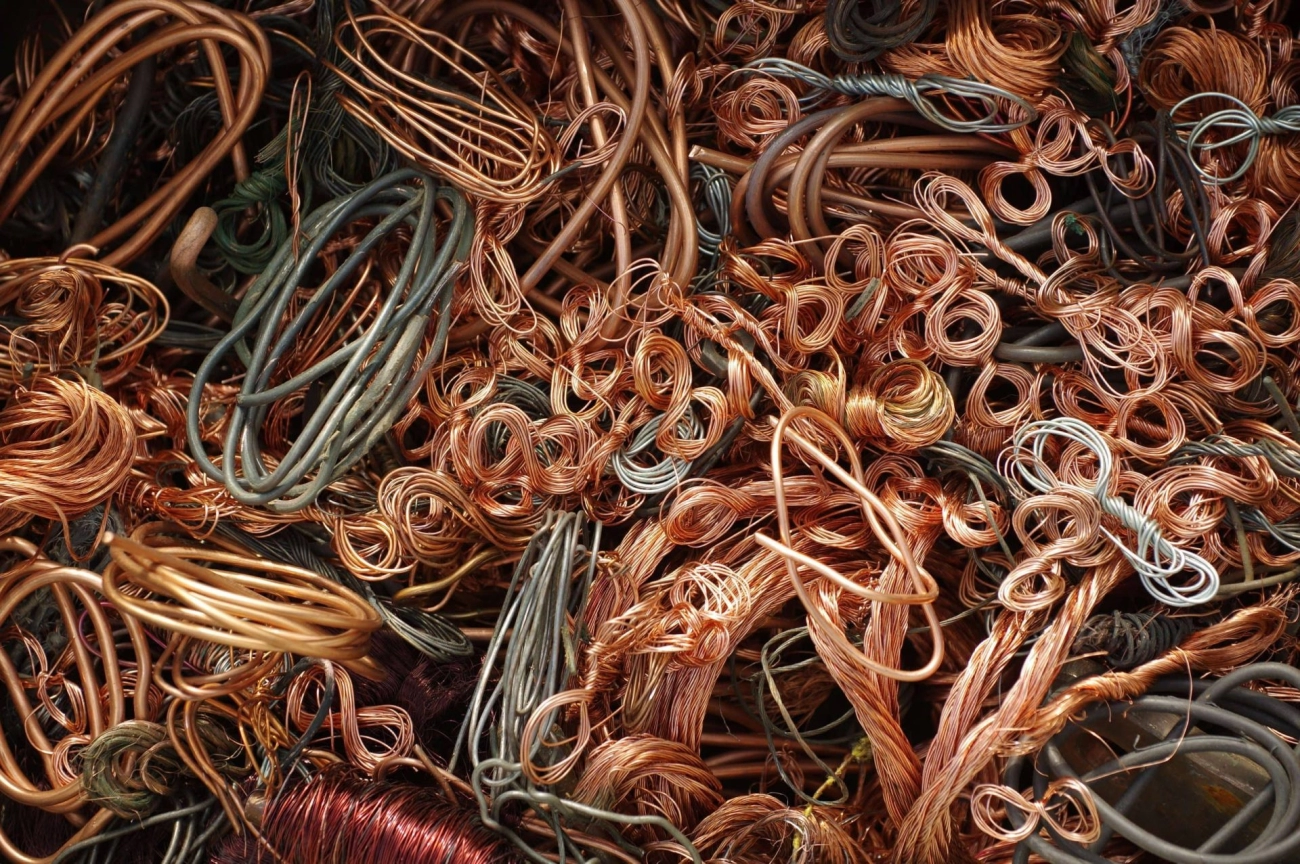
Here’s a quick look at how brass, copper, and bronze stack up across key performance areas in 2025.
| Property | Copper | Brass | Bronze |
|---|---|---|---|
| Strength & Durability | Moderate strength; soft | Stronger than copper; good toughness | Hardest of the three; excellent wear resistance |
| Corrosion Resistance | Great in fresh & salt water; forms protective patina | Good in fresh water; some types (dezincification-resistant) resist salt water well | Best overall, especially in marine environments |
| Machinability & Welding | Excellent machinability; easy to weld | Excellent machinability, especially free-machining grades (C36000); welds well | More challenging to machine and weld; requires skill |
| Electrical & Thermal Conductivity | Highest conductivity (~971 IACS) | Lower than copper; varies with zinc content | Lowest conductivity; not ideal for electrical uses |
| Appearance & Patina | Reddish-orange; ages to green patina (verdigris) | Wide colour range (yellow to reddish); may dull but less green patina | Reddish-brown; develops attractive dark brown to green patina |
| Cost (2025 Pricing) | Approximately 1.4 to 4.50 GBP/lb (3.1 to 9.90 GBP/kg) | 1.3 to 3.50 GBP/lb (6.60 to 7.70 GBP/kg) | 1.3 to 4.00 GBP/lb (7.70 to 8.80 GBP/kg) |
| Antimicrobial Properties | Excellent, naturally antimicrobial | Good, but less than copper | Moderate; depends on alloying elements |
Notes:
- Strength & Durability: Bronze’s higher tin content and alloy additives like phosphorus or aluminium give it superior hardness, ideal for bearings and marine hardware. Brass is stronger than pure copper but less tough than bronze.
- Corrosion Resistance: For saltwater exposure, bronze (especially aluminium and silicon bronzes) outperforms brass and copper. In fresh water and atmospheric conditions, all three do well but dezincification-resistant brass is often preferred for plumbing.
- Machinability & Welding: Brass grades like C36000 are prized for easy machining and reliable welding, important in manufacturing. Copper’s softness helps too. Bronze, due to its hardness, generally requires more advanced machining techniques. For tips on machining, check out our mastering blind holes design and machining techniques for precision guide.
- Electrical & Thermal Conductivity: Copper leads by far, making it the go-to choice for wiring and heat exchangers. Brass and bronze conduct less heat and electricity due to alloying elements.
- Appearance & Patina: Choose copper if you want that classic reddish look and green verdigris over time. Brass offers warm gold tones with less patina change. Bronze ages gracefully to darker, richer tones preferred in sculptures and architectural accents.
- Cost Comparison: Brass is usually the most cost-effective, with bronze slightly more costly due to alloy complexity. Copper pricing fluctuates but remains higher due to demand in electrical markets.
- Antimicrobial Properties: Copper shines here, naturally killing bacteria and viruses on contact. Brass is effective but slightly less so; bronze has moderate effect depending on composition.
This breakdown should help in matching each metal’s strengths to your project’s specific needs. For more support on selecting the right alloy and fabrication methods, explore our custom manufacturing services your trusted local partner for precision.
Which One Should You Choose? (Decision Guide)
Choosing between brass, copper, and bronze depends on your specific needs. Here’s a quick decision guide to help you pick the right metal for your project:
| Application | Best Choice | Notes |
|---|---|---|
| Plumbing & Potable Water | Lead-free brass or Silicon bronze | Both resist dezincification; copper is great but less durable for fittings |
| Marine & Saltwater | Aluminium bronze or Phosphor bronze | Better corrosion resistance than C46400 naval brass and copper-nickel alloys |
| Electrical | Copper | Unmatched electrical and thermal conductivity |
| Decorative & Architectural | Brass or Bronze depending on budget and colour preference | Brass offers bright gold tones; bronze gives rich, deeper patinas |
| Musical Instruments | Brass for bright sound; Bronze for deeper tone | Different alloys suit different instruments |
| Statues & Outdoor Art | Silicon bronze | Superior outdoor corrosion resistance with attractive ageing |
Plumbing & Potable Water
Lead-free brass is a top pick for plumbing, combining strength with safety for potable water. Silicon bronze is another excellent option, known for its durability and corrosion resistance, especially in fixtures and valves. Copper piping remains common but may not withstand mechanical stress as well without reinforcement.
Marine & Saltwater
For marine environments, aluminium bronze and phosphor bronze outshine C46400 naval brass and copper-nickel alloys due to superior corrosion resistance in saltwater. Choose these bronzes for shafts, propellers, and marine fasteners to ensure longevity.
Electrical Applications
Copper is the clear winner with its excellent electrical and thermal conductivity. Whether for wiring or electronics, copper’s performance is unmatched by brass or bronze.
Decorative & Architectural
Brass provides a bright, gold-like finish, often favoured for decorative fittings and architectural accents on a budget. Bronze, with its richer colour and natural patina development, is perfect for high-end or vintage-style pieces. Your choice here depends on the desired look and budget.
Musical Instruments
Brass typically produces brighter, more brilliant tones, making it ideal for trumpets and saxophones. Bronze is preferred in some percussion and stringed instruments for warmer, deeper sound qualities.
Statues & Outdoor Art
Silicon bronze stands out for outdoor art due to its impressive corrosion resistance and natural patina, which evolves beautifully over time, making it the go-to metal for lasting statues and sculptures.
For more on metal machinability and uses, check out our comprehensive guide on gear types and applications to understand how metal choice impacts your project.
Common Myths & Misconceptions
There are plenty of myths floating around when it comes to brass, bronze, and copper. Here are a few common ones busted:
- “Bronze is always better than brass.” Not true. Bronze is generally harder and more corrosion-resistant, especially in marine environments, but brass often machines better and offers more colour variety for decorative uses. The right choice depends on your specific needs, not just a blanket “better.”
- “All brasses turn green.” While copper and some brasses develop a green patina over time due to oxidation, not all brasses do so equally. Lead-free and dezincification-resistant brasses resist this more, maintaining a cleaner appearance longer, especially in indoor or low-humidity environments.
- “Copper is too soft for structural use.” Copper is soft compared to many alloys, but it’s widely used in plumbing, electrical wiring, and roofing because of its excellent conductivity and corrosion resistance. For structural applications, it’s often alloyed or combined with other metals, but it’s far from useless.
Understanding what these metals really offer helps avoid costly mistakes. For more details on strength and durability, check out our detailed brass strength guide.
Sustainability & Recycling in 2025
When it comes to sustainability, copper, brass, and bronze each have strong recycling profiles, but copper leads the pack. Copper is one of the most recycled metals in the UK, with over 801,000 tonnes of copper ever mined still in use today. It’s highly valued for its recyclability without losing any quality, making it a favourite in eco-conscious industries.
Brass, being an alloy of copper and zinc, is also widely recycled but can be a bit more challenging due to the zinc content and potential lead in some older alloys. Still, it has a solid scrap value, especially free-machining brasses like C36000. Bronze, on the other hand, tends to have lower recycling rates compared to copper and brass due to its tin and other alloying elements, which require more complex processing.
Scrap Value Comparison (2025 Estimates per Pound)
- Copper: £3.50 – £4.20
- Brass: £2.20 – £2.80
- Bronze: $1.80 – $2.60
These values fluctuate based on market demand and alloy composition, but copper consistently holds the highest scrap value, making it the most economically attractive metal to recycle.
In , if sustainability is a key priority, copper is your best choice for eco-friendly sourcing and recycling. Brass offers a middle ground, balancing recyclability with versatility, while bronze, though durable and corrosion-resistant, is less preferred for large-scale recycling efforts.
For more on how precision metal alloys are crafted sustainably, check out our insights on master knurling techniques and tools for precision metal texturing, which highlight ways to extend the life and usability of metal components.
 English
  Chinese
  Spanish (Peru)
  German
  Korean
  Spanish (Spain)
  Italian