
Learn about common casting defects causes prevention and detection techniques to ensure high quality flawless metal castings in manufacturing processes.
The Top 5 Categories of Casting Defects Identification and Impacts
When working with metal casting, understanding the common defect types helps you spot issues early and keep quality high. Here’s a simple breakdown of the top five casting defect categories, what they look like, and why they matter.
Gas Porosity Defects
Gas porosity happens when gas gets trapped in molten metal. Think tiny pinholes or blowholes scattered inside or on the surface of the casting. Subsurface porosity is tougher to see but weakens the part internally. These defects reduce strength and can cause leaks or failure under stress.
- Pinholes: Small, shallow holes on the surface
- Blowholes: Larger cavities caused by gas escaping
- Subsurface porosity: Hidden voids inside the casting
Shrinkage Defects
Shrinkage defects occur when metal cools and contracts unevenly, leaving behind hollow spots or cracks.
- Pipes: Large, deep voids often found in thicker sections
- Cavities: Smaller hollow spots inside the casting
- Hot tears: Cracks developing while the metal is still hot and solidifying, often along stress points
These defects compromise structural integrity and often require costly repairs or scrap.
Mould and Material Defects
Issues in the mould or the raw materials show up as surface irregularities or inclusions (foreign particles).
- Scabs: Rough, raised patches caused by defective mould surfaces
- Rat tails: Thin, string-like surface defects from mould breakdown
- Inclusions: Non-metal particles trapped inside the casting reducing strength and finish quality
Pouring and Flow Defects
How you pour your metal matters. Poor flow leads to incomplete fills or weak sections.
- Cold shuts: Visible lines or seams where molten metal didn’t fuse properly
- Misruns: Parts of the casting remain unfilled due to premature solidification
- Fins: Thin metal projections formed where molten metal entered the mould too fast or turbulently
Such defects hurt the dimensional accuracy and can cause fractures later.
Metallurgical and Surface Defects
These are defects related to the metal’s internal structure or surface condition after casting.
- Cracks: Breaks in the metal either during solidification or cooling
- Soldering: Metal sticking to the mould in unwanted places, causing rough surfaces
- Distortions: Warping or bending due to uneven cooling or handling
These issues affect the functional and aesthetic aspects of the casting, often requiring rework.
Spotting these defects early lets you troubleshoot effectively and avoid bigger headaches down the line. Next, we’ll dive into root causes and how small changes can prevent big problems.
Root Causes of Casting Defects A Process Breakdown
Casting defects usually come down to breakdowns in the overall process. Each phase, from preparing the mould to handling the final product, can introduce problems that lead to defects.
Pre Casting Factors
- Alloy Selection: Choosing the wrong metal or alloy mix can create unwanted properties like poor fluidity or excessive gas entrapment, which lead to porosity in castings.
- Pattern Design: If the pattern isn’t designed properly, it can cause issues like improper shrinkage or difficult metal flow, resulting in shrinkage cavities or hot tears.
During Casting Issues
- Pouring TemperaturePouring metal at too low or too high temperatures can cause cold shuts or blowholes. Maintaining the right temperature is key for smooth metal flow and solidification.
- Gating and Riser DesignPoor gating system or riser placement affects how metal fills the mould and how gases escape, often causing defects like pipes or subsurface porosity.
Post Casting Influences
- Cooling RatesUneven or too fast cooling can lead to internal stresses, causing cracks or distortions.
- HandlingRough handling during or after casting can also introduce surface defects such as soldering marks or scabs.
Understanding these root causes helps in targeting the right solutions to reduce defects and improve casting quality.
Detecting and Analysing Casting Defects Tools and Techniques
Finding casting defects early is crucial for quality and cost control. There are several tools and methods used to detect and analyse common casting defects like porosity in castings or shrinkage cavities.
Non Destructive Testing Methods
- Visual InspectionThe simplest way to check for surface defects such as cracks, scabs, or cold shuts. It requires good lighting and trained eyes.
- X-Ray TestingGreat for spotting internal flaws like gas entrapment in metal castings and blowholes in aluminium castings without damaging the piece.
- Ultrasonic TestingUses sound waves to find subsurface porosity or inclusion defects. It’s highly effective for thick or complex parts where X-rays may miss issues.
The 10 Step Defect Analysis Procedure
Adapted from the American Foundry Society (AFS), this step-by-step process helps systematically identify and solve casting defects:
- Define the defect clearly (type, location, and impact).
- Collect casting data including materials, temperatures, and process details.
- Gather samples of defective and good castings to compare.
- Inspect visually under proper conditions.
- Perform non destructive tests as needed (X-ray, ultrasonic).
- Microstructure analysis if metallurgical defects like cracks or soldering are suspected.
- Review the process variables for patterns (pouring temperature, gating design).
- Identify root causes focusing on pre, during, and post casting stages.
- Recommend and test corrective actions.
- Document findings and monitor results continuously.
Using these tools and steps helps catch casting defects early and reduces scrap, saving time and resources in foundry operations.
Prevention Strategies Achieving Zero Defect Casting with Proven Solutions
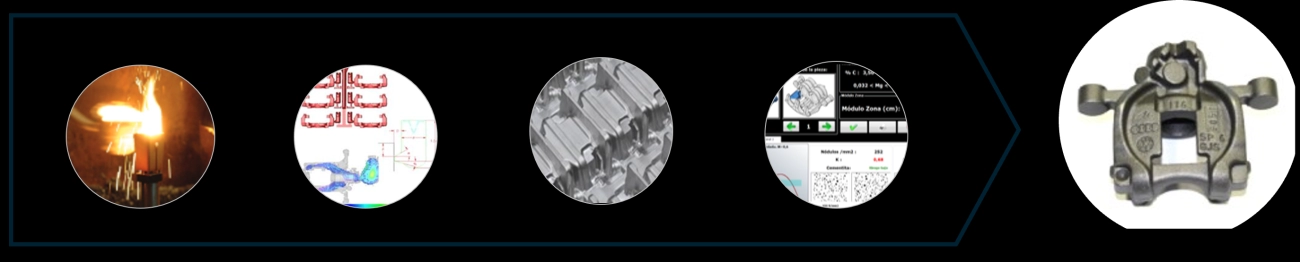
Preventing casting defects starts with smart process control and using proven strategies that aim for zero defects. Here’s how you can improve your castings and cut down defects like porosity, shrinkage cavities, and blowholes.
Process Optimisations
- Control pouring temperature carefully to avoid cold shuts and misruns.
- Optimise gating and riser design so metal flows smoothly without trapping gas or creating turbulence.
- Use vacuum systems to reduce gas entrapment and minimise porosity in castings.
Controlled Cooling
- Manage cooling rates to prevent hot tears, cracks, and distortions.
- Use chills or controlled cooling zones to balance solidification and avoid shrinkage cavities or pipes.
Material and Design Best Practices
- Choose alloys that match your casting requirements and reduce problems with inclusions or soldering defects.
- Use patterns designed to minimise sharp corners and thin sections that cause misruns or cold shuts.
- Ensure mould materials support smooth flow and release without scabs or rat tails.
Advanced Technology
- Invest in custom simulations to predict where defects like gas porosity or shrinkage will form before pouring.
- Conduct regular quality audits using non-destructive testing methods such as X-ray and ultrasonic inspections.
- Leverage data from these tools to continuously fine-tune your process and material choices.
By combining these strategies, you’re not just fixing problems—you’re building a casting operation that consistently delivers high-quality, defect-free parts tailored for the United Kingdom market needs.
FAQs Quick Answers to Common Casting Defect Queries
Here are some straightforward answers to common questions about casting defects. If you’re dealing with metal casting issues, this should help clarify things.
What causes gas porosity in castings?
Gas porosity occurs when gas becomes trapped in the molten metal during pouring. This can result from moisture, air, or gases released from the mould material. Good venting and drying the mould help prevent this.
How do shrinkage defects form?
Shrinkage defects, such as cavities or pipes, happen when the metal cools and contracts but the liquid metal supply does not keep up to fill the space. Proper design of feeders and risers reduces this risk.
What are common mould defects in sand casting?
Scabs and rat tails are typical mould defects caused by sand erosion or poor mould preparation. Using quality moulding sand and controlling moisture levels prevents these issues.
Why do cold shuts and misruns occur?
Cold shuts happen when two metal streams do not fuse properly during pouring, often due to low pouring temperature or slow flow. Misruns occur when the metal solidifies before the mould is fully filled. Maintaining correct pouring temperatures and optimising gating design can prevent these.
How can I detect hidden casting defects?
Non-destructive testing methods such as X-ray and ultrasonic inspections help identify hidden defects like subsurface porosity or cracks without damaging the casting.
What’s the best way to prevent cracks and hot tears?
Controlling the cooling rate and using stress-relieving designs reduce the likelihood of cracks and hot tears. Sometimes, changing the alloy or mould material can also help.
Can advanced simulations really reduce casting defects?
Yes. Custom simulation software allows you to predict where defects might form, enabling you to address issues before pouring the metal.
Feel free to contact us if you want to explore any of these topics further or need specific tips tailored to your casting setup.
 English
  Chinese
  Spanish (Peru)
  German
  Korean
  Spanish (Spain)
  Italian