
Discover expert CNC milling techniques, machine types, and materials to achieve precise manufacturing with fraisage CNC for prototyping and production.
What is CNC Milling Fundamentals and Key Components
CNC milling is a subtractive manufacturing process where material is removed from a solid block of metal, plastic, or composite to create precise shapes. This is done using multi-axis machines that move cutting tools—like end mills and face mills—in different directions, usually along the X, Y, and Z axes. Unlike additive manufacturing that builds parts layer by layer, CNC milling starts with a full piece of material and carves away what’s not needed.
At the heart of CNC milling are a few essential components. The spindle spins the cutting tools at high speeds, while the worktable holds and moves the material precisely. Controllers, often powered by reliable Fanuc systems, direct the machine’s movements based on the programmed instructions. Coolant systems play a vital role in managing heat and protecting both tools and materials during cutting.
Vast’s CNC milling machines take this technology to another level. Their advanced integration and control systems guarantee industrial-grade accuracy with tolerances as tight as ±0.001 mm. This precision is critical for parts that require flawless fit and function in demanding industries.
Understanding these basics sets the stage to explore different machine types, materials, and workflows in CNC milling.
Types of CNC Milling Machines and Their Ideal Use Cases
CNC milling machines come in different types, each suited for specific tasks depending on the complexity and materials involved.
3 Axis CNC Milling
- Great for beginners and entry-level jobs
- Best for flat surfaces, slots, and simple shapes
- Cost-effective choice for prototypes and automotive brackets
- Ideal for small workshops focused on quick turnaround
4 Axis CNC Milling
- Adds a rotational axis to the standard 3 axes
- Perfect for cylindrical parts like medical implants, gears, and shafts
- Offers more flexibility without drastically increasing cost
5 Axis CNC Milling
- Allows simultaneous multi-angle cuts with high precision
- Essential for complex geometries such as aerospace turbine blades
- Handles intricate designs that 3 or 4 axis machines can’t manage
- Higher upfront cost but improves speed and reduces setups
Comparison Table
| Machine Type | Axes | Cost Range (GBP) | Use Case Complexity | Speed |
|---|---|---|---|---|
| 3 Axis | 3 | $10,000 – $50,000 | Simple parts, flat surfaces | Fast for simple cuts |
| 4 Axis | 4 | $40,000 – $80,000 | Cylindrical parts | Moderate |
| 5 Axis | 5 | $100,000+ | Complex aerospace, medical | Fast with fewer setups |
Recommendations for Local Workshops in the United Kingdom
For smaller workshops in the United Kingdom, starting with a 3 axis CNC milling machine offers the best return on investment. It’s easier to operate, less costly, and perfect for a wide range of projects like automotive brackets or consumer parts.
Vast’s 5 Axis Expertise
When your projects demand high-volume custom runs or complex parts, Vast’s 5 axis CNC milling machines stand out. They deliver tight tolerances without delays in setup, helping you scale your production efficiently without sacrificing quality.
Whether you’re starting out or scaling up, choosing the right type of CNC machine is crucial. Vast’s range covers everything from prototype builds to full industrial manufacturing, tailored to meet the needs of United Kingdom-based manufacturers.
The CNC Milling Process Step by Step Workflow
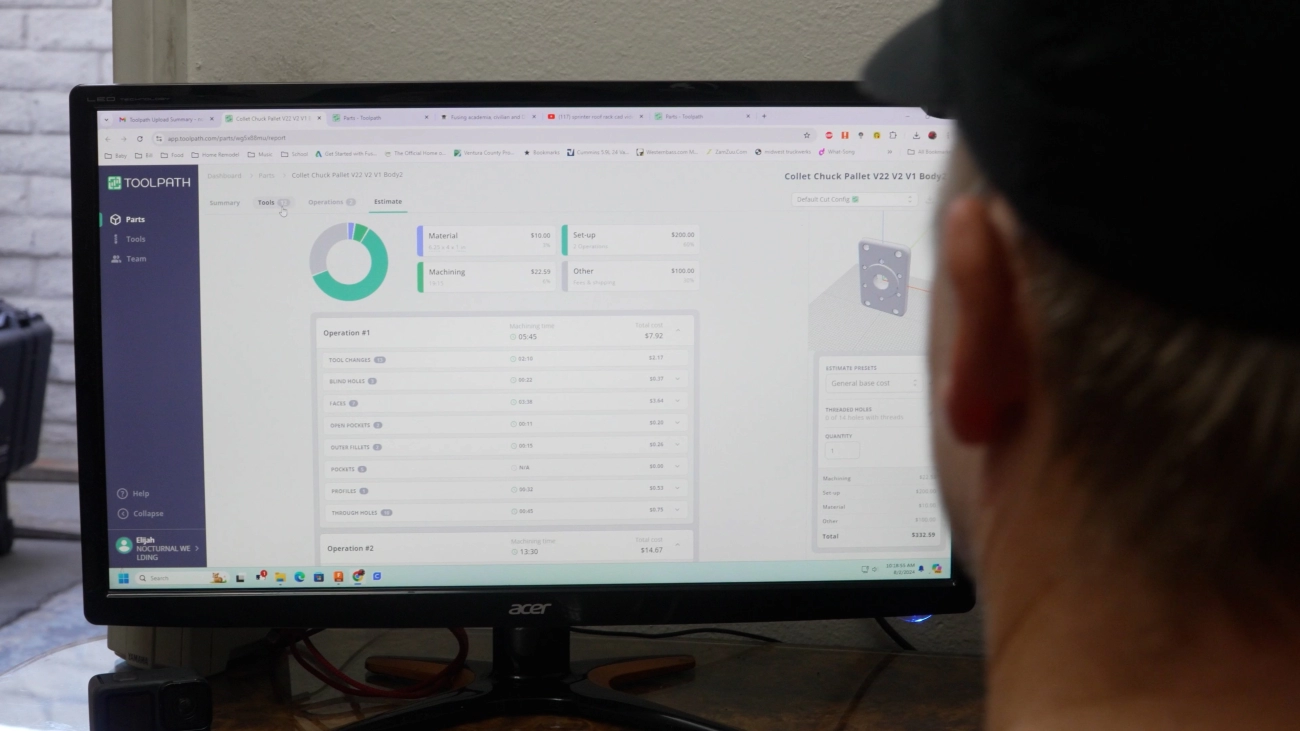
Getting your parts milled with CNC involves a clear, step-by-step process that keeps things smooth and precise.
Step 1: Design in CAD Software
Start by creating your 3D model using CAD software like Fusion 360. This gives you an exact digital blueprint of your part.
Step 2: CAM Programming
Next, use CAM software to programme the toolpaths. This includes setting the right spindle speeds—anywhere from 1,000 to 10,000 RPM depending on your material—and feed rates to optimise cutting performance.
Step 3: Setup and Fixturing
Secure your workpiece firmly on the machine’s worktable. Setup also involves loading the right tools into the Automatic Tool Changer (ATC) to enable quick tool swaps during the job.
Step 4: Execution and Monitoring
The machine runs the G-code programme to cut the part. Real-time monitoring helps catch vibrations or tool wear early, so you can make live adjustments and maintain quality.
Step 5: Post Processing
Once machining’s done, parts go through deburring and inspection, often with Coordinate Measuring Machines (CMM) to verify tolerances. For metals, finishing steps like anodising might be applied for durability and appearance.
Pro Tips for Better Results
- Avoid sharp internal corners by programming radii about half the tool diameter; this helps with tool longevity and chip flow.
- Use dynamic tooling strategies to reduce cycle times by up to 30%, boosting efficiency on every job.
Real World Example
At Vast, we recently handled an aluminium prototype project where tight integration of these steps cut lead time from weeks down to just days—saving our customer valuable turnaround time without compromising quality.
This workflow is the backbone of efficient fraisage CNC operations, ensuring parts come out right the first time.
Materials and Applications Tailoring CNC Milling to Your Needs
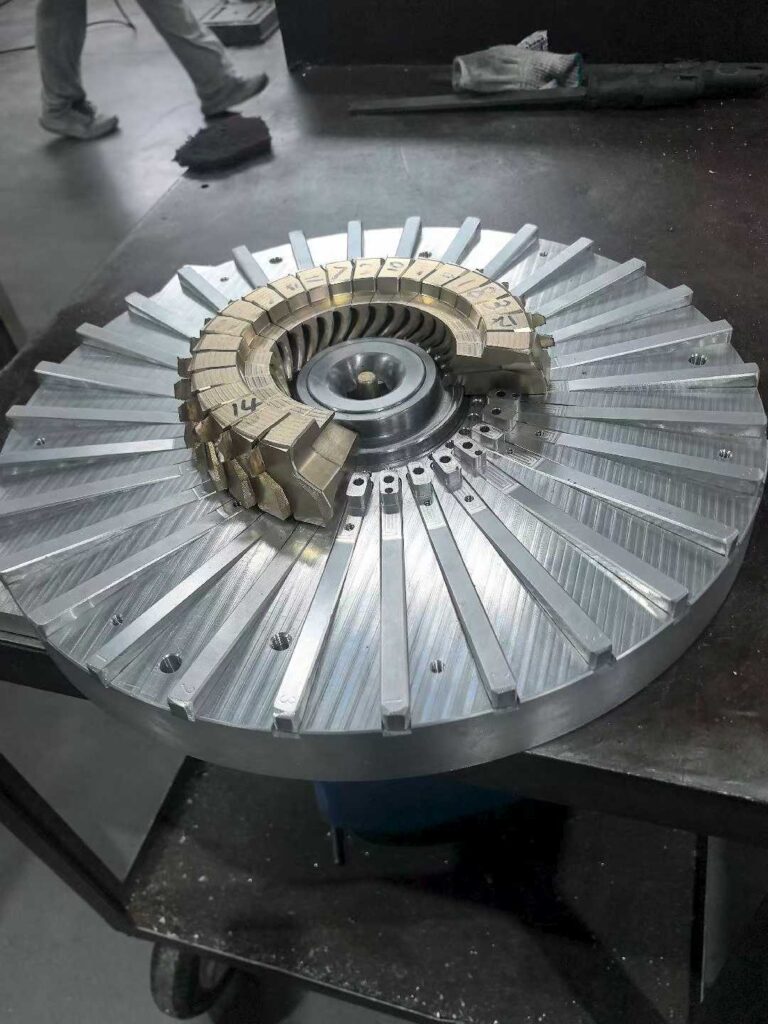
When it comes to CNC milling, choosing the right materials is key to achieving the best results. We work with a wide range of materials to suit your project requirements:
- Metals: Aluminium for lightweight durability, steel for strength, and titanium for high-performance parts.
- Plastics: Nylon and POM are popular for prototypes and functional components.
- Wood and Composites: Ideal for custom furniture and decorative pieces.
Different industries rely on CNC milling for specific applications: automotive engine components, aerospace parts that need to be lightweight yet strong, medical implants requiring precision, and consumer electronics enclosures.
Every material requires its own handling to optimise the process:
- Use slower feeds with hardwoods and faster speeds for softer woods.
- Hard steels require careful cooling to manage heat and protect tools.
- Thermoplastics need coolant during milling to prevent melting and warping.
A significant trend we are observing is sustainable CNC milling. Using recycled alloys and eco-conscious materials helps reduce waste and meet green standards. Vast’s material library supports this by providing tests and data to ensure compliance with strict eco standards like REACH, especially important for Francophone and EU markets.
Whether you are producing prototypes or full-scale production, matching your material with the appropriate milling approach lays the foundation for success.
Advantages, Limitations, and Cost Factors in CNC Milling
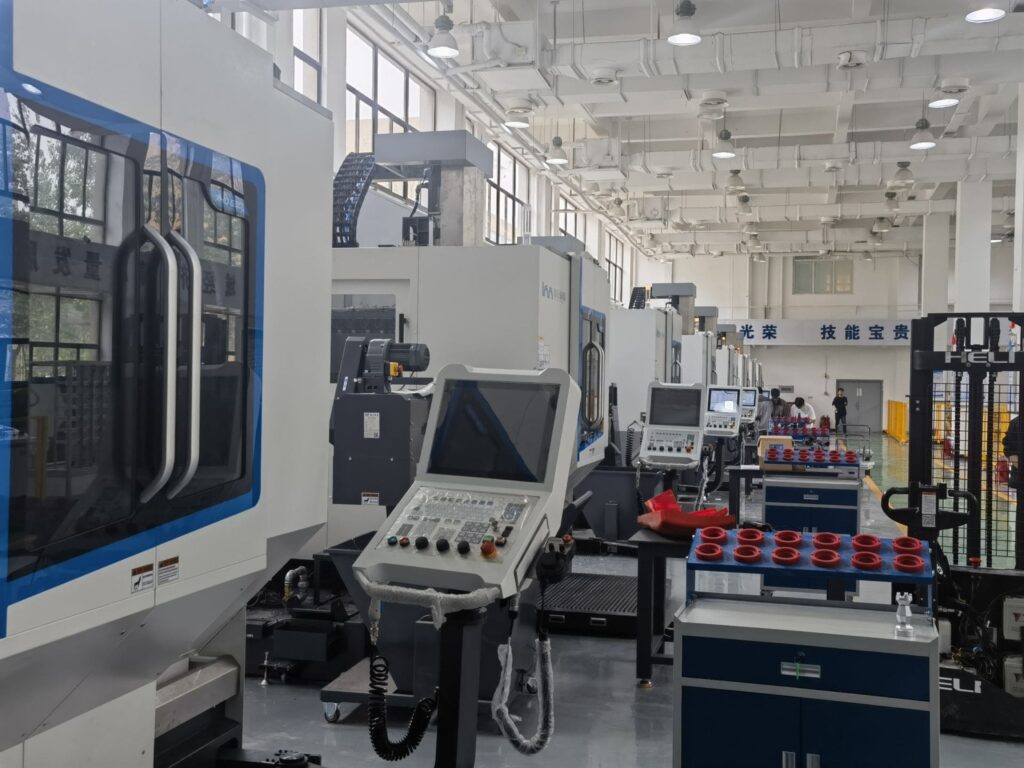
CNC milling offers high precision and repeatability, reducing errors typically associated with manual work. It scales well whether you are making a single prototype or conducting mass production. Additionally, it handles complex 3D shapes with ease, which is a major advantage for detailed parts.
However, there are some drawbacks to consider. The initial investment is substantial—machines typically range from $20,000 to $200,000 depending on features. Tool wear can be an issue, especially with abrasive materials, increasing maintenance costs. Also, small batches may require longer setup times, affecting overall efficiency.
Here is a quick overview of costs:
- Machine prices: $20K to $200K
- Operation speed: 0.5 to 5 parts per minute depending on complexity
- Factors influencing costs: batch size, material waste, tool wear
If you’re running multi-setup jobs, a 5-axis CNC mill can save you around 40% on total project costs by reducing the need for multiple setups.
To tackle these limitations, Vast blends CNC milling with 3D printing. This hybrid approach lowers costs while maintaining precision, making it a smart choice for United Kingdom manufacturers looking for cost-efficient, high-quality parts.
Best Practices and Common Mistakes to Avoid in CNC Milling
To get the most from your fraisage CNC operations, follow these practical tips and steer clear of common pitfalls.
Optimization Tips
- Simulate Toolpaths: Always run your toolpaths in CAM software before milling. This helps prevent costly collisions and mistakes.
- Tool Ratios: Keep your tool length to diameter ratio between 1:1 and 4:1. This balance reduces tool deflection and improves surface finish.
Safety Measures
- Personal Protective Equipment (PPE): Use safety goggles, gloves, and hearing protection when operating CNC milling machines.
- Enclosure Guards: Keep machine guards in place to contain chips and debris, ensuring a safer work environment.
- Chip Control Programming: Proper chip evacuation reduces tool wear and prevents jams.
Troubleshooting Common Issues
- Vibrations: If you notice chatter or rough finishes, check spindle balance and tool holding. Adjust feed rates by 10-20% to smooth cuts.
- Finishing Problems: Poor surface finishes often come from worn tools or wrong speeds—replace tools promptly and verify spindle speeds are correct for the material.
Beginner Calibration Guide
- Axis Accuracy Checks: Regularly calibrate your machine’s X, Y, and Z axes for precise cuts.
- Use Integration-Friendly Software: Software like Vast’s custom CAM streamlines programming and keeps your setups faster and more accurate.
Measuring Success
- Aim for Less Than 1% Scrap Rate: Consistent iterative testing and tweaks help minimise waste and keep production efficient.
By following these best practices and avoiding these common mistakes, you’ll maximise your CNC milling quality and efficiency while reducing downtime.
Elevate Your Projects with Expert CNC Milling from Vast
CNC milling is a game changer for turning ideas into precise, high-quality parts. From the basics of subtractive manufacturing to advanced tips on toolpaths and materials, this process unlocks accuracy and efficiency at scale. Whether you’re prototyping or going into full production, mastering fraisage CNC opens doors to consistent, reliable results.
Ready to bring your project to life? Get a free quote from Vast today for customised CNC milling services designed to meet your specific needs. We offer expert support, fast turnaround, and a variety of machine options, including 5-axis milling for complex jobs.
Looking ahead, the future of CNC milling is smart and adaptive. AI-driven technology is already beginning to optimise toolpaths and machine performance, making your production smarter and more cost-effective.
Partner with Vast and take your machining projects to the next level.
 English
  Chinese
  Spanish (Peru)
  German
  Korean
  Spanish (Spain)
  Italian