
Explore key differences and uses of copper, bronze, and brass with detailed properties, corrosion resistance, and applications for your projects.
Quick Comparison Table: Copper vs Bronze vs Brass
| Material | Alloy Composition | Colour Tone | Hardness (Brinell) | Corrosion Resistance | Common Applications | Price Level |
|---|---|---|---|---|---|---|
| Copper | 99.9% pure copper (C101, C110) | Reddish-orange | 35-40 | Moderate; develops green patina over time | Electrical wiring, roofing, plumbing, art | $$$ |
| Bronze | Copper + tin, phosphorus, aluminium, or silicon | Reddish-brown to golden-brown | 60-130 | Excellent; highly resistant to saltwater and wear | Bearings, marine hardware, sculptures, bells | $$$$ |
| Brass | Copper + zinc (varies 5-45%) | Yellow to golden | 55-100 | Good; less corrosion-resistant than bronze | Fittings, valves, musical instruments, decorative trim | $$-$$$ |
Key Takeaways:
- Copper Shines with its electrical conductivity and flexible reddish tone but is softer and less corrosion-resistant.
- Bronze Offers higher strength and superior corrosion resistance, especially in marine environments.
- Brass Is prized for its bright golden colour, excellent machinability, and good corrosion resistance at a lower cost.
This quick guide helps you see at a glance which metal suits your project’s needs based on material makeup, appearance, toughness, and price.
What is Pure Copper (C101, C110, Oxygen-Free)?
Pure copper is a naturally reddish metal known for its outstanding electrical and thermal conductivity. The most common grades you’ll see in the UK market include C10100 (Electrolytic Tough Pitch or ETP), C11000 (Oxygen-Free Copper), and Oxygen-Free variants designed for highly specialised uses.
Properties and Advantages
- Excellent Conductivity: Copper leads in electrical and heat conduction, making it ideal for wiring and heat exchangers.
- High Corrosion Resistance: It naturally forms a protective oxide layer, resisting rust and wear over time.
- Ductility & Malleability: Pure copper can be bent or shaped without breaking, perfect for forming into wires, sheets, or tubes.
- Antimicrobial: It has natural antimicrobial properties, increasingly valued in healthcare applications.
Limitations
- Softness: Pure copper is relatively soft and can wear or dent under heavy mechanical stress, which limits its use where high strength is critical.
- Cost: Copper generally costs more than common alloys like brass but less than precious metals.
- Patina Development: It develops a greenish patina (verdigris) over time when exposed to the elements, which may or may not be desirable based on your project.
Common Forms
Pure copper is widely available in forms suited to a variety of industries and needs:
- Sheet and Plate: Used in roofing, art, and electronics casings.
- Busbar: For electrical distribution where large current loads require reliable conduction.
- Tube and Pipe: For plumbing, HVAC, and refrigeration systems thanks to copper’s thermal properties.
Whether you need high-purity sheet metal or oxygen-free copper tubing, its versatility and performance make it a staple in electrical, architectural, and industrial projects. For precision machining involving copper, the nuances of copper’s finish and hardness are detailed in resources like our Machining Finish Symbols Guide to help you get the most from your material choice.
What is Bronze? Types and Key Benefits
Bronze is an alloy primarily made of copper, mixed with tin and sometimes other elements like phosphorus, aluminium, or silicon. This mix gives bronze several advantages over pure copper: it’s stronger, harder, and more resistant to corrosion, especially in harsh environments.
Main Types of Bronze
- Phosphor Bronze: Contains copper, tin, and a small amount of phosphorus. It’s known for excellent fatigue resistance, wear resistance, and elasticity. Ideal for electrical springs and marine components.
- Aluminium Bronze: Combines copper with aluminium, sometimes with iron and nickel. This type offers superior strength and outstanding corrosion resistance, particularly in seawater, making it a go-to for marine hardware.
- Silicon Bronze: Adds silicon for improved strength and corrosion resistance while keeping good workability. Used often in architectural applications and marine fittings.
- Tin Bronze: The classic bronze, mainly copper and tin, prized for its toughness and wear resistance. Commonly used for bearings, bushings, sculptures, and bells.
Why Bronze Outperforms Pure Copper
Bronze’s alloyed elements enhance its mechanical strength and reduce its reactivity with the environment. Unlike pure copper, bronze forms a stable oxide layer protecting it from further corrosion. This makes bronze more durable in saltwater, atmospheric conditions, and even some chemicals.
Best Uses for Bronze
Thanks to these qualities, bronze is widely used for:
- Bearings and bushings requiring durable wear resistance
- Marine hardware that must withstand saltwater corrosion
- Artistic sculptures and statues needing long-term surface stability
- Bells and musical instruments valued for their unique tonal qualities
Bronze’s balance of strength and corrosion resistance makes it perfect for demanding industrial and decorative uses alike. For projects needing precision and quality materials, exploring custom manufacturing options can help you get exactly the bronze grade and form you need. Check out our custom manufacturing services for tailored solutions.
What is Brass?
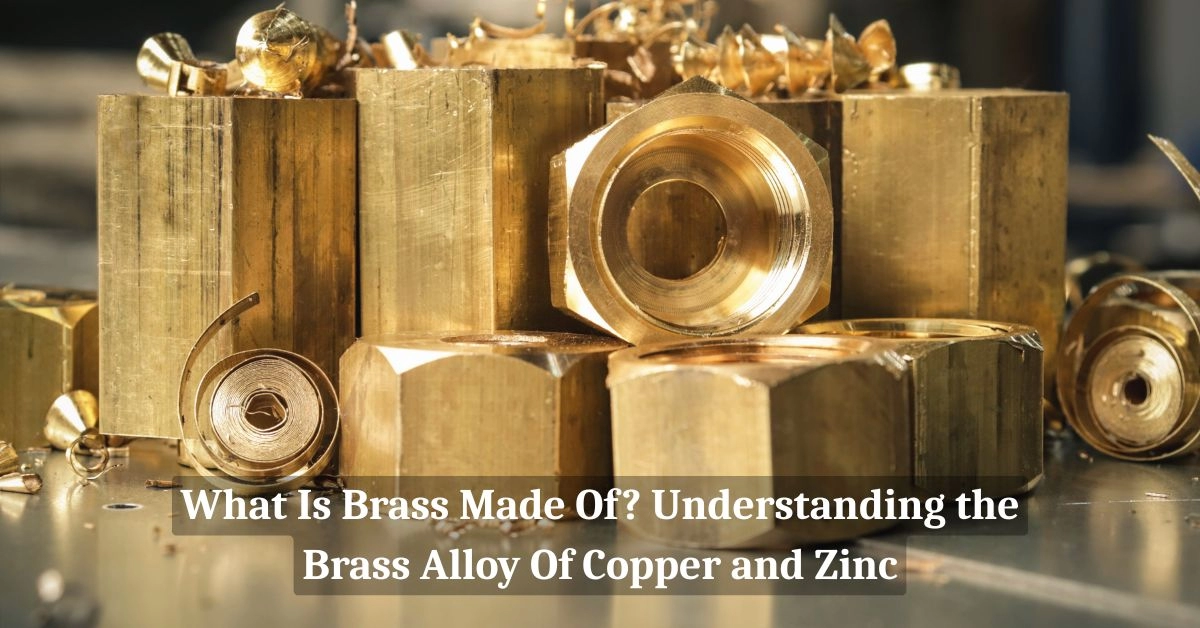
Brass is a well-known copper + zinc alloy family prized for its distinctive golden tones and versatility. Common grades include C260 (commercial brass), C360 (free-cutting brass), C385 (commercial bronze, sometimes classed with brasses), Admiralty Brass, and Naval Brass. Each offers unique benefits, but overall brass is valued for its attractive appearance and excellent machinability—especially C360 free-cutting brass, which is designed for precision machining and smooth finishes.
Brass also has great acoustic properties, making it a favourite for musical instruments like trumpets and saxophones. Beyond looks and sound, brass is widely used in practical applications such as fittings, valves, locks, decorative trim, and plumbing components due to its corrosion resistance and durability.
For projects needing reliable machinability with a warm, gold-like finish, brass strikes a great balance between function and style. Understanding these characteristics can help you choose the right brass alloy for your specific needs. For more on material handling and processing, check out our guide on how to tap thread properly.
Side-by-Side In-Depth Comparison: Copper, Bronze & Brass
Here’s a clear breakdown of copper, bronze, and brass covering key factors you need to know for your projects:
| Property | Copper | Bronze | Brass |
|---|---|---|---|
| Tensile Strength | 210-370 MPa | 400-620 MPa (strongest overall) | 270-550 MPa |
| Ductility | High | Moderate | High |
| Wear Resistance | Moderate | Excellent (due to alloy elements) | Good |
| Corrosion Resistance | Good (can oxidise, patina forms) | Excellent (especially aluminium & phosphor bronze) | Good (varies by zinc content) |
| Saltwater Resistance | Moderate (prone to corrosion) | Excellent (marine grade types) | Moderate to good (naval brass) |
| Electrical Conductivity | Very High (59.6 MS/m) | Lower than copper | Moderate (depends on alloying) |
| Thermal Conductivity | Very high | Moderate to Low | Moderate |
| Machinability | Moderate | Lower (more difficult to machine) | Excellent (C360 free-cutting brass stands out) |
| Weldability | Good | Challenging (alloy-dependent) | Good |
| Aesthetic Finish | Reddish-orange, develops green patina | Reddish to golden brown, darkens over time | Bright gold to yellow, tarnishes to dull brown |
| Patina Behaviour | Develops greenish patina | Darkens, forms protective layer | Tarnishes, but less patina than copper |
Key takeaways:
- Copper Excels in electrical and thermal applications but lacks the strength and corrosion resistance of bronze and brass.
- Bronze alloys (Phosphor, aluminium, silicon) offer the best durability and saltwater resistance, ideal for marine and heavy-duty uses but can be more difficult to machine and weld.
- Brass Shines where appearance, machinability, and moderate strength are priorities, commonly used in fittings, decorative trims, and musical instruments.
For precision cutting or complex shapes, mastering the machining of these alloys is critical. Our expertise includes Precision machining benefits and applications To guide you on optimal results based on your material choice.
Choosing the right metal means balancing strength, corrosion resistance, conductivity, and finish to suit your exact usage scenario.
How to Choose the Right Metal for Your Project
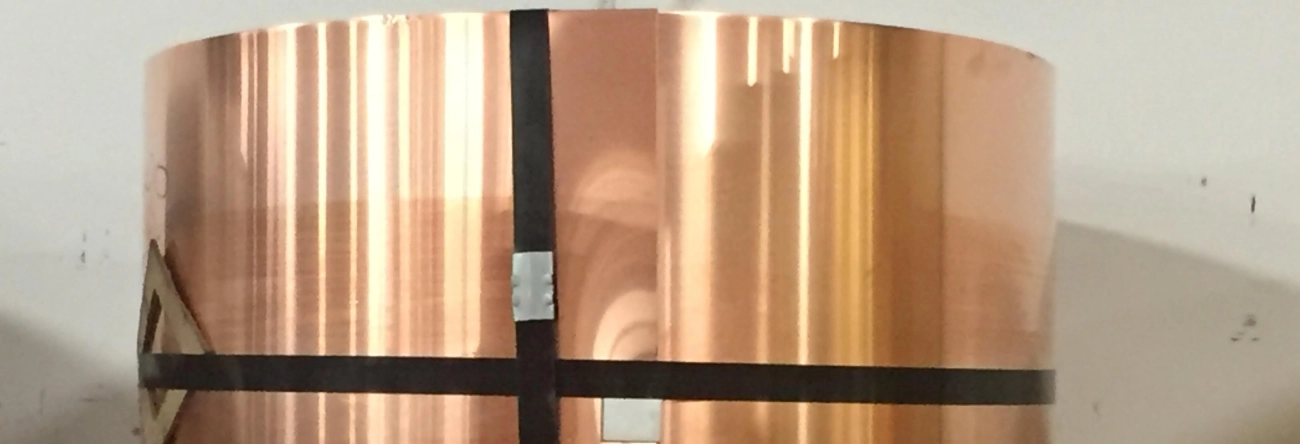
Deciding between copper, bronze, and brass depends on what your project truly requires. To assist, here is a quick decision matrix to guide your choice:
| Criteria | Copper | Bronze | Brass |
|---|---|---|---|
| Strength Needed | Moderate – softer, ductile | High – stronger and more durable | Moderate to high – varies by alloy |
| Corrosion Resistance | Good, but patinas over time | Excellent, especially marine grade | Good; some alloys resist tarnish |
| Appearance & Finish | Reddish-orange, develops green patina | Reddish-brown, darkens gracefully | Bright yellow to gold, attractive |
| Machinability | Moderate | Difficult, harder to machine | Excellent especially free-cutting brass |
| Budget | Moderate price | Generally more expensive | Usually cost-effective |
| Environment | Best for electrical, indoor use | Ideal for marine & heavy wear | Works well indoors & decorative |
Tips to decide:
- Need high strength or corrosion resistance in wet/saltwater? Go for marine-grade bronze.
- Looking for attractive gold tones with easy machining? Brass, especially C360 free-cutting brass, is your best bet.
- Require excellent electrical or thermal conductivity? Pure copper (C101, C110) shines here.
- Budget tight but need solid corrosion resistance? Brass offers a good balance.
- For outdoor art or architecture with a natural patina? Copper or bronze works well—bronze lasts longer outdoors.
Choosing the right alloy is about matching your project’s environment, function, and finish. If you want a deeper dive on material properties, check out our detailed material metal guide with types, properties, and uses for expert insight.
Keep in mind, getting your metal in the right form—whether sheet, bar, or tube—also adds to project success. That’s why at Vast, we offer fast custom cutting and a wide range of grades to fit your needs precisely.
Vast Product Range – Available Grades & Forms
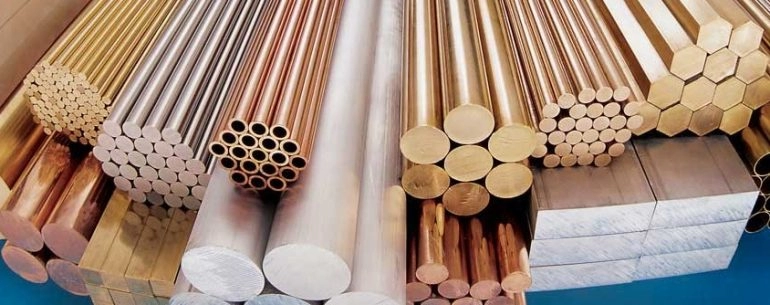
We offer a wide selection of copper, bronze, and brass grades to meet diverse project needs across the UK market.
Pure Copper
- C10100 (Electrolytic Tough Pitch – ETP): Great for electrical applications due to high conductivity.
- C11000 (Oxygen-Free Copper): Used where superior electrical and thermal performance is needed.
Bronze
- C51000 Phosphor Bronze: Known for strength and corrosion resistance, ideal for bearings and marine parts.
- C63000 Aluminium Bronze: Exceptional toughness, often used in harsh marine environments.
- C65500 Silicon Bronze: Combines strength and good corrosion resistance, common in architectural uses.
- C83600 Leaded Red Bronze: Excellent machinability and wear resistance, suitable for heavy-duty applications.
Brass
- C26000 Cartridge Brass: A versatile, yellow-brass alloy used for a variety of fittings and decorative elements.
- C36000 Free-Cutting Brass: Popular for precision machining with excellent workability.
- C46400 Naval Brass: A marine-grade brass that withstands saltwater corrosion well.
- C70600 CuNi 90/10 (Copper-Nickel): Used extensively in marine and industrial applications for durability.
Available Forms
- Sheet & Plate
- Round Bar & Hex Bar
- Tube & Pipe
- Fittings & Custom Profiles
We ensure consistent quality across all these forms, ideal for everything from industrial manufacturing to custom design projects. For precision cutting and fabrication, check out our expert custom metal fabricators near me for precision projects, providing fast, reliable service to meet your deadlines.
Industry Applications for Copper, Bronze, and Brass
Copper, bronze, and brass each find a vital place across a wide range of industries in the United Kingdom, thanks to their distinct properties.
Architecture & Design
These metals add timeless beauty and durability to buildings. Brass is favoured for decorative trim and hardware because of its warm golden hue, while bronze, especially architectural bronze, offers excellent weather resistance and strength for door fittings, handrails, and sculptures.
Marine & Offshore
Bronze shines in marine environments due to its resistance to saltwater corrosion. Aluminium bronze and naval brass are common in propellers, pump components, and ship fittings. Copper’s conductivity is also valuable in offshore electrical systems.
Plumbing & HVAC
Brass and bronze tubes, valves, and fittings dominate here for corrosion resistance and ease of machining. Copper tubing is standard for water supply and HVAC systems because of its thermal conductivity and antimicrobial properties.
Electrical & Electronics
Pure copper, especially oxygen-free grades, is the preferred choice for electrical wiring, busbars, and connectors, offering superior electrical and thermal conductivity. Brass is used in connectors and terminals where machinability and corrosion resistance are important.
Sculpture & Art
Artists favour bronze (phosphor bronze, silicon bronze) for casting statues, bells, and art installations due to its strength and attractive patina over time. Copper sheets and plates are also utilised for artistic panels and decorative surfaces.
Industrial Machinery
Bronze’s wear resistance makes it ideal for bushings, bearings, and gears, often found in heavy machinery. Brass is used in precision components where good machinability and moderate strength are required.
Whether constructing durable marine hardware, crafting elegant fixtures, or creating lasting artworks, selecting the right copper, bronze, or brass alloy ensures performance and longevity. For precise mechanical parts, explore our detailed guide on friction fit connections to optimise your design and assembly choices.
Finishes & Surface Options
Copper, bronze, and brass come with various finishes to suit different aesthetics and protection needs. Here’s a quick guide to the common surface options you’ll find:
| Finish Type | Appearance | Benefits | Typical Uses |
|---|---|---|---|
| Mill Finish | Raw, natural metal appearance | Cost-effective, suitable for further processing | Industrial parts, fabrication |
| Polished | Smooth, reflective shine | Enhances aesthetics, easy to clean | Decorative trim, musical instruments |
| Brushed | Matte with fine lines | Conceals fingerprints, subtle texture | Architectural panels, fixtures |
| Antique Patina | Darkened, aged appearance | Vintage or rustic feel, enhances character | Sculptures, antiques, marine hardware |
| Lacquered | Clear protective coating | Prevents tarnishing and oxidation | Outdoor applications, decorative pieces |
Many of these finishes help protect the metal while highlighting the unique colour tones of copper, bronze, or brass. For example, lacquer helps keep brass from turning green, while antique patinas bring out deeper bronze hues naturally.
Choosing the right finish depends on your project’s look and exposure to elements. For detailed surface roughness values and finish standards, you might also find our surface roughness guide helpful in selecting the perfect texture for your application.
Certifications & Quality Assurance
When working with copper, bronze, and brass, certifications and quality assurance are vital to ensure you get the right material for your project. Our products comply with major industry standards such as ASTM, EN, and UNS. These certifications guarantee traceability, quality, and performance consistency across all material batches.
Every order comes with Mill Test Certificates (MTCs) that verify chemical composition, mechanical properties, and heat treatment details. This transparency is crucial for critical applications like marine, aerospace, or electrical where material compliance matters.
We also meet important environmental and safety standards like RoHS and REACH, confirming that our metals are free from hazardous substances and safe for use in regulated industries.
By choosing certified copper, bronze, or brass from us, you’re assured of premium quality that meets rigorous UK and international standards, giving you confidence in durability and performance.
Stock & Custom Cutting Services
We offer fast, reliable stock and custom cutting services for copper, bronze, and brass to fit your exact project needs. Choose from precision methods like same-day cutting, waterjet, laser cutting, sawing, and shearing. Whether you need sheets, plates, bars, or tubes cut to size, our in-house capabilities ensure tight tolerances and quick turnaround.
This level of flexibility helps you save time and avoid delays—perfect for tight UK project schedules. Plus, our expertise guarantees clean edges and professional finishes on all non-ferrous metals. For detailed machining tasks, check out our master end milling techniques with Vast Carbide tools for precision.
No matter the size or complexity, we tailor services to match your requirements while maintaining top quality. Reach out to discuss your custom cutting needs and get your copper, bronze, or brass parts ready fast.
Pricing & Lead Time Guide
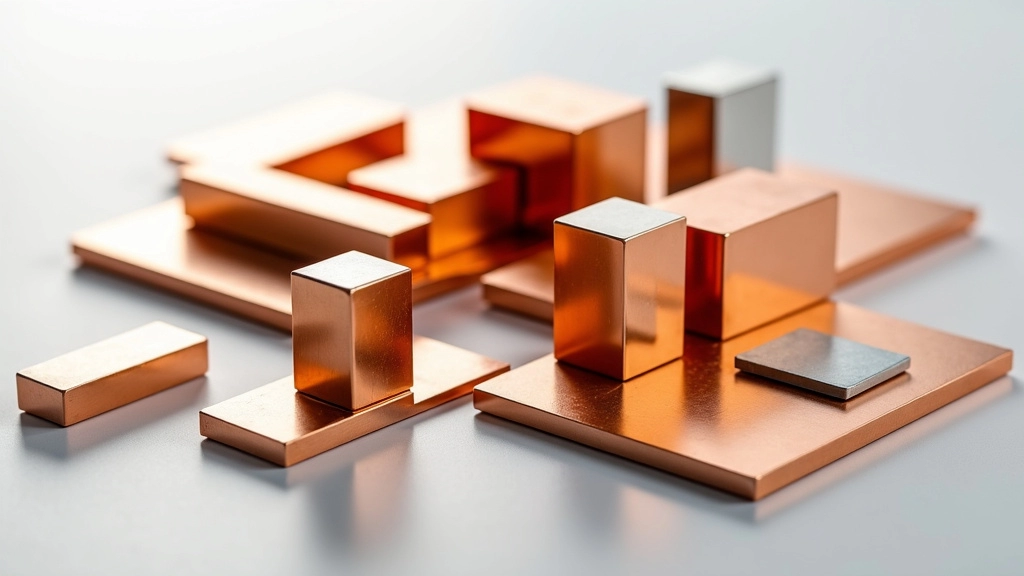
When it comes to copper, bronze, and brass, pricing generally follows material grade, alloy complexity, and order size. Pure copper (like C10100 and C11000) usually sits in the mid-to-high price range due to its excellent conductivity and widespread use. Bronze grades (phosphor bronze, aluminium bronze, silicon bronze) tend to be a bit pricier because of their alloying elements and enhanced durability. Brass alloys, especially free-cutting types like C36000, are often more affordable and available in larger quantities.
General pricing tiers:
- Pure Copper: Moderate to high price
- Bronze: Moderate to premium price
- Brass: Low to moderate price
Lead times typically range from same-day cutting availability on stocked materials to a few weeks for custom alloys or large volumes. We recommend reaching out directly for an exact quote and delivery schedule tailored to your project needs.
Fast, reliable order processing and in-house precision cutting ensure quick turnaround, keeping your project on track without surprise delays.
For more detailed insights on material choices and their impact on cost and availability, check out our high-temperature alloy insights and applications page.
Frequently Asked Questions about Copper, Bronze, and Brass
Is bronze or brass more expensive than copper?
Bronze and brass prices generally depend on their alloy composition and current metal markets. Pure copper often costs more due to its high copper content, but some specialty bronzes like aluminium bronze or phosphor bronze can be pricier than standard brass. Brass tends to be more affordable because it contains zinc, a cheaper metal.
Will brass turn green like copper?
Brass can develop a greenish tarnish over time, especially in moist or salty environments, but it’s usually less prone to the bright green verdigris that copper forms. Brass’s zinc content changes its corrosion pattern, leading to a duller patina rather than vivid green.
Can bronze be used in saltwater?
Yes, bronze is well-suited for saltwater use, especially marine-grade types like aluminium bronze and silicon bronze. They offer superior corrosion resistance and are common in marine hardware, bearings, and fasteners. That’s why bronze is often the go-to metal for offshore applications.
What’s the difference between red brass and yellow brass?
- Red Brass: Has higher copper content (around 85-%) giving it a reddish tint, good corrosion resistance, and strength. It’s common in plumbing and marine parts.
- Yellow Brass: Contains more zinc (typically 30-40-%) which gives a bright yellow/golden look, improved machinability, and moderate strength. It’s popular in decorative fittings and musical instruments.
If you’re exploring more detailed machining or manufacturing questions about copper, brass, or bronze alloys, our guide on CNC turning and milling machines offers valuable insights on how these metals perform in modern industrial processes.
Related Products & Accessories
When working with copper, bronze, and brass, having the right accessories makes all the difference. Common related products include copper earthing tape, essential for grounding in electrical systems due to copper’s excellent conductivity and corrosion resistance. For bronze, bronze bushings are widely used in industrial machinery and marine applications, valued for their strength and wear resistance. Brass accessories like brass ball valves offer great machinability and corrosion resistance, making them popular in plumbing, HVAC, and fluid control systems.
Other useful accessories are:
- Copper busbars and connectors for electrical installations
- Bronze marine hardware like fasteners and fittings
- Brass decorative trims and lock components
These accessories complement the core materials and help optimise performance and longevity in various projects. For precision machining advice on these materials, check out our Guide on choosing materials for optimal CNC performance.
Why Choose Vast for Copper, Bronze, and Brass?
With over 20 years specialising in non-ferrous metals Like copper, bronze, and brass, Vast offers unmatched expertise tailored to your project needs. Here’s why Vast stands out:
| Feature | Benefit |
|---|---|
| Large Ready Stock | Quick availability of popular grades and forms minimises your lead time. |
| Fast Worldwide Delivery | Reliable shipping across the UK and globally ensures your materials arrive when you need them. |
| In-House Precision Cutting | Custom cuts with waterjet, laser, and sawing tools for exact dimensions and minimal waste. |
| Testing & Quality Assurance | On-site labs ensure every batch meets ASTM, UNS, and other certifications, so you get consistent quality. |
Whether you need copper busbars, marine-grade bronze plates, or free-cutting brass rods, Vast combines inventory depth with fast, precise service. Our experienced team helps you pick the right alloy and form for your application — all backed by professional support.
For projects that demand tight tolerances or custom machining, see our detailed guide on machining techniques to understand how our precision processes deliver quality every time.
Choose Vast to simplify your supply chain and get the best in copper, bronze, and brass materials delivered fast and ready to work.
 English
  Chinese
  Spanish (Peru)
  German
  Korean
  Spanish (Spain)
  Italian