
Discover the composition, heat treatment, and applications of 410 Martensitic Stainless Steel for durable, corrosion-resistant industrial and consumer products.
If you’re working with metals that need to deliver strength, durability, and a touch of corrosion resistance, 410 Martensitic Stainless Steel might just be your secret weapon. Known for its hardenability and versatility, this alloy strikes a smart balance between toughness and affordability—making it a top choice for everything from industrial fasteners to everyday cutlery. In this post, you’ll discover exactly what makes 410 stainless steel stand out, how its unique properties unlock reliable performance, and why it’s trusted across so many demanding applications. Ready to find out if 410 is the right fit for your next project? Let’s dive in.
What Is 410 Martensitic Stainless Steel Core Definition
410 Martensitic Stainless Steel is a type of stainless steel known for its high strength, hardness, and moderate corrosion resistance. It belongs to the martensitic family of stainless steels, which means it can be heat-treated to achieve a hard, wear-resistant structure. Unlike other stainless steel grades that focus primarily on corrosion resistance, 410 offers a balance between toughness and the ability to withstand mechanical stress.
This steel contains about 11.51% chromium, giving it basic stainless properties, but with a higher carbon content than austenitic grades. This combination allows 410 stainless steel to be hardened by heat treatment, making it ideal for applications requiring strong, durable materials.
In simple terms, 410 Martensitic Stainless Steel is like a tough athlete—it might not be the best at resisting corrosion like some others but excels in strength and hardness. It’s widely used where durability and moderate rust resistance are both needed, thanks to its unique balance of properties.
By understanding this balance, engineers and manufacturers pick 410 steel when they need parts that hold up under wear without sacrificing all corrosion resistance.
Chemical Composition and Physical Properties Technical Breakdown
410 Martensitic Stainless Steel has a clear chemical makeup that gives it its unique performance. The main elements include:
- Chromium: Around 11.51% to 13.51%, which provides basic corrosion resistance.
- Carbon: Typically 0.15% to 0.40%, boosting hardness and strength after heat treatment.
- Manganese: About 1.1%, helps with strength and toughness.
- Silicon: Less than 1.1%, adds to strength.
- Iron: The balance of the alloy.
Physically, 410 stainless steel is known for:
- Density: Roughly 7.7 g/cm³, making it strong without being too heavy.
- Melting Point: Around 1425 to 1540°C, which suits various heat treatments.
- Magnetic Properties: It’s magnetic in both annealed and hardened states.
- Corrosion Resistance: Moderate—better than carbon steels but less than austenitic grades like 304.
Because of this mix, 410 offers a good balance between toughness, hardness, and corrosion resistance. It’s the reason the 410 stainless steel composition is well-suited for parts that need to withstand wear and light rusting without breaking the bank.
For customers in the United Kingdom looking for a reliable martensitic stainless steel, 410 is a go-to option, balancing material cost and performance.
Mechanical Properties and Heat Treatment Performance Insights
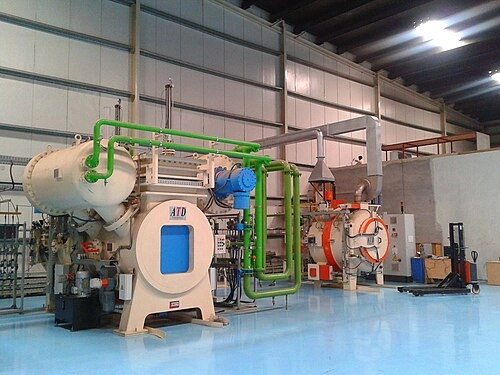
410 Martensitic stainless steel is known for its solid mechanical properties, especially after proper heat treatment. Here’s what you should know:
Mechanical PropertiesTensile strength: Typically ranges from 75,000 to 100,000 psi, making it strong enough for many structural and industrial uses.
Hardness: In its annealed state, hardness measures around 200 Brinell, but heat treatment can increase this to over 50 HRC (Rockwell Hardness), providing excellent wear resistance.
Ductility: It offers good toughness but less than austenitic stainless steels, so it’s a balance between hardness and some flexibility.
Machinability: Moderate machinability compared to other martensitic grades like 416.Heat Treatment for 410 Alloy
Heat treatment is key to unlocking 410 stainless steel’s full potential. Here’s the typical process:
- Annealing: Heat to around 1,450°F (790°C), then cool slowly. This reduces hardness and improves machinability.
- Hardening: Heat the steel between 1,850°F to 1,950°F (1,010–1,065°C), then quench it in oil or water. This creates the hard martensitic structure.
- Tempering: After hardening, temper between 350°F to 1,100°F (175–595°C) depending on the desired balance of toughness and hardness. This step reduces brittleness and refines mechanical properties.
These treatments impact tensile strength, hardness, and overall wear resistance, making 410 ideal for components like valves, knives, and turbine blades—where toughness and wear resistance matter.
For manufacturers sourcing 410 Martensitic Stainless Steel from China or domestic suppliers, understanding proper heat treatment helps ensure the material performs well in real-world applications.
Applications and Real World Use Cases Practical Relevance

410 Martensitic stainless steel shines in applications where strength, moderate corrosion resistance, and good hardness are essential. It’s widely used in the manufacturing sector, especially for parts that need to hold up under wear and tear but don’t face extreme corrosive environments. Here are some common uses:
- Cutlery and kitchen tools: Thanks to its hardness and decent corrosion resistance, 410 stainless steel is a favourite for knives, scissors, and other cutting instruments.
- Industrial valves and pumps: Its toughness and ability to handle heat make it ideal in these components, especially where moderate corrosion from liquids is expected.
- Automotive components: Used in parts like shafts, gears, and fasteners that demand strength and wear resistance.
- Medical instruments: 410 steel is chosen for surgical tools that need sharpness and ease of sterilisation without heavy corrosion risk.
- Aerospace and defence: It finds a place in parts requiring durability with moderate corrosion resistance, such as in aircraft hardware.
- Custom machined parts: Factories in China and across the UK often supply bespoke 410 martensitic stainless steel components for industries needing tailored solutions.
This versatility makes 410 martensitic stainless steel a practical option in many production lines requiring reliable strength, some corrosion resistance, and good machinability. If your UK-based project demands a balance of these properties, 410 is worth considering.
Advantages, Limitations and Comparisons, Decision-Making Framework
When deciding if 410 martensitic stainless steel is suitable for your project, it helps to weigh its advantages and limitations clearly.
Advantages
- Good hardness and strength: Thanks to its martensitic structure, 410 steel can reach high hardness levels after heat treatment, making it great for cutting tools and wear-resistant parts.
- Decent corrosion resistance: It performs better than carbon steel in many environments, especially when polished or maintained, suitable for moderate corrosion conditions typical in the UK market.
- Cost-effective: Compared to higher alloyed stainless steels, 410 offers a balance between performance and price, making it a budget-friendly option.
- Ease of heat treatment: 410’s heat treatment flexibility lets you tailor its mechanical properties to fit different applications.
Limitations
- Lower corrosion resistance than austenitic stainless steel: If exposure to highly corrosive environments or marine conditions is expected, 410 steel might not hold up as well as 304 or 316 grades.
- Limited ductility: Being martensitic, it is less flexible and tougher to form or weld compared to softer stainless steels.
- Susceptible to stress corrosion cracking: In chloride-rich environments, extra care or protective coatings may be needed.
Comparisons
- Compared to 410 vs 416 stainless steel, 416 offers better machinability due to added sulphur but slightly lower corrosion resistance. Choose 410 when corrosion and hardness balance is key.
- When matched with austenitic grades like 304, 410 wins for hardness and wear but loses on corrosion resistance and ease of forming.
Decision Tips
- Pick 410 martensitic stainless steel if you need strong, hard parts that do okay against rust in moderate conditions.
- Avoid it if you require high corrosion resistance or deep forming capabilities.
- Consider your heat treatment options upfront to unlock its best mechanical properties.
This balanced view helps you make smart choices for applications ranging from valve components to cutlery and industrial blades commonly used in the United Kingdom market.
Sourcing and Best Practices for 410 Martensitic Stainless Steel
When looking to source 410 Martensitic Stainless Steel, especially for industries across the United Kingdom, it’s crucial to focus on suppliers who understand the specific needs of this alloy. Here are some practical tips to make the process smoother:
- Choose Reliable Manufacturers: Aim for factory-direct suppliers or manufacturers known for quality 410 stainless steel products. This ensures better control over the chemical composition and mechanical properties you’re paying for.
- Verify UNS S41000 Compliance: Always check that the steel meets the UNS S41000 specification. This confirms the steel has the right balance of carbon and chromium for consistent martensitic properties.
- Request Mill Test Reports (MTRs): MTRs provide detailed insights into chemical makeup and mechanical testing results. This transparency can save time and avoid surprises down the line.
- Consider Custom Orders for Specific Needs: Many manufacturers in China and the United Kingdom offer custom 410 Martensitic Stainless Steel options, tailored to your heat treatment or hardness requirements.
- Plan for Proper Heat Treatment: Since 410’s performance hinges on heat treatment, confirm if the supplier can provide steel pre-treated to your desired hardness or tensile strength.
- Bulk vs Small Quantity: Larger orders often get better pricing but confirm the supplier’s minimum order quantities and lead times to fit your project schedule.
- Local Sourcing Benefits: For businesses in the United Kingdom, sourcing locally reduces shipping time and costs, plus adds ease in communication and quality control.
Following these best practices helps you get the right 410 martensitic stainless steel—matching your performance needs without delays or hidden compromises.
 English
  Chinese
  Spanish (Peru)
  German
  Korean
  Spanish (Spain)