
Discover laser engraving techniques, machines, and services for precise custom marking on metal, wood, glass, and more with expert guidance.
What is Laser Engraving
Laser engraving is a precise technique that uses focused laser beams to remove the surface layer of a material, creating permanent designs, patterns, or text. Unlike laser cutting, which cuts all the way through a material, laser engraving only alters the surface without cutting through. It also differs from laser etching, which typically produces a shallower mark by heating the surface rather than removing material.
The process is valued for its precision, allowing intricate details to be engraved with high accuracy. It also delivers durability since the engraved design is permanent and resistant to wear. Another major advantage is its versatility — laser engraving works on many materials including metals, woods, glass, acrylic, and leather, making it ideal for a wide range of applications from industrial parts to personalised gifts.
How Does Laser Engraving Work
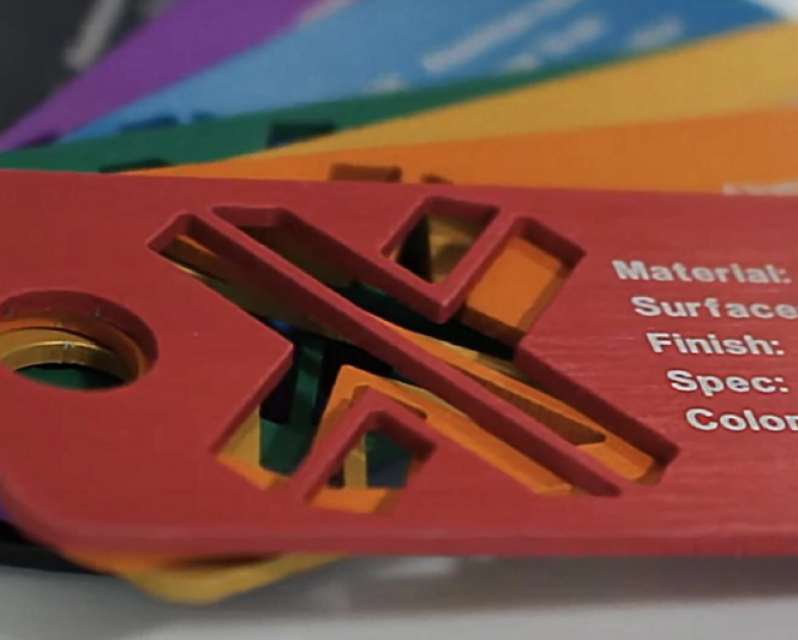
Laser engraving uses focused beams of light to carve or mark a material’s surface with precision. The most common types of lasers in laser engraving are CO2, fibre, and diode lasers. Each works a bit differently depending on the material and the detail needed:
- CO2 lasers are great for engraving wood, acrylic, glass, leather, and more. They’re popular for their versatility.
- Fibre lasers focus on metals and harder materials, offering sharp, durable marks.
- Diode lasers are more affordable and used mostly for lighter, less detailed engraving tasks.
Here’s how the process usually goes:
- Design Preparation – You start with a digital design, often created or imported as a vector file for maximum detail and accuracy.
- Material Selection – Choose the right material that suits your project and matches the laser type.
- Machine Setup – Load your design into the laser engraving software, set the right power and speed based on material and desired depth.
- Engraving – The laser follows the design, burning or vapourising the surface to create the engraving.
Software plays a key role in this process. It guides the laser with exact commands to ensure clean, consistent results every time. You can adjust the settings to control depth, shading, and speed, which gives you full control over the final look.
Materials Suitable for Laser Engraving
Laser engraving works well on a wide range of materials, making it super versatile for different projects. Common materials you can engrave include:
- Metal (stainless steel, aluminium, brass)
- Wood (hardwoods and softwoods)
- Glass (bottles, windows, awards)
- Acrylic (clear and coloured plastics)
- Leather (natural and synthetic)
Each material reacts differently to laser engraving, so here are some best practices for the most popular surfaces:
Best Practices for Different Surfaces
- Metal: Use fibre lasers for crisp, permanent marks. Clean the surface to avoid uneven engraving. Consider masking powders for coloured or deeper marks.
- Wood: Adjust laser power to avoid burning or charring. Test on a scrap piece to get the right settings for grain and thickness.
- Glass: Use lower power and multiple passes to avoid cracking. Apply a coating like wet paper or tape to improve contrast.
- Acrylic: Use CO2 lasers for smooth cuts and engravings. Avoid overheating to prevent melting or discolouration.
- Leather: Use medium power for clear marks without cutting through. Natural leather engraves better than synthetic for detail.
Tips for High Quality Results with Vast’s Equipment
- Always do a test run on sample material before the final engraving.
- Use Vast’s software for precise design alignment and power control.
- Keep your materials clean and free of dust for sharp results.
- Stick to recommended settings in Vast’s user guide to extend machine life and improve engraving quality.
- Regularly maintain the laser engraver—clean lenses and mirrors as suggested.
Using the right setup and following these tips will help you get clean, detailed, and durable engravings no matter what material you’re working with.
Applications of Laser Engraving
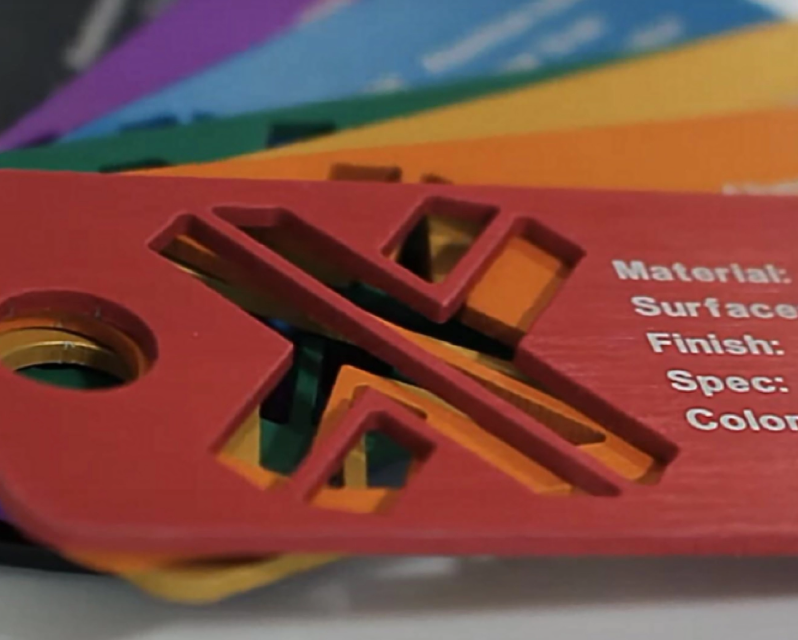
Laser engraving is incredibly versatile, making it a go-to for various uses across both personal and industrial fields.
Personalisation and Custom Gifts
From custom jewellery and accessories to personalised gifts like phone cases, wallets, and photo frames, laser engraving adds a unique, lasting touch that stands out.
Industrial Uses
Laser engraving is perfect for marking serial numbers, barcodes, and branding directly onto products. This ensures durability and precision, which is critical for traceability and quality control in manufacturing.
Creative Projects
Artists and designers use laser engraving for detailed artwork, signage, and home decor. It allows intricate designs on materials like wood, glass, and acrylic, bringing creative ideas to life with great accuracy.
Real World Examples
- Custom engraved cutting boards with family names
- Industrial tools engraved with part numbers for easy identification
- Art installations featuring finely detailed laser-engraved patterns
- Branded corporate gifts with company logos laser-marked for a professional look
Whether you’re after a personal touch or a reliable industrial marking, laser engraving fits the bill with precision and style.
Choosing the Right Laser Engraving Machine
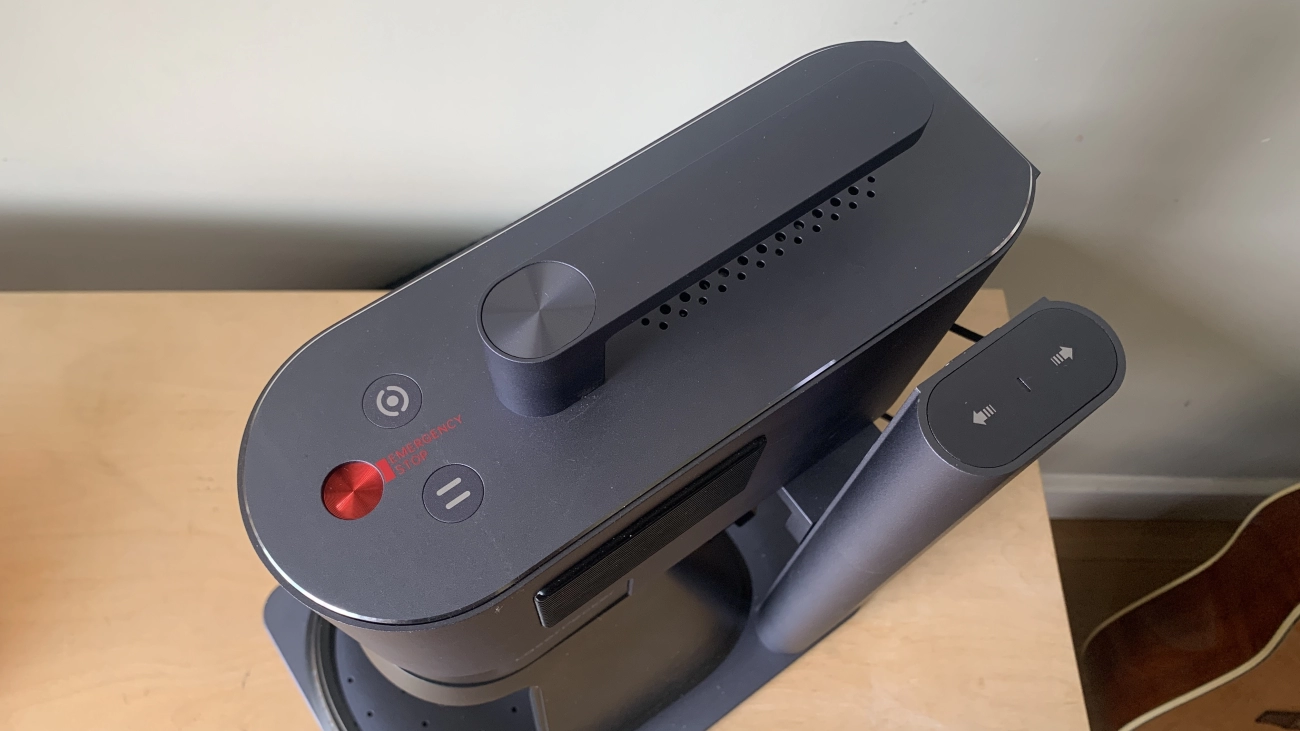
When it comes to Laser engraving, picking the right machine is key. There are three main types to consider: CO2, fiber, and diode lasers.
- CO2 lasers are great for engraving non-metal materials like wood, acrylic, leather, and glass. They offer excellent precision and are widely used for creative and personalised projects.
- Fibre lasers are best for marking metals. They work fast and deliver durable, high-quality engravings, ideal for industrial uses like serial numbers and branding.
- Diode lasers are smaller, budget-friendly options popular for DIY engraving and light commercial work on wood and plastics.
When choosing your machine, keep these factors in mind:
- Power: More power means faster engraving and the ability to handle tougher materials.
- Size: Match the machine size to your workspace and the scale of projects you plan to do.
- Budget: Balance your needs with what you can invest upfront and in maintenance.
- Intended use: Hobbyist, small business, or industrial work will demand different machine features.
What sets vast’s laser engraving machines apart is their focus on reliability and ease of use. They come with intuitive, user-friendly software that helps you get precise designs every time, regardless of your experience level. Plus, vast offers strong local support in the United Kingdom, so you’re never on your own if you need help or advice.
Choosing vast means investing in a durable, versatile device backed by professionals who understand your unique laser engraving needs.
Finding Laser Engraving Services
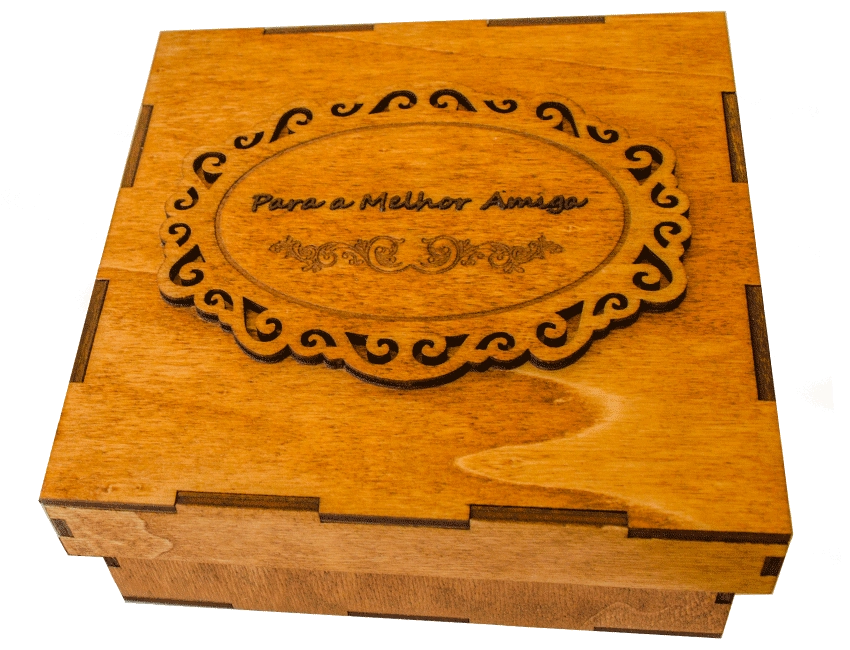
Deciding whether to go with professional laser engraving services or a DIY approach depends on your project size, complexity, and equipment access. If you need detailed, high-volume, or specialised engraving—like serial numbers, branding, or custom gifts—professional services often deliver the best results quickly and reliably. For smaller, simpler projects or if you enjoy hands-on work, DIY with a personal laser engraver might be enough.
When looking for a reliable local provider, especially in Portuguese-speaking regions, consider these factors:
- Experience and reputation: Check reviews and past work portfolios.
- Equipment quality: Ask what type of laser machines they use (CO2, fibre, diode).
- Turnaround time and delivery options: Confirm they meet your deadlines.
- Customer support: Look for responsive service and design help.
- Material expertise: Ensure they engrave on the materials you need.
At Vast, we offer high-quality laser engraving services tailored for both businesses and individuals. Our professional setups handle everything from custom gifts to industrial marking with precision and durability. Plus, our local support and expertise make the process smooth and dependable, ensuring your project looks exactly as you imagined.
Tips for Successful Laser Engraving
Getting great results with laser engraving starts before you even press “start.” Here are some practical tips to help you succeed.
Design Preparation
- Use vector graphics like SVG or AI files whenever possible for sharp, clean lines.
- Make sure your design is high resolution to avoid blurry or pixelated engravings.
- Keep the design simple if you’re working with small surfaces — too much detail can get lost.
- Double-check file formats supported by your laser engraving machine software.
Safety Precautions
- Always use proper ventilation to remove fumes and particles during engraving.
- Wear protective gear such as safety glasses and gloves, especially with metals and plastics.
- Handle materials carefully—some can release harmful gases when engraved (like PVC).
- Follow your machine’s specific safety guidelines to prevent accidents.
Maintenance Advice
- Regularly clean lenses and mirrors to keep the laser beam precise.
- Check and lubricate moving parts to avoid mechanical failures.
- Calibrate your laser system periodically for consistent engraving quality.
- Replace consumables like filters and belts according to the manufacturer’s advice.
Following these steps helps you get reliable, high-quality laser engraving results every time.
Cost of Laser Engraving What to Expect
When it comes to the cost of Laser engraving, several factors come into play:
- Material complexity: Different materials need varying levels of laser power and time. Metals and thicker materials usually cost more to engrave than wood or acrylic.
- Design details: More intricate designs take longer to engrave, increasing the price.
- Machine type: DIY laser engravers like CO2 or diode lasers can be more affordable upfront but might have limitations. Professional-grade machines often deliver better results but at a higher cost.
Average Costs
- DIY machines: Entry-level models typically range from 1,000 to 2,000 pounds. They’re great for hobbyists or small projects but may have slower speeds and lower precision.
- Professional services: For businesses or custom jobs, expect to pay between 50 and 200 pounds per hour depending on the project’s complexity and material.
Vast’s Cost Effective Solutions
Vast offers a range of laser engraving machines and services designed to fit different budgets:
- Affordable options for beginners and small businesses
- Reliable, professional-grade machines for high-volume or detailed work
- Transparent pricing with expert support to help you get the best value
Whether you’re just starting out or scaling your engraving projects, Vast provides flexible, cost-conscious choices without sacrificing quality.
Why Choose Vast for Your Laser Engraving Needs
When it comes to laser engraving, Vast stands out for a reason. Their range of laser engraving machines covers everything from beginner-friendly models to advanced, high-powered equipment designed to handle diverse materials like metal, wood, and acrylic. Whether you’re looking to personalise gifts, work on industrial projects, or explore creative art, Vast has a reliable solution that fits your needs.
What sets Vast apart is their commitment to quality, innovation, and customer support. Their machines come with easy-to-use software that simplifies design and engraving, making it accessible even if you’re new to laser engraving. Plus, Vast offers local support right here in the United Kingdom, ensuring you get help quickly whenever you need it.
If you’re ready to get the most out of laser engraving, explore Vast’s range of laser engraving machines and services or contact them for a personalised consultation. They’ll help you find the perfect setup to bring your projects to life with precision and durability.
 English
  Chinese
  Spanish (Peru)
  German
  Korean
  Spanish (Spain)
  Italian