
Discover expert precision machining services with Vast offering tight tolerances advanced CNC technology and reliable local manufacturing solutions.
What is Precision Machining
Precision machining is a manufacturing process focused on producing parts with exceptional accuracy, repeatability, and extremely tight tolerances. Unlike traditional machining, which often allows for broader tolerances, precision machining demands exact dimensions to ensure parts fit and function perfectly every time.
Key Characteristics
- Accuracy: Machined parts closely meet design specifications.
- Repeatability: Consistent production of identical parts.
- Tight tolerances: Very small allowable variations, often measured in microns.
Traditional Machining vs Precision Machining
| Feature | Traditional Machining | Precision Machining |
|---|---|---|
| Tolerance | +/- 0.01 inches or more | +/- 0.001 inches or less |
| Focus | General fit and function | Exact fit, complex specifications |
| Equipment | Manual or basic CNC machines | Advanced CNC, multi-axis, EDM |
| Applications | Larger, less complex parts | High-precision parts in critical industries |
Machining Processes in Precision Machining
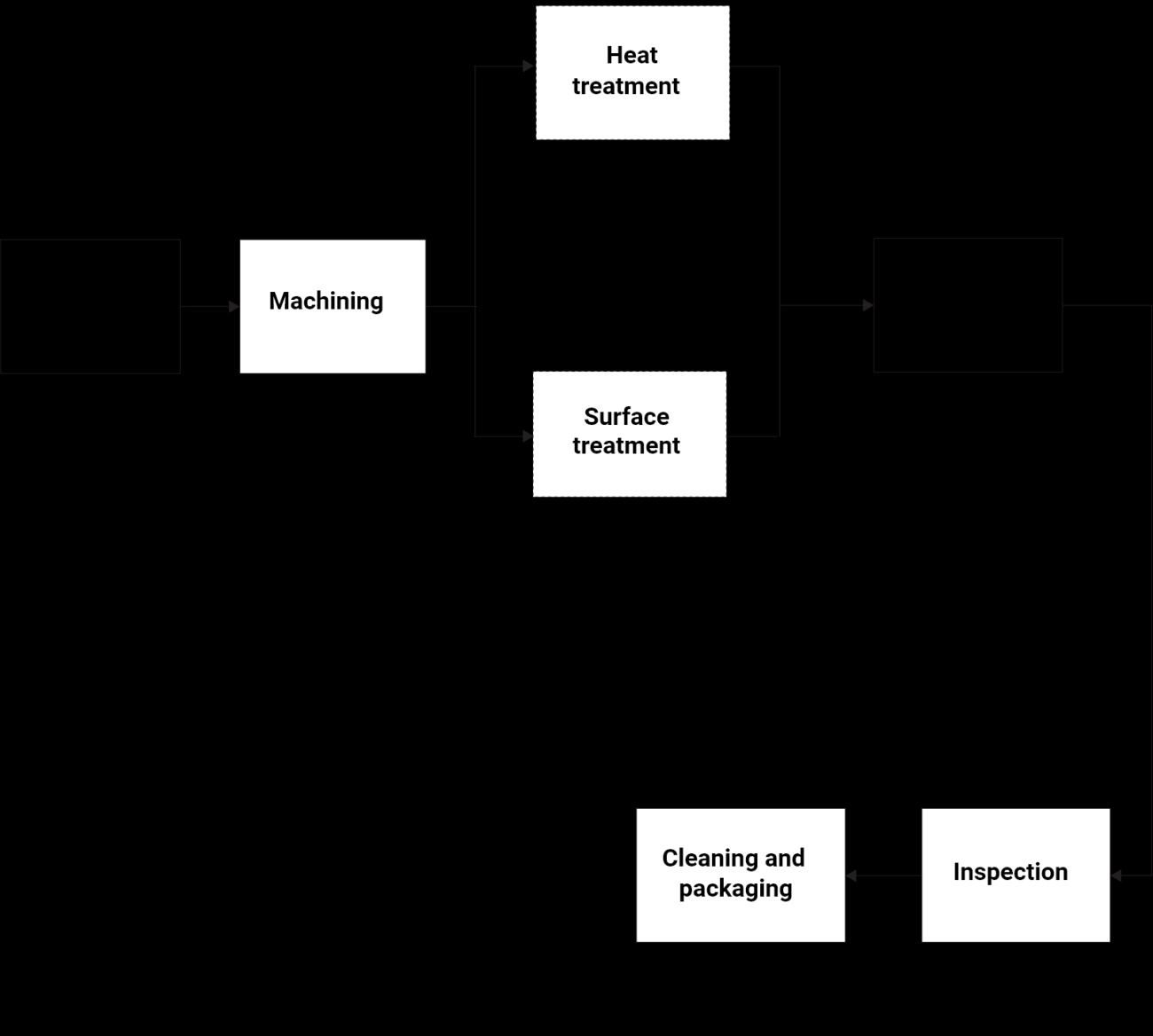
Precision machining includes several core processes, each suited to achieving high accuracy on different materials and part geometries:
- CNC Milling: Removes material using rotating cutting tools on multiple axes.
- Turning: Rotates the part against a cutting tool to shape cylindrical components.
- Grinding: Uses abrasive wheels for ultra-fine surface finishes and tight tolerances.
- Electrical Discharge Machining (EDM): Precisely shapes hard materials using electrical sparks, ideal for complex contours and delicate work.
These processes often combine to produce intricate, high-quality parts essential in industries that demand precision, such as aerospace, medical devices, and electronics.
Technologies and Equipment Used in Precision Machining

Precision machining relies heavily on advanced technologies and top-notch equipment to deliver accurate, consistent results. One of the main tools is CNC machining centres, which use computer numerical control to automate cutting, milling, and turning processes. These centres boost efficiency and precision while minimising human error.
Multi-axis machining is another key technology. Unlike traditional machines that work on 3 axes, multi-axis machines operate on 4, 5, or even more axes. This flexibility allows for complex shapes to be created in a single setup, reducing production time and improving precision.
When it comes to programming, CNC programming basics involve writing code that directs the machine’s movements. This programming ensures parts are made exactly to specification, using software that translates designs into machine instructions.
Materials handled in precision machining vary widely. Common choices include:
- Metals (aluminium, steel, titanium)
- Plastics (acetal, nylon, acrylic)
- Composites (carbon fibre, fibreglass)
Each material requires specialised tooling and settings to maintain precision. That’s why using the right cutting tools and equipment is crucial. High-quality tooling reduces wear and tear, maintains tight tolerances, and improves surface finishes—key for demanding industries like aerospace and medical.
In short, combining CNC machining centres, multi-axis capabilities, skilled programming, and the right materials with cutting-edge tooling is essential to achieve the high standards expected from precision machining services near me.
Applications and Industries That Benefit from Precision Machining
Precision machining plays a vital role across many industries where accuracy and quality are non-negotiable. Here are some key areas that benefit the most:
Aerospace and Defence
Parts in aerospace must meet strict precision machining tolerance levels to ensure safety and performance. From turbine blades to landing gear components, high precision machining is essential for reliable operations in demanding environments.
Medical and Healthcare Devices
Medical devices require extremely tight tolerances and biocompatible materials. Precision machining helps produce surgical instruments, implants, and diagnostic equipment that meet rigorous standards for accuracy and safety.
Automotive and Transportation
Precision machining supports the production of engine components, transmission parts, and customised metal machining for cars, trucks, and other vehicles. This improves durability and performance while reducing waste during manufacturing.
Electronics and Telecommunications
Small, intricate parts like connectors, housings, and circuit components demand CNC precision machining for consistent quality. This industry relies on precision machining services near me to keep production agile and reliable.
Industrial Machinery and Robotics
Machining complex parts with high repeatability is critical to building advanced industrial machines and robotic systems. Precision machining allows for components that fit perfectly and withstand heavy use.
Custom and Prototype Manufacturing
For product developers and manufacturers, precision machining is a go-to solution for prototypes and low-volume custom parts. It supports fast turnaround times and flexibility before scaling to mass production.
In , precision machining is a backbone for industries where exact measurements and reliable performance matter, helping meet specific needs with advanced machining technologies.
The Benefits of Precision Machining
Precision machining delivers several key advantages that make it a go-to choice for many industries.
Improved product quality and reliability
- Consistently meets tight tolerance levels
- Delivers parts with high accuracy and repeatability
- Reduces defects, boosting overall product performance
Cost effectiveness through reduced waste and rework
- Minimises material scrap by hitting exact specifications
- Cuts down on costly second runs or adjustments
- Saves money by optimising material and machining time
Faster turnaround times for prototypes and production runs
- Speeds up the path from design to finished part
- Enables quick changes during prototyping
- Supports timely delivery for urgent production needs
Scalability from single prototypes to mass production
- Handles one-off custom precision metal machining jobs easily
- Smoothly scales to high-volume manufacturing without loss of quality
- Flexible setups accommodate different batch sizes
Enhanced design complexity and capability
- Allows intricate shapes and features that traditional machining can’t achieve
- Supports advanced materials like composites and specialty alloys
- Boosts innovation with multi-axis CNC machining and hybrid processes
Here’s a quick overview:
| Benefit | What It Means for You |
|---|---|
| Quality and Reliability | Durable parts that fit right every time |
| Cost Effectiveness | Less waste, fewer fixes, lower costs |
| Faster Turnaround | Move quicker from idea to finished part |
| Scalability | From one prototype to thousands of units |
| Design Capability | Complex parts with precise details |
Choosing precision machining means getting parts you can depend on, faster and at a better cost, all while enabling advanced designs you need to stay competitive.
How to Choose the Right Precision Machining Service Provider
Picking the right precision machining service is essential to getting quality parts on time. Here’s what you need to consider:
Key Considerations
- Technical capabilitiesEnsure the provider offers the machining processes you need like CNC milling, turning, grinding, or EDM. Check if they handle the materials you require, such as metals, plastics, or composites.
- Certifications and experienceLook for ISO certifications, adherence to GD&T (Geometric Dimensioning and Tolerancing), and industry-specific standards. Experience with your particular industry—like aerospace or medical—is a plus.
Local Accessibility and Customer Service
- Choosing a local provider means faster communication and quicker turnaround times.
- Look for a service with strong customer support and easy access for visits or on-site consultations. Our presence in the UK ensures we understand local business needs and can respond promptly.
Quality Control and Inspection Standards
- Check if they use precise inspection tools and maintain tight precision machining tolerance levels.
- Commitment to quality checks throughout production reduces waste and rework.
Requesting Quotes and Samples
- Always ask for detailed quotes that break down costs transparently.
- Request sample parts before full runs to verify quality and specifications.
Client Testimonials and Case Studies
- Reviews and success stories show real-world results and reliability.
- Don’t hesitate to ask for references or case studies related to your industry.
| What to Verify | Why It Matters |
|---|---|
| Technical Skills | Matches your project needs |
| Certifications | Ensures quality and compliance |
| Local Presence | Faster delivery and support |
| Quality Control | Consistent part accuracy |
| Sample Parts | Verify before committing |
| References | Proven track record |
Choosing a provider carefully sets the foundation for a smooth precision machining experience tailored to your project goals.
Innovations and Future Trends in Precision Machining
Precision machining is evolving fast, driven by new tech and changing industry needs. Here’s a quick look at what’s shaping its future.
Automation and Industry 4.0 Integration
Factories are getting smarter with automation and Industry 4.0. Machines now connect through the Internet of Things (IoT), sharing real-time data to improve efficiency and reduce downtime. This means less manual work, fewer errors, and faster production cycles right here in manufacturing hubs in the United Kingdom.
Use of AI and Machine Learning
AI and machine learning help optimise cutting paths, tool wear prediction, and quality control. These smart systems learn from each run, making machining more precise and consistent over time. For local shops, this means better reliability and faster problem-solving with less guesswork.
Advanced Materials and Hybrid Manufacturing
New materials like lightweight composites and high-performance alloys are becoming common, especially in aerospace and medical parts. Hybrid manufacturing that mixes traditional machining with 3D printing lets us handle complex shapes and reduce waste. This tech opens doors for custom and prototype work right in our region.
Sustainability and Eco-Friendly Machining
Green machining is a growing focus. Techniques that reduce energy use, recycle coolant, and minimise scrap help cut environmental impact. Local precision machining providers are adopting these eco-friendly methods to meet stricter regulations and customer demands for sustainability.
These innovations not only push precision machining forward but also benefit UK businesses by improving quality, cutting costs, and supporting faster, cleaner production.
 English
  Chinese
  Spanish (Peru)
  German
  Korean
  Spanish (Spain)
  Italian