
Compare stainless steel vs alloy steel with expert insights on composition, strength, corrosion resistance, cost, and best uses for your project choices.
What Is Alloy Steel Breaking Down the Basics
Alloy steel is a type of steel made by combining iron and carbon with varying amounts of alloying elements, typically ranging from 1% to 50%. These alloying elements enhance specific properties to meet different industrial needs. For example, chromium is added to improve hardness, while manganese increases ductility, making the steel more flexible and less brittle.
Types of Alloy Steel
- Low Alloy Steel Contains 1% to 5% alloying elements. Commonly used in structural beams and general construction where strength and toughness are essential without excessive cost.
- High Alloy Steel Contains more than 5% alloying elements. These steels have enhanced toughness, corrosion resistance, and strength, used for demanding applications like heavy machinery or aerospace parts.
Key Properties Overview
| Property | Low Alloy Steel | High Alloy Steel |
|---|---|---|
| Composition | 1-5% alloys including chromium, manganese | Above 5% alloying elements |
| Strength | Moderate to high | High |
| Yield Strength | 350-650 MPa | 600-1000 MPa |
| Tensile Strength | 500-900 MPa | 800-1200 MPa |
| Machinability | Good | Variable, depends on alloy |
Vast Tip
At Vast, our low alloy steel grades help UK builders reduce fabrication costs by up to 20%. They hit the sweet spot between performance and affordability, perfect for everyday industrial projects.
What Is Stainless Steel The Corrosion Fighting Hero
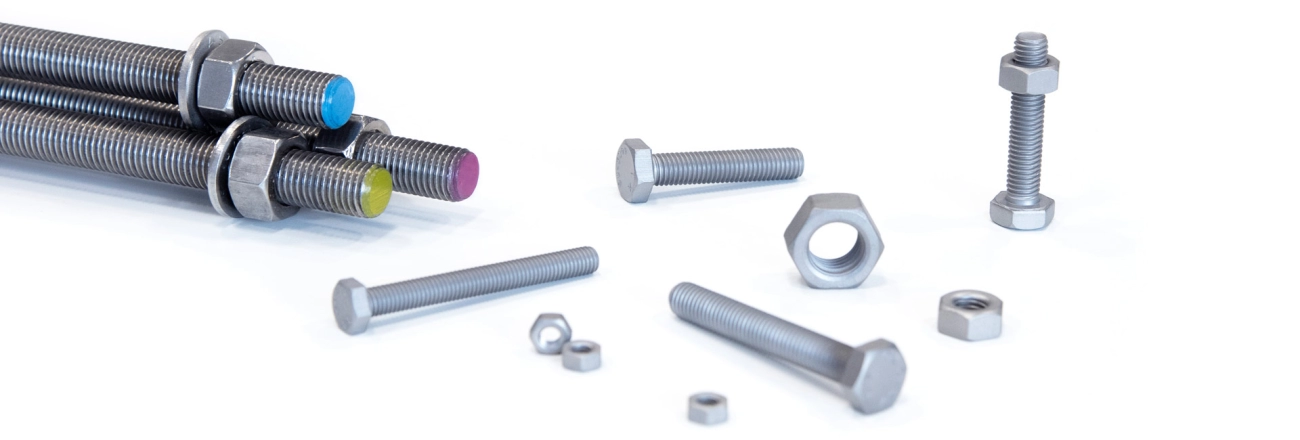
Stainless steel is a high-alloy steel that contains at least 10.5% chromium. This chromium creates a thin, invisible oxide layer on the surface that protects the steel from rust and corrosion. That’s why stainless steel is the go-to when you need something that stands up to moisture and harsh environments without wearing down.
Types of Stainless Steel
- Austenitic (like 304): This is the most common stainless steel. It’s ductile, easy to form, and widely used in kitchens, food processing, and everyday cookware.
- Ferritic: Magnetic and more cost-effective, ferritic stainless is great when you need corrosion resistance but want to keep costs down.
- Martensitic: Hardenable steel used mostly for tools and blades that need to hold a sharp edge.
- Duplex: A hybrid that combines the strength of ferritic with the corrosion resistance of austenitic—perfect for tough conditions.
| Property | Austenitic (304) | Ferritic | Martensitic | Duplex |
|---|---|---|---|---|
| Chromium Content (%) | 18-20 | 10.5-17 | 12-14 | 19-28 |
| Corrosion Resistance | High | Moderate | Moderate | Very high |
| Magnetic | No | Yes | Yes | Yes |
| Common Use | Kitchens, Food | Automotive, | Tools, Cutlery | Marine, Oil & Gas |
Vast Tip
Vast 316 stainless steel is a star for salty coastal projects like marinas. Its higher chromium and molybdenum content makes it even more rust-resistant, perfect for handling salty air and water.
Head to Head Comparison Stainless vs Alloy Steel Properties
When it comes to strength and durability, alloy steel usually takes the lead. Its tensile strength ranges from about 800 to 1,200 MPa, while stainless steel falls between 500 and 1,000 MPa. This makes alloy steel a better choice for heavy-duty applications where high strength is key.
In terms of corrosion resistance, stainless steel is the clear winner. Thanks to its high chromium content, stainless steel forms a protective oxide layer that prevents rust, making it ideal for marine or salty environments. Alloy steel, on the other hand, tends to rust unless specially coated or treated.
Looking at heat and wear resistance, alloy steel performs better in high-temperature settings such as pipelines and heavy machinery. Stainless steel excels in areas requiring hygiene and a non-porous surface, such as kitchens and medical equipment.
When we compare cost and machinability, alloy steel is generally more budget-friendly, costing about $0.50 to $1.50 per pound and easier to shape or weld. Stainless steel is more expensive initially but offers low maintenance and longer lifespan, which can offset costs over time.
| Property | Alloy Steel | Stainless Steel | Winner |
|---|---|---|---|
| Tensile Strength | 800 – 1,200 MPa | 500 – 1,000 MPa | Alloy Steel |
| Corrosion Resistance | Needs coating | Excellent (no rust) | Stainless Steel |
| Heat Resistance | High (good for pipelines) | Moderate | Alloy Steel |
| Machinability | Easier and cheaper | Harder and more expensive | Alloy Steel |
| Maintenance Cost | Higher (due to rust) | Lower (rust resistant) | Stainless Steel |
This side-by-side shows how stainless vs alloy steel each has clear strengths, depending on your project needs.
Real World Applications Where Each Shines and Where It Doesn’t
Alloy Steel Use Cases
Alloy steel is a go-to for heavy-duty jobs in the United Kingdom. It powers about 70% of vehicle axles, thanks to its high tensile strength and durability. You’ll find it in automotive gears, construction beams, tools, and oil rig components—places where toughness and load-bearing matter most. Its ability to handle stress and wear makes it the backbone of many industrial applications across the country.
Stainless Steel Use Cases
Stainless steel is the choice for environments where corrosion resistance is key. It’s everywhere in kitchens as cookware and appliances, in medical implants for its biocompatibility, and in marine hardware that faces salty coastal air. For Midlands breweries and food processing tanks, stainless steel’s low maintenance and hygienic surface make it ideal. Its rust-proof nature fits perfectly with projects demanding cleanliness and durability in wet or sanitary settings.
When to Use Hybrids and Clad Alloys
Sometimes, the perfect solution is a blend. Clad alloys or hybrid combinations are common when you want the strength of alloy steel but need stainless’s corrosion resistance without blowing the budget. This hybrid approach balances cost and performance, often found in construction projects or fabrications exposed to harsh environments but also heavy loads.
Vast Case Study
A fabricator in the United Kingdom using Vast’s alloy-stainless hybrid saw downtime drop by 30%. By blending the right grades, they cut back on rust-related repairs and extended the lifespan of critical parts—all while keeping costs in check. This real-world example shows how smart alloy and stainless steel mixes can boost productivity and cut maintenance headaches in tough industrial settings.
Pros, Cons and Hidden Trade-Offs

Alloy Steel ProsAffordable compared to stainless steel
Customisable strength and toughness for various applications
Good machinability and easier to formAlloy Steel ConsProne to rust without protective coatings or treatments
Requires regular maintenance to prevent corrosion
Not ideal for environments with high moisture or salt exposureStainless Steel ProsLow maintenance thanks to natural corrosion resistance
Attractive appearance that stays bright over time
Resistant to rust, ideal for wet and salty environmentsStainless Steel ConsHigher upfront cost than alloy steel
Can be more brittle under extreme temperatures or heavy impact
Slightly harder to machine and form due to hardnessEnvironmental Angle
Both alloy and stainless steel are 100% recyclable, making them sustainable choices for UK builders and fabricators. At Vast, we emphasise low emission sourcing to reduce environmental impact during production. Choosing either steel supports sustainable construction without sacrificing performance.
How to Choose A Step by Step Decision Framework
Picking between stainless and alloy steel comes down to a few key factors. Here’s a quick guide to get you started:
Consider the environment
- Wet or corrosive conditions? Go stainless for its corrosion-resistant steel features.
- Dry or low-corrosion areas? Alloy steel usually works fine.
Think about the load
- High stress or heavy load? Alloy steel offers higher tensile strength and durability.
- Light to medium loads? Stainless steel is often enough.
Budget matters
- Alloy steel is cheaper, costing about $0.50 to $1.50 per pound.
- Stainless costs more but saves on maintenance.
Regulations and standards
- For food grade or medical uses, stainless steel often meets FDA guidelines better.
- Industrial or construction projects might lean alloy based.
Simple Decision Tree
- Corrosive environment → Stainless steel
- Heavy load or high strength → Alloy steel
- Need corrosion resistance plus good strength → Consider hybrid or clad metals
Local UK DIY Tips
If you’re a DIYer in the UK, start small. Vast offers a free sample kit for popular projects like bike frames or BBQ grills to test the metals yourself.
Ready to decide?
Upload your project specs to the Vast quote tool for a personalised recommendation that fits your needs precisely.
 English
  Chinese
  Spanish (Peru)
  German
  Korean
  Spanish (Spain)
  Italian