
Learn how to decode machining finish symbols with our expert guide covering surface roughness charts standards and real-world applications.
The Fundamentals of Surface Finish Beyond the Symbols
When working with machining finish symbols on engineering drawings, it’s easy to get caught up in the signs and numbers without fully understanding what they represent. The surface finish isn’t just about meeting specifications—it impacts how a part performs in the real world. So, what really lies beneath those symbols? Let’s break down the key elements: roughness, lay, and waviness.
Roughness is the fine texture left on a surface after machining. Think of it as the tiny hills and valleys created by the cutting tool’s path. This aspect directly influences how your part will wear, seal, or move against other components. It’s usually measured by parameters like Ra (average roughness), Rz, or Rt, which tell us just how smooth or coarse the surface is. Knowing this helps you select the right process and tooling to achieve the finish you need.
Lay refers to the predominant direction of the surface pattern. It shows the flow of the machining marks — whether they run parallel, perpendicular, or in a crosshatched pattern. This pattern matters because it can affect friction, lubrication, and aesthetics. For example, a lay aligned with motion can reduce wear and improve performance.
Waviness is the more widely spaced irregularity on a surface. It stems from factors like machine vibration or tool deflection. While less obvious than roughness, waviness impacts the overall flatness and seal integrity, making it essential for critical surfaces.
Understanding these three elements helps you see beyond the surface finish symbols and make smarter choices in machining. It’s more than just meeting a number—it’s about ensuring your part works as intended when put to use.
If you’re ready to dive deeper into the symbols themselves and what they communicate, keep reading.
Anatomy of Machining Finish Symbols Breaking Down the Basics
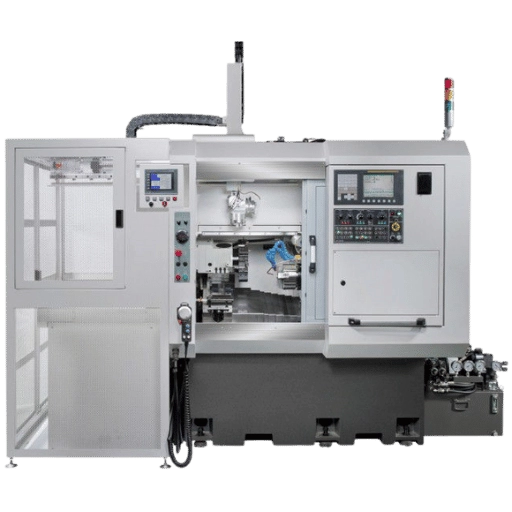
Understanding machining finish symbols starts with recognising their core structure and variations. These symbols are simple yet convey a lot about the surface texture requirements on your engineering drawings.
Core Symbol Structure and Variations
At the heart of every machining finish symbol is a basic checkmark-like shape or a horizontal line with an angled tail. This symbol indicates that a surface finish is required. Variations on this core include:
- Machining allowance indicator: A small line or number showing extra material to be removed.
- Lay pattern symbols: Lines or arrows added to specify the direction of surface texture, like parallel, cross-hatch, or circular patterns.
- Numeric callouts: Numbers accompanying the symbol communicate roughness values such as Ra, Rz, or Rt.
- Additional modifiers: Symbols that indicate if a surface may be rough machined, finished, or if specific processes like grinding or lapping are needed.
Placement Rules and Use Cases
Machining finish symbols follow strict placement rules on drawings to avoid confusion:
- They are typically placed on or near the surface line they reference.
- When relating to a specific area, the symbol should be close to or on the surface edge in the drawing.
- For global surface finish requirements, the symbol can appear in the title block or general notes.
Common use cases include:
- Highlighting where a precision surface finish is crucial, like sealing surfaces or mating parts.
- Indicating where lower roughness is acceptable or where secondary finishing is required.
- Specifying surface textures needed for cosmetic or functional reasons.
By knowing the anatomy and proper placement of machining finish symbols, you ensure clear communication on your technical drawings, reducing misunderstandings on the shop floor.
Decoding Parameters and Lay Patterns in Machining Finish Symbols
When you see machining finish symbols on drawings, the numbers and patterns tell you a lot about the surface quality needed. Knowing what these mean helps you meet the correct specifications on your parts.
Numeric Callouts Ra Rz Rt Explained
- Ra (Roughness Average): This is the most common surface roughness value. It measures the average height deviations from a surface’s mean line, usually in microinches (µin) or micrometres (µm). Lower Ra means a smoother finish.
- Rz (Average Maximum Height): Rz looks at the average height difference between the highest peak and lowest valley over several sampling lengths. It provides a better idea of surface peaks and valleys than Ra.
- Rt (Total Height of the Profile): Rt measures the vertical distance from the highest peak to the lowest valley across the entire measured profile. It is useful when extreme surface variations matter.
Lay Direction Symbols and Their Meanings
The lay pattern shows the direction of the surface texture. Common lay symbols include:
- Straight lines: Indicate parallel lay, usually from turning or grinding.
- Cross hatch: Created by sanding or polishing in multiple directions.
- Circular arrows: Represent circular lay, common with milling or drilling.
- Random pattern: Means the surface texture is irregular or unplanned.
Understanding the lay helps you choose the right process and tooling since it affects performance like lubrication and wear.
Surface Roughness Values Chart and Achievable Processes
Here’s a quick chart to match surface roughness values with common machining methods:
| Roughness (Ra in µin) | Typical Process | Notes |
|---|---|---|
| 125 – 250 | Milling, Turning | General machining |
| 63 – 125 | Fine turning, Grinding | Better finish, low cost |
| 16 – 63 | Fine grinding, Honing | Precision parts |
| 4 – 16 | Lapping, Polishing | High-quality, smooth |
| < 4 | Superfinishing | Ultra-smooth, critical use |
Knowing this helps you select the correct machining route to meet the finish specified by machining finish symbols, saving time and reducing rework.
By familiarising yourself with these parameters and lay patterns, you can confidently interpret engineering drawing symbols and set up your processes to meet or exceed the expected surface texture parameters.
Standards and Measurement Ensuring Compliance in Your Workshop

When working with machining finish symbols, following the correct standards is essential to keep your parts consistent and inspectable. In the United Kingdom, BS EN standards are commonly used, while ISO 1302 symbols are standard in many international contexts. Understanding the key differences between BS EN and ISO can help prevent miscommunication and rework.
BS EN vs ISO Key Differences
- Symbol Design: BS EN often uses simpler, more direct surface finish symbols, while ISO 1302 provides more detailed variations that include lay direction and machining allowance indicators.
- Parameters Noted: BS EN primarily focuses on roughness average (Ra) values, whereas ISO includes additional surface texture parameters like Rz and Rt.
- Callouts and Units: BS EN generally uses microinches (µin), popular in the United Kingdom, while ISO relies on micrometers (µm).
Measurement Tools and Common Pitfalls
To ensure your finishes meet the specified criteria, use precise measurement tools such as a profilometer, which accurately measures surface roughness values like Ra and Rz. Be aware of these common pitfalls:
- Using the wrong unit of measurement can lead to costly errors.
- Measuring at inconsistent points on the surface can give inaccurate results.
- Not calibrating instruments regularly affects reliability.
- Ignoring lay patterns and waviness can lead to misinterpretation of finish quality.
Integrating Symbols into CAD Software
Modern CAD programmes support machining finish symbols, helping you communicate surface finish requirements right from the design phase. Make sure you:
- Use the correct symbol libraries (ASME or ISO) based on your shop’s standard.
- Clearly specify numeric callouts for roughness values and lay directions.
- Double-check symbol placement so your machinists and inspectors don’t get confused.
By standardising how you use and measure machining finish symbols and leveraging CAD integration, you can keep your shop efficient and compliant with customer specifications.
Applications and Best Practices for Machining Finish Symbols
Machining finish symbols aren’t just for drawings—they play a big role in real-world machining across industries like aerospace, medical, automotive, and more. Each sector demands tight control over surface finish to ensure performance, safety, and longevity of parts.
Industry Examples
- Aerospace: Here, surface finish symbols guide processes that directly impact aerodynamics and fatigue life. Achieving specific Ra roughness values is crucial for components like turbine blades and airframe parts.
- Medical: Implants and surgical tools require ultra-smooth finishes to avoid tissue irritation and maintain hygiene. Machining finish symbols help maintain strict surface tolerance and lay patterns.
- Automotive: Engine parts and gears rely on optimized surface textures to reduce friction and wear, improving efficiency and durability.
Process-Specific Finishes and Optimisation
Different machining methods yield different surface finishes. Symbols help tailor processes like turning, milling, grinding, or honing to meet specifications without overdoing time or cost.
- Turning: Adjust feed rates and cutting speeds to hit the target Ra.
- Milling: Choose tool geometry and fine-tune spindle speed for consistent lay patterns.
- Grinding and Honing: Use finer abrasives or multiple passes for ultra-smooth finishes required in critical areas.
Tools, Speeds, and Feeds To Meet Specifications
- Use finish symbols on drawings to communicate exact surface texture expectations to operators.
- Base tool selection on the required finish—carbide inserts for fine finishes, diamond tools for polishing.
- Adjust speeds and feeds carefully; slower feeds can improve finish but reduce production speed.
- Follow surface roughness charts and ISO 1302 symbols for reference, making your processes predictable and reliable.
By applying machining finish symbols correctly, you streamline communication on shop floors, reduce rework, and ensure parts meet the high standards expected by United Kingdom manufacturers.
 English
  Chinese
  Spanish (Peru)
  German
  Korean
  Spanish (Spain)
  Italian