
Learn machine turning essentials with our comprehensive CNC lathe guide covering tools, setups, and precision techniques for efficient manufacturing.
What Is Machine Turning A Beginner’s Breakdown Core Principles of the Turning Process
Machine turning is a fundamental part of metalworking where a cutting tool removes material from a rotating workpiece. This process shapes the material into precise cylindrical parts using a subtractive manufacturing approach. At its core, turning relies on the rotation of the workpiece against a fixed cutting tool to create smooth, accurate surfaces.
The key principles include:
- Workpiece Rotation: The metal or material spins on a lathe or turning centre while being cut.
- Tool Movement: The cutting tool moves along the length or across the diameter of the workpiece.
- Material Removal: Chips are shaved off in controlled layers to reach the desired shape.
- Precision Control: Factors such as speed, feed rate, and depth of cut are carefully adjusted to optimise quality and efficiency.
Understanding these basics helps beginners grasp how turning delivers consistent precision for parts like shafts, bushings, and prototypes. It’s a critical step in manufacturing many metal components used across industries.
Ready to see how this process evolved and how modern machines improve turning? Let’s dive into its history and advancements next.
What Is Machine Turning A Beginner’s Breakdown Evolution from Manual Lathes to CNC Turning Machines
Machine turning started with manual lathes, where operators controlled every movement by hand. These traditional lathes required a lot of skill to rotate the workpiece and carefully cut it with lathe tool inserts. While effective, manual turning was time-consuming and less precise, making it tough to meet today’s tight manufacturing standards.
Then came CNC turning machines, which revolutionised the process by automating workpiece rotation techniques and tool movements. With CNC lathe machining, operators now programme the machine to handle feed rate optimisation, metal chip removal, and precise cuts automatically. This shift not only improved accuracy but also increased efficiency and repeatability across batches.
For many local UK manufacturers, moving from manual to CNC turning centres means faster turnaround times and better consistency, especially when producing precision cylindrical parts for industries like automotive and aerospace. CNC machines also allow complex designs to be created with multi-axis control, which would be nearly impossible by hand.
In short, the evolution from manual lathes to CNC turning machines marks the industry’s move towards smarter, more reliable subtractive manufacturing processes that meet today’s demand for quality and speed.
Types of Machine Turning Machines and Their Applications
Horizontal vs Vertical CNC Turning Centres
When it comes to machine turning, choosing the right type of CNC turning centre makes a big difference in efficiency and part quality. The two main styles you’ll find are horizontal and vertical CNC turning centres, each built for specific tasks and setups.
Horizontal CNC Turning Centres
- These are the most common type, where the spindle is positioned horizontally.
- Ideal for long, cylindrical parts like shafts, rods, or any precision cylindrical parts that need to be rotated along a horizontal axis.
- Great for high-volume production thanks to efficient metal chip removal—gravity helps clear chips away from the work area.
- Suited for jobs requiring multiple turning operations and easy access to lathe tool inserts.
Vertical CNC Turning Centres
- The spindle is arranged vertically, so the workpiece is loaded from the top or bottom.
- Better for heavy or awkwardly shaped parts that benefit from gravity holding the work steady.
- Common in industries where large diameter parts like wheels or flanges are frequent.
- Usually have a smaller footprint, making them a good fit for workshops with space limits.
Both types use workpiece rotation techniques and are part of the subtractive manufacturing process, but your choice depends on the specific requirements of your job—volume, size, and shape of parts, plus how you want to manage setup and chip removal.
If you’re working with prototype turning services or precision cylindrical parts production, knowing these applications can help you optimise your process and achieve better results.
Specialised Variants Swiss-Style Multi-Axis and Production Turn-Mills
When it comes to machine turning, some jobs need a bit more precision and complexity. That’s where specialised machines like Swiss-style multi-axis lathes and production turn-mills come in.
Swiss-style lathes are perfect for making small, precision cylindrical parts—think medical devices or delicate electronic components. These machines keep the workpiece rotating and supported very close to the cutting tool. This setup reduces vibration and helps create tight tolerances, making Swiss-style turning a go-to for prototype turning services and high-precision jobs.
Production turn-mills, on the other hand, combine turning and milling in one machine. That means they can handle more complex shapes without needing to move the part between different machines. Turn-mills excel in automotive and aerospace manufacturing where parts often have both turned and milled features. They use multiple axes and specialised lathe tool inserts, which allows them to perform several operations quickly and accurately.
Both variants enhance efficiency by reducing setup times and improving metal chip removal. They also enable faster feed rate optimisation, helping you achieve the best results for high-volume or intricate parts.
In the UK market, these specialised machines are key to remaining competitive, especially when precision, speed, and flexibility are crucial. If you’re working on projects that push the limits of standard CNC lathe machining, exploring Swiss-style or production turn-mills might be your best option.
Step by Step Guide How to Set Up and Run a Machine Turning Operation
Essential Tools Materials and Safety Protocols
Getting started with machine turning means having the right tools, materials, and safety measures in place. Here’s what you need to run a smooth turning centre operation:
Essential Tools and Materials
- CNC Lathe Machine or Turning Centre – The heart of the process where the workpiece spins while the cutting tools shape it.
- Lathe Tool Inserts – These cutting bits come in different shapes and materials. Choose inserts based on the metal you’re working with for precision cuts.
- Workpieces – Usually metal rods or cylinders like aluminium, steel, or brass, depending on your project needs.
- Cutting Fluids – Helps reduce heat, improve chip removal, and extend tool life during metal cutting.
- Measuring Instruments – Calipers, micrometers, and gauges ensure parts meet exact specifications after turning.
Safety Protocols to Follow Every Time
- Wear Personal Protective Equipment (PPE) – Safety glasses, gloves, and hearing protection are musts when operating turning machines.
- Secure Workpiece Properly – Proper clamping prevents accidents caused by loose parts spinning out of control.
- Keep Work Area Clean – Metal chip removal is crucial to avoid slips and allow smooth machine operation.
- Follow Lockout/Tagout Procedures Always ensure the machine is powered down during setup or tool changes to avoid unexpected starts.
- Training and Awareness Only trained personnel should operate machine turning to reduce risks and improve efficiency.
By preparing these tools and trusting solid safety protocols, you’re set up for a clean, efficient machine turning operation that delivers precision cylindrical parts on time and on budget.
Step by Step Guide on How to Set Up and Operate a Turning Machine: Programming and Execution from CAD to Finished Part
When moving from design to the actual machine turning operation, programming and execution are key. It all begins with your CAD (Computer-Aided Design) file. This digital blueprint captures the exact dimensions and details of the part you want to produce.
Here’s a straightforward approach to take your CAD design through CNC lathe machining to the finished part:
- Import the CAD file into CAM software. This software converts your design into a toolpath—a set of instructions that tells the turning centre operations how to move and where to cut.
- Set machining parameters. Define feed rates, spindle speeds, and depth of cuts based on the material and desired finish. Proper feed rate optimisation helps prevent tool wear and produces smooth surfaces.
- Simulate the turning process. Run a virtual test to detect potential issues such as collisions or tool misalignment before actual machining begins.
- Load the program into the CNC turning machine. Upload your G-code (the machine language) and prepare the machine by installing the correct lathe tool inserts and securing the workpiece.
- Perform a test run. Check chip removal patterns and dimensions carefully to ensure everything runs smoothly and matches your design specifications.
- Execute full production run. Monitor the process to ensure consistent quality; minor adjustments may be needed for efficiency or precision gains.
By following these steps, you’ll smoothly turn your CAD drawings into precise cylindrical parts. The key is to keep communication open between your digital plans and the physical machine turning operation for the best results.
Key Benefits, Challenges and Optimisation Tips for Machine Turning
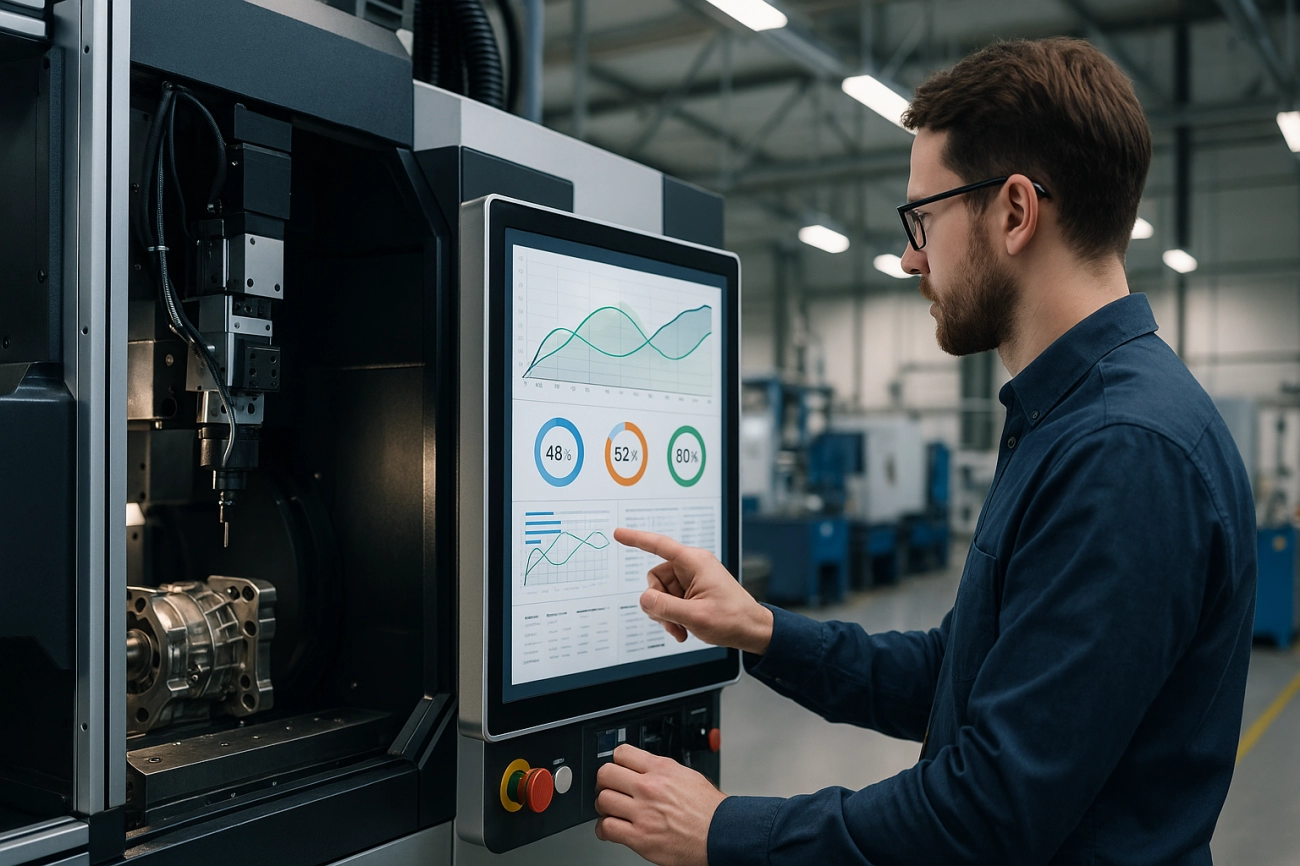
Why Choose Machine Turning: Efficiency, Cost Savings, and Precision Improvements
Machine turning is a preferred process when you require precise cylindrical parts to be produced accurately. It is a subtractive manufacturing process, meaning the workpiece rotates while cutting tools remove metal chips to shape the final component. Here’s why machine turning stands out, especially for businesses here in the United Kingdom:
- High EfficiencyModern CNC lathe machining accelerates production with consistent results. The automation reduces manual intervention, which means less downtime and quicker turnaround.
- Cost-EffectiveAlthough the initial setup might cost more than manual methods, machine turning lowers per-part costs over time. Less waste and quicker cycles mean better use of materials and labour.
- Precision and QualityThe use of advanced lathe tool inserts and turning centre operations allows for tight tolerances and smooth finishes. This level of accuracy is critical across industries, from aerospace to medical devices.
- VersatilityWhether you need prototype turning services or production runs, machine turning handles a wide range of materials and part sizes with ease.
- ScalabilityFrom one-off projects to mass production, CNC turning machines like horizontal and vertical turning machines can scale to your needs.
To optimise your machine turning process, focus on:
- Feed Rate OptimisationAdjusting the feed rate helps balance speed and surface finish.
- Tool MaintenanceRegularly replace and inspect lathe tool inserts to avoid defects.
- Effective Metal Chip RemovalKeep the work area clean to prevent damage to the workpiece and tools.
Choosing machine turning means getting precise parts quickly and at a better cost, all while keeping quality locked in. It’s why so many United Kingdom manufacturers rely on this process for consistent, reliable manufacturing.
Common Pitfalls and How Vast Solves Them
Machine turning comes with its share of challenges that can impact efficiency, quality, and costs if not handled properly. Here are some common pitfalls and how Vast helps you avoid them:
- Tool Wear and BreakageLathe tool inserts wear down fast if feed rates and speeds aren’t optimised. Vast uses real-time monitoring and the latest tool materials to extend tool life, reducing downtime and costs.
- Inconsistent Part QualityVariations in workpiece rotation or improper setup can cause dimensional errors. Vast’s precise calibration and quality checks ensure every part meets strict standards consistently.
- Metal Chip ManagementPoor metal chip removal can damage the workpiece or slow down operations. Vast integrates advanced chip evacuation systems to keep the workspace clean and maintain a smooth cutting process.
- Programming ErrorsMistakes in CNC lathe machining code can lead to scrap parts and wasted time. Vast leverages experienced programmers and simulation software to catch errors before actual machining starts.
- Setup Time and ChangeoversLong setup times reduce productivity especially for prototype turning services or small runs. Vast’s streamlined setup processes and flexible fixtures minimise changeover time.
By addressing these common issues head-on, Vast ensures your machine turning operations stay reliable, efficient, and cost-effective.
Real World Applications and Industry Case Studies Machine Turning in Automotive Aerospace and Medical Sectors
Machine turning plays a significant role in some of the most demanding industries in the UK—automotive, aerospace, and medical. These sectors require precision cylindrical parts that meet strict quality and safety standards. Turning centres and CNC lathe machining excel here because they provide consistent accuracy and smooth finishes, essential for high-performance components.
In automotive manufacturing, turning is utilised for producing engine components, shafts, and gears. These parts demand tight tolerances and robust material properties, which machine turning efficiently delivers through optimised feed rates and effective metal chip removal.
The aerospace sector relies heavily on vertical turning machines and multi-axis CNC turning for complex, lightweight components. The ability to handle tough metals while maintaining precise specifications is crucial for aircraft safety and performance.
Medical device manufacturers benefit from Swiss-style multi-axis turning machines that produce tiny, precise parts used in surgical tools and implants. The subtractive manufacturing process ensures each piece is crafted exactly to design without compromising material integrity.
These real-world examples demonstrate that machine turning isn’t just about shaping metal—it’s about delivering reliable, high-quality parts that keep critical industries progressing.
Choosing the Right Machine Turning Partner Why Vast Stands Out Tailored Solutions for Your Production Needs
When you require reliable machine turning services, selecting the right partner makes all the difference. Vast understands that every project is unique, so we focus on delivering tailored solutions that suit your specific production needs. Whether you’re working on prototype turning services or large-scale manufacturing, we adapt our approach to match your goals and budget.
Here’s why Vast stands out:
- Custom Precision: We utilise advanced CNC lathe machining and turning centre operations to produce precision cylindrical parts that meet tight tolerances.
- Wide Machine Range: From horizontal to vertical turning machines and specialised Swiss-style multi-axis turn-mills, we select the best tools for your job.
- Efficiency Focus: With expertise in feed rate optimisation and metal chip removal, we streamline the subtractive manufacturing process to save you time and costs.
- Local Support: Serving customers across the UK, we prioritise quick turnaround times and clear communication, making the process smooth from start to finish.
- Quality Assurance: Our work is supported by strict quality checks to ensure every part matches your specifications perfectly.
By partnering with Vast, you’re not just getting a machine turning service; you’re gaining a team committed to making your manufacturing process easier and more efficient. Whether it’s automotive, aerospace, or medical sector parts, we have the experience and tools to support your production needs.
Contact us today to see how Vast’s expertise can elevate your next machine turning project.
Elevate Your Machining with Vast’s Turning Expertise Next Steps and Resources
Machine turning is a powerful tool for precision and efficiency in manufacturing. At Vast, we bring years of experience and cutting-edge CNC lathe machining technology to help you maximise your turning projects. Whether you need prototype turning services or large-scale production runs, our tailored solutions ensure you save time and reduce costs while achieving top-quality results.
Ready to elevate your machining? Start by reaching out to Vast for a consultation tailored to your specific production needs. We offer expert guidance, from selecting the right turning centre operations to optimising feed rates and tool inserts.
For more on how to maximise your turning processes and avoid common pitfalls, check out our resources and industry insights. Partner with Vast and experience the difference in precision cylindrical parts and subtractive manufacturing process expertise that serves industries like automotive, aerospace, and medical right here in the UK.
Take the next step today—contact Vast to unlock your turning operation’s full potential.
 English
  Chinese
  Spanish (Peru)
  German
  Korean
  Spanish (Spain)
  Italian