
Explore expert metal finishing techniques to enhance durability, corrosion resistance, and aesthetics with sustainable solutions for industrial and DIY projects.
Have you ever wondered what really protects your metal products from rust, wear, and dullness? Metal finishing is the secret step that transforms ordinary metal into something durable, visually stunning, and perfectly suited for its purpose. Whether you’re an engineer, fabricator, or DIY enthusiast, understanding the range of metal finishing techniques—from anodising to powder coating—can make all the difference in extending lifespan and enhancing performance. In this guide, you’ll discover how the right metal surface treatment not only protects but also elevates your projects, with expert insights to help you choose smart, sustainable solutions that stand up to even the toughest environments. Let’s get started.
The Fundamentals of Metal Finishing and Why It Matters
Metal finishing, or acabado de metales, is the process of improving the surface of metals to enhance their appearance, durability, and performance. At its core, metal finishing serves three main purposes:
- Protection: It shields metals from corrosion, wear, and environmental damage.
- Aesthetics: Finishing gives metals a polished, attractive look that fits design and branding needs.
- Functionality: Specific finishes can improve conductivity, reduce friction, or prepare metals for further processing.
The practice of metal finishing has evolved over centuries, from simple hand polishing in ancient times to advanced chemical and electrochemical methods used today. Early civilizations noticed that treating metal surfaces made tools and objects last longer and look better, leading to continuous innovation.
Locally, especially in the United Kingdom, corrosion remains a significant issue, particularly in coastal and humid areas. Saltwater and moist air accelerate rust and corrosion, making high-quality metal finishing essential to protect infrastructure, vehicles, and outdoor equipment. Proper acabado de metales helps extend the life of metal products by creating barriers that resist corrosion, which is critical for both industrial applications and everyday use.
Types of Metal Finishing Techniques A Comprehensive Breakdown
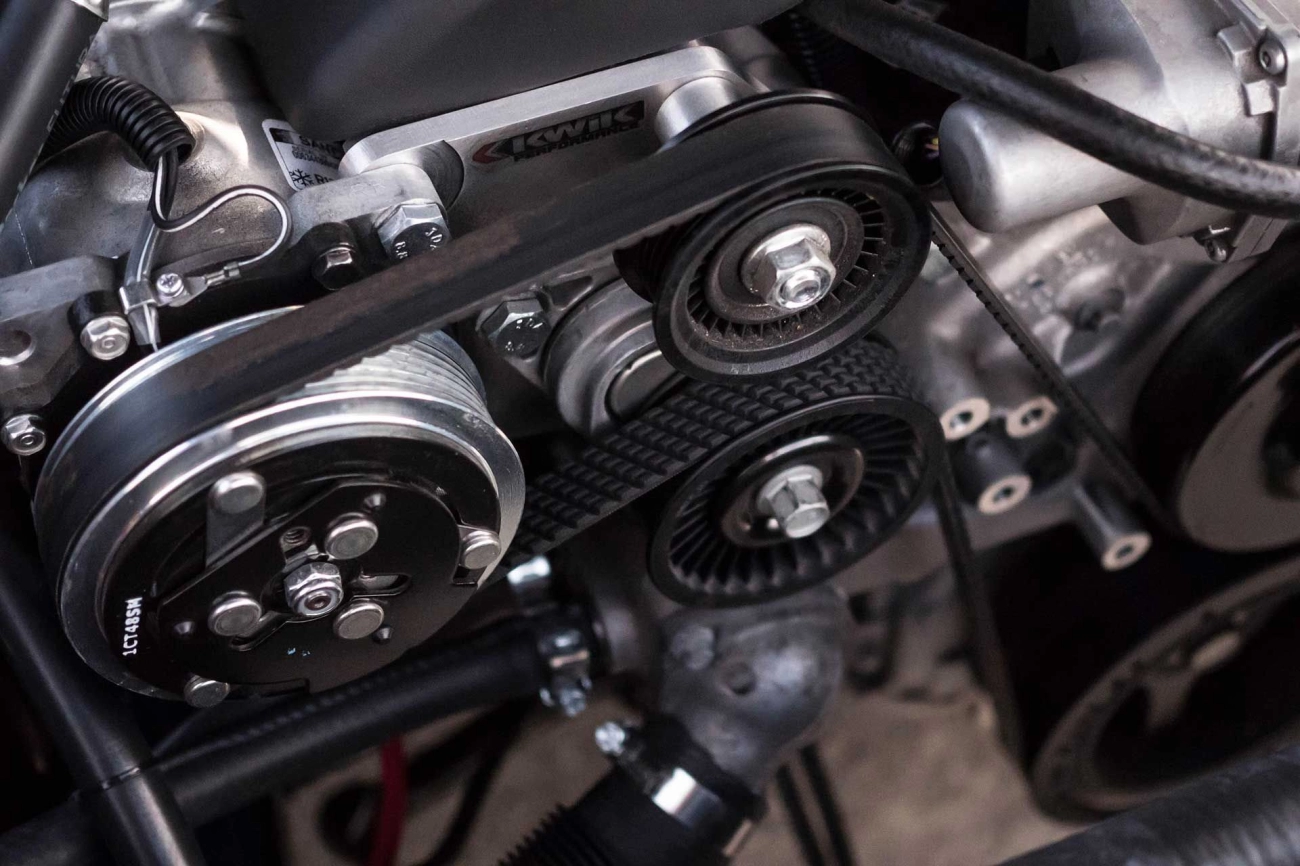
When talking about metal finishing, there are several common techniques used to improve a metal’s look, durability, and performance. Here’s a quick breakdown of the main types:
Mechanical Finishes
These finishes rely on physical methods to change the metal’s surface:
- Sanding: Smooths out rough spots or imperfections.
- Brushing: Creates a textured, matte finish with fine lines.
- Polishing: Gives a shiny, reflective look by buffing the metal surface.
Chemical Finishes
These involve chemical reactions to protect or enhance metals:
- Etching: Uses acids or chemicals to create patterns or clean the surface.
- Passivation: Removes free iron from stainless steel to boost corrosion resistance.
Electrochemical Finishes
These techniques use electricity and chemical solutions to coat or treat metal surfaces:
- Anodising: Common with aluminium, it builds a hard, protective oxide layer that resists corrosion.
- Electroplating: Deposits a thin metal layer (like chrome or nickel) for protection and appearance.
Coating Based Finishes
These finishes add an extra layer on top of the metal:
- Powder Coating: Applies a dry powder that’s baked on, making a tough, colourful finish ideal for outdoor use.
- Physical Vapor Deposition (PVD): A high-tech process that adds very thin, durable coatings, often used for premium metal plating.
Each method has specific uses depending on the metal type, environment, and desired look or protection. In the UK, especially near coastal areas, choosing the right finish can help prevent corrosion and extend lifespan.
Benefits of Professional Metal Finishing Beyond the Surface
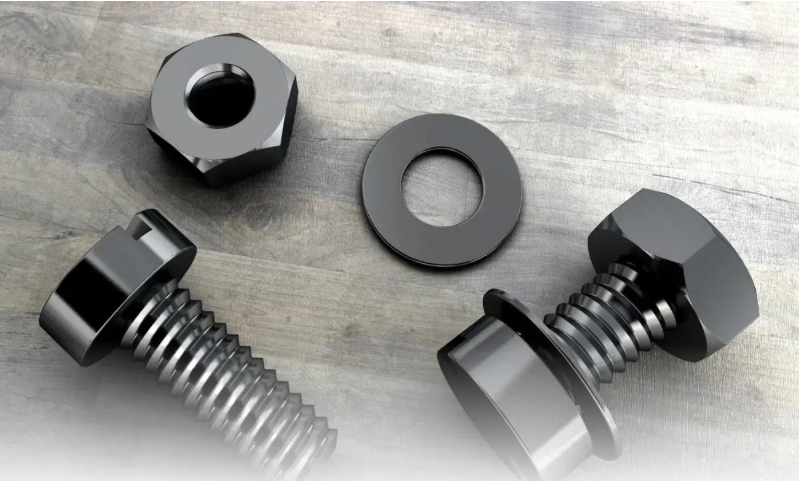
Professional metal finishing goes far beyond just making your metal look good. It provides essential protection, improves performance, and adds lasting value.
Protection
Metal finishing protects against corrosion, wear, and environmental damage—especially important in coastal areas where salt air speeds up rust. Finishes like electroplating and powder coating create strong barriers to keep metals durable over time.
Aesthetics
A clean, polished finish boosts the look of any product. Whether it’s brushed aluminium or a custom metal plating service, a quality finish enhances appeal and can help your product stand out in the market.
Functionality
Certain finishes improve metal’s function. For example, anodising aluminium increases corrosion resistance and surface hardness, while passivation enhances stainless steel’s durability. This means better performance and longer life for your metal parts.
Environmental Impact
Modern metal finishing processes are shifting toward sustainability. Using eco-friendly coatings and efficient surface treatment metals reduces waste and pollution—a smart choice for companies focused on cutting their environmental footprint.
Benefits and Industry Applications
| Benefit | Industry Examples |
|---|---|
| Corrosion Resistance | Construction, Marine, Automotive |
| Enhanced Appearance | Consumer Goods, Electronics |
| Improved Durability | Aerospace, Heavy Machinery |
| Environmental Safety | Green Manufacturing, Packaging |
Professional metal finishing combines appearance with real, measurable benefits—making it a smart investment across industries in the UK.
Step by Step Guide How to Choose and Apply the Right Metal Finish
Choosing the right metal finish depends on a few key factors: the type of metal, where it will be used, your budget, and the finish’s purpose. Here’s a simple framework to help you decide and apply the best finish for your project.
How to Choose the Right Metal Finish
- Material type: Different metals react differently to finishes. For example, anodising works great on aluminium but not steel. Know your metal first.
- Environment: Is the metal indoors, outdoors, or near the coast? Coastal areas need finishes that fight corrosion and salt damage, like powder coating or specialised electroplating.
- Budget: Finishes like polishing or brushing cost less, while PVD or anodising can get pricey. Balance cost with how much protection or look you need.
- End use: Is it purely decorative, or does it need to last under heavy use? Functional finishes like passivation add corrosion resistance, while polishing improves aesthetics.
DIY vs Professional Finishing
- DIY tips: For small projects, sanding, brushing, or simple polishing can be done at home with basic tools. Chemical finishes, however, need care and proper handling.
- Professional finishes: For consistent quality and complex coatings like electroplating, powder coating, or PVD, professional services are best. They have the equipment to ensure durability and uniformity.
Quick Checklist Before You Begin
- Check metal cleanliness and surface preparation
- Confirm the finish matches your environmental conditions
- Determine if you have the right tools or need professional help
- Review safety guidelines, especially for chemical or electrochemical finishes
- Estimate total costs including materials and labour
Local Recommendations for Coastal Areas
Living near the ocean means extra challenges from salt air and humidity. Finishes like galvanised steel finishes, passivation, or heavy-duty powder coatings offer good corrosion resistance here. If you’re unsure, speak to local metal finish specialists who understand these conditions and can suggest finishes that hold up over time.
Following these steps will help you get the right metal finish that fits your needs, looks great, and lasts longer no matter where you are in the UK.
Common Challenges in Metal Finishing and How Vast Solves Them
When it comes to metal finishing, some common issues keep popping up. One big headache is coating uniformity—making sure the finish is consistent across every inch of the metal surface. Uneven finishes cause weak spots and corrosion problems, especially in places with salty air like coastal areas. Cost is another challenge. Metal finishing can get pricey fast, especially when you need top-quality, durable coatings that also meet industry standards. Compliance with environmental and safety regulations can add extra layers of complexity and expense.
This is where Vast steps in with smart solutions. We use robotic precision technology that ensures an even, flawless coating every time. Automation cuts down waste and keeps costs in check, so you get great value without sacrificing quality. Our bulk finishing services handle large orders efficiently, keeping turnaround times fast for businesses big and small.
For example, a client struggled with adhesion issues on their aluminium parts used in outdoor construction. Their finishes kept peeling due to poor surface preparation and inconsistent coatings. Vast was able to solve this by combining advanced surface cleaning with our precise electroplating process, resulting in much stronger bonding and a longer-lasting finish.
If you’re dealing with coating headaches or want to improve your metal finishing results, Vast’s approach tackles those common pain points head-on.
Industry Applications Metal Finishing in Action
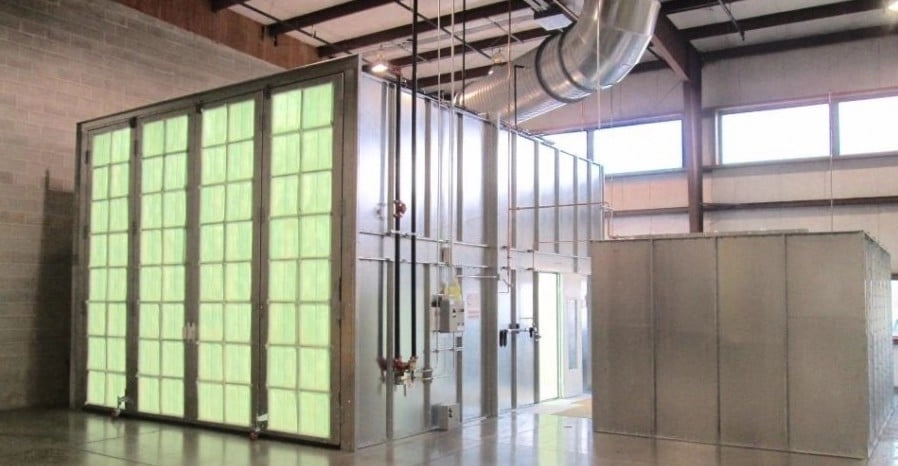
Metal finishing plays a big role across several key industries in the UK, especially automotive, construction, and consumer goods. Each sector relies on metal finishing to improve durability, appearance, and performance of metal parts.
In automotive manufacturing, metal finishing like electroplating and anodising aluminium helps protect parts from corrosion and wear, which means longer-lasting vehicles. Construction uses galvanised steel finishes and powder coating techniques to withstand harsh weather, keeping buildings strong and safe. In consumer goods, metal polishing methods and custom metal plating services add aesthetic value while protecting items from daily use.
At Vast, we take pride in delivering custom finishes that meet the exact needs of exporters dealing with diverse climates and regulations. For example, one automotive client saw a 30% increase in corrosion resistance after switching to our robotic electroplating process. Another construction firm cut maintenance costs by 25% with our advanced powder coating techniques.
These real-world results show how professional metal finishing goes beyond looks—it boosts product life and adds measurable value across industries.
Future Trends in Metal Finishing Sustainability and Innovation
Metal finishing is heading towards smarter and greener solutions. New technologies like nano coatings are making surfaces tougher and more resistant without adding much weight or waste. AI is also stepping in to improve processes, ensuring precision and cutting down on material use and errors. This means less scrap and more consistent quality.
Sustainability is a major focus—recyclable finishes and environmentally friendly methods are becoming standard. Companies like Vast are leading the way by offering finishes that not only look great but also minimise environmental impact.
If you’re looking to stay ahead, considering these innovations will give your products a competitive edge and help you meet stricter environmental standards. Contact experts to explore custom, sustainable metal finishing options tailored for your needs.
 English
  Chinese
  Spanish (Peru)
  German
  Korean
  Spanish (Spain)
  Italian