
Compare medium-temperature wax versus traditional lost wax casting moulds to discover their melting points, durability, and ideal uses for superior casting results
Medium-Temperature Wax vs Traditional Lost Wax Casting Mould Features
Compare medium-temperature wax versus traditional lost wax casting moulds to discover their melting points, durability, and ideal uses for superior casting results
Overview of the Lost Wax Casting Process
Lost wax casting is a precise manufacturing technique used to create complex metal parts by shaping wax models that are later replaced by molten metal. The process begins by sculpting or injecting a wax mould that replicates the desired final piece in exact detail. These wax moulds are then assembled with gating systems, coated in a refractory ceramic slurry to form a shell, and heated to melt and remove the wax. Once the wax is fully melted out, molten metal is poured into the ceramic shell, taking the place of the wax and solidifying into the final casting.
The role of wax moulds is crucial in this process. They directly influence the accuracy, surface finish, and intricacy of the final cast part. High-quality wax moulds capture fine details and textures, which are transferred to the metal, ensuring precision and reducing post-casting work.
Traditionally, lost wax casting relies on specific wax types designed to balance performance aspects such as ease of moulding, melting behaviour, and dimensional stability. Common waxes include standard casting waxes featuring low to moderate melting points and good flow characteristics. These traditional waxes have been widely used in industries ranging from jewellery to industrial components due to their affordability and fine detail capture.
Traditional lost wax casting moulds
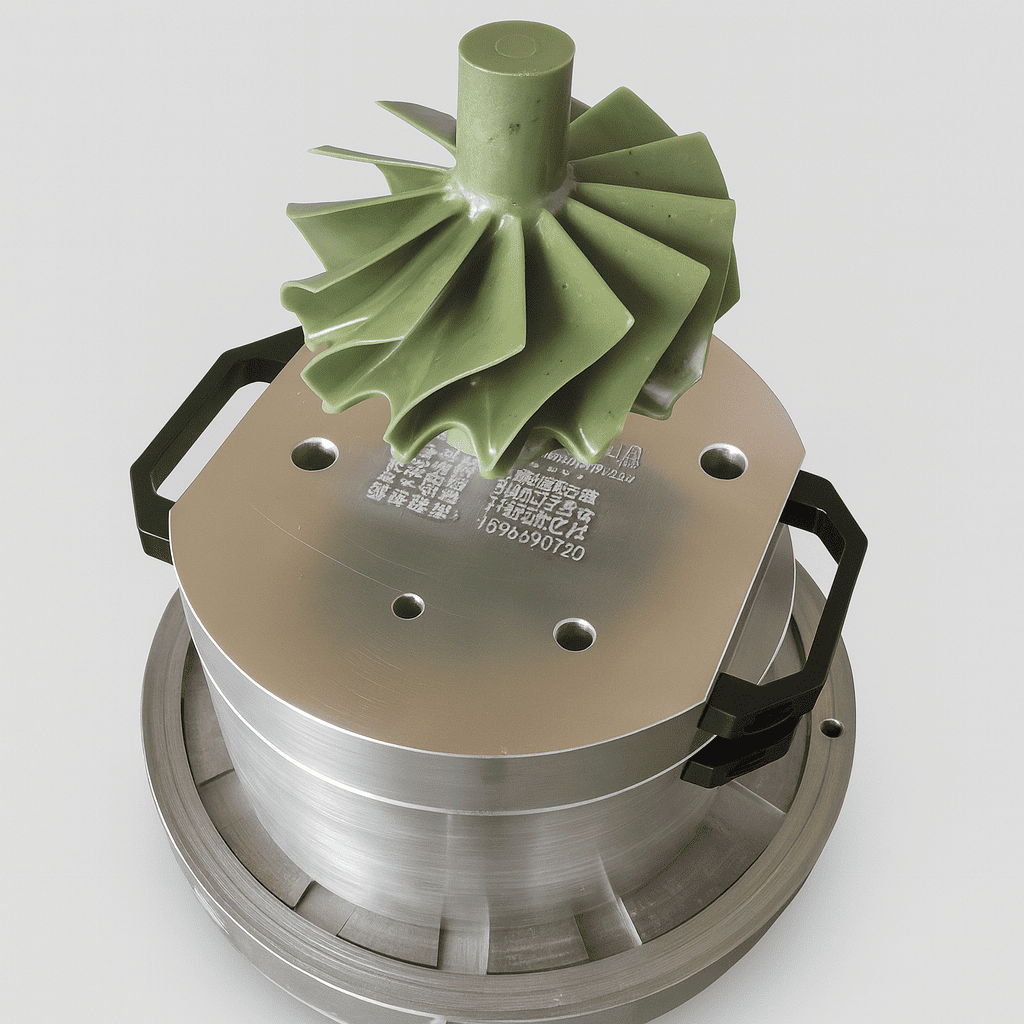
Traditional lost wax casting moulds are made from waxes specifically designed to capture fine details needed in precision casting. These casting waxes typically have a melting point between 130°F and 160°F, making them easy to work with during wax injection and mould assembly.
Common characteristics of traditional wax include a smooth surface finish and good detail fidelity, allowing artists and manufacturers to reproduce intricate textures with ease. They are widely available and cost-effective, which makes them a popular choice in industries like jewellery, dental prosthetics, and small-scale manufacturing.
However, traditional waxes come with some limitations. They tend to be brittle, which can cause breakage during handling or assembly. Shrinkage is another common drawback that affects mould accuracy if not accounted for properly. Their lower thermal stability sometimes leads to distortion during the wax injection or dewaxing stages, adding complexity to the process.
Despite these limits, traditional lost wax casting moulds remain effective for many applications where fine detail and texture are priorities, but their handling requires care to avoid defects in the final cast product.
Medium-temperature wax in casting moulds
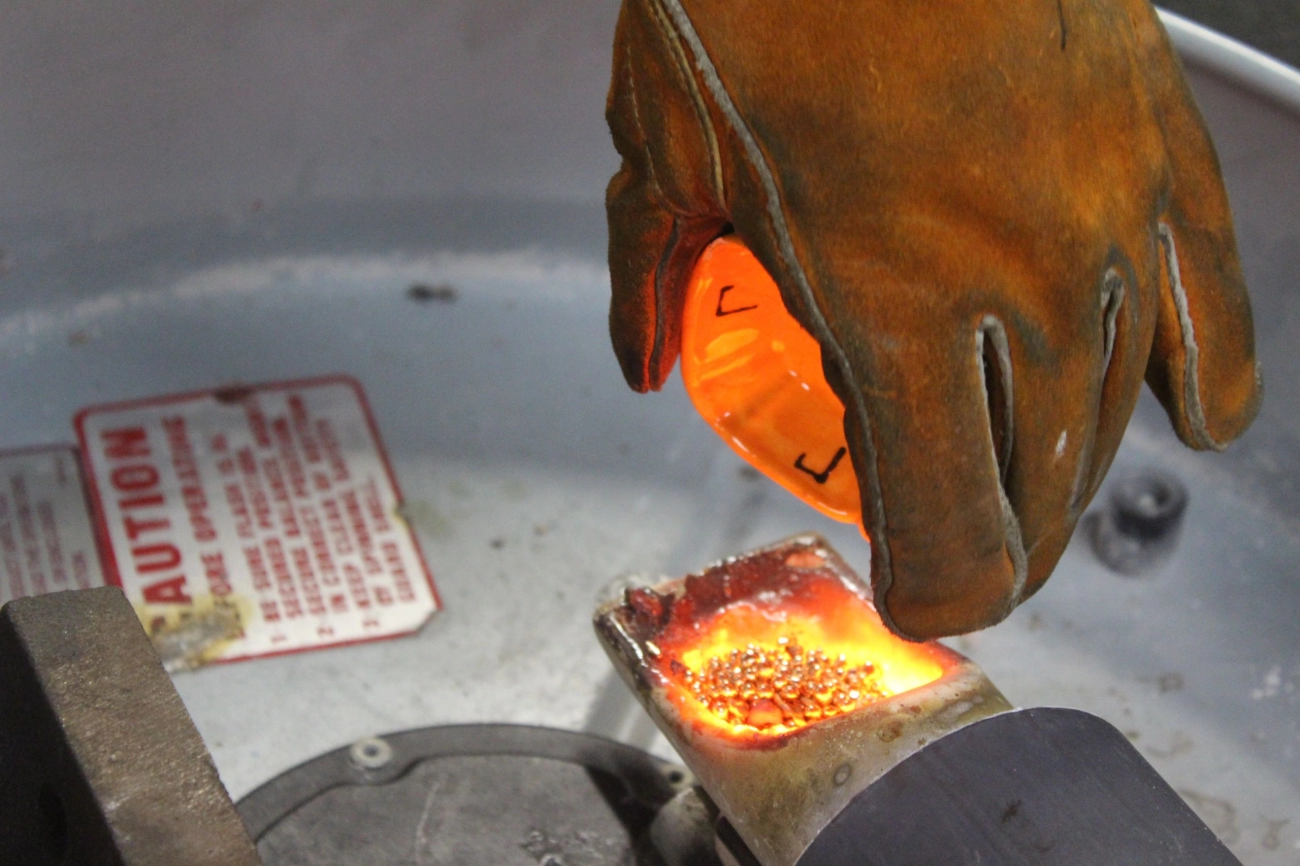
Medium-temperature wax is designed to melt and be handled at temperatures higher than traditional casting waxes, usually between 130°F and 150°F (54°C to 66°C). This higher melting point means the wax is more stable during mould assembly and less prone to warping or distortion compared to standard waxes.
Advantages of medium-temperature wax include improved durability, which helps maintain mould accuracy during the sometimes complex assembly process. It also reduces shrinkage and cracking, resulting in higher-quality finished moulds. This makes it especially useful for intricate designs or larger-scale production runs where mould stability is critical.
However, medium-temperature wax can come with some downsides. It often costs more upfront and might not be as widely available as traditional wax types. Handling these waxes may require slight adjustments in equipment or heating practices.
Industries that benefit from medium-temperature wax include precision casting for valve bodies, pump housings, and instrumentation parts where dimensional accuracy and stability are vital. Jewellery casting operations with complex mould assemblies also adopt medium-temperature waxes to reduce distractions from distortion during the injection process.
Detailed comparison: Medium-temperature wax versus traditional wax
Here’s a quick side-by-side look at how medium-temperature wax compares to traditional lost wax casting wax across key factors.
| Factor | Medium-Temperature Wax | Traditional Wax |
|---|---|---|
| Melting Point | Higher melting point (~140-160°F) for better heat resistance | Lower melting point (~120-140°F), more prone to softening early |
| Mould Stability | More stable during handling and assembly, less distortion | Can distort or deform easily, especially in warm environments |
| Detail Fidelity | Excellent, though sometimes slightly less crisp for ultra-fine features | Superior detail capture, ideal for intricate textures |
| Handling & Assembly | Easier to work with for complex moulds; less brittle, more flexible | More brittle and prone to cracking during carving or assembly |
| Cost | Generally higher due to specialised formulation | Less expensive and widely available |
| Shrinkage & Distortion | Lower shrinkage, better dimensional accuracy | More shrinkage and potential warping after cooling |
| Surface Finish on Cast | Smooth finish with fewer impurities in the mould | Great surface detail but sometimes requires more cleanup |
| Environmental Impact | Often formulated with fewer volatile compounds; sometimes more eco-friendly | Traditional waxes can emit stronger odours and vapours during burnout |
Medium-temperature wax is a good choice when mould stability and flexibility during assembly are priorities. Traditional wax, meanwhile, still excels at capturing very fine details and textures. Your choice depends a lot on the type of casting, complexity, and working conditions.
When to Choose Medium-Temperature Wax Over Traditional Wax
Choosing medium-temperature wax over traditional wax makes sense in specific situations where its unique properties offer clear benefits.
Thermal Stability and Reduced Distortion
- Medium-temperature wax performs better under heat, meaning less warping during wax injection and assembly.
- This thermal stability reduces shrinkage and distortion, which is critical for parts requiring tight tolerances.
Complex Mold Assemblies
- If your mould design involves multiple wax parts or delicate features, medium-temperature wax offers better flexibility and durability.
- It is easier to work with during assembly, reducing the risk of breaks or damage.
Production Scale Considerations
- For higher volume runs, medium-temperature wax’s consistency saves time and reduces rejects.
- Its longer working time before melting allows for smoother workflows in batch casting.
Environmental and Safety Preferences
- Medium-temperature wax often produces fewer hazardous fumes when melted.
- Some formulations include additives for cleaner burning, aligning with stricter workplace safety and environmental regulations.
| Factor | Medium-Temperature Wax | Traditional Wax |
|---|---|---|
| Thermal Stability | Higher, less distortion | Lower, more prone to warping |
| Flexibility for Complex Moulds | Good, resists cracking | Brittle, can break under stress |
| Suitable for Large Volume Runs | Better, consistent behaviour | Less predictable, more rejects |
| Fumes and Environmental Impact | Cleaner burning, less odour | Stronger fumes, more hazardous |
If your project values durability, precision, and safer handling—especially in a professional manufacturing or jewellery casting setting—medium-temperature wax could be the smarter choice.
Tips for Working with Medium-Temperature Wax
Working with medium-temperature wax requires some specific care to achieve the best results. Here are key tips to help you handle it smoothly:
Handling and Melting Techniques
- Use a dedicated wax melter or double boiler to keep the wax at a steady temperature.
- Melt the wax slowly to avoid overheating, which can cause bubbles or breakdown of the wax.
- Stir gently during melting to maintain uniform temperature and consistency.
Temperature Control Recommendations
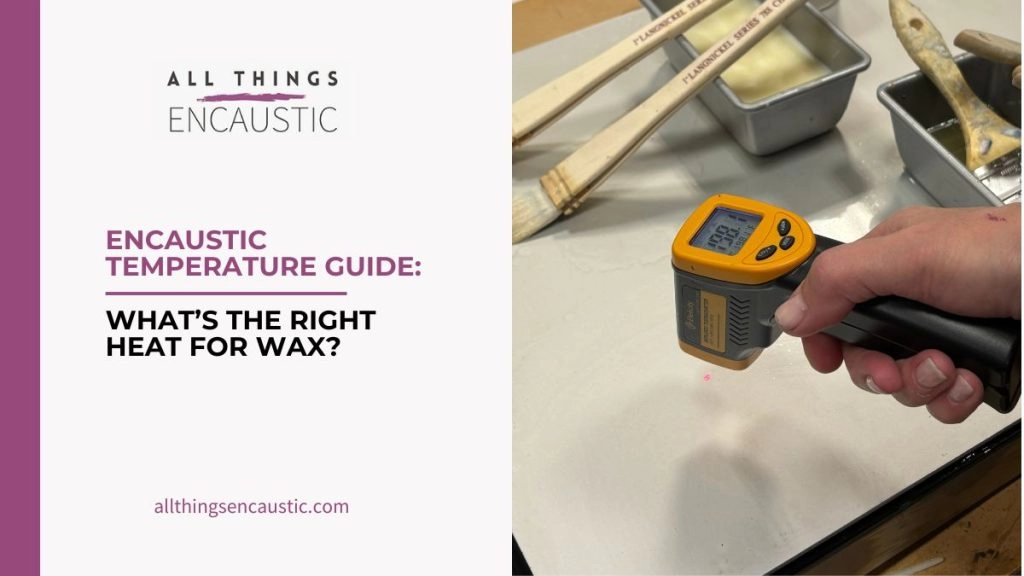
- Keep the wax between 140°F and 160°F (60°C to 71°C) for optimal pouring and moulding.
- Avoid temperatures above the melting point to reduce shrinkage and distortion.
- Use a digital thermometer to monitor wax temperature precisely.
Compatibility with Existing Equipment and Investment Materials
- Medium-temperature wax works well with typical wax injection machines used in jewellery and precision casting.
- Confirm that your investment materials and burnout processes suit the slightly higher melting point, adjusting burnout schedules if necessary.
- It’s usually compatible with common sprue waxes and gating systems but double-check for specific applications.
Troubleshooting Common Issues
- If the wax cracks after cooling, lower the melting temperature next time and avoid rushing the cooling phase.
- Bubbles in the wax mould may mean the wax was overheated or poured too quickly—slow pouring helps.
- If wax sticks or tears during mould assembly, try slightly warming the wax to improve flexibility.
By following these straightforward tips, you can maximise the benefits of medium-temperature wax and ensure better mould stability and casting quality every time.
vast’s Expertise and Recommendations
At vast, we’re focused on pushing the boundaries of casting materials to help professionals achieve the best results. We understand how important it is to choose the right lost wax casting wax type, especially when switching from traditional wax to medium-temperature wax. That’s why we recommend waxes designed for stability and precision in demanding environments such as fluid control components and nuclear-grade parts.
For those looking to enhance mould durability and reduce shrinkage, we suggest exploring medium-temperature wax options with melting points tailored to your process needs. vast partners with trusted suppliers who offer consistent quality wax, whether you need flexible wax for complex mould shapes or wax that handles thermal stress better.
We support every recommendation with practical assistance. Whether you’re adapting your wax injection or tuning your investment materials, vast helps you make a smooth transition. Our team provides practical tips and equipment compatibility advice so you can confidently upgrade your casting moulds without downtime.
Simply put, vast is here to guide your move towards smarter wax choices — improving your casting accuracy, efficiency, and overall quality.
 English
  Chinese
  Spanish (Peru)
  German
  Korean
  Spanish (Spain)
  Italian