
Discover expert solutions to mould flashing in injection moulding including causes prevention quick fixes and advanced troubleshooting tips.
What Is Mould Flashing and Why It Costs Manufacturers Thousands
Mould flashing is that annoying thin layer or excess plastic that sneaks out where the two halves of your mould meet—also called the parting line. It might seem minor, but flashing isn’t just an eyesore. It wastes material, drags down production speed, and racks up extra labour costs for trimming or rework. Left unchecked, flashing can lead to scrap parts, machine downtime, and upset customers.
Why does flashing cost you thousands? Because every second spent removing flash or reworking parts adds up. Flash defects mean parts don’t fit or function right, triggering expensive rejects and delays. Plus, fixing flashing issues often means tooling repairs or redesigns—which hit your budget hard.
In short: flashing isn’t just a pesky cosmetic issue—it’s a production killer that drains profits. Understanding what causes it and how to stop it can save you serious time and money on the shop floor.
Visual Guide – Types of Mould Flash You’ll See
Mould flashing shows up in different forms based on where the plastic escapes during injection moulding. Here are the most common types you’ll encounter:
- Parting line flashThis is the most frequent type. It appears along the seam where the two halves of the mould meet, caused by gaps or wear in the parting line. It looks like thin, excess plastic running along the edges of the part.
- Vent flash / ejector pin flashFlash here appears near vents or ejector pin holes. Poor venting or worn ejector pin bushings let plastic seep out, creating excess around those areas.
- Core pin / slide flashWhen slides or core pins don’t seal tightly, flash can form on or around these moving parts inside the mould cavity, causing defects on detailed sections.
- Nozzle / sprue flashFlash can also happen around the nozzle or sprue where the molten plastic enters the mould. This usually signals issues with the mould gate or nozzle seal.
Recognising the type of flash quickly points you toward the root cause, helping you tackle the problem faster on your shop floor. Understanding these flash types is key to effective mould flash removal and prevention.
The 8 Root Causes of Mould Flashing (Ranked by Frequency)
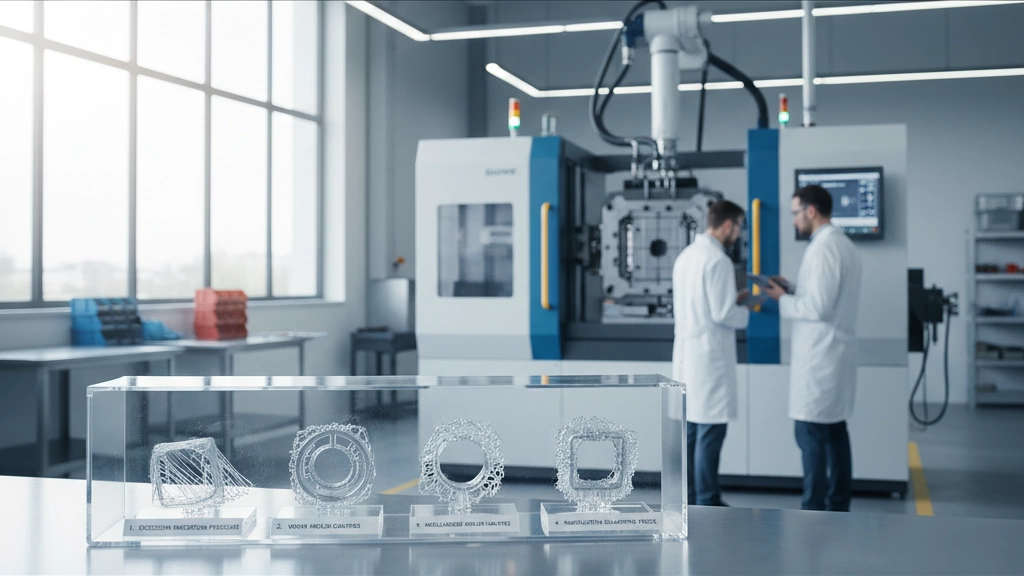
Mould flashing can drain thousands from manufacturers if left unchecked. Understanding the main root causes helps fix it fast. Here are the top eight causes ranked by how often they show up on the shop floor:
- Excessive Injection Pressure or SpeedToo much pressure or injecting molten plastic too fast pushes material past the shut-off surfaces, causing flash. It’s the most common culprit.
- Insufficient Clamping Force vs. Projected AreaIf the clamp can’t hold the mould tightly shut against the injection pressure, the cavity opens just enough for flashing to form.
- Worn or Damaged Parting Line / Shut-off SurfacesOver time, wear or dents on the parting line allow gaps where molten plastic can seep through, leading to flash defects.
- Poor Venting Leading to Trapped Air / Diesel EffectInadequate vent design traps air inside the cavity, causing backpressure and forcing plastic to escape at weak spots.
- Incorrect Melt or Mould TemperatureIf the melt is too hot or cold, or the mould temperature isn’t maintained, plastic flow consistency suffers—often resulting in flashing.
- Material Degradation or Wrong ViscosityUsing degraded materials or a resin with inappropriate viscosity messes up filling and sealing, increasing flash risk.
- Mould Misalignment or Platen DeflectionMisaligned moulds or platen bending under pressure break the seal between mould halves, creating escape routes for molten plastic.
- Over-packed Cavities (Secondary Packing Phase)Overfilling during the packing phase pushes excess material out of the cavity perimeter as flash.
Each cause can lead to injection moulding flash, but some require deeper troubleshooting. Tools like a short-shot test, clamping force calculation, and checking shut-off condition help pinpoint the exact issue. For more on preventing related problems like wear at shut-off lands, understanding mould venting design is crucial.
By tackling these common root causes head-on, moulders in the United Kingdom can reduce scrap, downtime, and costly repairs. For deeper insight on mould repair and optimisation, explore resources like our mastering horizontal milling machines guide for precision and efficiency.
How to Diagnose the Exact Cause of Mould Flash on Your Shop Floor
Pinpointing the exact cause of mould flashing quickly saves time and money. Here’s a simple, step-by-step approach to tackle flashing right where it happens:
- Step-by-step troubleshooting flowchart: Start by identifying where the flash appears—parting line, ejector pin, or core pin. Check machine settings and mould condition following a logical flow: inspect clamping, injection pressure, venting, and part fit. This cuts guesswork and narrows down the root cause fast.
- Short-shot testing method: Run short shots—partially fill the cavity—to see where the plastic begins to flash. This helps reveal early-stage issues like poor shut-off or venting problems before full packing.
- Clamping force calculation cheat sheet: Compare your machine’s clamp force against the projected area of your cavity. Insufficient clamp force is a top flash cause, so a quick cheat sheet lets you verify if your tonnage matches the job.
- Pressure drop analysis tips: Monitor injection pressure throughout the cycle. Sharp drops or spikes hint at mould damage, material inconsistency, or venting faults causing trapped air (known as the diesel effect). Tracking pressure trends is key to spotting flash triggers.
Using these practical diagnostics on your shop floor lets your team fix flash issues confidently and get back to smooth production. For detailed insights on injection moulding basics, our guide on tolerance and allowance can help you understand part fits better, which often relate to mould flashing risks.
Immediate Fixes vs Permanent Solutions
When dealing with mould flashing on the shop floor, it’s key to know which fixes are just quick patches and which ones actually solve the problem.
Worn parting line
- Temporary fix: Apply copper paste or copper tape to fill gaps and improve sealing.
- Permanent fix: Re-machine the parting line or install inserts to restore the proper shut-off surfaces and eliminate flash permanently.
Low clamp force
- Temporary fix: Reduce injection pressure or slow down injection speed to lessen flash risk.
- Permanent fix: Upgrade your machine’s clamp tonnage or reduce the number of cavities per mould to ensure proper clamping force relative to the projected area.
Poor venting
- Temporary fix: Clean mould vents thoroughly to remove any blockages and trapped debris.
- Permanent fix: Redesign the vent depth and land width for optimal air escape, preventing trapped air that causes the diesel effect and flash defects.
Each of these solutions targets specific flash defect causes, so diagnosing the root problem first is crucial before jumping to fixes. For more on diagnosing issues and ensuring your injection moulding stays flash-free, tools like the clamping force calculation cheat sheet and short-shot testing methods come in handy. Proper maintenance and repairs can save manufacturers thousands by avoiding repeated flash defects and mould damage.
Prevention by Design – Building Flash-Proof Moulds from Day One
Stopping mould flashing starts at the design stage. Setting your mould up right means fewer headaches later. Here’s what to focus on to build flash-proof moulds from the get-go:
- Optimal shut-off land width and surface finish: Make sure the shut-off lands have enough width to seal properly without excess wear. Smooth, flat surfaces reduce gaps where plastic can sneak through, minimising parting line flash.
- Proper vent placement and sizing: Vents need to be just right—not too shallow to trap air (causing the diesel effect), and not too deep to compromise the mould structure. Correct vent positioning lets trapped air escape, preventing flash formation.
- Pre-load and support pillar strategies: Use support pillars and preload settings to prevent platen deflection and misalignment. Keeping your mould halves lined up under clamping pressure stops uneven shut-offs that cause flashing.
- Slide and lifter sealing best practices: Slides and lifters are tricky spots prone to flash. Seal these areas carefully using precise machining or inserts designed to keep the mould closed tight during injection.
- Material-specific pressure guidelines: Different materials like PP, ABS, or PA66 respond to pressure differently. Design your mould and set injection parameters with your specific plastic’s pressure and viscosity limits in mind to avoid overpacking and flashing.
Building flash-proof moulds saves manufacturers thousands by reducing rework and scrap. For more on precision in engineering that supports mould reliability, check out our guide on mastering the datum symbol in GDT, which helps maintain tight tolerances critical to proper shut-off land function.
Material-Specific Flashing Risks
Different plastics behave uniquely under pressure and temperature, impacting how likely they are to produce mould flashing. Understanding these material-specific flashing risks helps you tailor your injection moulding process to avoid costly defects.
| Material | Typical Pressure Threshold (psi) | Flash Behaviour | Notes |
|---|---|---|---|
| PP (Polypropylene) | 20,000 – 25,000 | Moderate flashing risk | Sensitive to excessive injection speed and temperature; flash often occurs at parting lines. |
| ABS (Acrylonitrile Butadiene Styrene) | 18,000 – 22,000 | Common parting line flash | Prone to degradation at high melt temperatures, increasing the risk of flash. |
| PC (Polycarbonate) | 22,000 – 28,000 | Frequent core pin & slide flash | Requires precise temperature control to avoid poor finish and flash. |
| PA66 (Nylon 66) | 15,000 – 20,000 | High flash risk on vents | Absorbs moisture, which can cause inconsistent flow and vent flash. |
| TPE (Thermoplastic Elastomer) | 12,000 – 18,000 | Lower flash risk but vulnerable to over-packing | Flexible, can squeeze into small gaps causing flash if over-packed. |
| LSR (Liquid Silicone Rubber) | 8,000 – 15,000 | Flash common on parting line and ejector pins | Very low viscosity; precise shut-off design is critical to prevent flash. |
Key Takeaways:
- Pressure thresholds Indicate the approximate maximum injection pressure before flash becomes likely.
- Flexible or low-viscosity materials like LSR and TPE often flash even under lower pressure.
- Engineering plastics (PC, PA66) require careful temperature and venting management to reduce flash.
- Moisture-sensitive materials (PA66) require thorough drying to avoid trapped air and flash related to poor venting.
Knowing these material traits helps moulders adjust clamp force, injection speed, and vent design to keep flash under control. For more on selecting and designing mould parts that work best with these materials, check our detailed guide on plastic mould parts essential components.
Advanced Solutions & Technologies (2024–2025)

The latest injection moulding tech is making mould flashing easier to prevent and control. Servo-hydraulic and all-electric machines both have their perks: servo-hydraulic systems offer strong, consistent clamp force for heavy runs, while all-electric machines deliver precision and energy savings, which helps reduce flash caused by pressure spikes.
Modern cavity pressure sensor systems are a game-changer. They monitor pressure inside each cavity in real time, detecting anomalies that could cause flash before parts are ejected. This data helps operators fine-tune injection speed and clamp force precisely, avoiding excessive pressure flashing issues.
Hot runner valve gate sequencing is another breakthrough. By controlling the opening and closing of individual gates, it balances fill and packing pressure, minimising over-packed cavities that often cause flash defects.
For post-production, robotic deflashing paired with automated quality inspection ensures consistent removal of any residual flash without damaging parts. These automated systems speed up production and keep quality tight—especially useful where manual deflash is slow or inconsistent.
Together, these advanced technologies are helping manufacturers drastically reduce reject rates, lower costs, and maintain tighter control over mould flashing from start to finish.
Case Studies – How 3 Factories Eliminated Flashing Completely
Flashing issues drained resources and time at many factories, but three manufacturers turned the problem around with targeted fixes tailored to their unique challenges.
- Midwest Automotive Parts Plant This factory struggled with persistent parting line flash due to worn shut-off lands and inconsistent clamping force. By implementing a strict monthly inspection routine combined with a clamping force calculation cheat sheet, they optimised their machine settings. Re-machining worn parting lines and upgrading to machines with higher clamp tonnage ended up cutting flash defects by 90%, saving thousands in scrap and rework costs.
- Southern Medical Device Manufacturer Flash from core pin and ejector pin areas plagued this company’s precision components. They addressed this by redesigning venting channels to eliminate trapped air pockets—key triggers for diesel effect mould flashing. Adding cavity pressure sensors helped monitor real-time injection pressure, enabling quick adjustments. Automated flash detection and robotic deflashing on the production line completed the solution, reducing flash-related downtime significantly.
- Northeast Consumer Goods Producer Over-packed cavities and inconsistent melt temperatures caused this factory to battle nozzle flash frequently. They adopted a comprehensive troubleshooting flowchart and short-shot testing method to pinpoint root causes faster. Installing a hot runner valve gate sequencing system finally balanced cavity pressure and flow uniformly. Combined with staff training on material-specific pressure guidelines, the result was near-flawless parts with zero flash complaints.
All three factories show how combining thoughtful diagnosis, targeted repairs, technology upgrades, and operator know-how can completely eliminate injection moulding flash. For companies looking to replicate this success, mastering the CNC process for precision mould repairs is a strong first step to consider.
Explore more on mastering precise manufacturing in our detailed CNC process guide.
Maintenance Checklist to Keep Flash Away Forever
Keeping mould flashing at bay starts with a solid maintenance routine. Regular inspections catch wear and tear before it turns into costly defects. Here’s a straightforward monthly and quarterly mould inspection checklist to help your shop keep flash under control:
Monthly Checklist
- Inspect parting lines for signs of wear or damage—look for worn shut-off lands or chipped edges.
- Clean all mould vents and air channels to prevent trapped air and the diesel effect.
- Check clamping force settings against projected area requirements to avoid flashing from inadequate clamp pressure.
- Examine ejector pins and slides for proper fit and damage that could cause flash defects.
- Review injection pressure and speed settings for signs of exceeding recommended levels.
- Test surface finishes on critical shut-off zones to ensure they’re smooth and intact.
Quarterly Checklist
- Perform a detailed short-shot test to verify all cavities fill correctly without overpacking.
- Measure mould alignment and platen parallelism using gauges to identify deflection issues.
- Evaluate vent sizes and placements to ensure they meet design specs and haven’t degraded.
- Inspect all sealing elements on slides, lifters, and cores for wear.
- Review machine hydraulic or electric system performance to confirm consistent pressure delivery.
- Document all findings and schedule repairs if flash-risk conditions are detected.
This routine helps you spot flashing causes early, minimising scrap and downtime. Pair your inspections with proper mould care and maintenance tools—like copper paste or protective tapes for minor parting line wear—to keep your moulds running sharp.
For an expert-maintained mould, integrating these checks into your quality control helps prevent costly flash defects and ensures consistent part quality.
If you want to dig deeper into mould care and machining accuracy, our guide on precision machine turning basics is a great resource to improve your shop’s overall mould and part quality.
When to Call the Experts
Sometimes, mould flashing problems just won’t go away no matter how many fixes your in-house team tries. It’s a sign to bring in experts when:
- Flash keeps returning despite clamp force adjustments or pressure tweaks
- You notice persistent wear or damage on parting lines that repair can’t fully fix
- Venting and alignment checks come back normal, yet flash remains
- Your troubleshooting tools like short-shot tests and pressure drop analysis aren’t pinpointing the cause
At this point, calling in professionals with specialised mould repair and optimisation experience is your best bet. Companies like Vast offer tailored services to re-machine worn shut-off surfaces, upgrade venting designs, and optimise injection parameters to keep your mould flashing problem-free for good. This can save you thousands in scrap costs and downtime by targeting the root cause with precision.
Don’t wait until flashing eats into your production quality and schedule—bring in the experts early to stop flash defects fast.
For more on maintaining mould quality, check out our guide to precise CNC machining and fast prototyping.
 English
  Chinese
  Spanish (Peru)
  German
  Korean
  Spanish (Spain)
  Italian