
Precision vast fluted reamers with spiral flutes for superior chip removal, smooth finish, multiple sizes, materials, and coatings available.
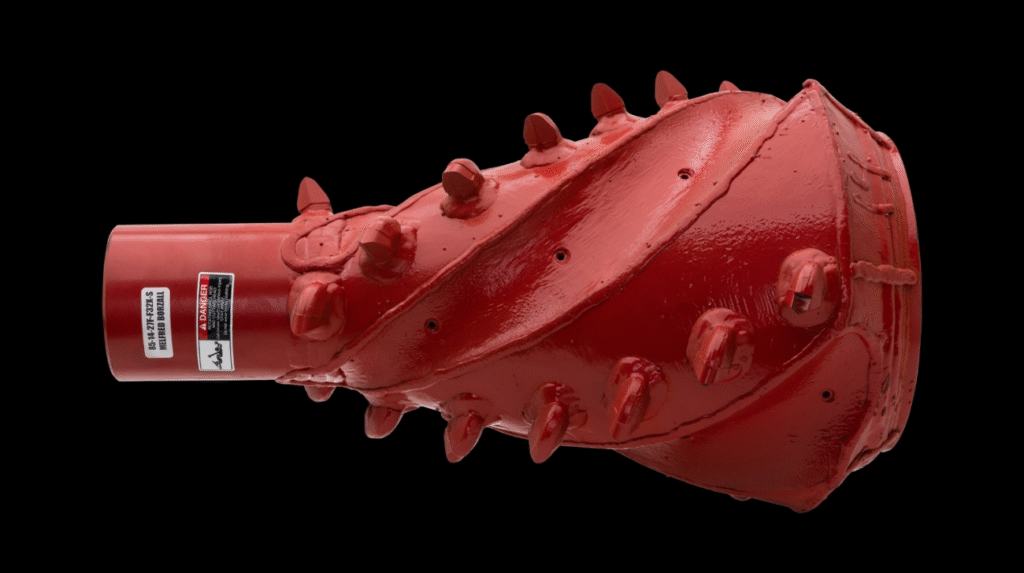
Key Benefits of Spiral-Fluted Design
Spiral-fluted reamers, also known as helical flute reamers, are a top choice for precision machining. Their curved flute design offers distinct advantages over straight flutes, especially in gunsmithing and high-precision bore work.
Why Choose Spiral-Fluted Reamers?
| Benefit | Explanation |
|---|---|
| Improved Chip Evacuation | Helical flutes pull chips away from the cutting edge, reducing clogging and tool wear. |
| Smoother Finish | The spiral action cuts more continuously, producing cleaner bores with less vibration. |
| Reduced Burr Formation | Spiral flutes promote consistent cutting pressure, lowering burrs and minimising secondary finishing. |
| Better Alignment & Stability | The helix angle provides self-centering action, helping maintain bore accuracy during reaming. |
| Versatility | Ideal for cross-hole reaming (like SAAMI chamber reamers) and when working with tough materials. |
Key Spiral-Fluted Design Features
- Left Hand and Right Hand Options: Adapt to specific machine setups and cutting directions.
- Helical Angle: Controls chip flow and affects surface finish.
- Multiple Flutes: Typically 2-4 flutes for efficiency and finish.
You get precision, speed, and cleaner cuts—critical in firearms chamber reaming, hydraulic port work, and fine metal finishing. Choosing a spiral flute reamer means fewer tool changes and less downtime for cleaning or deburring.
Material & Coating Options
Choosing the right material and coating for your fluted reamer affects durability, precision, and performance. Here’s a quick overview of popular options:
| Material | Description | Common Uses |
|---|---|---|
| HSS (High-Speed Steel) | Tough, versatile, good for general use | Standard fluted reamer applications, gunsmith reamers |
| Carbide | Extremely hard, wear-resistant | Carbide chamber reamers, precision bore reamers |
| Cobalt Steel | Higher heat resistance than HSS | Heavy-duty reaming, stainless steel work |
Coatings boost tool life by reducing friction and heat buildup:
| Coating | Benefits | Best For |
|---|---|---|
| TiN (Titanium Nitride) | Increases hardness and wear resistance | Finish reamers, general machining |
| TiAlN (Titanium Aluminium Nitride) | Superior heat protection for tough cuts | High-speed, heavy-duty reaming |
| Black Oxide | Reduces friction, resists corrosion | Hydraulic port reamers, softer metals |
For specialised needs, you might find:
- Left hand spiral reamers with tailored coatings for specific material flow
- Floating reamer holders often paired with coated reamers for flexibility
Selecting the right combo helps reduce tool wear and keeps your bore quality top-notch. Consider both your workpiece material and operating conditions to pick the perfect match. For more on precision machining tools, check out our ultimate guide to types of milling tools for precision machining.
Available Sizes & Popular Chamber Reamers
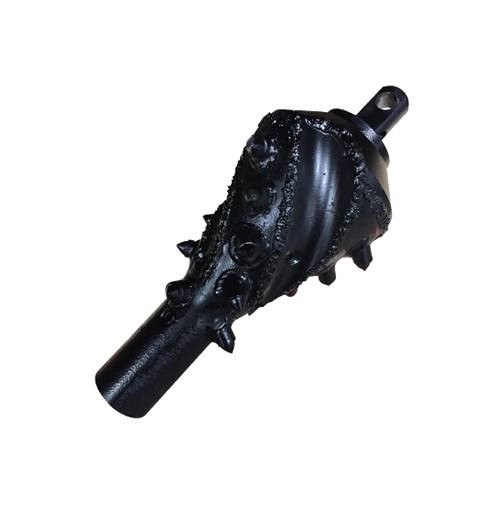
Fluted reamers come in a wide range of sizes to fit various precision boring needs. Whether you’re working on small-diameter holes or larger bores, you can find spiral flute reamers and helical flute reamers available in diameters ranging from as small as 1/16 inch up to several inches. This flexibility makes them ideal for fine-tuning hole dimensions with tight tolerances.
For gunsmithing and firearm applications, popular chamber reamers like the SAAMI chamber reamer and carbide chamber reamer are frequently used to create precise cartridge chambers. Many of these chamber reamers are offered with solid pilot reamers or pull-through reamers to ensure alignment and accuracy during cutting.
Other specialised options include the finish reamer and hydraulic port reamer, designed for smooth surface finishes and custom hydraulic system ports. Left-hand spiral reamers are also available for applications requiring reverse cutting action.
No matter your project, matching the right fluted reamer size and style, such as a floating reamer holder or reamer with pilot, helps ensure a clean, precise bore every time. For more on achieving perfect fits, check out our guide to transition fit for precise mechanical assembly and design.
Technical Specifications of Fluted Reamers
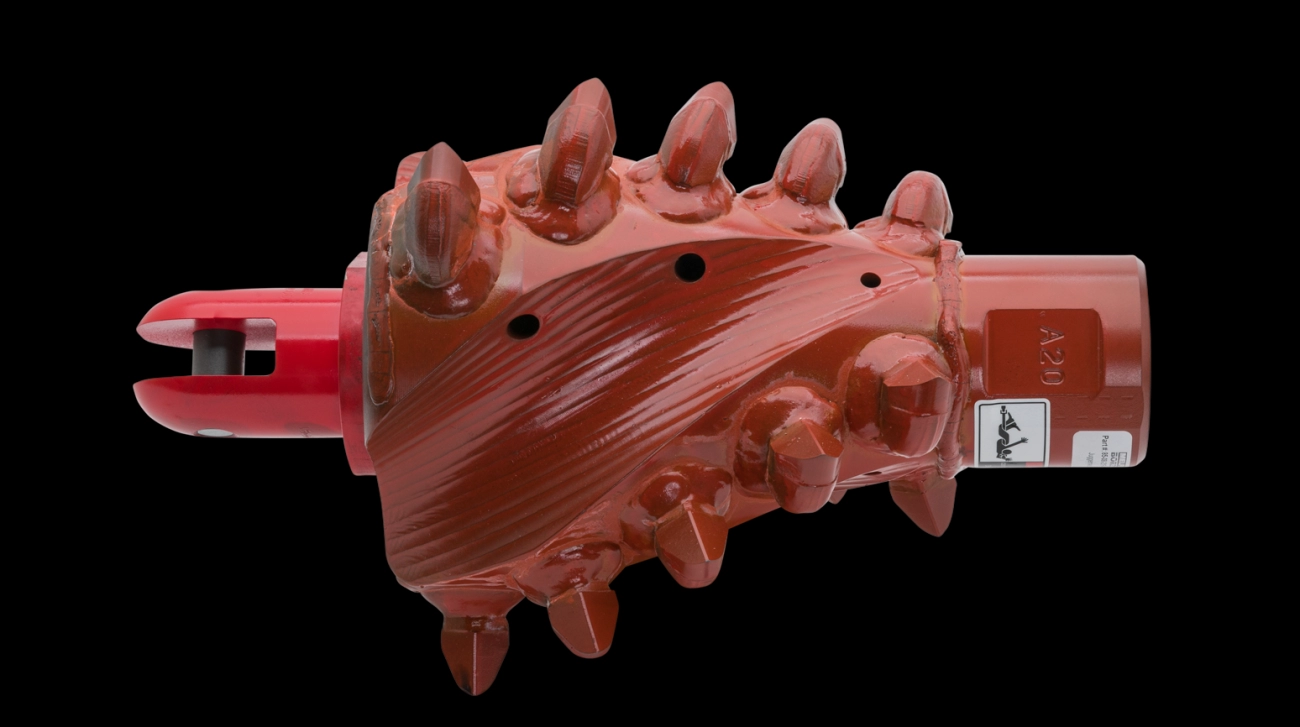
| Specification | Details | Notes |
|---|---|---|
| Type | Spiral Flute Reamer, Helical Flute Reamer | Includes left-hand spiral options |
| Material | HSS (High-Speed Steel), Carbide | Carbide chamber reamers available for tough materials |
| Coating | TiN (Titanium Nitride), TiAlN, Uncoated | Coatings enhance durability and reduce wear |
| Size Range | 1/8″ to 2″ (3mm to 50mm) | Sizes vary by specific application |
| Flute Count | 2 to 6 flutes | More flutes offer smoother finishes |
| Pilot Options | Solid Pilot, Floating Pilot, Reamer with Pilot | Ensures precise guidance during reaming |
| Usage | Finish reaming, precision bore reaming | Suitable for hydraulic port reamer tasks and chamber work |
| Shank Type | Straight, Tapered | Choose based on machine compatibility |
| Tolerance | ±0.0002″ (±0.005mm) | High precision for tight fits |
| Helix Angle | 15° to 40° | Different angles optimise chip removal |
This table sums up the core specifications of our fluted reamers, from gunsmith reamers to SAAMI chamber reamers, so you can select exactly what suits your project. For tips on precision machining and detailed hole work, check out our guide on mastering blind holes.
Applications & Industries
Fluted reamers, especially spiral flute reamers, are essential tools across many industries. Their precision and smooth finish make them perfect for tasks where accuracy is critical.
Common applications include:
- Gunsmithing: Spiral and chamber reamers help create precise barrel chambers meeting strict SAAMI standards.
- Hydraulics: Hydraulic port reamers clean and size fluid pathways perfectly.
- Aerospace & Automotive: Precision bore reamers ensure tight tolerances in engine and component manufacturing.
- Manufacturing: Used for finish reaming holes in metal parts, improving fit and function.
- Tool & Die: Helical flute reamers provide smooth, burr-free finishes on dies and moulds.
These tools also suit general machining, maintenance, and repair shops, where a pull-through or floating reamer holder setup allows for flexibility and precision. Depending on the project, options like solid pilot reamers or reamers with pilots improve alignment and reduce runout.
For metal types like aluminium 6061-T6, optimising reaming parameters is key—check out our guide on Aluminium 6061-T6 vs T651 strength and stability to match tooling with material properties.
Speeds, Feeds & Best Practices
Getting the most from your fluted reamer means using the right speeds and feeds along with good technique. For spiral flute reamers and helical flute reamers, slower speeds and steady feed rates help ensure a clean finish and longer tool life. Here are some tips to keep in mind:
- Speeds: Typically, use moderate RPMs depending on the material you’re cutting. Harder metals need slower speeds to prevent overheating.
- Feeds: Apply consistent, light pressure. Avoid forcing the reamer, which can cause chatter or damage.
- Lubrication: Use cutting fluid or oil to reduce friction and improve surface finish.
- Alignment: Keep the reamer straight to avoid uneven cuts—especially important when using precision bore or chamber reamers.
- Tool maintenance: Regularly inspect and sharpen fluted reamers to maintain performance.
When working on projects like hydraulic port reamers or SAAMI chamber reamers, following these best practices maximises accuracy and tool life.
For more tips on machining and tool care, check out our guide on how to drill out a broken tap step by step with carbide bits. This resource offers valuable info on managing tricky metalworking situations and protecting your tools during use.
How to Choose the Right Fluted Reamer
Picking the right fluted reamer depends on your specific job and material. Here’s a quick guide to get you started:
| Factor | What to Consider |
|---|---|
| Flute Type | Spiral flute reamers for smooth finishes; straight flutes for softer materials or less aggressive cuts. |
| Material | HSS fluted reamers for general use; carbide chamber reamers for harder metals and longer life. |
| Size & Tolerance | Match the reamer size to the bore diameter and check tolerance specs to get accurate fits. |
| Left- vs Right-Hand | Left hand spiral reamers for specific machine setups or reverse rotation applications. |
| Pilot Options | Use solid pilot reamers for precision or floating reamer holders for flexibility in alignment. |
| Coating | Consider coatings like black oxide for wear resistance and corrosion protection to extend bit life (blackening coating guide). |
Tips:
- Match the reamer to the material hardness and finish quality you need.
- Choose chamber reamers or gunsmith reamers for specialised applications.
- Always check your machine’s speed and feed compatibility with the reamer selected.
Following these points ensures you get the best fluted reamer for clean, precise holes every time.
Frequently Asked Questions
What is a fluted reamer used for?
Fluted reamers, including spiral flute and helical flute reamers, are designed to enlarge and finish holes with precision. They deliver smooth, accurate bores in metal, plastic, and wood, commonly used in machining, gunsmithing, and hydraulic port applications.
What’s the difference between spiral flute and straight flute reamers?
Spiral flute reamers (also called helical flute reamers) push chips forward or backward for smoother finishes and less chatter. Straight flute reamers mainly cut on the sides, ideal for softer materials but not as efficient with chip evacuation.
Can I use a fluted reamer with a floating reamer holder?
Yes, floating reamer holders help maintain alignment and reduce stress during machining, especially when working with precision bore reamers or pull-through reamers.
What materials are spiral flute reamers made from?
Most fluted reamers come in high-speed steel (HSS) or carbide options. Carbide chamber reamers offer longer life and better hardness, while HSS fluted reamers provide versatility and cost-effectiveness.
What sizes are typical for chamber reamers and gunsmith reamers?
Sizes range widely, but popular chamber reamers follow SAAMI or hydraulic port reamer specifications. You can find fluted reamers with solid or floating pilots depending on your setup.
How to maintain a fluted reamer?
- Keep the reamer clean and free of chips
- Use the right speed and feed based on the material
- Apply proper lubrication or coolant
- Avoid excessive force to prevent chipping or wear
If you want to dive deeper into tool setup and machining parameters, our comprehensive guide to helix angle for machining and gear design offers useful insights into optimizing reamer performance.
Customer Testimonials
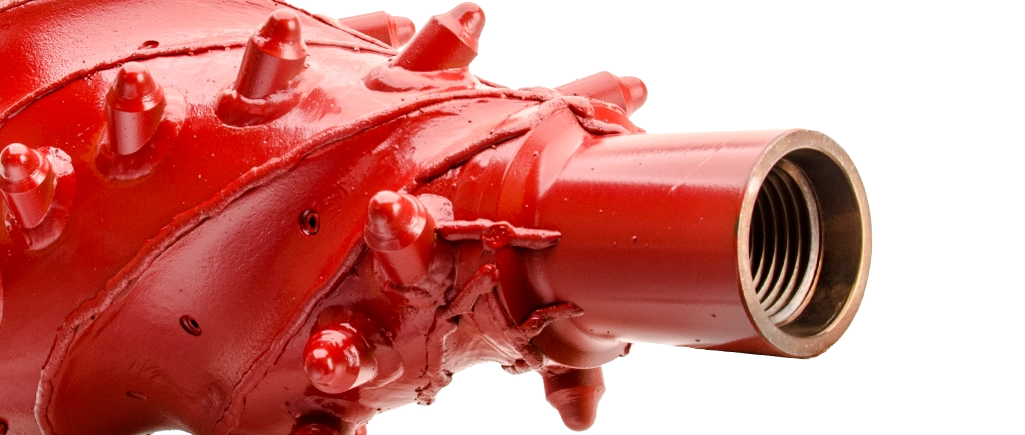
Our customers consistently praise the high quality and precision of our fluted reamers. Many gunsmiths mention how the spiral flute reamers deliver smooth finishes and maintain tight tolerances, making their chamber reaming tasks much easier. One customer noted, “The helical flute reamer I purchased improved my workflow significantly, especially when working with HSS and carbide chamber reamers.”
Other users appreciate the variety of sizes and options, including the left hand spiral reamer and reamers with solid pilots, which fit perfectly with their tooling setups. The floating reamer holder they paired with our reamer helped reduce chatter and extend tool life.
For hydraulic applications, customers find our hydraulic port reamers to be reliable and precise, ensuring clean, accurate bores every time. The feedback confirms that these tools meet industry standards, including the strict specs of SAAMI chamber reamers, which is a must for quality control in firearms manufacturing.
Overall, our fluted reamers come highly recommended for anyone needing a finish reamer or precision bore reamer that performs well across different materials and industries. If you want tools that last and perform, our customers say you can’t go wrong.
Related Tools & Accessories
To get the best performance from your fluted reamer, using the right tools and accessories is key. Here are some must-haves:
- Floating reamer holders – These help maintain alignment during reaming, reducing wobble and improving finish quality.
- Solid pilot reamers & reamers with pilot – Essential for precise bore guidance, especially for gunsmith reamers and chamber reamers.
- Pull-through reamers – Ideal for applications where you need smooth, controlled reaming in hydraulic ports or precision bores.
- Cutting fluid & lubrication systems – Use compatible fluids to extend tool life, especially with HSS fluted reamers and carbide chamber reamers.
- Sharpening tools – Maintain sharpness, particularly for spiral flute reamers and helical flute reamers in high-production environments.
Having these accessories ensures your fluted reamer works smoothly and lasts longer, giving you consistent, clean finishes. For more insight into machining parts that often interact with fluted reamers, check out our detailed guide on mechanical gears explained, types, functions, and real-world uses.
 English
  Chinese
  Spanish (Peru)
  German
  Korean
  Spanish (Spain)
  Italian