
Discover durable pump castings with precise manufacturing processes and corrosion-resistant materials customised for industrial pump components.
If you rely on pump castings to keep your industrial operations running smoothly, you already know that not all castings are created equal. Choosing the right pump casting manufacturers can make or break your equipment’s performance, durability, and maintenance costs. In this guide, you’ll discover how expert casting processes and premium materials come together to produce components built for the toughest conditions—from slurry pumps to high-pressure impellers. Ready to cut downtime and boost efficiency? Let’s dive into everything you need to know about manufacturing top-tier pump castings that stand the test of time.
What Are Pump Castings Core Definition and Role
Pump castings are the essential metal components that form the body and internal parts of a pump. They provide the structural integrity and durability needed to handle fluid transfer under various operating conditions. These castings shape key elements like pump housings, impellers, volutes, and wear rings, ensuring the pump performs reliably and efficiently.
In simple terms, pump castings serve as the backbone of any industrial pump, giving it strength, corrosion resistance, and precise geometry tailored for specific fluid applications. Without high-quality castings, pumps risk premature failure, higher maintenance, and costly downtime.
Key Components of Pump Castings
| Component | Description | Function |
|---|---|---|
| Pump Housing | Outer casing of the pump | Protects internal parts, contains fluid pressure |
| Impeller | Rotating blade assembly | Moves fluid through the pump |
| Volute | Spiral-shaped casing around impeller | Directs fluid flow to discharge |
| Wear Rings | Replaceable rings around impeller or casing | Minimise wear and maintain clearance |
| Shaft Sleeve | Protective tube around pump shaft | Prevents corrosion and wear on shaft |
These parts work together in various pump types, whether centrifugal, slurry, or vacuum pumps, to ensure smooth, efficient fluid handling across multiple industries.
What Are Pump Castings and Why Quality Matters

Pump castings are the backbone of reliable pump performance. The quality of these cast parts affects everything from efficiency to lifespan. Poor-quality pump castings can lead to early wear, leaks, and costly downtime—issues no facility wants. For industries relying on corrosion-resistant pump housings or abrasion-resistant pump parts, solid, high-grade castings mean fewer repairs and smoother operations.
When you choose pump castings with precise manufacturing and superior materials, you get:
- Better resistance to corrosion and wear
- Improved durability under heavy use
- Consistent performance with less maintenance
- Lower risks of cracks and porosity that cause failure
In short, quality pump castings keep your pumps running longer and stronger, saving time and money in the long run. That’s why investing in proven casting processes and materials isn’t just smart—it’s essential.
Manufacturing Processes for Superior Pump Castings
Sand Casting Ideal for Large-Scale Durability
Sand casting is one of the most common methods used for pump castings, especially when toughness and size matter. This process involves creating a mould from sand, which is both cost-effective and flexible for large or heavy parts like pump housings and volutes.
Why sand casting stands out:
- Great for big parts: It handles large pump components that need strength to withstand harsh industrial environments.
- Durability: The castings made are rugged, making them perfect for slurry pump components and corrosion-resistant pump housings.
- Custom shapes: Sand molds can be shaped to match custom pump volutes and impeller designs.
- Affordable for volume: While not as precise as investment casting, it’s more budget-friendly for medium to large production runs.
This makes sand casting ideal when you need durable pump castings that can survive wear, corrosion, and constant use—key reasons why many industries rely on sand casting foundries to keep their pumps running strong.
Manufacturing Processes for Superior Pump Castings
Investment Casting Precision for Complex Geometries
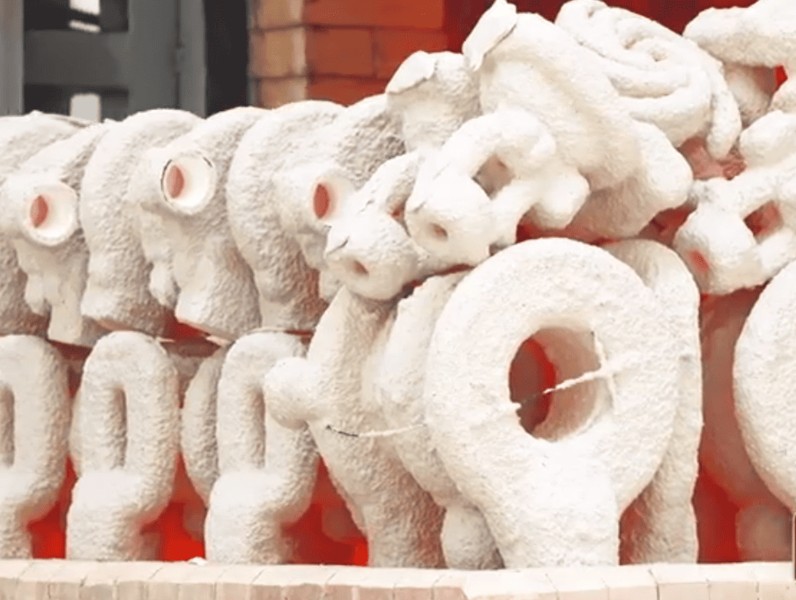
Investment casting is a top choice when it comes to making pump castings with intricate shapes and tight tolerances. This process uses a wax pattern coated with ceramic material to create a mould. Once the wax melts away, molten metal is poured into the mould, capturing every fine detail.
This method is perfect for complex parts like custom pump volutes and stainless steel impellers that require smooth surfaces and precise dimensions. It’s especially popular in the market for pumps handling corrosive or abrasive fluids, where accuracy and durability matter.
Key benefits include:
- High dimensional accuracy for detailed pump parts
- Superior surface finish reducing the need for extra machining
- Ability to work with corrosion-resistant alloys like stainless steel and special nickel-based materials
- Ideal for low to medium production volumes requiring quality and complexity
For businesses in need of reliable investment casting pumps with complex geometries, this process delivers tough, precise components ready for demanding industrial environments.
Manufacturing Processes for Superior Pump Castings
Die Casting High-Volume Efficiency
When it comes to pump castings that need to be produced fast and in large quantities, die casting is a top choice. This process uses metal moulds to create precise, consistent parts with a smooth finish—perfect for components like die cast aluminium pumps where shape and detail are critical.
Die casting shines in high-volume runs because it reduces the time it takes to make each part compared to slower methods like sand or investment casting. Plus, it offers excellent repeatability, meaning every pump housing or impeller comes out nearly identical, which is a big deal for quality control.
Some key benefits of die casting for pump castings include:
- Fast production rates ideal for meeting tight deadlines
- High precision for complex shapes and tight tolerances
- Good surface quality reducing the need for extra machining
- Material efficiency with minimal waste
This makes die casting especially useful for custom pump volutes and parts requiring abrasion-resistant pump components, common in industrial pump prototyping or applications needing durable, corrosion-resistant pump housings. While it’s less flexible than sand casting when it comes to huge parts or varying designs, die casting offers unmatched efficiency for consistent, medium-sized pump castings produced right here in the UK.
In sum, if you’re after speed, volume, and precision, die casting is the smart process for manufacturing reliable pump castings that keep operations running smoothly.
Manufacturing Processes for Superior Pump Castings Comparison Table Processes at a Glance
Here’s a quick look at the main manufacturing methods used for pump castings, highlighting their benefits and ideal uses:
| Process | Key Strengths | Best For | Typical Materials |
|---|---|---|---|
| Sand Casting | Durable, cost-effective | Large pump housings, volutes | Cast iron, high-chrome white iron |
| Investment Casting | High precision, complex shapes | Stainless steel impellers, custom parts | Stainless steel, alloys |
| Die Casting | Fast, suitable for high volume | Die cast aluminium pumps, smaller parts | Aluminium, zinc alloys |
Each process serves different needs, whether you want tough, abrasion-resistant pump parts or finely detailed, corrosion-resistant components. Knowing which method matches your project helps ensure you get long-lasting pump castings that perform well in the field.
Selecting the Right Materials for Long-Lasting Pump Castings
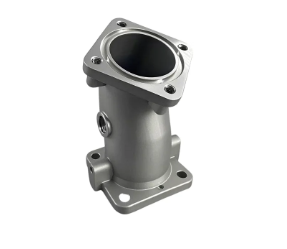
Stainless Steel and Duplex Alloys Corrosion Kings
When it comes to durability and corrosion resistance, stainless steel and duplex alloys stand out as top choices for pump castings. These materials handle harsh environments particularly well, making them perfect for industries like chemical processing, water treatment, and oil and gas.
Why choose stainless steel and duplex alloys?
- Corrosion resistance: They resist rust and chemical damage much better than regular cast iron or steel.
- Strength: Duplex alloys combine the toughness of steel with added corrosion protection, lasting longer in demanding conditions.
- Versatility: Ideal for corrosion-resistant pump housings and stainless steel impellers, which are common in industrial and municipal markets.
For customers looking for pump castings that won’t fail under harsh conditions, these materials ensure longer service life and less downtime. It’s why many prefer custom pump castings made with stainless steel or duplex alloys, especially when dealing with saltwater, acids, or high-pressure systems.
If your application involves corrosive fluids or requires a reliable, long-lasting pump part, investing in these corrosion kings is a smart move.
Selecting the Right Materials for Long-Lasting Pump Castings Cast Iron and High-Chrome White Iron Wear Warriors
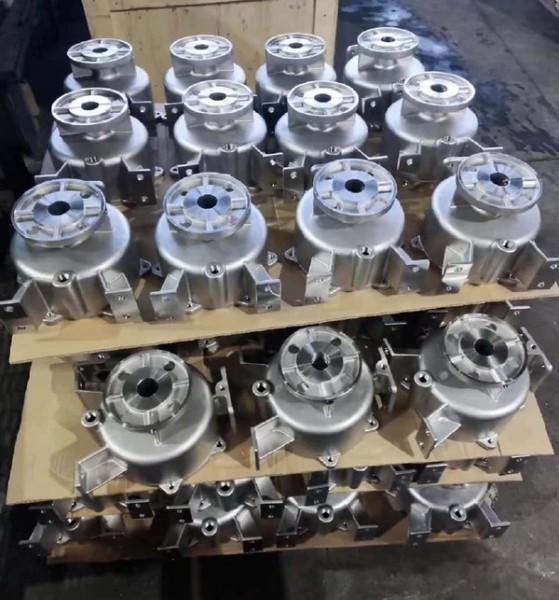
When it comes to pump castings, choosing the right material makes all the difference in durability and performance. Cast iron and high-chrome white iron are well-known for their toughness and wear resistance — they’re basically the workhorses in many industries.
Cast iron is a popular choice in pump castings because it’s affordable and handles abrasion and impact pretty well. It’s often used for pump housings, volutes, and impellers, especially in applications where cost-effectiveness is key but durability can’t be sacrificed.
High-chrome white iron, on the other hand, takes wear resistance up a notch. This material shines in abrasive environments like slurry pumps and dredging applications where particles grind down less resistant metals quickly. The high chromium content creates a super hard surface that fights off erosion, extending pump life substantially.
Both materials stand out for:
- Abrasion resistance to reduce wear from tough fluids
- Impact strength to withstand harsh operating conditions
- Cost efficiency compared to exotic alloys
If your pumps deal with gritty or abrasive fluids regularly, cast iron and high-chrome white iron pump castings offer a reliable foundation without breaking the bank. They’re tested, trusted, and widely used in industries such as mining, wastewater, and construction for these reasons.
Selecting between them depends largely on how severe the wear is and budget considerations, but leaning on these wear warriors means you’re investing in longer pump life and fewer replacements down the line.
Selecting the Right Materials for Long-Lasting Pump Castings Advanced Options Hastelloy Inconel for Extreme Conditions
When pump castings need to handle the toughest environments, materials like Hastelloy and Inconel step up. These high-performance alloys are designed to resist extreme heat, aggressive chemicals, and heavy corrosion, making them perfect for demanding industrial applications.
Why choose Hastelloy and Inconel?
- Corrosion Resistance: Both alloys stand up against strong acids and corrosive fluids better than standard metals.
- Heat Tolerance: They maintain strength and stability in very high temperatures, ideal for pumps in chemical plants or power generation.
- Durability: Their robust structure means less wear and tear over time, reducing downtime and maintenance costs.
These advanced metals are often found in aerospace, chemical processing, and marine pump castings where failure is not an option. Choosing Hastelloy or Inconel pump castings ensures your equipment lasts longer under extreme conditions, saving money and avoiding costly replacements.
If you’re looking for premium materials for custom pump castings in the United Kingdom, these alloys offer unbeatable performance for critical, high-stress jobs.
Selecting the Right Materials for Long-Lasting Pump Castings Material Selection Guide
Choosing the right material for pump castings is key to getting durable, reliable parts that hold up under tough conditions. Here’s a straightforward guide that highlights the best options for different needs:
| Material | Strengths | Common Uses |
|---|---|---|
| Stainless Steel | Corrosion-resistant, tough | Corrosion-resistant pump housings, stainless steel impellers |
| Duplex Alloys | High strength, great corrosion resistance | Harsh chemical environments |
| Cast Iron | Affordable, good wear resistance | Standard pump housings, slurry pump components |
| High-Chrome White Iron | Extremely abrasion-resistant | Abrasion-resistant pump parts, slurry and dredge pumps |
| Hastelloy | Strong against extreme corrosion | Chemical and high-temperature pumps |
| Inconel | Excellent heat and corrosion resistance | High-performance industrial pump parts |
Tips for Material Selection:
- Match the environment: Know what fluids and temperatures the pump will deal with.
- Consider wear: If the pump handles solids or slurry, abrasion resistance is crucial.
- Budget smart: Balance cost with longevity to avoid frequent replacements.
- Think custom: Custom pump castings from China or local factories often offer tailored material choices.
Picking the right material leads to longer pump life, fewer repairs, and better performance—perfect for industrial customers in the United Kingdom looking for reliable pump castings.
Types of Pump Castings and Their Industrial Applications

Centrifugal and Slurry Pump Castings
Centrifugal pump castings are among the most common types used across many industries. These castings typically include the pump casing, impellers, and volutes, designed to handle fluids with low to moderate solids. Their primary role is to convert rotational energy into fluid flow. In the United Kingdom, these castings often focus on durability and corrosion resistance to cope with chemical plants, water treatment, and HVAC systems.
Slurry pump castings, on the other hand, are built tougher to handle abrasive and heavy-slurry materials. These castings usually feature wear-resistant alloys like high-chrome white iron to combat particle abrasion. Industries such as mining, dredging, and mineral processing rely heavily on slurry pump components to ensure long-lasting performance amidst harsh conditions.
Key points about these pump castings:
- Centrifugal Pump Castings
- Commonly made with stainless steel impellers and corrosion-resistant pump housings
- Designed for clean or slightly abrasive liquids
- Used in water supply, oil refining, and chemical processing
- Slurry Pump Castings
- Typically include abrasion-resistant parts crafted from high-chrome white iron
- Engineered to handle thick, abrasive mixtures
- Essential in mining, dredging, and heavy industrial environments
Understanding these types helps in choosing the right casting based on your operation’s wear and corrosion demands. For UK-based industries, working with a local foundry that offers custom pump castings and understands these materials ensures components are built to last.
Types of Pump Castings and Their Industrial Applications Diaphragm and Vacuum Pump Components
Diaphragm and vacuum pump components require pump castings built for precision and durability. These castings often include parts like diaphragm plates, valve bodies, and housings that need to handle pressure changes without leaking or wearing out quickly.
- Diaphragm pump castings are designed to support flexible diaphragms while resisting chemical corrosion and mechanical stress.
- Vacuum pump castings must be airtight and sturdy to maintain proper suction and prevent leaks.
- Materials like stainless steel and custom corrosion-resistant alloys are common to ensure long service life.
- These castings are used across industries like chemical processing, pharmaceuticals, and HVAC systems where reliability is critical.
By selecting the right casting method—often investment casting for complex shapes or sand casting for larger parts—manufacturers deliver durable diaphragm and vacuum pump components tailored to tough UK industrial needs.
Types of Pump Castings and Their Industrial Applications Dredge and Hydraulic Variants
Dredge and hydraulic pump castings play a crucial role in heavy-duty operations where moving large volumes of water, slurry, or sediment is essential. These castings are built tough to handle abrasive materials and harsh environments, common in mining, construction, and water management industries.
Key features of dredge and hydraulic pump castings:
- Heavy abrasion resistance: Often made from high-chrome white iron or abrasion-resistant alloys to withstand constant wear.
- Robust construction: Designed to handle high pressure and impact, ensuring long service life.
- Custom pump volutes and impellers: Tailored shapes optimise flow performance and reduce downtime in demanding conditions.
- Corrosion-resistant layers: Stainless steel or duplex alloys are sometimes used when operating in corrosive water or slurry.
Typical uses include dredging sediment from riverbeds, pumping slurry in mining, and supporting hydraulic systems for flood control or irrigation.
For companies in the UK looking to maintain reliable operations, choosing the right custom pump castings from a trusted factory—especially ones familiar with sand casting foundry or investment casting pumps—is key for durability and efficiency in these heavy-duty applications.
Types of Pump Castings and Their Industrial Applications Emerging Trends Sustainable Castings

Sustainability is shaping the future of pump castings, especially in industries across the UK. Companies now focus on eco-friendly materials and processes to reduce waste and energy use. Sustainable castings often use recycled metals and cleaner manufacturing methods like optimised sand casting foundries that cut emissions.
Key sustainable trends include:
- Recycled Alloys: Using recycled stainless steel and cast iron lowers environmental impact without sacrificing performance.
- Energy-Efficient Processes: New casting techniques minimise heat and power needs, helping reduce carbon footprints.
- Lightweight Designs: Advanced casting methods produce lighter pump housings and volutes, improving energy efficiency in pump operation.
- Durable Coatings: Eco-friendly wear-resistant coatings extend pump life, cutting down on replacements and scrap.
For UK industries demanding corrosion-resistant pump housings and abrasion-resistant pump parts, sustainable castings offer a balance of quality and responsibility. They fit well in sectors like water treatment, agriculture, and oil and gas, where environmental standards keep rising.
Embracing sustainable pump castings not only supports green goals but also delivers cost savings over time, making it a smart choice for UK manufacturers aiming to stay competitive and compliant.
Challenges in Pump Casting Production and How Vast Solves Them
Common Pitfalls Porosity Tolerances and Downtime
When it comes to pump castings, common production challenges can slow things down and impact quality. Porosity, or tiny holes inside the metal, is one of the biggest issues. It weakens the casting and can cause leaks or early failure—something no customer wants. Maintaining tight tolerances is another hurdle. Even small deviations can lead to parts that don’t fit well, reducing pump efficiency or causing extra wear.
Downtime during production also hurts schedules and budgets. Delays often come from reworks, defects, or long quality checks. This is especially frustrating for UK-based businesses that rely on fast turnarounds and consistent supply.
At Vast, we recognise these pain points. We use advanced process controls and strict inspection to catch porosity early and keep tolerances tight. Our efficient workflows minimise downtime, ensuring faster delivery without cutting corners. This approach helps us provide durable, precision pump castings—whether sand castings, investment castings, or die cast components—that meet high standards and keep your operations running smoothly.
Challenges in Pump Casting Production and How Vast Solves Them
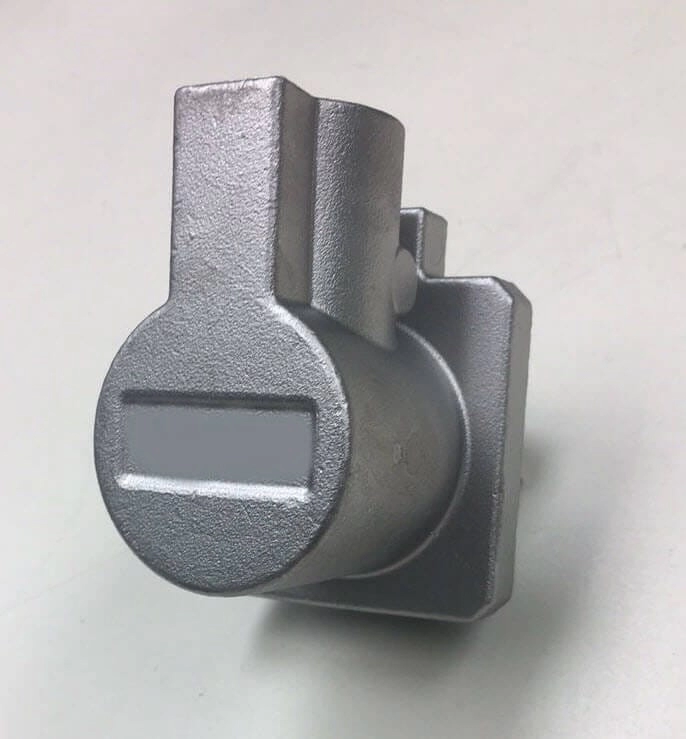
Vast’s Solutions From Design to Delivery
Pump casting production often runs into issues like porosity, tight tolerances, and delivery delays. These problems can cause downtime and affect the reliability of pumps in critical applications. At Vast, we understand — your project deadlines can’t wait, and quality can’t be compromised.
Here’s how we handle it from start to finish:
- Design Support: We work closely with you to optimise pump casting designs for manufacturability, reducing defects and improving overall performance.
- Advanced Quality Controls: Our in-house testing and inspection catch porosity and dimensional issues before parts leave the factory.
- Custom Material Selection: Vast helps choose the best alloys like stainless steel or high-chrome white iron tailored for your pump’s environment.
- Flexible Manufacturing: Whether you need sand casting for durability or investment casting for precision, we adjust our process to match your requirements.
- Fast Turnaround: With streamlined workflows and local UK-based production, we cut lead times and keep your projects on track.
- After-Sales Support: We don’t just deliver castings; we back them up with ongoing service to handle replacements or scale-ups.
By managing every step carefully, Vast removes typical pain points in pump castings and delivers reliable parts that keep your pumps running strong in the field.
Future of Pump Castings Innovation and Sustainability Trends Additive Hybrids and Smart Alloys
The future of pump castings is shaping up around innovation and sustainability. Additive manufacturing, also known as 3D printing, is making waves by allowing custom pump volutes and impellers with complex shapes and reduced material waste. This technology enables faster prototyping and production in ways traditional sand casting foundries or investment casting pumps just can’t match.
We’re also seeing hybrid approaches that mix casting with advanced machining or additive processes—giving us the best of both worlds: durability and precision. On the materials side, smart alloys like shape memory metals and corrosion-resistant blends are gaining traction. These help pump castings handle tough conditions—chemical exposure, high temperatures, and abrasion—while lasting longer.
For industrial users in the United Kingdom, this means more efficient, wear-resistant pump castings customised to specific jobs, with less environmental impact. Manufacturers investing in these trends offer better energy use and less downtime, which are big wins for operations focused on reliability and sustainability.
Future of Pump Castings Innovation and Sustainability Vast’s Vision Leading Local Innovation
At Vast, we’re committed to shaping the future of pump castings right here in the United Kingdom. Our focus is on driving innovation that meets local industry needs while boosting sustainability. We invest in advanced casting techniques and smart alloys to deliver pump castings that last longer and perform better in demanding environments.
By combining additive manufacturing with traditional casting methods, we create hybrid parts that reduce waste and speed up production. This approach not only cuts down lead times but also supports greener manufacturing, which aligns with the growing push for sustainable pump castings.
We’re proud to lead local innovation by working closely with customers to customise pump castings that fit exact specifications — whether it’s corrosion-resistant stainless steel impellers or abrasion-resistant slurry pump components. Our local factory means faster turnaround and more control over quality, crucial for industries across the United Kingdom.
In short, Vast is not just keeping up with trends; we’re setting the bar for durable, efficient, and eco-friendly pump castings made for industries in the United Kingdom.
 English
  Chinese
  Spanish (Peru)
  German
  Korean
  Spanish (Spain)
  Italian