
Discover durable riveted aluminium fasteners with superior corrosion resistance, lightweight strength, and easy installation for DIY marine and industrial projects.
The Core Advantages of Riveted Aluminium
Ever wonder why riveted aluminium is a top choice for so many projects, from boats to aerospace? It boils down to one big question: how do you achieve strength without adding excessive weight? Aluminium rivets offer a perfect balance—strong enough to hold materials tightly together but light enough to keep your overall structure lean.
Strength Without the Weight
Aluminium’s natural strength is impressive, but combined with rivets, it delivers lasting joints that don’t add unnecessary bulk. This makes it ideal for high-stress applications where every kilogram counts.
Unmatched Corrosion Resistance
Unlike steel, aluminium resists rust and corrosion, especially in harsh environments like marine settings. This means your riveted joints last longer, saving maintenance headaches and replacement costs.
Lightweight Durability for High Stress Applications
Whether it’s holding together aircraft skins or marine panels, riveted aluminium withstands vibration, pressure, and stress without failing or cracking.
Cost Effective and Eco-Friendly
Aluminium components are often cheaper over their lifecycle due to durability and lower maintenance. Plus, aluminium is highly recyclable—using riveted aluminium helps reduce project waste and supports sustainable building practices.
Electrical and Thermal Conductivity Benefits
Aluminium rivets provide excellent electrical and thermal conductivity, making them advantageous in applications requiring heat dissipation or grounding.
Ready to boost your project with riveted aluminium’s unbeatable advantages? Let’s explore the types of rivets next and find your perfect match.
Types of Riveted Aluminium Fasteners: Choosing the Right One for Your Needs
When working with riveted aluminium, selecting the right fastener can make all the difference. Here’s a quick overview to help you decide:
Solid Aluminium Rivets for Permanent High Shear Applications
These are your go-to for strong, lasting joints. Solid aluminium rivets excel where high shear strength is required, such as in aerospace or heavy-duty industrial tasks. Once installed, they’re permanent and tough, making them ideal for projects that demand reliability over time.
Blind Pop Rivets: One-Sided Access Heroes
Blind rivets, often called pop rivets, work well when you only have access to one side of the material. That’s why they’re popular in DIY aluminium boat repairs and home projects. They’re easy to install with an aluminium rivet gun and provide solid holding power without fuss.
Semi Tubular and Structural Variants Balancing Strength and Flexibility
Semi tubular rivets are a middle ground, offering easier installation while maintaining good strength. Structural rivets, meanwhile, handle heavier loads and are common in aerospace rivet alloys applications. Both provide flexibility for projects where you need a balance of toughness and workability.
Head Styles Demystified
Riveted aluminium fasteners come with different head styles—dome, countersunk, or large flange—each suited for specific surfaces or finishes. Dome heads add strength and are visible, countersunk sit flush for smooth surfaces, and large flange heads spread load over a bigger area, preventing pull-through.
By knowing these types, you can pick the perfect riveted aluminium fastener that meets your project’s demands—whether it’s marine aluminium riveting, DIY aluminium fixes, or industrial uses.
Step By Step Guide How to Install Riveted Aluminium Like a Pro
Getting riveted aluminium done right takes the right tools, preparation, and technique. Here’s how to nail it, whether you’re working on a DIY project or something more heavy-duty.
Essential Tools from Vast
- Aluminium rivet gun tools – Pick one that fits your rivet type (blind pop rivets or solid rivets).
- Drill with the correct bit size – For clean holes matching your rivets.
- Deburring tool or file – Smooth edges to prevent cracks.
- Hammer and mallet – Sometimes needed for solid rivets.
- Annealing torch (optional) – For softening hard aluminium alloys before riveting.
Preparation Drilling Holes and Annealing Hard Alloys
- Measure and mark your drilling spots carefully.
- Drill pilot holes in aluminium sheets, keeping the drill steady to avoid warping.
- Deburr holes to ensure smooth assembly.
- If working with hardened aluminium alloys, consider annealing (heating) them. This makes the material easier to rivet and reduces the chance of cracking during installation.
Installation Techniques
- With blind pop rivets (great for one-sided access), insert the rivet, pull the trigger on your rivet gun, and pop the stem to lock the joint tightly.
- For solid aluminium rivets, insert and then hammer or use a rivet squeezer on both sides to form that secure head.
- Make sure rivet size matches hole size—too small and the joint will be weak, too large and it won’t fit properly.
- Apply consistent pressure during installation to avoid damaging the aluminium.
Common Mistakes and Fixes
- Hole too big – Use a larger rivet or add a washer to spread load.
- Rivets not fully set – Reinstall or switch to a stronger rivet type.
- Cracking aluminium – Check if alloy requires annealing or reduce rivet spacing.
- Uneven rivet heads – Use the right tool and steady hand for a clean finish.
Follow these steps, and you’ll have strong, neat riveted aluminium joints that hold up in any project.
Real World Applications Where Riveted Aluminium Shines
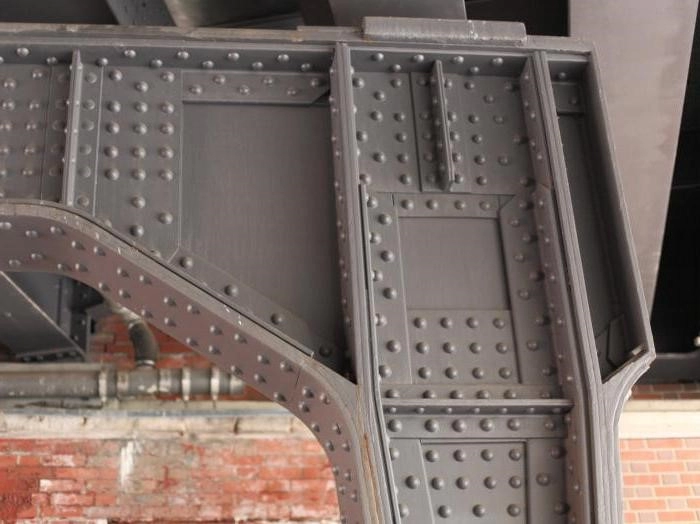
Riveted aluminium isn’t just theory—it’s proven in everyday projects and big industries alike. Here’s where it really stands out:
Boating and Marine Builds Riveted vs Welded Debate Resolved
In the boating world, aluminium rivets beat welding hands down. Rivets handle constant vibration and movement better without cracking. Plus, they resist corrosion from saltwater far more effectively, keeping your boat’s structure solid for years. This is why marine aluminium riveting is a go-to choice for hulls, decks, and frames.
DIY Home Projects From Ladder Repairs to Custom Furniture
For weekend warriors, riveted aluminium offers a quick, strong fix without needing welders. Whether it’s a broken ladder or building custom aluminium furniture, solid aluminium rivets and pop rivets installation kits make the job simpler. You don’t need access to both sides, and repairs come together fast.
Industrial and Aerospace Uses Meeting Rigorous Standards
In aerospace and industrial settings, strength and weight are critical. Riveted aluminium joints meet strict specifications, especially with aerospace rivet alloys designed for high stress and heat resistance. They offer reliable durability while keeping aircraft and machines lightweight.
Emerging Trends Self Piercing Rivets for Aluminium Panels
Self piercing rivets are gaining traction, especially in automotive and construction sectors. These rivets punch through aluminium panels without pre-drilling, saving time and boosting joint strength. For modern projects requiring speed and quality, this technology is changing the way aluminium panels get joined.
Riveted aluminium has proven time and again it can handle tough conditions and diverse uses while staying lightweight and reliable. Whether you’re fixing up a boat, tackling a DIY project, or working in aerospace, riveted aluminium fasteners deliver.
Maintenance and Troubleshooting Riveted Aluminium Joints
Keeping your riveted aluminium joints secure over time means regular inspections and smart repairs. Here’s how to make sure your rivets hold strong and when to consider an upgrade.
Inspecting for Wear and Fatigue
- Look for loosening or movement around the rivet heads, especially in high-stress areas.
- Check for cracks or corrosion near the joints, even though aluminium is corrosion resistant fasteners, exposure to harsh conditions can still cause wear.
- Watch for fatigue signs like small fractures in the material or deformation of the rivet itself, which can compromise joint strength.
Repair Strategies Without Full Teardowns
- Patching damaged sections can extend the life of your project without removing entire panels.
- Re-riveting loose or worn rivets is often straightforward with the right aluminium rivet gun tools, especially for blind pop rivets and solid aluminium rivet specifications.
- Use semi-tubular or structural rivets as replacements if the original rivet type shows consistent weaknesses.
When to Upgrade From Rivets to Hybrid Systems
- If you notice recurring fatigue or if your project faces new higher stress demands, consider combining rivets with adhesives or welding for added strength.
- Emerging options like self-piercing rivets aluminium offer improved bonding for certain panels.
- Hybrid systems are also practical for marine aluminium riveting where extreme durability is needed without adding much weight.
Sticking to these maintenance tips helps you keep riveted aluminium joints durable and reliable over the long term, whether for DIY boat repair, aerospace uses, or general construction.
 English
  Chinese
  Spanish (Peru)
  German
  Korean
  Spanish (Spain)
  Italian