
Stainless Steel Casting Top 5 Preparative Methods
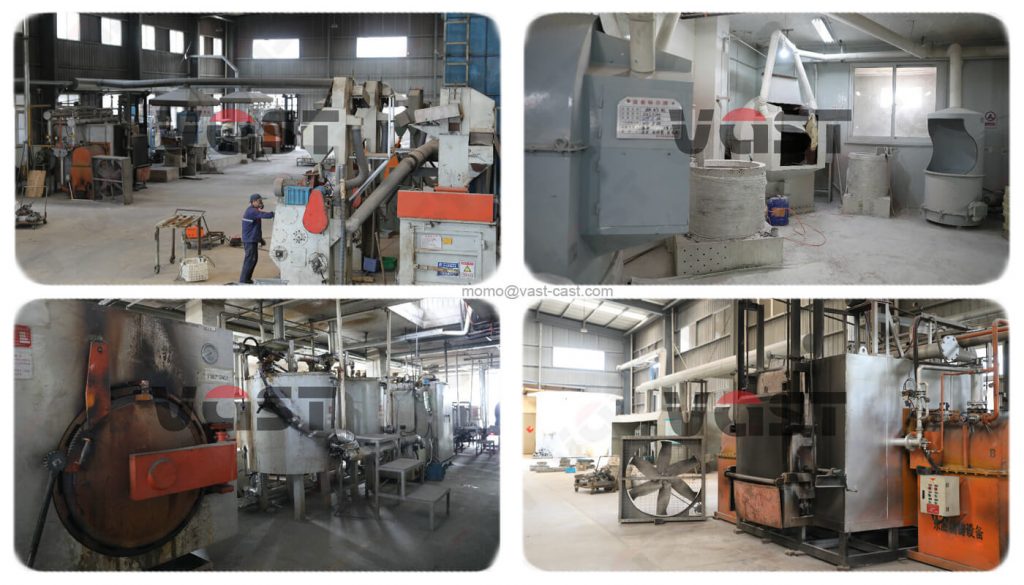
One of the best options to use in investment casting methods is stainless steel casting. Stainless steel casting involves the production of the OEM stainless steel parts in the desired shape and is also termed stainless steel lost wax casting or precision casting.
Millions of industries use the process of stainless steel casting and the production value has touched more than 1200 tons per year.
So, in this article, we’ll discuss the step-by-step detailed production methods of stainless steel casting.
Methods of stainless steel casting
Stainless steel casting is the process of manufacturing complicated shapes and dimensions of steel components by heating and melting the required parts.
This technical process is used in different production industries to produce lost wax steel parts and other stainless steel components.
Without any further delay, let’s move on to the basic mechanism!
1- Preparation of Mould
The shape and dimensions of your final component solely depend on the type of mould you produce in stainless steel.
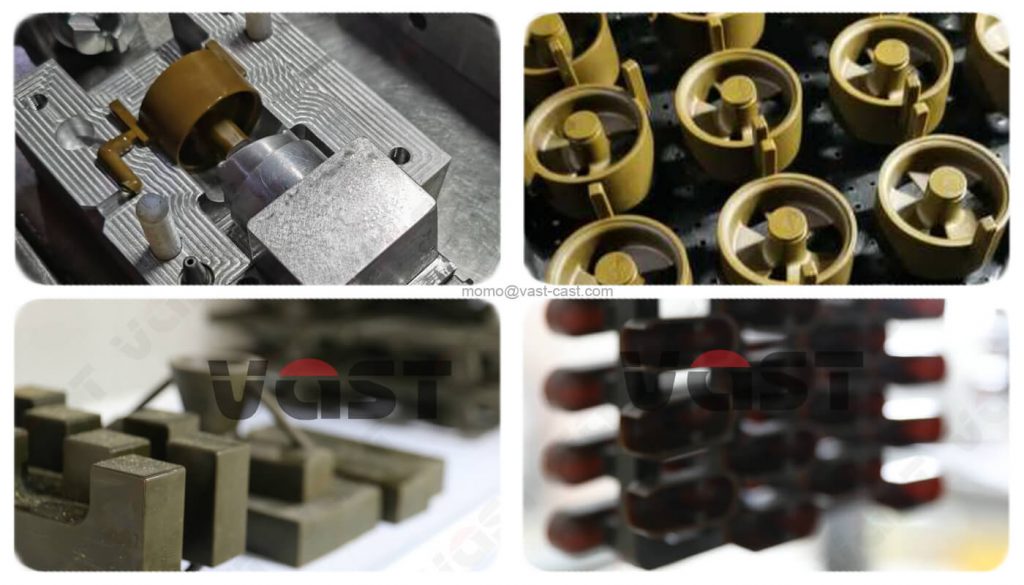
This process of steel casting involves mould cavities that are made from wax or foam. Furthermore, to form a specific pattern on the mould cavity, the refractory material is used which forms the required pattern.
After a specific pattern is formed, the wax is melted, the molten material is poured into the mould cavity which is then cooled and solidified.
Finally, your OEM casting wax pattern is all set to be used further.
Simple, right?
Before we move on to our next segment, let me list some unique properties of mould material (aluminium alloy) that you get in the casting process:
● Low melting point
● Soft in nature (Low Hardness)
●Budget-friendly
●Light-weight
Thus, with these features in hand, you are ready for mould preparation and stainless steel casting investment.
2- Modelling of Wax
By now, you have prepared the aluminium alloy mould successfully. It is time to prepare a wax model for producing stainless steel casting parts.
You can prepare wax models depending on the need of your steel casting parts. For instance, if you need to prepare one casting part, one wax model will be enough for that.
The following steps are involved in wax modelling:
i- Checking the product:– After finalising the wax model, perform a manual test of the product. See if there is any error or malfunction in the final product because after production you won’t be able to fix that fault.
ii- Tree Assembly:– Now, it’s time to fix the wax model with the help of glue or spray. Attach a ceramic cup at the end of the wax bar and this will create a tree-like arrangement of the bar, also termed as tree assembly.
iii- Dry the Model: Once the tree assembly is fixed, complete the drying process by allowing the wax model to air-dry. Drying the model for 5-8 hours would give the best results, then heat it under a high temperature of 1000°F-2000°F.
As you follow the steps discussed above, you’re done with the modelling of the wax and tree assembly method. Now, let’s move on to the next one.
3- Dewaxing the Model:
Before you proceed with the manufacturing process, remember to evenly stick the prepared wax model. Coat a layer of white latex so the sand mould can be cured properly and then seal the wax model.
Layering white latex will enhance the hardness of your mould (sand) and will ease the baking process.
Now dewax the model to get wax water.
Not sure how to dewax the model?
Don’t worry, as I’ve discussed the de-waxing steps below:
●Heat the wax model to increase its melting point.
●Wax water will be formed after you heat the model.
●Melted material will flow out and this will complete the de-waxing process.
But, how will the model look like after de-waxing?
Once the de-waxing process is done, the wax model will no longer be an object but an empty sand shell and this is the principal aspect of precision casting.
4- Pouring of Stainless Steel:
And the good news is?
You’re just one step away from preparing stainless steel OEM casting production.
Now, pour the hot molten stainless steel into that empty de-waxed sand shell.
You might be wondering why it is important to pour the liquid in its hot molten form?
Well, it has the following advantages:-
●Pouring the molten metal in hot condition will enhance the steady flow of the liquid through the mould cavity.
●The fluid will evenly move inside the cavity and will fill all the spaces of the mould cavity.
●The shape of your final OEM casting product will not be disrupted and will maintain its form even after the cooling process.
Nevertheless, the heating process will take some time but it will bear fruit.
5- Solidifying and Testing the Steel:
Now, head over to the final step and cool the molten stainless steel. Cool it and then complete the solidifying process.
Finally, to obtain the investment casting, manually break the sand shell or use a machine to assist. Separate the tree assembly and cut out the parts of the shell.
The resulting component will be your final product with the desired shape and dimensions. This final stainless steel product will be cut, separated, and made available for use in industries.
That’s it. Your stainless steel casting is now ready for use.
Bonus Step of stainless steel casting:
The above-mentioned steps are more than sufficient for the production of stainless steel casting. However, industry manufacturers take one step further and test the final precision casting product again.
This is the testing stage of the stainless steel casting where the blanks are checked for any surface defects. If the final product contains any abnormalities, it is then repaired with argon arc welding.
So, minor defects can be treated with argon arc welding, but for major malfunctions, the shell is processed under a machined setup. It is returned to the furnace and repaired again to produce the final stainless steel castings.
Conclusion:
Most importantly, we have discussed detailed methods for the production of OEM stainless steel casting. Now, it should be very convenient for you to incorporate these methods and obtain your desired product.
 English
  Chinese
  Spanish (Peru)
  German
  Korean
  Spanish (Spain)
  Italian