
Titanium supplier of sheets, plates, bars, tubes, and wire including Grade 2 and Grade 5 high strength corrosion resistant metal.
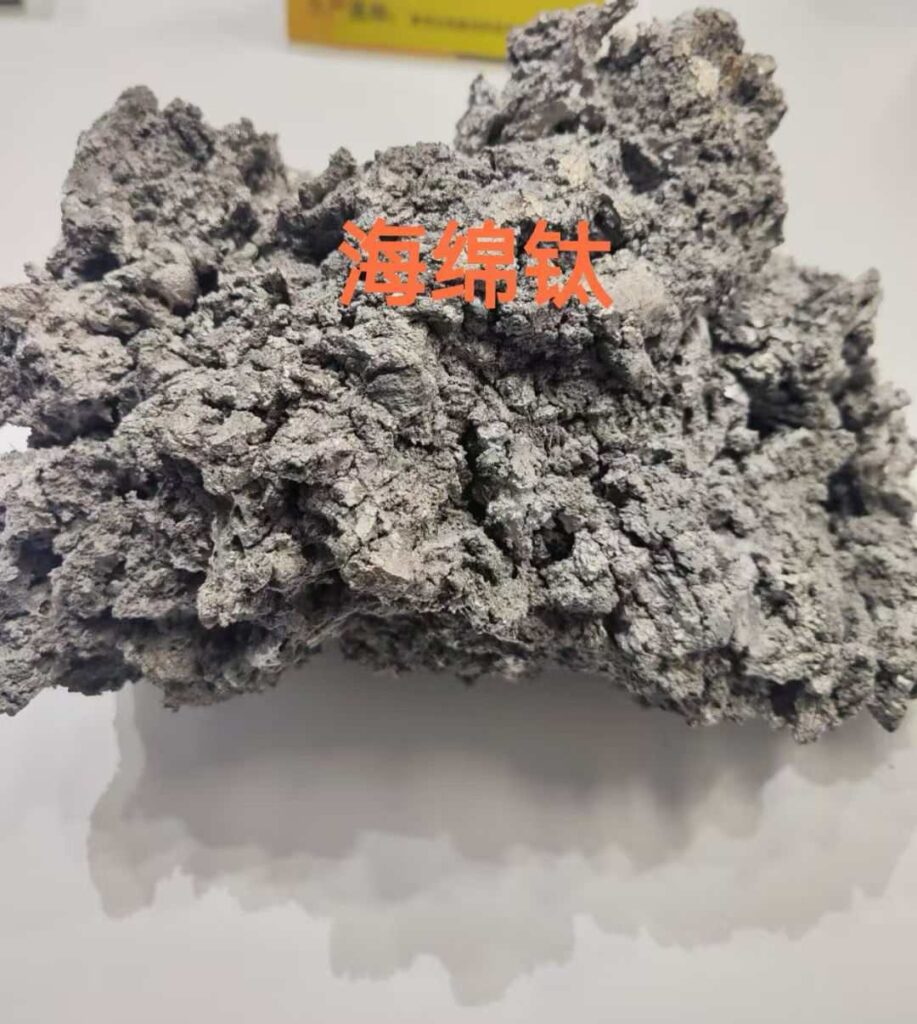
What Is Titanium Metal?
Basic Definition and Composition
Titanium is a strong, lightweight, corrosion-resistant metal used where failure is not an option – aerospace, medical implants, marine, and high-performance industrial systems.
Chemically, titanium is an elemental metal that can be supplied as:
- Commercially pure titanium (CP titanium) – almost pure Ti with small amounts of O, Fe, C, N, H
- Titanium alloys – titanium combined with elements like aluminium, vanadium, palladium, molybdenum, nickel to tune strength, toughness, and corrosion resistance
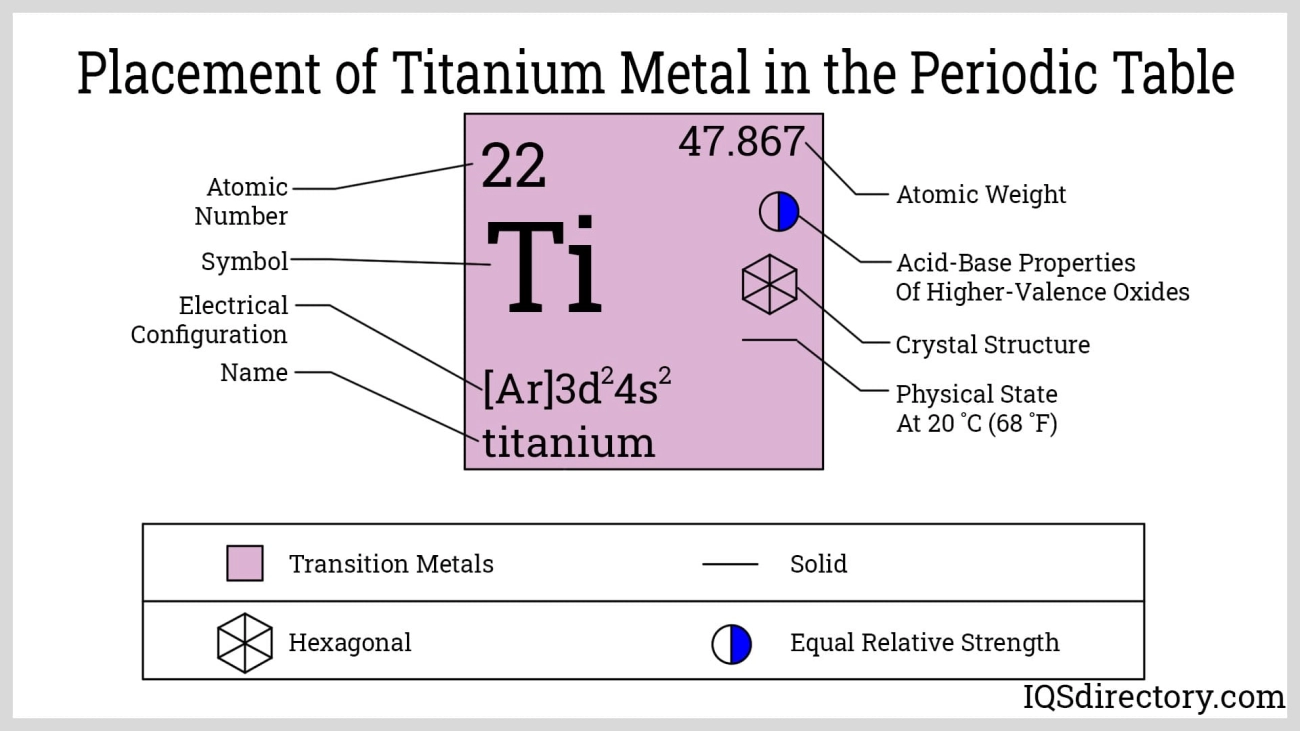
Elemental Data for Titanium
- Element symbol: Ti
- Atomic number: 22
- Density: ~4.5 g/cm³ (about 60% of steel’s density)
- Melting point: ~1668°C (3034°F)
- Crystal structure: Hexagonal close-packed (HCP) at room temperature, body-centred cubic (BCC) at high temperature
These properties make titanium ideal where low weight, high strength, and high temperature resistance must work together.
Why Titanium Is a High-Performance Metal
Titanium is considered a high-performance engineering metal because it offers a rare combination of:
- High strength-to-weight ratio – similar strength to many steels at almost 40–45% less weight
- Outstanding corrosion resistance – forms a stable oxide layer that protects in seawater, chlorides, and many chemicals
- Excellent biocompatibility – non-toxic and widely used as medical titanium for implants
- Good temperature resistance – keeps useful strength at elevated temperatures where aluminium and many steels soften or oxidise
This is why aerospace titanium, medical titanium, and titanium for marine use dominate high-spec applications globally.
Titanium vs Common Metals
Compared with other common engineering metals:
- Titanium vs steel / carbon steel
- Strength: comparable to many high-strength steels
- Weight: titanium is much lighter
- Corrosion: titanium performs far better in seawater, chlorides, and aggressive media
- Titanium vs stainless steel
- Similar corrosion resistance in many environments, but titanium is lighter and often more durable in harsh chemical or offshore conditions
- Titanium vs aluminium
- Aluminium is lighter, but titanium is roughly twice as strong for structural applications
- Titanium offers better stiffness, fatigue performance, and temperature resistance
For designs where weight, lifespan, and reliability directly impact cost and safety, titanium often delivers the best overall life-cycle value, even with a higher material price.
Common Myths and Misconceptions About Titanium
A few points I clarify often with buyers and engineers:
- “Titanium is stronger than every steel.”
Not always. Some ultra-high-strength steels exceed
Titanium Material Forms We Offer
We stock a full range of titanium metal forms so you can match the material exactly to your process, lead time, and budget.
Titanium Sheet and Plate
- CP titanium and titanium alloy sheet and plate
- Thin gauge sheet for fabrication and cladding
- Heavy plate for structural, aerospace, and industrial titanium parts
- Tight thickness tolerances and clean surfaces ready for CNC machining
Titanium Round Bar and Rod
- Precision titanium round bar and titanium rod from small diameters up to large forged sizes
- Bar stock for machining, fasteners, shafts, and high‑strength components
- Centreless ground, peeled, or rough-turned options depending on your finish needs
Titanium Tube and Pipe
- Seamless titanium tubing for aerospace, medical, and high-pressure service
- Welded titanium tube and pipe for cost‑effective industrial systems
- Available in common schedules and custom titanium tubing sizes for heat exchangers and process lines
Titanium Wire and Coil
- Titanium wire and titanium coil for welding, springs, and small fabricated parts
- CP titanium wire for corrosion‑resistant applications
- Welding wire diameters matched to standard processes and filler requirements
Titanium Foil and Strip
- Ultra-thin titanium foil and narrow titanium strip for precision and electronic uses
- Supplied in coils or cut lengths for shims, shielding, and micro components
- Clean, flat material ideal for high‑accuracy stamping and forming
Titanium Forgings, Fittings, and Custom Shapes
- Closed-die and open-die titanium forgings for high-stress aerospace titanium and industrial parts
- Titanium fittings, flanges, and custom profiles for piping and structural systems
- We support complex machined titanium shapes, splined shafts, and precision parts (see our experience with CNC machined components for reference to our capability).
Titanium Powder for 3D Printing
- 3D printing titanium powder in Grade 5 and Grade 23 for additive manufacturing
- Controlled particle size distribution and flow for stable printing
- Ideal for large-format builds and production runs, especially when paired with large-scale 3D printing solutions.
Cut-to-Size and Processing Services
- Cut-to-size titanium sheet, plate, bar, and tube
- Sawing, shearing, and waterjet cutting for near-net shapes
- Basic machining support so you receive titanium stock ready for fast production on your side
Titanium Grades in Stock
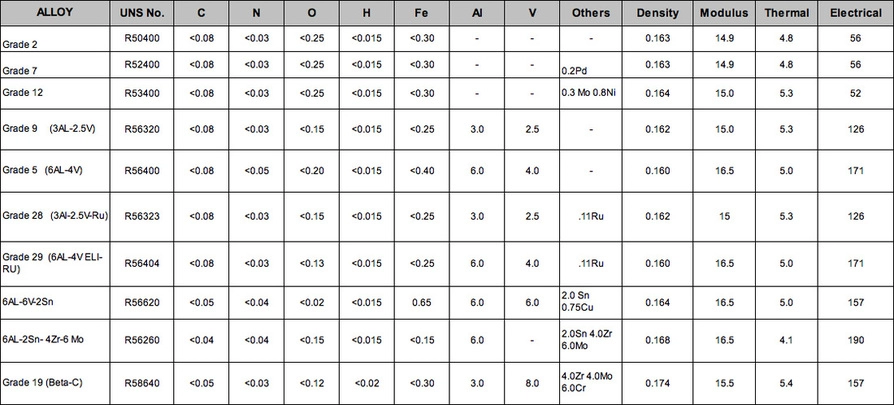
We keep a wide range of titanium metal grades ready to ship so you can match the material to your exact job instead of compromising on “what’s available”.
CP Titanium (Commercially Pure Grades 1–4)
Commercially pure titanium (CP titanium) is unalloyed titanium with different strength and oxygen levels. It’s your go‑to when you need top corrosion resistance, weldability, and biocompatibility more than extreme strength.
Titanium Grade 1
- Softest and most ductile CP titanium
- Excellent formability and cold workability
- Best corrosion resistance of the CP family
Typical uses:
Heat exchanger parts, chemical processing equipment, marine hardware, thin titanium sheet and titanium foil, deep-drawn parts, medical devices where low strength is acceptable.
Titanium Grade 2
- The most commonly used CP titanium grade
- Good balance of strength, corrosion resistance, and weldability
- Easy to machine compared to higher-strength alloys
Typical uses:
Industrial piping, titanium tube and pipe, pressure vessels, marine components, plates and titanium bar stock for general engineering, medical hardware, architectural parts.
Titanium Grade 3
- Higher strength than Grade 2, still weldable
- Good resistance to mild to moderate corrosive environments
- Used when you need more strength but still want CP behaviour
Typical uses:
Higher-pressure titanium tubing, structural plates, aerospace brackets, industrial hardware in chemical plants.
Titanium Grade 4
- Strongest CP titanium grade
- Very good fatigue strength and corrosion resistance
- Slightly harder to form than Grades 1–3, but still weldable
Typical uses:
Aerospace fasteners, medical instruments, pressure vessels, titanium forgings and fittings, high-performance structural parts.
Titanium Grade 5 (Ti‑6Al‑4V)
- The workhorse titanium alloy – ~90% of aerospace titanium usage
- High strength-to-weight ratio, good fatigue performance
- Good temperature resistance and corrosion resistance
- Available as titanium round bar, rod, sheet, plate, tubing, and wire
Typical uses:
Aerospace structures, engine components, motorsport parts, high-performance titanium fasteners, offshore equipment, high-strength titanium bolts, 3D machined components.
Titanium Grade 5 ELI (Ti‑6Al‑4V ELI)
- “ELI” = Extra Low Interstitials → improved fracture toughness
- Cleaner, more controlled chemistry
- Designed for critical aerospace and medical applications
Typical uses:
Flight-critical parts, high-reliability aerospace hardware, load-bearing medical components where toughness and fatigue resistance matter.
If you also work with steels, our guide on alloy vs stainless steel performance and cost can help frame when Grade 5 titanium is the smarter upgrade.
Titanium Grade 7
- CP titanium with a small addition of palladium
- Outstanding corrosion resistance, especially in reducing acids and chlorides
- Similar mechanical properties to Grade 2
Typical uses:
Chemical processing, reactors, heat exchangers, titanium for marine use, highly aggressive environments where standard stainless steels fail.
Titanium Grade 9 (Ti‑3Al‑2.5V)
- Medium-strength titanium alloy
- Excellent weldability and formability
- Ideal for thin-wall, high-strength tubing
Typical uses:
Aerospace and sport titanium tubing, bike frames, hydraulic lines, aircraft tubing, marine and automotive tube systems.
Titanium Grade 23 (Ti‑6Al‑4V ELI – Medical)
- Medical version of Grade 5 ELI with tighter controls
- Top-level biocompatibility and fatigue strength
- Used where long-term performance in the body is critical
Typical uses:
Orthopedic implants, dental implants, trauma hardware, custom medical devices, 3D printed implant structures from 3D printing titanium powder.
How to Choose the Right Titanium Grade
When you’re selecting a titanium metal grade, focus on:
- Corrosion
- Corrosive chemicals / seawater: Grade 1, 2, 7
- Strength
- High strength: Grade 4, 5, 5 ELI, 23
- Medium strength with good formability: Grade 9
- Forming & welding
- Easier forming: Grade 1, 2, 9
- High-strength weldable tubing: Grade 9
- Medical applications
- Instruments / components: Grades 1, 2, 4
- Implants: Grade 23, Grade 5 ELI
- Cost versus performance
- CP grades (1–4) are generally more cost-effective than alloyed grades such as 5 and 23.
If you provide us with your design loads, environment, and fabrication process (machining, welding, forming), we will guide you to the appropriate titanium alloy and product form—whether that’s titanium sheet, titanium round bar, or cut-to-size titanium plate ready for your shop.
Key Properties of Titanium Metal
Titanium strength-to-weight ratio
Titanium metal has one of the best strength-to-weight ratios of any engineering metal:
- Stronger than most aluminium alloys at roughly 1.6–1.8x the density of aluminium
- Similar strength to many steels and stainless steels at about 55–60% of the weight
- Ideal when you need high strength and low weight in aerospace, motorsport, and performance parts
Titanium density and weight savings
- Typical titanium density: ~4.5 g/cm³
- Carbon steel: ~7.85 g/cm³
- Stainless steel: ~7.9–8.0 g/cm³
In real designs, switching to titanium can cut part weight by 30–50% compared to steel or stainless, with similar or higher strength. That’s why we use it in aerospace titanium structures, medical devices, and high-end automotive parts.
Titanium strength and hardness range
Depending on the titanium grade:
- CP titanium (Grade 1–4):
- Tensile strength roughly 240–550 MPa
- Great for corrosion resistance and forming
- Titanium Grade 5 (Ti-6Al-4V) and Grade 23:
- Tensile strength roughly 900–1100 MPa
- High hardness and excellent fatigue performance
These ranges make titanium alloy a go-to for parts that must be light, strong, and reliable over the long term.
Titanium corrosion resistance
Titanium forms a stable, self-healing oxide film that gives it outstanding corrosion resistance in:
- Seawater and marine environments (ideal for titanium for marine use)
- Many acids and chloride-rich environments
- Chemical processing lines, heat exchangers, and offshore systems
In many aggressive environments where carbon steel and even stainless steel fail, titanium just keeps working with minimal maintenance.
Titanium temperature resistance
Titanium keeps its strength and stability over a wide temperature range:
- Works well from cryogenic temperatures up to around 400–600°C (depending on grade)
- Ideal for aerospace hot sections, exhaust components, and high-temperature fasteners
If you’re comparing it with aluminium or heat-treated aluminium alloys, titanium holds strength much better at elevated temperatures.
Titanium biocompatibility
Titanium is biocompatible and non-toxic, which is why medical titanium is the standard for:
- Medical implants (hips, knees, bone plates, dental implants)
- Surgical instruments and components that contact the body
Grades like titanium Grade 23 (Ti-6Al-4V ELI) are specially tuned for implant use due to their purity, toughness, and fatigue resistance.
Fatigue resistance and long-term durability
Titanium offers excellent fatigue resistance, even in demanding cyclic loading:
- Delivers long service life in aerospace structures, suspension parts, and rotating components
- Holds up well in corrosive + cyclic environments where other metals crack or pit
This mix of light weight, high strength, corrosion resistance, and fatigue performance is exactly why we keep titanium in stock for critical, high-performance applications across aerospace, marine, medical, and industrial sectors.
Titanium vs Other Metals
Titanium vs Stainless Steel
Titanium metal weighs about 40–45% less than stainless steel while maintaining similar strength. In salty, wet or chloride-rich environments, titanium’s corrosion resistance is on another level:
- No red rust, no pitting in seawater
- Maintains strength at higher temperatures
- Non-magnetic and more skin-friendly than many stainless grades
For critical aerospace, medical, or marine parts, titanium often outperforms stainless in both strength-to-weight ratio and corrosion lifespan.
Titanium vs Aluminium
Aluminium is lightweight and inexpensive, but titanium sits in the optimal range when you need real strength:
- Titanium is about 1.6–1.8× heavier than aluminium
- But it’s also about 2–3× stronger, with much better fatigue and impact resistance
- Remains stiffer and retains strength at higher temperatures
If you’re designing high-performance parts (bike stems, aerospace brackets, motorsport components), titanium provides more stiffness and safety margin without the weight of steel. For more on lightweight design, check this breakdown of the best lightweight, strong metal types we use in production: lightweight high-strength metals guide.
Titanium vs Carbon Steel
In aggressive environments, carbon steel doesn’t stand a chance:
- Steel needs coatings, paint or plating to survive
- Titanium offers bare-metal corrosion resistance in seawater, many acids and chlorides
- No flaking coatings, no constant repainting
For offshore, chemical processing and marine hardware, titanium cuts out unplanned downtime, coating repairs and replacements.
When Titanium Is Worth the Higher Cost
Titanium isn’t cheap, so we push it where it actually pays off:
- When failure risk is high (aerospace, implants, safety‑critical parts)
- When access for maintenance is difficult or costly (offshore, subsea, inside process equipment)
- When you need maximum performance per kg (motorsport, high-end bikes, drones, defence)
Upfront material cost is higher, but total lifecycle cost is often lower once you factor in weight savings, fuel savings, and less maintenance.
Lifespan and Maintenance
With the right titanium grade:
- Service life often runs decades instead of years
- Far fewer shutdowns for corrosion repairs
- No rust bleed, minimal cleaning, stable performance
In short, compared to stainless steel, aluminium and carbon steel, titanium gives you longer life, lower maintenance, and higher reliability when the environment or performance demands are tough.
Industries Using Titanium Metal

Aerospace & Defence Titanium Applications
We supply aerospace titanium sheet, plate, bar, and tubing for:
- Structural parts, brackets, and fasteners
- Landing gear, engine components, and exhaust systems
- Defence systems where low weight and high strength are critical
Titanium’s strength‑to‑weight ratio and temperature resistance make it a go‑to choice for weight‑sensitive airframes and high-heat components.
Medical & Dental Titanium Uses
Medical titanium (including Grade 5 ELI and Grade 23) is widely used for:
- Bone screws, plates, and joint replacements
- Dental implants, abutments, and instruments
- Surgical tools where cleanliness and reliability matter
Its biocompatibility means the body accepts titanium without toxic reactions, making it a standard for implants worldwide.
Marine & Offshore Titanium Components
For marine and offshore projects, titanium for marine use offers:
- Excellent corrosion resistance in seawater and brine
- Long life in splash zones, subsea hardware, and heat exchangers
- Lightweight, non-magnetic parts for ROVs and subsea tools
Compared with steel and even stainless, titanium drastically cuts maintenance in aggressive saltwater environments.
Chemical Processing & Heat Exchangers
In chemical plants, titanium for chemical processing is used for:
- Heat exchanger tubing and plates
- Reactor vessels, piping, and fittings
- Components exposed to chlorides, acids, and wet chlorine
When you’re dealing with harsh media, titanium’s corrosion resistance can outperform many specialty stainless steels, reducing unplanned shutdowns. For complex shapes, we support custom and precision manufacturing services.
Automotive & Motorsport Titanium Parts
Performance builders choose titanium bar, plate, and fasteners for:
- Connecting rods, valves, retainers, and springs
- Exhaust systems, brackets, and suspension hardware
- Lightweight titanium bolts and fasteners for weight-critical areas
You get less mass, faster response, and high fatigue strength—ideal for racing and high-performance street builds.
Consumer, Sports & Architectural Uses
Titanium is also popular in:
- Sports gear (bike frames, golf club heads, rackets)
- Consumer electronics housings and wearables
- Architectural details, façade panels, and anodised titanium sheet finishes
Here, the combination of low weight, durability, and premium look is the main driver.
Emerging Energy, Electronics & 3D Printing
New titanium alloy uses are growing fast in:
- Energy: offshore wind, desalination, and power plant condensers
- Electronics: casings, connectors, and EMI-sensitive parts
- Additive manufacturing: 3D printing titanium powder (Grade 5 and Grade 23) for customised aerospace, medical, and industrial components
With reliable titanium powder and modern printers, complex, high-performance parts move from design to reality faster than ever.
Global titanium sourcing & stable supply
We source titanium metal mill-direct from verified global producers, so you get consistent quality, locked-in specs, and reliable availability on every order. This approach keeps our titanium stock stable even when the market is tight, which is critical for aerospace titanium, medical titanium, and other time-sensitive work.
Full traceability & titanium mill certificates
Every titanium sheet, titanium plate, titanium round bar, titanium rod, titanium tubing, titanium wire or titanium coil ships with full traceability and original mill test certificates (MTCs). Heat numbers stay tied to your titanium alloy grade (Grade 2, Grade 5 / Ti 6Al 4V, Grade 23, etc.), making audits, approvals and quality checks straightforward.
Strong stock & fast shipping
We keep a broad titanium stock range ready to go: titanium bar stock, titanium tube and pipe, titanium foil and strip, titanium forgings and fittings, plus titanium powder for 3D printing. Common sizes ship fast, so your project isn’t
Technical Resources for Titanium Users
I keep all our titanium technical data in one place so your team can move fast and avoid guesswork.
Titanium grade comparison & downloads
You get clear comparison charts for all common titanium grades:
| Grade | Type | Key Features | Typical Use |
|---|---|---|---|
| 1–4 | CP titanium (commercially pure) | High corrosion resistance, easy to form | Chemical, marine, plate, sheet |
| 5 | Ti-6Al-4V | High strength, most-used titanium alloy | Aerospace, motorsport, tooling |
| 7 | Alloyed CP | Top corrosion resistance (Pd-added) | Chemical processing, harsh media |
| 9 | Ti-3Al-2.5V | Strong, weldable, great for tubing | Aircraft tubing, bikes |
| 23 | Ti-6Al-4V ELI | Extra low interstitials, implant grade | Medical, surgical implants |
All data sheets and titanium material data are available as downloadable PDFs for fast spec checks and RFQs.
Titanium weight calculator & selection tools
To size your titanium metal correctly, I provide:
- Titanium weight calculator (sheet, plate, round bar, rod, tubing, wire, coil, foil)
- Quick density-based weight estimates for swapping steel, aluminium, or stainless to titanium
- Simple grade selection filters by strength, corrosion resistance, weldability, and temperature resistance
These tools help you lock in titanium stock sizes and shipping weights before you place the order.
Basic titanium machining guidelines
Titanium machining is very doable with the right approach. We share:
- Recommended cutting speeds & feeds for titanium bar stock, plate, and forgings
- Tooling suggestions (carbide, coatings, cooling, chip control)
- Tips to reduce chatter, heat, and tool wear
If you’re dialing in milling strategies, our overview pairs well with general end mill guidance like this breakdown of types of mill bits and how to choose them.
Welding tips for CP titanium & Ti-6Al-4V
For CP titanium and Grade 5 / Grade 23 welding, I share:
- Shielding gas setups (argon purity, trailing shields, backing gas)
- Joint prep and cleanliness rules (no oil, no fingerprints)
- Basic GTAW/TIG parameters for sheet, plate, and titanium tubing
- Key differences between welding CP titanium vs Ti-6Al-4V
You also get filler metal match recommendations for titanium welding wire by grade.
Handling, storage & safety notes
To keep your titanium stock clean and in-spec:
- Store titanium sheet, plate, and bar dry, covered, and off the floor
- Avoid contact with carbon steel to prevent contamination and rust staining
- Use clean gloves for medical titanium and aerospace titanium
- Follow standard dust collection and PPE for titanium machining and cutting
- Separate and label titanium tube and pipe, titanium wire, and titanium powder clearly
For tight-tolerance titanium parts, we also recommend high-precision cutting options such as wire EDM, similar to what’s outlined in this practical wire EDM cutting guide on tolerances and techniques.
Related Titanium Products
Titanium fasteners, bolts and hardware
I stock titanium fasteners, bolts, nuts and washers for projects that need high strength, low weight and real corrosion resistance. They’re ideal for marine builds, motorsport, aerospace hardware and any setup where standard steel hardware will seize, rust or add too much weight.
Titanium welding wire and filler metal
To match your base material, I supply titanium welding wire and filler metal in CP titanium and popular titanium alloy grades like Ti‑6Al‑4V. That keeps welds clean, strong and consistent, especially on aerospace and medical titanium parts where quality can’t slip.
Anodised titanium sheet and decorative finishes
For visible parts, I offer anodised titanium sheet with stable colour finishes that don’t peel like paint. It’s a solid choice for consumer products, architecture and design work that needs both a premium look and the technical benefits of titanium.
3D printing titanium powder (Grade 5 and Grade 23)
If you’re running metal additive manufacturing, I provide 3D printing titanium powder in Grade 5 (Ti‑6Al‑4V) and Grade 23 (Ti‑6Al‑4V ELI) with tight particle size control for repeatable builds. These are the go‑to powders for aerospace brackets, performance parts and advanced medical prostheses.
Accessories and consumables for titanium fabrication
To keep your shop moving, I also bundle in matching accessories and consumables for titanium fabrication—cutting, grinding and handling gear selected to reduce contamination and extend tool life when you’re working titanium day in, day out.
Titanium FAQ
Is titanium stronger than steel in real use?
Not always.
- Titanium Grade 5 (Ti-6Al-4V) has strength similar to many high-strength steels but at about 60% of the weight.
- Mild steel and some tool steels can still be stronger in absolute terms, but titanium wins on strength-to-weight, fatigue resistance and corrosion resistance.
Why is titanium more expensive than other metals?
Titanium is costly because:
- The extraction and melting process is complex and energy-intensive.
- It needs vacuum or inert-atmosphere melting for high-purity alloys.
- Machining is slower and tool wear is higher, which adds cost.
You usually choose titanium when performance and service life outweigh the upfront price.
Can titanium corrode or rust in normal conditions?
Titanium does not rust like steel and forms a very stable oxide film.
- In freshwater, seawater, and most atmospheres, corrosion is practically zero.
- It can be attacked in very strong, hot, reducing acids or certain specialised chemical mixtures, but in normal use (marine, outdoor, medical) it’s one of the most corrosion-resistant metals available.
What is the difference between Grade 2 and Grade 5 titanium?
- Grade 2 (CP titanium):
- Commercially pure, easy to form and weld
- Good corrosion resistance, moderate strength
- Used for tanks, heat exchangers, medical components, general industrial parts
- Grade 5 (Ti-6Al-4V):
- Titanium alloy with aluminium and vanadium
- Much higher strength, good fatigue performance
- Used in aerospace, motorsport, structural parts, high-performance fasteners
If you need formability and corrosion, go Grade 2. If you need high strength and performance, go Grade 5.
Is titanium magnetic or non-magnetic?
Titanium and common titanium alloys (including Grade 5) are non-magnetic.
- Suitable for MRI-compatible medical devices, instruments, and components where low magnetic signature matters.
How can I cut or machine titanium with basic shop tools?
You can work titanium with standard tools, but you need to respect a few rules:
- Use sharp carbide or high-quality HSS tools.
- Keep low to moderate cutting speeds, higher feed, and plenty of coolant.
- Avoid rubbing – titanium work-hardens quickly if you “baby” the cut.
For tighter tolerances, pairing these basics with proper reaming techniques (see this practical Guide to reaming holes for precision machining) helps a lot.
How do I request a titanium quotation and lead time information?
Send us:
- Grade (e.g. Grade 2, Grade 5, Grade 23)
- Form (sheet, plate, round bar, rod, tubing, wire, coil, foil, forgings, powder)
- Dimensions & tolerances
- Quantity and destination
Once we have this, we’ll confirm available titanium stock, mill certificates, pricing, and lead time and help you choose the most cost-effective option for your project.
 English
  Chinese
  Spanish (Peru)
  German
  Korean
  Spanish (Spain)
  Italian