
Informative guide on types of knee replacement materials exploring metal alloys polyethylene ceramics durability and implant options.
Understanding Knee Replacement Surgery
Knee replacement surgery is a common procedure designed to relieve pain and restore function in severely damaged or worn-out knees. It involves removing the damaged parts of your knee joint and replacing them with artificial components called prostheses. These prostheses typically consist of three main parts: the femoral component (attached to the thigh bone), the tibial component (attached to the shin bone), and sometimes a patellar component (replacing the kneecap surface).
Common Materials Used in Knee Replacement Implants

When it comes to knee replacement implant materials, several options are commonly used to ensure durability, comfort, and function. The main types include metal alloys, polyethylene plastic, and ceramics. Each plays a specific role in the knee prosthesis, often combined to balance strength and movement.
- Metal Alloys: Usually form the femoral (thigh bone) and tibial (shin bone) parts of the implant. Common metals are cobalt-chromium, titanium, and stainless steel. They’re known for their strength, biocompatibility, and resistance to wear.
- Polyethylene Plastic: This highly cross-linked plastic acts as a spacer or shock absorber between metal parts. It reduces friction and wear, allowing smoother movement in the joint.
- Ceramics: Used less often but valued for their excellent wear resistance and biocompatibility. They are typically part of the implant’s bearing surfaces but can be brittle compared to metals.
Understanding these common biomaterials helps when discussing knee replacement options with your surgeon or learning about implant longevity and recovery expectations.
Metal Alloys in Knee Replacement Materials
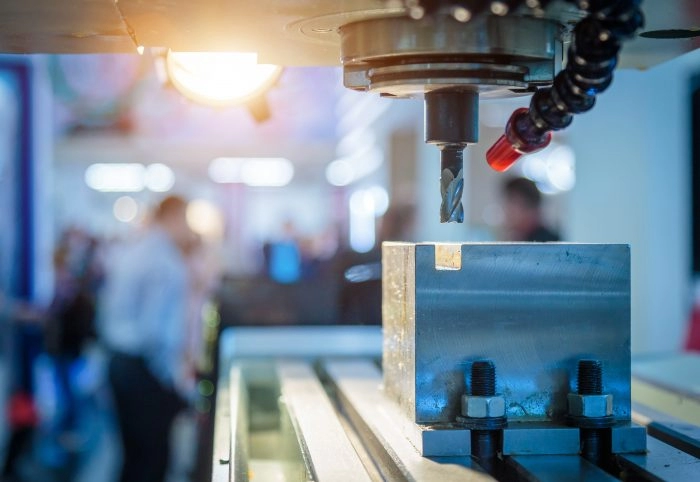
Metal alloys are a common choice for knee replacement implants because of their strength and durability. The most used types include:
- Cobalt-Chromium: Known for excellent wear resistance and strength. It handles the stress from movement well and lasts long.
- Titanium: Lightweight and highly biocompatible, which means it’s less likely to cause allergic reactions. It’s also great for promoting bone growth around the implant.
- Stainless Steel: Less common for knees but still used in some cases. It’s strong but heavier compared to titanium.
Advantages of metal alloys:
- Strong and durable under repeated stress
- Good compatibility with the body
- Resist wear from joint movement
Considerations:
- Metal implants can be heavier, especially stainless steel
- Some people might have allergic reactions, especially to nickel in certain alloys
- Slight chance of metal sensitivity needs checking before surgery
Overall, metal alloys play a key role in knee prostheses because they provide the reliable structure needed for long-term joint function.
Polyethylene Plastic
Polyethylene plastic, especially highly cross-linked polyethylene, is a key material used in knee replacement implants. It acts as a spacer between the metal components of the knee prosthesis, serving as a shock absorber that reduces friction during movement. This low-friction surface helps protect metal parts from wearing down too quickly.
One main advantage of highly cross-linked polyethylene is its excellent wear resistance compared to earlier versions, which means it lasts longer and holds up better under the stress of daily activities. However, over many years, even this advanced plastic can show signs of wear, which might eventually lead to implant loosening or the need for revision surgery.
Overall, polyethylene plays a vital role in knee replacement durability and function by cushioning the joint and enabling smooth movements.
Ceramics in Knee Replacement Implants
Ceramic materials used in knee replacements are usually made from aluminium oxide or zirconium oxide. These ceramics are known for their excellent wear resistance, helping the implant last longer by reducing debris caused by friction. They also have high biocompatibility, meaning they’re less likely to cause allergic reactions or irritate surrounding tissues.
However, ceramics can be brittle and prone to cracking or fracture under sudden impact or stress. Because of this, they are often combined with other materials rather than used alone. Their strength makes them great for certain parts of the knee implant, but their fragility is a factor surgeons carefully consider.
| Ceramic Type | Benefits | Drawbacks |
|---|---|---|
| Aluminium Oxide | High wear resistance, biocompatible | Brittle, risk of fracture |
| Zirconium Oxide | Good durability, less brittle than aluminium oxide | Still some fracture risk |
Innovative and Emerging Materials
Knee replacement materials keep evolving, and some of the newest options show real promise. One exciting development is 3D-printed implants. These allow for custom-fitted knee prostheses tailored exactly to a patient’s anatomy, improving comfort and function. Plus, 3D printing can speed up the production process and lower costs.
Another material gaining attention is oxidised zirconium. It’s a type of metal with a ceramic-like surface, offering excellent wear resistance and reduced friction. This means it can potentially last longer and cause less wear on the polyethylene spacer. It’s also lighter than traditional metal alloys, which some patients prefer.
Finally, antimicrobial coatings are changing the game by helping reduce the risk of infection after surgery. These coatings can be applied to implants to protect against bacteria, a big concern for anyone facing knee replacement surgery. Advances in biomaterials also focus on improving biocompatibility, which lowers the chance of allergic reactions and boosts recovery.
These innovations are becoming more common in hospitals across the United Kingdom, offering patients better options for durability, safety, and tailored knee replacement solutions.
Factors to Consider When Choosing Knee Replacement Material
Choosing the right knee replacement implant materials involves several important factors that can affect how well the implant works and how long it lasts.
- Patient Lifestyle and Activity LevelIf you stay active or engage in sports, materials with high wear resistance like metal alloys or ceramics might be better. For less active patients, standard polyethylene spacers can work just fine.
- Age and Expected Implant LongevityYounger patients often need implants that last longer, making durable materials like highly cross-linked polyethylene combined with metal or ceramic components preferable. Older patients may prioritise quicker recovery over extreme durability.
- Allergies and Sensitivities to MetalsSome people have allergies to metals such as nickel found in stainless steel. Titanium or oxidised zirconium are good alternatives because they rarely cause allergic reactions.
- Surgeon’s Recommendation and Implant AvailabilityYour surgeon’s experience and the types of materials they trust are key. Also, not all implants are available everywhere, so material choices may depend on what local hospitals or clinics stock.
- Cost and Insurance Coverage: Advanced materials like ceramics or 3D-printed implants can be more expensive. It’s important to check what your insurance covers and balance costs with the benefits of each material.
Taking these factors into account helps ensure you get a knee replacement implant that fits your needs and lifestyle while providing good long-term function.
Comparing the Materials Pros and Cons

| Material | Advantages | Disadvantages |
|---|---|---|
| Metal Alloys | – Strong and durable | – Heavier than other materials |
| (Cobalt-Chromium, Titanium, Stainless Steel) | – Excellent wear resistance | – Potential for allergic reactions |
| – Biocompatible | – Some metals may cause sensitivity | |
| Polyethylene Plastic | – Low friction for smooth movement | – Can wear down over time |
| (Highly Cross-Linked) | – Acts as a good shock absorber | – May need replacement after years |
| – Lightweight and flexible | ||
| Ceramics | – Exceptional wear resistance | – Brittle and can fracture |
| – Very biocompatible | – Higher risk of breakage than metal | |
| – Reduces metal allergy risk | ||
| Innovative Materials | – Customisable with 3D printing | – Newer materials may have limited long-term data |
| (Oxidised Zirconium, Antimicrobial Coatings) | – Improved infection control possible | – Cost can be higher |
| – Enhanced surface durability |
This comparison helps understand how each knee replacement material fits different patient needs, balancing durability, safety, and recovery impact.
How Material Choice Affects Recovery and Long-Term Outcomes

The material used in knee replacement implants plays a significant role in how well you recover and how long the implant lasts. Different materials handle wear and tear differently, which can affect the knee’s function over time.
- Wear and Tear: Materials like highly cross-linked polyethylene and ceramics are known for their durability and resistance to wear. This means less degradation of the parts that rub against each other, leading to smoother movement and less chance of pain or swelling after surgery.
- Risk of Loosening or Failure: Metal alloys such as cobalt-chromium and titanium are strong and biocompatible, helping the implant stay firmly fixed. However, if materials wear down too quickly or particles cause inflammation, it can lead to implant loosening. Ceramic implants, while very wear-resistant, may be prone to fracture in rare cases, which could require early replacement.
- Revision Surgery Rates: Implants made with advanced materials like oxidised zirconium or those with special coatings tend to have lower revision surgery rates due to their enhanced durability and reduced wear debris. On the other hand, implants with standard polyethylene spacers might need replacement sooner, especially in younger, more active patients.
In short, the right material choice helps reduce complications, keeps your knee functioning well longer, and can lower the chances of needing another surgery down the road. Your lifestyle, age, and any allergy concerns play a part in which material is the best fit for you.
Local Availability and Trends in Knee Replacement Materials
In the United Kingdom, the choice of knee replacement materials often depends on what’s readily available and preferred by local hospitals and orthopaedic surgeons. Metal alloys like cobalt-chromium and titanium, combined with highly cross-linked polyethylene spacers, are the most commonly used materials across many clinics due to their proven durability and biocompatibility.
Many hospitals prioritise implants made from these materials because they balance strength, wear resistance, and patient safety, making them reliable for a wide range of patients. However, for patients with metal allergies or specific lifestyle needs, some clinics offer alternatives like ceramic components or oxidised zirconium, which are gaining traction for their better wear resistance and lower allergy risks.
The adoption of newer technologies like 3D-printed knee implants is growing but is still limited to specialised centres due to cost and regulatory factors. Additionally, antimicrobial coatings are becoming more popular in some facilities to help reduce infection risks post-surgery.
Ultimately, local surgeons often tailor the material choice based on patient factors—such as age, activity level, and any known sensitivities—while balancing availability and cost. This personalised approach helps ensure the best possible outcomes and recovery experiences.
FAQs About Knee Replacement Materials
Can I have allergic reactions to knee implants?
Yes, some people are allergic to certain metals like nickel or cobalt found in knee implants. If you have a known metal allergy, let your surgeon know. They can choose materials like titanium or ceramic that are less likely to cause reactions.
How long does each material typically last?
Most knee replacement materials last between 15 to 20 years. Metal alloys combined with polyethylene spacers are common and durable. Ceramics last long too but might be less common in knees. Keep in mind, lifestyle and activity level also affect implant life.
What happens if the implant wears out?
If your knee implant wears down or loosens, revision surgery may be needed to replace or repair it. Materials with better wear resistance can reduce this risk, but no implant lasts forever.
 English
  Chinese
  Spanish (Peru)
  German
  Korean
  Spanish (Spain)
  Italian