
Explore the complete guide to types of mill bits including end mills, coatings, materials, and expert tips to choose the right bit for your CNC projects.
If you’re running a CNC mill or router, knowing the right types of mill bits (also known as end mills) isn’t just helpful—it’s critical. Picking the wrong bit can ruin your finish, shorten tool life, or increase your cycle times—and that’s money out the door. Whether you’re a beginner learning the ropes, a DIY woodworker stocking your workshop, or a small business owner building a solid tooling lineup, understanding these bits is your first step to smarter, cleaner, and faster machining.
In this guide, we break down every major type of mill bit, from simple square end mills to specialised cutters like corner radius and roughing end mills. You’ll learn what each bit is great for, which materials they excel on, and when to choose one over another—no fluff, straight from the workshop floor at Vast. Ready to cut smarter? Let’s dive in.
Basic Classification of Mill Bits
When choosing mill bits, the first step is understanding their basic classifications. These categories help you select the right tool for your material and machining style. Here’s the quick overview:
By Number of Flutes
- 2-Flute: Great for softer materials like aluminium and plastics. Larger flute valleys mean better chip evacuation. Perfect for slotting and rough cuts.
- 3-Flute: A middle ground, offering a balance of chip clearance and rigidity. Often used in aluminium and general purpose milling.
- 4-Flute: Offers increased rigidity and a smoother finish, ideal for harder materials like steel. Chip clearance is less than 2 or 3-flutes, so better for shallower cuts.
- 5/6-Flute: Used when you need a top-notch finish with very high rigidity, often in finishing hardened steels and alloys. Less ideal for slotting.
- Variable Flute: Flutes are unevenly spaced to reduce vibrations and chatter, giving cleaner cuts and longer tool life.
By Cutting Direction
Especially in CNC router setups:
- Upcut: Pulls chips up and out of the cut. Great for deep cuts as it evacuates chips quickly but can cause splintering on the surface.
- Downcut: Pushes chips down, compressing the material and leaving a cleaner top edge—excellent for laminates and finishing cuts.
- Compression: Combines upcut and downcut sections on the bit to minimise splintering on both edges, often used in woodworking and composite materials.
By Geometry
- Square (Flat) End: Produces sharp corners and flat bottoms. Great for general milling and slotting.
- Ball Nose: Has a rounded tip, ideal for 3D contouring, and smooth finishes on moulds or dies.
- Corner Radius: Features a small radius on the edge to strengthen the cutter and reduce chipping, blending the benefits of square and ball nose bits.
- Roughing & Finisher: Roughing mills have serrated edges to aggressively remove material quickly with some surface roughness; finishing mills clean up the surface to a smooth finish.
Understanding these basics saves you time and money—so you don’t get stuck with the wrong mill bit at crunch time. Next, we’ll break down the 8 main end mill types you’ll actually use in the shop.
The 8 Main Types of End Mills You’ll Actually Use
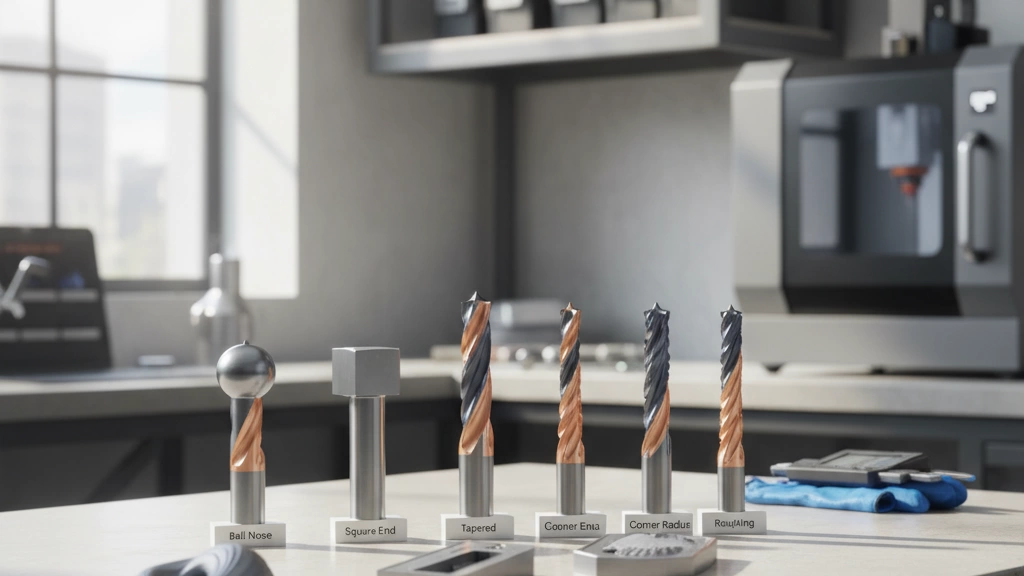
Here’s a straightforward look at the most common types of mill bits you’ll use in a typical workshop or CNC setup. I’ll cover what materials they work best with, where they excel, and when you might want to choose one over the others.
1. Square End Mills (Flat End Mills)
Best for: Aluminium, steel, plastics
Uses: General purpose milling, slotting, pocketing, contouring
Pros: Cuts sharp edges, good for flat bottom cuts
Cons: Can leave sharp corners that might need finishing
When to choose: You want clean, straight edges with flat bottoms in most materials.
2. Ball Nose End Mills
Best for: 3D contouring in softer metals, plastics, wood
Uses: Complex curves, 3D shapes, moulds, dies
Pros: Smooth curved cuts, good surface finish on rounded parts
Cons: Slower material removal, less effective for sharp corners
When to choose: You’re working on 3D surfaces and need rounded edges.
3. Corner Radius End Mills
Best for: Steel, stainless steel, aluminium
Uses: Adding strength to edges, reducing chipping on corners
Pros: Stronger corners than square end mills, better tool life
Cons: Not suitable for very tight corners; radius limits sharpness
When to choose: You want to avoid cracks or chipping at edges while maintaining relatively sharp corners.
4. Roughing End Mills (Hog Mills / Rippers)
Best for: Carbon steel, stainless steel, cast iron
Uses: Fast heavy material removal, rough cuts before finishing
Pros: Removes material quickly, reduces load on the machine
Cons: Rough finish, not suitable for detailed work
When to choose: You need to shape a large chunk quickly, then refine with a finishing tool.
5. Finishing End Mills
Best for: All metals including hardened steel, aluminium, plastics
Uses: Final passes to achieve smooth surface finishes
Pros: High surface finish quality, tight tolerances
Cons: Slower cutting, smaller chips
When to choose: Final step after roughing, especially when tight finish specifications matter.
6. Tapered End Mills
Best for: Tool and die work, mould making, aluminium, steel
Uses: Angled cuts, mould cavities, finishing contoured surfaces
Pros: Accurate angled profiles, strong cutting edges
Cons: Limited slotting ability, more expensive
When to choose: You need angled features or tapered cuts for moulds or dies.
7. Drill Mills (Corner Rounding + Drilling)
Best for: Light metals, wood, plastics
Uses: Drilling with corner rounding, small pocketing
Pros: Combines drilling and milling, saves tool changes
Cons: Not ideal for heavy milling or deep holes
When to choose: When you want to drill and create smooth rounded entrances quickly.
8. Specialty End Mills
- Woodruff Keys: For keyway slots in shafts
- Dovetail Mills: For dovetail joints and angled grooves
- Lollipop (Spherical) Mills: Reach hard-to-get edges and deep pockets
- Thread Mills: Create internal/external threads with less stress
Best for: Specific industrial or woodworking tasks
Pros: Precise for specialised cuts
Cons: Limited general use, usually more expensive
When to choose: Your project requires a niche shape—don’t use these for general milling.
Each has a clear role—knowing when to switch between them saves you time and money while completing the job correctly. For example, switching from roughing mill bits to finishing ones at the right time significantly improves your surface quality without slowing production.
Coatings – The Performance Multiplier
Mill bit coatings can significantly extend your tools' lifespan and improve cutting performance. Here’s a quick overview of common coatings you’ll encounter and their best applications:
| Coating | Heat Resistance | Hardness | Best For |
|---|---|---|---|
| TiN | Moderate (up to 900°F) | Good | General purpose, aluminium, mild steel |
| TiCN | Higher than TiN | Very good | Harder steels, stainless steel |
| TiAlN | High (up to 1300°F) | Excellent | Titanium alloys, stainless steel, high-temperature cutting |
| AlTiN | Highest (up to 1600°F) | Excellent | Hard materials, dry machining, tough steels |
| ZrN | Moderate | Good | Non-ferrous metals, composites |
| DLC | Moderate | Very high | Abrasive materials, plastics |
| nACo | High | Very good | High-speed cutting, carbide bits |
Why coatings matter:
- They reduce friction and heat, keeping your mill bits sharp for longer.
- Specific coatings suit different materials—use TiAlN or AlTiN for tough metals like stainless steel and titanium, and TiN or ZrN for softer metals and plastics.
- Choosing the right coating can reduce your machine time and tool costs, especially when working with tricky materials.
Keep this table handy when selecting the best mill bit coating for your job. It’s a simple way to achieve better performance without breaking the bank.
Material of the End Mill Itself
Choosing the right Material of the end mill is just as important as the bit style. Here’s a quick overview of the common materials used and how they compare in cost versus performance:
| Material | Cost | Performance | Best For |
|---|---|---|---|
| HSS (High-Speed Steel) | Low | Good toughness, wears out faster, easy to sharpen | Soft metals, wood, plastics |
| Cobalt Steel | Medium | Better heat resistance than HSS, lasts longer | Stainless steel, tougher materials |
| Solid Carbide | High | Very hard and wear-resistant, ideal for high-speed cutting | Aluminium, steels, harder materials |
| Carbide-Tipped | Medium-High | Carbide tip on steel body, good balance of cost and wear | General-purpose milling |
| PCD (Polycrystalline Diamond) | Very high | Super-hard, excellent wear resistance, longest life | Non-ferrous metals, composites, plastics |
What this means for you:
- If you’re cutting soft materials like wood or aluminium and watch your budget, HSS or cobalt are solid choices.
- For tougher jobs or higher-speed machining, solid carbide shines but at a higher price.
- Carbide-tipped bits offer a middle ground for those who want decent wear resistance without breaking the bank.
- Need the absolute best for special materials like composites or non-ferrous metals? PCD diamond bits will pay off long term despite the upfront cost.
Picking the right end mill material saves you money on downtime and replacements—especially in a busy UK workshop where efficiency matters.
Choosing the Right Mill Bit – Decision Checklist

Picking the right mill bit isn’t just about having the newest or most expensive tool. It starts with a clear look at what you’re cutting, how you’re cutting it, and what your machine can handle. Here’s a quick checklist to get you on the right track:
1. Material Being Cut
- Wood & Plastics: Use bits designed for soft to medium-density materials—typically 2 or 3-flute upcut or compression bits to avoid tear-out.
- Aluminium & Soft Metals: 2 or 3-flute bits with coatings like TiAlN or AlTiN for heat resistance and smooth cuts. Avoid too many flutes to keep chips clearing well.
- Stainless Steel & Hard Metals: 4+ flute carbide end mills with high-performance coatings (TiCN, ZrN). Slow speeds plus tougher tooling reduce wear.
- Titanium & Composites: Specialised carbide or PCD (polycrystalline diamond) coated mills to handle heat and abrasiveness without chipping.
2. Operation Type
- Roughing: Choose roughing end mills (hog mills) to quickly remove large amounts of material, typically with serrated edges.
- Finishing: Use finishing mills (smooth edges, sometimes corner radius) for crisp surfaces and tight tolerances.
- 3D Contouring: Ball nose mills work best for smooth, curved surfaces.
- Slotting & Pocketing: Select based on slot width and depth; more flutes for a cleaner slot, fewer for better chip evacuation.
3. Machine Type
- CNC Router: Primarily uses upcut, downcut, or compression bits tailored for wood, plastics, and soft metals. Watch for flute count and coating suited to high RPMs.
- Vertical Mill: Flexible with most end mills but match bit size and flute design to material and operation to avoid tool breakage.
- Small Desktop Mill: Use shorter, sturdier bits—simpler tools work best here to avoid chatter and improve stability.
4. Desired Finish & Cycle Time
- For quick rough cuts, go with fewer flutes and roughing geometry to speed things up.
- For high-quality finishes, more flutes and finer geometry deliver smooth surfaces but may slow cycle time.
- Balance your needs: sometimes a bit more time in finishing saves hours in post-processing.
Bottom line: Match your mill bit to the material, the job type, your machine, and the finish you want. This simple checklist keeps you from guessing and helps get the job done right the first time.
Pro Tips from the Vast Shop Floor
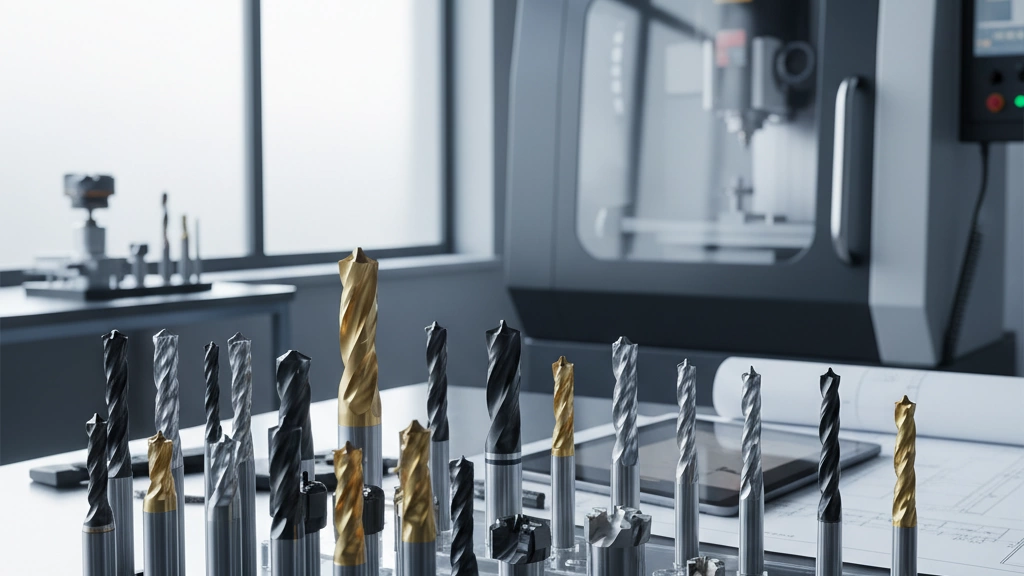
Here are some real-world tips I’ve picked up working with all types of mill bits. These quick pointers will help you get the most out of your tooling and avoid costly mistakes.
Flute Count Rules of Thumb
- 2-flute bits are your go-to for softer materials like aluminium and plastics—better chip clearance.
- 3 or 4 flutes work well for harder metals like steel and stainless; they give a better finish but can clog up if the chip load’s too high.
- More than 4 flutes usually means finishing work on tough materials where surface finish is critical.
Chip Evacuation Secrets
- Always clear chips frequently—clogged flutes heat up the bit and ruin the cut.
- Use compressed air or coolant when you can; it helps keep the cutting edge cooler and chips moving.
- For deep pockets or slots, pick bits with variable helix or flute designs to avoid chatter and plug-ups.
Speed & Feed Starting Points
- Start slower than you think: Mine is usually about 60–70% of the recommended speed for new bits or unfamiliar materials.
- Increase feed rates gradually—too slow causes rubbing, while too fast chats the bit or machine.
- Use feeds/speeds charts from bit makers for a baseline, then adjust based on material and finish.
Signs You’re Using the Wrong Bit
- Excessive smoke, burning, or discolouration on the workpiece
- Rough or chattered edges instead of a clean cut
- Chips that are powdery or too long/strings instead of small pellets
- Premature tool wear or frequent breakage
How to Extend Tool Life 3×
- Keep your bits sharp—resharpen if possible or swap out before it dulls too much.
- Use the right coating for your material to reduce wear.
- Control heat with proper speeds, feeds, and coolant if available—heat kills tool life fast.
These shop-floor-tested tips make a big difference whether you’re running a hobby CNC or a full-blown vertical mill. Using the right bit the right way saves time and money every run.
Quick Reference Chart: Types of Mill Bits
| Type | Flutes | Best For | Coating Recommended | Price Range |
|---|---|---|---|---|
| Square End Mill | 2-4 | General milling, slotting | TiN, TiAlN | $15 – $50 |
| Ball Nose End Mill | 2-4 | 3D contouring, moulds | TiAlN, AlTiN | $20 – $60 |
| Corner Radius Mill | 3-4 | Finishing, reducing chipping | TiCN, TiAlN | $25 – $70 |
| Roughing End Mill | 4-6 (sometimes variable) | Removing lots of material quickly | TiAlN, ZrN | $30 – $80 |
| Finishing End Mill | 3-4 | Smooth finish, fine detail | AlTiN, DLC | $25 – $70 |
| Tapered End Mill | 2-4 | Angled cuts, dies, moulds | TiAlN, TiCN | $35 – $90 |
| Drill Mill | 2-3 | Drilling + finishing corners | TiN, TiAlN | $20 – $60 |
| Specialty Mills | Varies | Woodruff, dovetail, thread milling | Depends on use | $40 – $100+ |
Notes:
- Flute count: Fewer flutes (2-3) for softer materials like wood or aluminium, more flutes (4-6) for harder metals.
- Coatings: Enhance tool life and performance, especially for tough materials like stainless steel and titanium.
- Price: Carbide bits with advanced coatings cost more but offer better durability and speed.
This chart covers the main types of mill bits you’ll find practical in a workshop or CNC setup. Choose based on material, operation type, and budget for the best results.
 English
  Chinese
  Spanish (Peru)
  German
  Korean
  Spanish (Spain)
  Italian