
Explore screw thread types with detailed guides on standards, uses, and identification to choose the right fastener for your woodworking, plumbing, or machining project.
Ever struggled with a stripped screw or a loose bolt derailing your project? Understanding screw thread types is the key to fastening smarter and building stronger. From the difference between coarse and fine threads to choosing the right metric or imperial standard, mastering these basics can save you time, money, and frustration. In this guide, we’ll break down essential screw thread types, explain when and where to use them, and help you pick the perfect fastener for any project—whether it’s woodworking, plumbing, or machinery. Let’s get started!
Screw Thread Fundamentals
Wondering what makes up a screw thread and why there are so many types? Let’s break down the basics. A screw thread is more than just those spirals you see—it’s a precise, engineered feature with key parts and measurements that determine how it works.
Core Anatomy of a Screw Thread
- Major Diameter: The largest diameter of the thread. It’s basically the overall width you see on an external thread.
- Minor Diameter: The smallest diameter inside the thread groove, important for internal threads.
- Pitch DiameterThe imaginary diameter where the thread thickness equals the space between threads. Think of it as the balancing point for tightness.
- CrestThe top surface of the thread.
- RootThe bottom groove between the threads.
- FlankThe sloping surface between the root and crest on each side.
- Flank AngleThe angle at which the thread rises around the screw. This varies by thread type and affects strength and fit.
Essential Thread Parameters
- PitchThe distance between identical points on adjacent threads (think peak to peak). It’s measured in millimetres for metric threads or threads per inch for imperial types.
- LeadThe distance the screw advances axially in one full turn. For single-start threads, lead equals pitch; for multi-start threads, lead is pitch times the number of starts.
- Helix AngleThis is the angle of the thread as it wraps around the cylinder. It affects how easily the screw turns and holds.
Direction and Shape
- Thread DirectionMost screws use right-hand threads (tighten clockwise), but left-hand threads are used in special cases where rotation tends to loosen a normal thread.
- External vs Internal ThreadsExternal threads are on bolts or screws; internal threads are inside nuts or holes.
- Straight vs Tapered Threads:
- Straight threads have a consistent diameter and are typical in machine screws.
- Tapered threads narrow down the diameter along the length, commonly used in plumbing for tight seals.
By understanding these basics, you can better grasp how screw threads are designed for specific uses and why certain threads fit or hold better than others. Stay tuned as we dive into major screw thread standards next, including metric, UNC, and British threads.
Major Screw Thread Standards
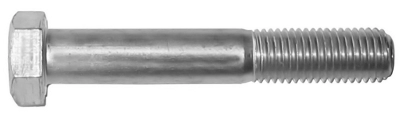
When selecting screw threads, it helps to know the main standards used here in the United Kingdom and worldwide. Here’s a quick guide to the major ones:
Metric Threads (ISO Standard)
- Most common worldwide, especially outside the United Kingdom.
- Defined by pitch (distance between threads) and diameter
- Comes in coarse (fast assembly, stronger) and fine (better grip, good for vibration resistance) versions
Unified Thread Standard (UTS)
Used primarily in the United Kingdom, it has three major types:
- UNC (Unified Coarse Thread): Common in general purpose screws, easy to fasten
- UNF (Unified Fine Thread): Tighter threads for better clamping and resistance to loosening
- UNEF (Unified Extra Fine Thread): Used in precision applications and small diameter screws
British Standards
- BSW (British Standard Whitworth): Older standard with rounded thread form
- BSF (British Standard Fine): Finer pitch than BSW for better grip
- BSPP (British Standard Parallel Pipe): For sealing pipe connections without taper
- BSPT (British Standard Pipe Tapered): Common for plumbing threads where sealing by taper is needed
Other Important Standards
- NPT (National Pipe Tapered): Most common tapered pipe thread in the United Kingdom, designed to seal with thread interference
- NPTF (National Pipe Tapered Fuel): Dryseal thread for leak-free fuel and hydraulic connections
- BA (British Association): Small diameter, used mainly in electronics
Metric vs Imperial Threads Comparison Table
| Feature | Metric (ISO) | Unified (UNC/UNF) | British (BSW/BSF) |
|---|---|---|---|
| Thread Angle | 60° | 60° | 55° |
| Units | Millimeters | Inches | Inches |
| Common Uses | Worldwide machinery | U.K. machinery | British machines, pipes |
| Thread Forms | Coarse & Fine | Coarse, Fine, Extra Fine | Whitworth rounded form |
| Pipe Threads | BSPP / BSPT (U.K.) | NPT / NPTF (U.K.) | BSPP / BSPT |
Knowing these standards makes it easier to select the right screw for your project whether you’re fixing a bike, working on a car, or assembling furniture.
Specialized Screw Thread Types
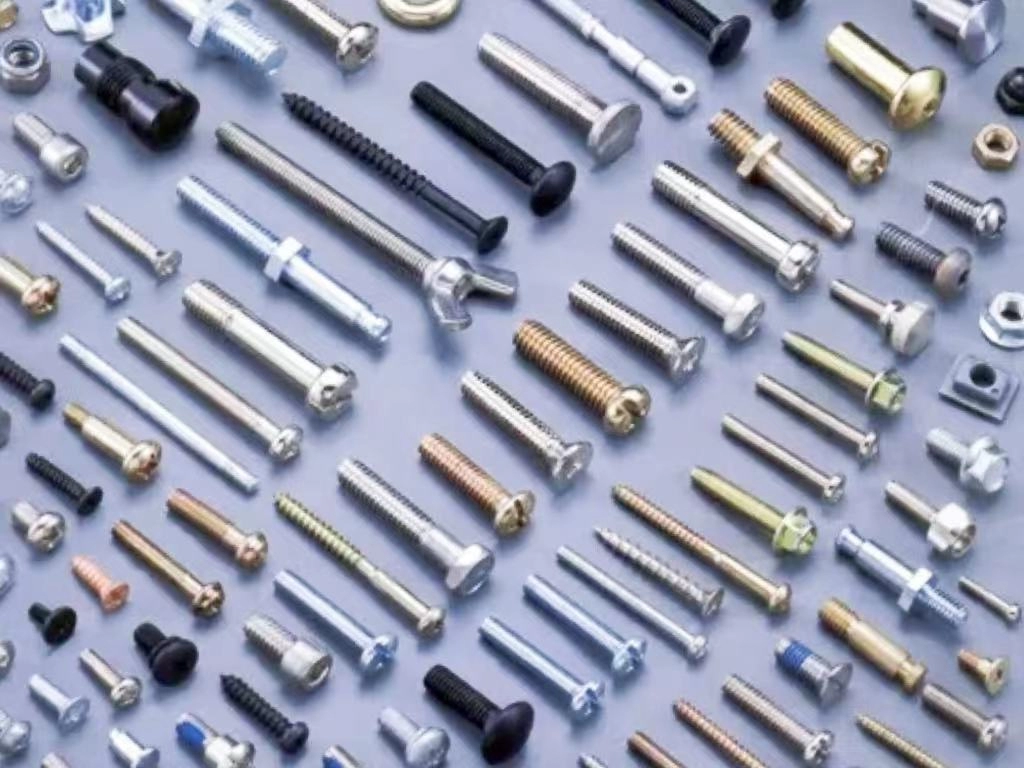
When it comes to specialised screw thread types, each form serves a unique purpose depending on strength, motion, or load requirements. Here’s a quick rundown of the main types and what they bring to the table:
- V ThreadsThe most common shape, used in everything from machine screws to bolts. They have a 60-degree flank angle and good general-purpose strength. Pros: Easy to manufacture and versatile. Cons: Not the best for transmitting heavy loads or precision linear motion.
- ACME ThreadsThese have a trapezoidal profile designed for power transmission, like lead screws in machinery. They’re smoother and stronger than V threads for linear motion. Pros: High load capacity, excellent for motion control. Cons: Slightly wider and less precise than square threads.
- Square ThreadsPerfect for converting rotary motion to linear without much friction. They’re used in jacks and heavy machinery. Pros: Highest efficiency and low wear. Cons: Difficult to manufacture and weaker in tension.
- Buttress ThreadsDesigned with one steep flank and one flat flank, ideal for high axial load in one direction, like in hydraulic presses or clamping tools. Pros: Good strength under heavy load. Cons: Only effective in one direction, more complex to produce.
- Knuckle ThreadsRounded crests and roots make these ideal for applications needing durability and resistance to dirt, like oilfield equipment. Pros: Good resistance to damage and debris. Cons: Lower load capacity than ACME or square threads.
- Other Thread FormsIncludes serrated, worm, and specialty trapezoidal shapes for niche applications.
Pros and Cons
| Thread Type | Strength | Efficiency | Use Case | Manufacturing Ease |
|---|---|---|---|---|
| V Thread | Medium | Moderate | General fasteners | Easy |
| ACME Thread | High (linear) | Good | Power screws, actuators | Moderate |
| Square Thread | Very high | Best | Heavy load, jacks | Hard |
| Buttress Thread | Very High (one direction) | Moderate | Heavy axial loads | Moderate |
| Knuckle Thread | Low to Medium | Low | Rough conditions | Moderate |
Choosing the right specialised screw thread depends on what kind of load, motion, and environment you’re dealing with. In the UK market, ACME and V threads are very common for machinery and general use due to their balance of strength and cost.
Application Specific Screw Thread Types
Screw thread types vary greatly depending on their purpose. Here’s a quick overview of common application-specific threads you’ll find in the UK:
- Woodworking Screws These usually have coarse threads for better grip in wood, plus a sharp point to start easily. The threads are often deeper and spaced wider to reduce splitting and hold tightly in soft materials.
- Machine Screws Used in metal parts and machinery where precision matters. These typically have fine threads (like UNC or UNF) for stronger holds in tapped holes and less chance of loosening due to vibration.
- Self-Tapping and Drilling Screws These screws cut their own threads as they go, ideal for metal or plastic without pre-drilling. Self-tapping screws perform well in thin materials, while self-drilling screws come with a drill-like tip to speed up installation.
- Pipe and Plumbing Threads Pipe threads like NPT (National Pipe Thread) are tapered to form a tight seal for fluids and gases. You’ll find these in plumbing and HVAC systems. NPTF threads tighten even more for leak resistance.
- High Performance Uses For heavy-duty or precision needs, specialised threads like ACME threads are common. ACME threads have a trapezoidal shape making them stronger and smoother in power transmission. They’re widely used in lead screws for machinery, jacks, and presses because they handle loads well and reduce wear.
Case Study on ACME Threads
ACME threads stand out for heavy loads and durability. In the UK, you’ll often see them in CNC machines or industrial equipment where precise motion control is essential. Compared to standard threads, ACME threads have wider and deeper thread profiles, which means better strength and less friction during operation. This makes them ideal for applications where reliability and longevity matter most.
By choosing the right screw thread type for your job—whether it’s woodworking, machinery, plumbing, or heavy-duty equipment—you ensure lasting, dependable results with less hassle down the line.
How to Identify and Measure Screw Thread Types
Correctly identifying and measuring screw thread types is key to achieving the right fit and performance. Here’s how you can do it easily:
Essential Tools
- Calipers – Great for measuring major diameter and length.
- Thread Pitch Gauge – Helps check the number of threads per inch (TPI) or millimetres per thread.
- Micrometer – Useful for precise diameter measurements, especially on small screws.
Step by Step Measuring
- Measure Major Diameter – Use callipers to measure the widest part of the thread.
- Check Pitch – Match the thread pitch to a thread pitch gauge or count threads over an inch for imperial threads.
- Determine Thread Direction – Look closely; most threads are right-hand, which tighten clockwise. Left-hand threads are less common.
- Identify Thread Type – Compare measurements against a downloadable screw thread identification chart for metric vs. imperial, UNC vs. UNF, or specialised forms like ACME.
Common Pitfalls
- Don’t guess thread pitch by eye—always use a gauge for accuracy.
- Avoid mixing up major and minor diameters.
- Watch out for worn threads causing fuzzy measurements.
Visual Identification Tips
- Metric threads often have a fine, rounded look with pitch in millimetres.
- Unified threads (UNC, UNF) have sharper profiles and pitch based on threads per inch.
- ACME threads have a trapezoidal shape, easy to spot once familiar.
Pro Tips
- Use apps or online thread matcher tools to quickly identify threads by inputting your measurements.
- Keep a printed or downloaded thread ID chart handy in your toolbox—it saves time and headache onsite.
Knowing how to measure and identify screw threads ensures you pick the right fastener every time, whether you’re dealing with woodworking screws, pipe threads, or machine bolts.
Choosing the Right Screw Thread Type
Picking the right screw thread type depends on a few key factors you want to keep in mind:
- Material: The material you’re working with affects thread choice. Softer materials like wood or plastic often need coarser threads for better grip, while metals usually benefit from finer threads to avoid stripping.
- Load: Consider how much weight or force the screw will handle. For heavy loads, threads like ACME or buttress are great because they resist shear and provide strength. Light-duty applications can use standard metric or UNC threads.
- Environment: Outdoors, high moisture, or corrosive environments call for threads with corrosion-resistant coatings or specialised profiles that prevent loosening, like fine threads or tapered designs.
- Coarse vs Fine Threads:
- Coarse threads are quicker to install, better for dirty or soft materials, and more resistant to cross-threading.
- Fine threads offer higher tensile strength, improved adjustment precision, and better resistance to loosening under vibration.
- Maintenance and Sustainability: Threads that wear easily cause rework and waste. Choose profiles and materials that last longer and are easier to maintain to reduce downtime and environmental impact.
If you’re unsure, start with common standards like metric coarse or UNC for general projects. For specialised jobs, like plumbing or heavy machinery, look into tapered threads (NPT) or ACME threads for durability.
No matter your project, choosing the right screw thread helps ensure strong holds, safety, and lasting performance. If you want to see specific product options tailored to these needs, check our selection of threaded fasteners built for the UK market.
Need help? Our screw thread identification guide and tools can make picking the perfect thread type fast and easy.
 English
  Chinese
  Spanish (Peru)
  German
  Korean
  Spanish (Spain)
  Italian