
Define hard anodised cookware and discover its durable non-stick surface, superior heat distribution, and scratch resistance for lasting kitchen performance.
The Science Behind Hard Anodising The Anodisation Process Step-by-Step Type III vs Standard Anodising Key Differences
Ever wondered what makes hard anodised cookware so tough and durable? It all starts with a special treatment called hard anodising, a process that changes aluminium’s surface to make it stronger, more resistant, and safer for cooking.
What is Hard Anodising
Hard anodising, also known as Type III anodising or hard coat anodise process, is an electrochemical method. It transforms the aluminium surface into a thick, hard oxide layer that’s:
- Scratch-proof
- Corrosion-resistant
- Heat conductive
This oxide layer bonds tightly to the aluminium, making it much tougher than standard anodising.
The Anodisation Process Step-by-Step
Here’s a quick breakdown of how hard anodising works:
| Step | Description |
|---|---|
| 1. Cleaning | Aluminium is cleaned to remove dirt and oils |
| 2. Electrolyte Bath | The metal is submerged in an acid electrolyte |
| 3. Electric Current | High voltage runs through to create the oxide |
| 4. Oxide Layer Forms | The surface grows a thick, dense protective coat |
| 5. Sealing | Pores in the oxide layer are sealed to lock it in |
Type III Hard Anodising vs Standard Anodising
| Feature | Standard Anodising (Type II) | Hard Anodising (Type III) |
|---|---|---|
| Oxide Layer Thickness | 0.5 – 3 microns | 25 – 150 microns |
| Hardness (on Mohs scale) | About 13 (still soft) | Up to 60 (super tough) |
| Durability | Moderate scratches and wear | Very scratch-resistant |
| Heat Resistance | Good | Superior for high heat cooking |
| Common Applications | Decorative, corrosion control | Heavy-duty cookware, industrial |
Hard anodised cookware uses this Type III anodising, giving you pots and pans that don’t just look great—they perform like professionals in your kitchen too.
Feeling ready to explore why this matters for your cooking? Let’s dive into the benefits next!
Top Benefits of Hard Anodised Cookware for Everyday Home Chefs
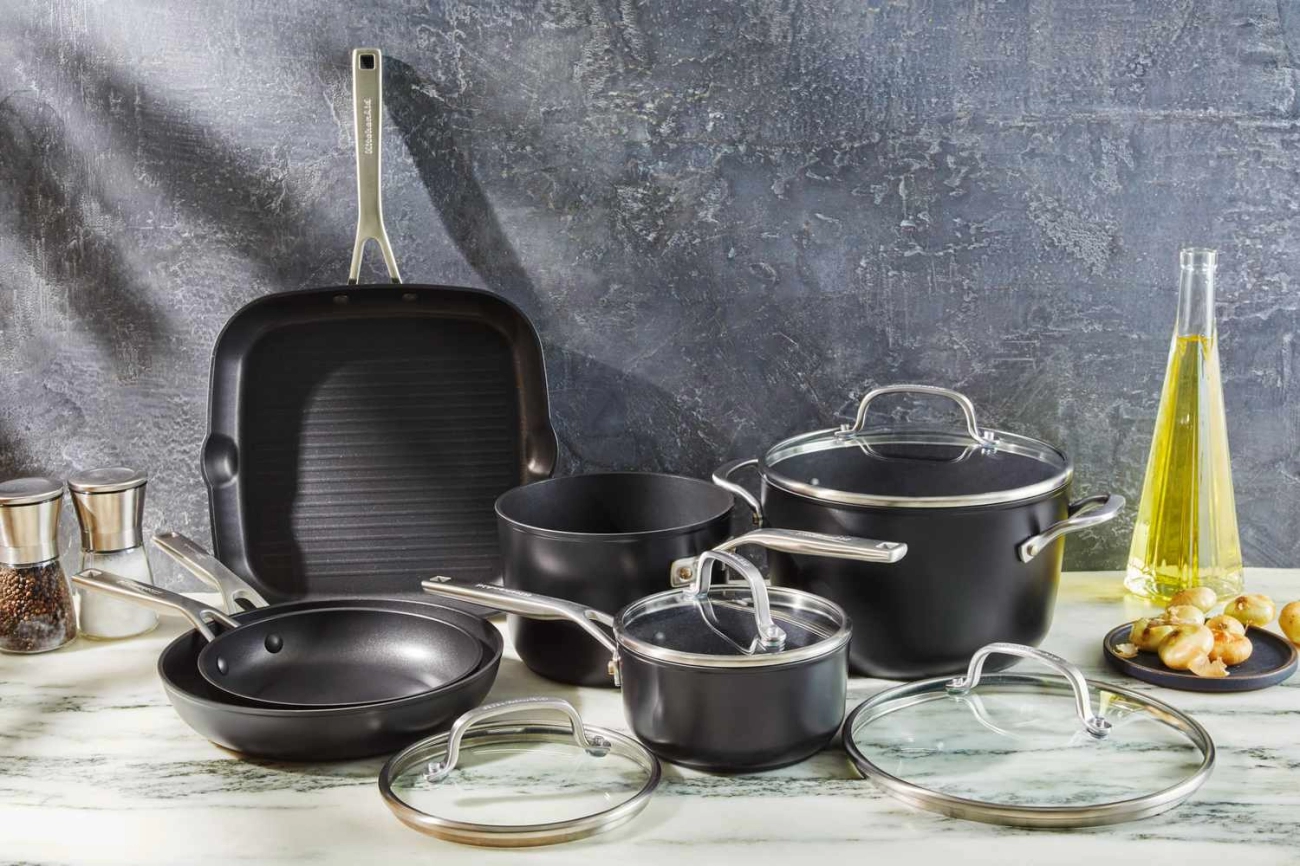
Hard anodised cookware offers several advantages that make it a favourite in home kitchens across the UK. Here’s why it stands out:
Unmatched Durability and Scratch Resistance
- Hard coat anodising process strengthens the aluminium surface, making it tough and scratch-proof.
- Resistant to dents, chips, and corrosion, so it lasts longer than standard pans.
- Ideal for busy households where cookware faces regular wear and tear.
Superior Heat Distribution and Efficiency
- Aluminium’s natural heat conductivity is enhanced by hard anodising.
- Cooks food evenly with fewer hot spots, saving time and energy.
- Oven-safe up to high temperatures for versatile cooking methods.
Natural Non-Stick and Food Safety
- The anodised layer creates a smooth, non-stick surface without chemical coatings.
- PFOA-free sets ensure safe cooking, eliminating risks tied to synthetic non-stick pans.
- Easy food release means less oil and healthier meals.
Eco-Friendly and Longevity Perks
- Made from recyclable aluminium, reducing environmental impact.
- No peeling or flaking coatings, so it stays effective through years of use.
- Worth the investment for sustainable, everyday kitchen use.
| Feature | Benefit |
|---|---|
| Scratch Resistance | Maintains smooth surface |
| Heat Distribution | Consistent cooking performance |
| Non-Toxic | Safe for family health |
| Eco-Friendly Material | Reduces waste over time |
Quick Tip Box
- Use wooden or silicone utensils to protect the surface.
- Avoid high heat when empty to preserve the coating.
- Hand wash with mild detergent to extend cookware life.
Hard anodised cookware combines durability, safety, and performance to give UK home chefs a reliable cooking partner every day. For more on cookware maintenance, check out our [Care Maintenance Guide].
Hard Anodised vs Other Cookware Which Wins for Your Kitchen
When choosing cookware, it’s all about what fits your cooking style and kitchen needs. Hard anodised stands out because it combines durability with great heat conduction, but let’s see how it compares to popular options.
Hard Anodised vs Non-Stick
Hard anodised pans come with a naturally tough, PFOA-free surface that’s more scratch-resistant than many traditional non-stick coatings. They handle metal utensils better and last longer, making them ideal if you want non-stick benefits without worrying about flaking or wear. Plus, they are usually oven safe, giving you more cooking flexibility than some non-stick options.
Hard Anodised vs Stainless Steel
Stainless steel is tough and great for searing but can be tricky with sticky foods and uneven heat distribution. Hard anodised aluminium heats more evenly and offers a harder surface that handles daily wear without denting or discolouring. If you want hassle-free cooking with less oil and easier cleanup, hard anodised might edge out stainless steel.
Hard Anodized vs Cast Iron
Cast iron offers excellent heat retention and a long-lasting seasoning, but it’s heavier and requires more care to prevent rust. Hard anodised cookware is lighter, corrosion-resistant, and doesn’t need seasoning. For everyday use in busy kitchens, hard anodised provides convenience without compromising heat performance.
Local Tie-In
Here in the UK, where busy lifestyles demand reliable and durable cookware, hard anodised pans meet the criteria for durability, non-stick performance, and easy maintenance. Brands like Vast offer hard anodised options designed with the home chef in mind—helping you cook better meals without the fuss.
If you want to explore the benefits further, check out our section on [Top Benefits of Hard Anodised Cookware for Everyday Home Chefs].
Real World Applications When and How to Use Vast Hard Anodised Cookware
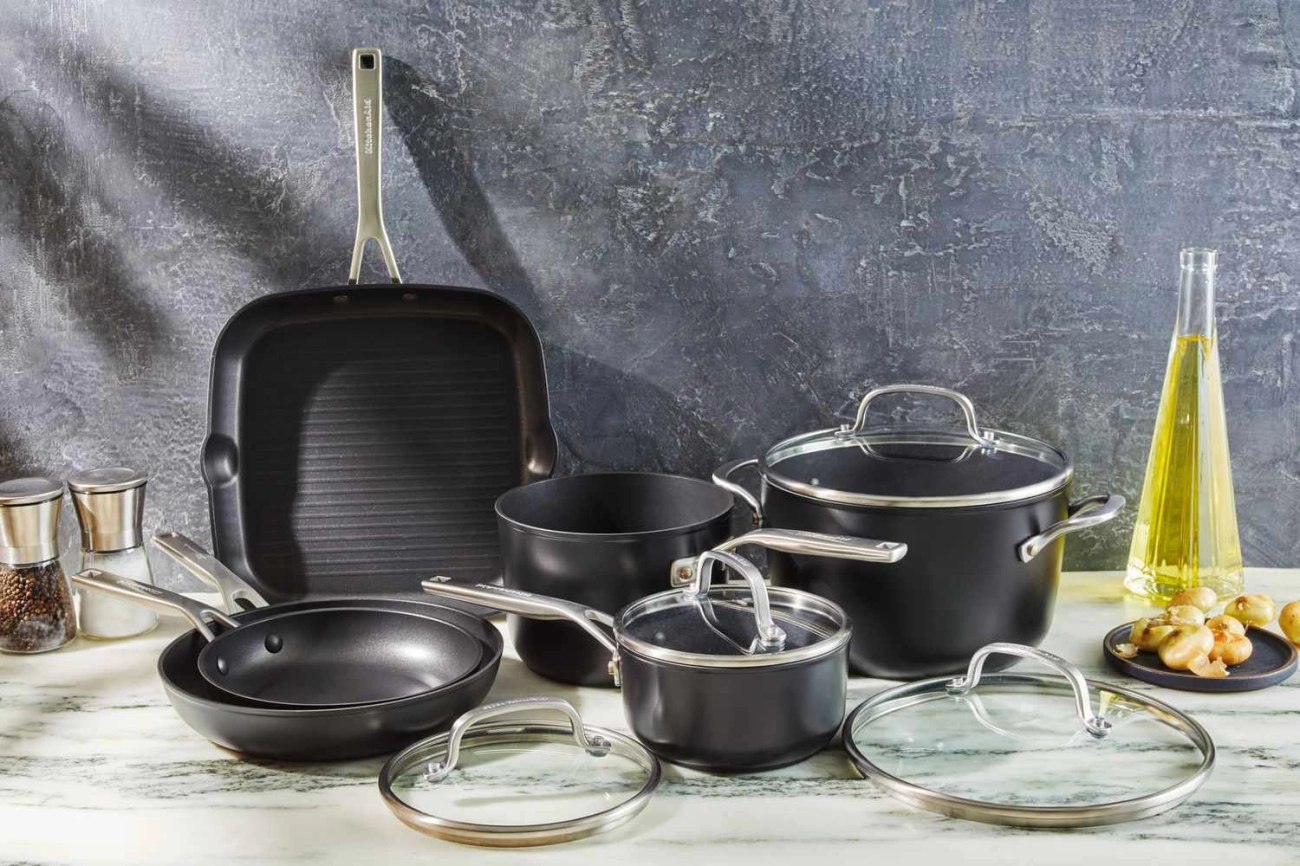
Vast hard anodised cookware is designed for everyday use in kitchens across the UK. Whether you’re preparing a quick weeknight dinner or experimenting with new recipes, these pots and pans deliver dependable performance.
Best Recipes and Techniques
- Searing and Browning: The scratch-proof surface is perfect for achieving a good sear on meats without sticking.
- Simmering and Sauces: Hard anodised pans distribute heat evenly, making them ideal for slow-cooked sauces and soups.
- Stir-Frying: Lightweight and heat-conductive, they are excellent for tossing vegetables or quick stir-fries.
- Baking in Oven: Oven-safe up to certain temperatures, you can start dishes on the hob and finish them in the oven without switching pans.
Compatibility Guide
Vast hard anodised cookware is compatible with most hobs including:
- Gas
- Electric
- Ceramic
- Induction (check specific product details)
This flexibility allows you to cook however you like without worrying about your cookware fitting your kitchen setup.
In short, Vast hard anodised cookware fits seamlessly into any UK home kitchen, making it a smart choice for everyday cooking and diverse recipes.
Care, Maintenance and Troubleshooting for Long Lasting Performance

Daily Cleaning Essentials
To keep your hard anodised cookware looking and performing great, daily cleaning is key. After cooking, let the pan cool down naturally—avoid plunging it into cold water. Use warm water with mild dish soap and a soft sponge or cloth to clean. Skip harsh scrubbers or steel wool, as they can scratch the durable anodised surface. For stuck-on food, soak the pan in warm soapy water for a bit before gently scrubbing. Hard anodised cookware is typically dishwasher safe, but hand washing helps maintain that natural non-stick finish longer.
Common Issues and Fixes
- Stubborn Stains or Discolouration: These happen sometimes, especially from high heat or acidic foods. Mix baking soda and water into a paste, apply it to the area, and gently scrub with a soft cloth. Rinse and dry thoroughly.
- Food Sticking: This might mean the natural non-stick layer needs a little help. Before cooking, warm the pan on medium heat and add a bit of oil to improve release.
- Scratches or Surface Marks: While hard anodised pans resist scratches, avoid metal utensils. Use wooden, silicone, or plastic tools instead. Minor scratches won’t hurt performance but try to avoid deeper ones.
- Warping Issues: To prevent warping, don’t overheat an empty pan. Hard anodised pots and pans handle heat well but rapid changes or super high flames can cause problems.
With the right care, your hard anodised cookware will stay durable, heat-efficient, and easy to use for years in your kitchen.
Why Choose Vast for Your Hard Anodised Cookware Needs
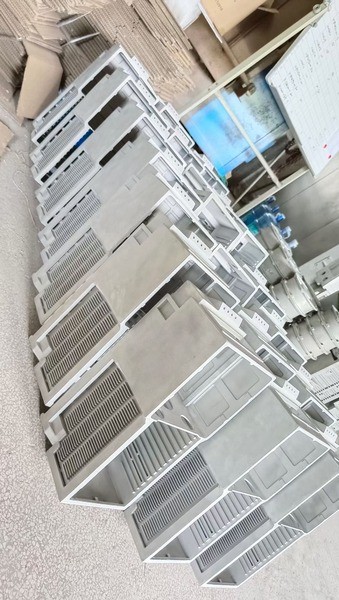
When it comes to hard anodised cookware, Vast stands out for UK home cooks who want quality, durability, and performance that lasts. We understand what local kitchens need — cookware that handles everyday use without losing its edge.
Our Commitment to Quality
- Durable Materials: We use high-grade anodised aluminium for scratch-proof, corrosion-resistant cookware.
- Advanced Hard Coat Anodise Process: Our cookware has a thicker, denser surface that resists wear and offers natural non-stick properties without harmful chemicals like PFOA.
- Oven Safe and Heat Efficient: Designed to deliver even heat across all your heat-conductive pots and pans, perfect for any cooking style.
- Eco-Friendly Production: Built to last, reducing waste and saving you money over time.
Customer Stories
| Name | Location | What They Love |
|---|---|---|
| Sarah M. | Austin, TX | “Scratch-proof pans that clean up easy and cook evenly.” |
| Mike L. | Denver, CO | “The heat distribution is perfect for my family meals.” |
| Jessica R. | Charlotte, NC | “I trust Vast’s durable cookware for everyday cooking.” |
Choosing Vast means you’re investing in cookware made with care, tested by real users, and built for British kitchens.
Frequently Asked Questions FAQs About Hard Anodised Cookware
What does hard anodised mean?
Hard anodised cookware is aluminium that’s been treated with an electrochemical process called Type III anodising. This creates a super tough, corrosion-resistant surface that’s scratch-proof and perfect for everyday cooking.
Is hard anodised cookware non-stick?
Yes, the hard anodise process gives aluminium a naturally smooth, non-stick surface without needing chemical coatings like PFOA. This makes it safer and easier to cook with.
Can I use hard anodised cookware on the stove and in the oven?
Hard anodised pots and pans are generally oven-safe up to high temperatures and work great on all common stovetops, including electric and gas.
How is hard anodised different from regular anodised cookware?
Hard anodised cookware undergoes a longer and more intense anodisation that creates a thicker, harder surface. This gives it superior durability and scratch resistance compared to standard anodised cookware.
Does hard anodised cookware require special cleaning?
It’s best to hand wash hard anodised pans with mild soap and a soft sponge. Avoid harsh abrasives or metal scrubbers to keep the surface intact and lasting longer.
Is hard anodised cookware safe?
Absolutely. It’s PFOA-free and non-reactive, meaning no harmful chemicals leach into your food. It’s a healthy choice for everyday cooking.
How long does hard anodised cookware last?
With proper care, hard anodised cookware can last many years, making it a great investment for any kitchen.
If you want to learn more about care and maintenance, check out our detailed guide on cleaning and troubleshooting hard anodised cookware.
 English
  Chinese
  Spanish (Peru)
  German
  Korean
  Spanish (Spain)
  Italian