
Learn about die cast zinc alloys used for durable precision parts featuring low melting point high strength and corrosion resistance benefits.
If you’re exploring high-precision manufacturing options, understanding die cast zinc could be a game-changer. This process uses molten zinc alloys to create complex, durable parts with unmatched efficiency and detail. Whether you’re an engineer, a manufacturer, or a hobbyist stuck choosing the right material, knowing why zinc die casting stands out for strength, cost, and versatility will elevate your projects. Ready to discover how this powerhouse method can transform your design and production? Let’s dive into the world of die cast zinc and unlock its full potential.
The Die Cast Zinc Process Step-by-Step Breakdown
Die cast zinc is a popular manufacturing method that turns molten zinc alloys into precision parts quickly and efficiently. Wondering how it works? Let’s break down the main steps clearly.
Overview
The die casting process uses a reusable mold, called a die, to shape molten zinc under high pressure. This method is ideal for creating strong, detailed, and consistent parts with excellent surface finish.
Detailed Steps
Mold Preparation
Before casting begins, the die is cleaned and treated with a lubricant to ensure smooth part release. The mold must be perfectly aligned to form the final shape accurately.
Melting and Injection
Zinc is melted at a relatively low temperature (about 750°F). This molten zinc is then injected into the die under high pressure using a hot chamber die casting machine, filling every cavity quickly to capture fine details.
Cooling and Ejection
Once injected, the part cools inside the die, solidifying rapidly thanks to zinc’s thermal properties. After cooling, the die opens, and the part is ejected carefully to avoid damage.
Post-Processing
After ejection, parts may require trimming to remove excess material, surface finishing such as plating or painting, and quality inspection to ensure they meet specifications.
Visual Aid
Think of the process like making a cookie with a detailed mold—except the dough is molten zinc and the mold shapes complex metal parts ready to use right away.
Tie-in
Understanding these steps shows why die cast zinc is loved across industries—it provides fast, cost-effective production with precise, corrosion-resistant results ideal for everything from automotive parts to electronics. Ready to dive deeper? Let’s explore the key properties next.
Key Properties and Alloys in Die Cast Zinc
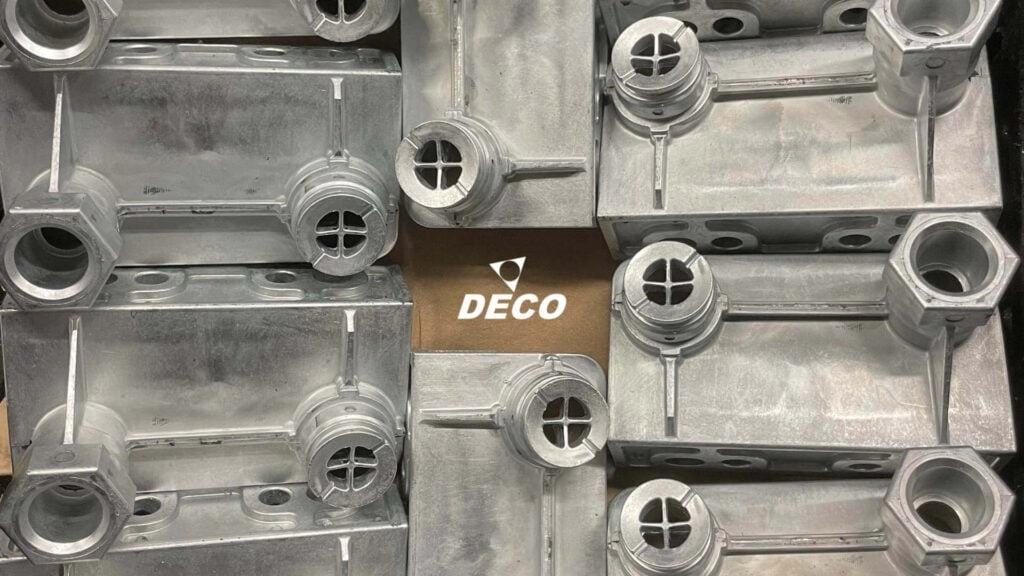
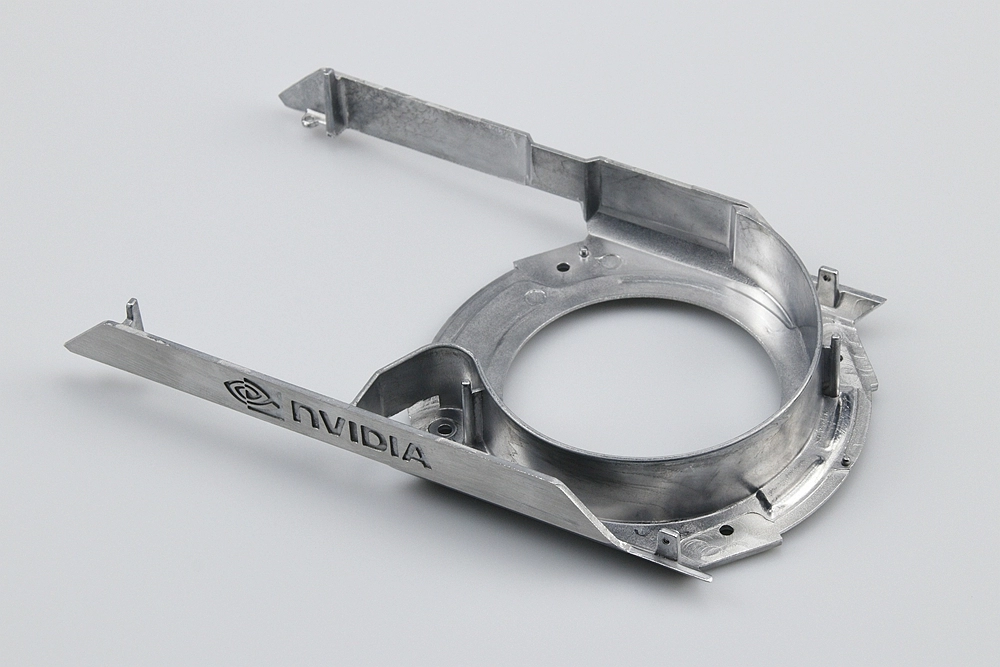
Die cast zinc is known for its excellent mechanical properties and versatility. It offers good strength and durability, making it a strong choice for parts that need to handle stress without cracking. Zinc alloys also provide a smooth surface finish, which helps with precision zinc prototypes and aesthetic parts.
When it comes to corrosion resistance, die cast zinc performs well, especially in typical environments found in the U.S. The metal naturally forms a protective layer when exposed to air, giving it an edge against rust and wear. On top of that, zinc’s thermal conductivity helps parts manage heat better, which is key in automotive zinc components and electronics.
Common Die Cast Zinc Alloys
- Zamak 3: The most widely used zinc alloy in die casting. Known for good strength, excellent corrosion resistance, and easy machinability.
- Zamak 5: Similar to Zamak 3 but offers even better strength and slightly improved creep resistance.
- Zamak 2: Offers higher strength but less corrosion resistance, used for high-wear parts.
- ZA-8 and ZA-12: Zinc-aluminum alloys with greater strength and wear resistance, used when extra durability is needed.
Properties Table for Key Zinc Alloys
| Alloy | cURL Too many subrequests. | cURL Too many subrequests. | Melting Point (°F) | Common Use |
|---|---|---|---|---|
| Zamak 3 | 40,000 | High | ~787 | Consumer goods, automotive |
| Zamak 5 | 45,000 | High | ~787 | Industrial parts, heavier loads |
| Zamak 2 | 50,000 | Moderate | ~787 | cURL Too many subrequests. |
| cURL Too many subrequests. | 70,000 | Moderate | ~842 | cURL Too many subrequests. |
cURL Too many subrequests.
cURL Too many subrequests.
cURL Too many subrequests.
cURL Too many subrequests.
cURL Too many subrequests.
cURL Too many subrequests.
Cost Efficiency
- cURL Too many subrequests. cURL Too many subrequests.
- cURL Too many subrequests. cURL Too many subrequests.
- cURL Too many subrequests. cURL Too many subrequests.
cURL Too many subrequests.
- cURL Too many subrequests.
- cURL Too many subrequests.
- cURL Too many subrequests.
cURL Too many subrequests.
- Zinc is highly recyclable with minimal quality loss.
- Reduced energy use in melting compared to heavier metals.
- Supports greener manufacturing processes, meeting US environmental standards.
Performance Edge
- Excellent corrosion resistance keeps parts lasting longer.
- Strong mechanical properties with good impact resistance.
- Good thermal conductivity suitable for electronics and automotive parts.
Manufacturers in the US rely on die cast zinc because it balances cost, design, and performance perfectly. Whether you’re making automotive zinc components or precision zinc prototypes, it’s a smart choice to keep production running smooth and efficient.
Die Cast Zinc vs Other Alloys A Head-to-Head Comparison
When it comes to choosing the right material for your project, understanding how die cast zinc stacks up against other alloys like aluminum and magnesium is key. Each has its strengths, so let’s break it down simply.
Vs Aluminum
- Weight: Aluminum is lighter, making it better for applications where weight savings are critical.
- Strength and Durability: Zinc generally offers better impact resistance and is less prone to cracking.
- cURL Too many subrequests.: Zinc parts are naturally corrosion resistant, especially in humid environments, while aluminum often needs surface treatments.
- Cost: Zinc alloys tend to be more cost-effective in tooling expenses and production, especially for complex shapes.
Vs Magnesium
- Weight: Magnesium is the lightest of the three, ideal for aerospace or portable electronics.
- Mechanical Strength: Zinc outperforms magnesium in terms of wear resistance and toughness.
- Heat Resistance: Zinc handles higher temperatures better than magnesium.
- Cost and Ease of Casting: Zinc’s lower melting point and hot chamber die casting process reduce die cast tooling costs compared to magnesium’s more challenging casting requirements.
Comparison Table: Key Properties
| Property | Die Cast Zinc | Aluminum | Magnesium |
|---|---|---|---|
| Density (g/cm³) | 6.6-7.1 | 2.7 | 1.7 |
| Tensile Strength (MPa) | 280-350 | 150-300 | 200-350 |
| cURL Too many subrequests. | High | Moderate (needs coating) | Low (prone to corrosion) |
| Melting Point (°F) | 730-820 | 1220 | 1200 |
| Cost Efficiency | High (lower tooling) | Moderate | Lower (higher tooling) |
| cURL Too many subrequests. | Excellent | Good | Moderate |
Decision Framework
- Choose die cast zinc when you need strong, durable parts with good corrosion resistance, tight tolerances, and cost-effective tooling in the U.S. market.
- Pick cURL Too many subrequests. cURL Too many subrequests.
- cURL Too many subrequests. cURL Too many subrequests. cURL Too many subrequests.
cURL Too many subrequests.
cURL Too many subrequests.
cURL Too many subrequests.
cURL Too many subrequests.
cURL Too many subrequests.
cURL Too many subrequests.
cURL Too many subrequests.
cURL Too many subrequests.
cURL Too many subrequests.
cURL Too many subrequests.
cURL Too many subrequests.
cURL Too many subrequests.
cURL Too many subrequests.
cURL Too many subrequests.
cURL Too many subrequests.
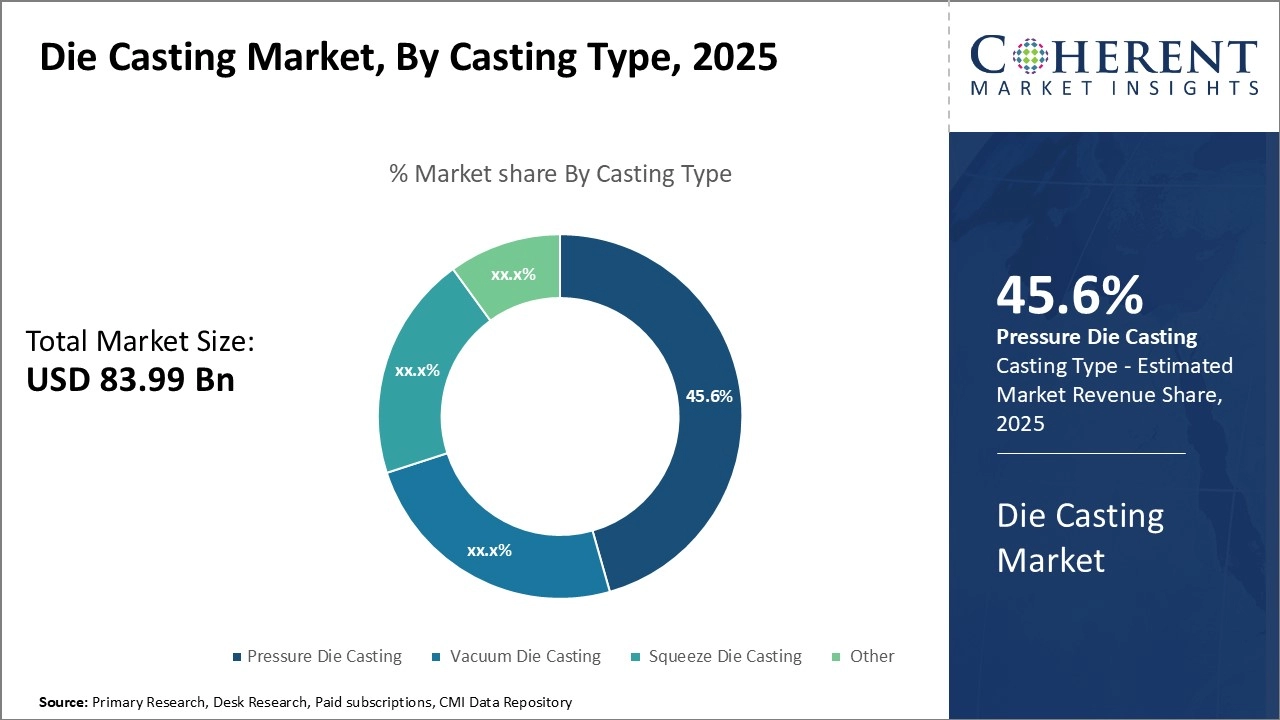
When working with die cast zinc projects here in the U.S., understanding regional sourcing trends can make a big difference in your timeline and costs. The Midwest and Southeast are strong hubs for zinc alloy die casting, thanks to their established manufacturing base and access to skilled labor. Meanwhile, the West Coast focuses more on innovation and precision zinc prototypes, often integrating cutting-edge designs with die casting.
Regional Trends
- Midwest and Southeast: Known for high-volume production, competitive die cast tooling costs, and reliable supply chains.
- West Coast: Emphasizes rapid prototyping and custom parts, often using low melting point alloys like Zamak 3 for corrosion resistant zinc parts.
- Northeast: Focuses on specialty industrial applications and automotive zinc components with strict quality controls.
Tips for Local Searches
- Use keywords like “zinc alloy die casting near me” or “precision zinc prototypes USA” to find suppliers who can offer quick lead times.
- Check if your local vendors specialize in hot chamber die casting, which is a common method for die cast zinc.
- Ask about their experience with recyclable zinc manufacturing to support sustainability goals.
- Look for suppliers that highlight “automotive zinc components” if you’re in that sector, ensuring they meet relevant industry standards.
Vasts Local Edge
At Vasts, we leverage deep U.S. industry connections to provide tailored die cast zinc solutions that match your regional needs. Our expertise helps streamline sourcing, lowering die cast tooling costs without sacrificing quality. Plus, we understand local market demands and compliance, making us a reliable partner for your zinc alloy die casting projects. Reach out to tap into a local advantage that’s as strong as the zinc parts we produce.
Elevate Your Projects with Vasts Die Cast Zinc Expertise
When it comes to die cast zinc, Vasts brings the right mix of experience, quality, and local know-how to the table. From precise zinc alloy die casting to handling custom automotive zinc components, we understand what U.S. manufacturers need. Our expertise means smoother project execution, better cost control, and parts that perform exactly as expected.
Remember, die cast zinc offers excellent design flexibility, corrosion resistance, and sustainability — making it a smart choice for industries across the board. Whether you’re after Zamak 3 properties or low melting point alloys, working with a trusted local partner like Vasts keeps your project on track.
Ready to take your project to the next level with reliable, precision die cast zinc parts? Reach out to Vasts today and discover how our expertise can help you stay ahead in the competitive U.S. market.
Vasts Die Cast Zinc Services | Precision Zinc Prototypes | Recyclable Zinc Manufacturing | Hot Chamber Die Casting | Automotive Zinc Components
Contact us now to get started!
 Spanish (Peru)
  English
  German
  Korean
  Spanish (Spain)
  Italian