
Discover the key differences between alloy steel and carbon steel including strength corrosion resistance edge retention and best uses.
What Most People Get Wrong About “Alloy vs Steel”
Many people think steel and alloy steel are completely different materials. The truth? Steel is simply iron combined with carbon, typically between 0.02% and 2.1%. This small carbon range alone defines common steel types.
Alloy steel, on the other hand, starts with that same steel base but adds other elements deliberately—like chromium (Cr), nickel (Ni), molybdenum (Mo), vanadium (V), and tungsten (W). These additions transform the steel’s properties dramatically.
In short: alloy steel is still steel, just engineered for better hardness, corrosion resistance, toughness, or wear resistance depending on the elements mixed in. It’s not “steel versus alloy steel” but rather “plain carbon steel versus alloy-enhanced steel.” Understanding this distinction is the first step to choosing the right material for your knives or tools.
Types of Steel You Actually Choose Between
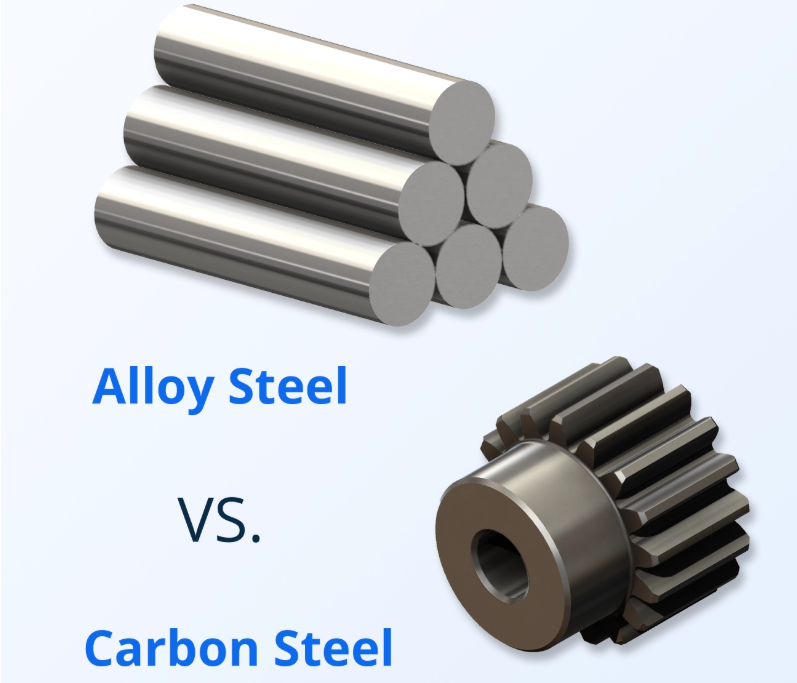
When picking steel, you’re usually dealing with one of four main categories. Here’s a quick look at the popular types and examples you’ll find most often:
| Steel Type | Common Grades | Key Traits |
|---|---|---|
| Carbon Steel | 1095, 5160, O1, W2 | High hardness, easy to sharpen, can rust without care |
| Low-Alloy Steel | 4140, 4340, 5160 (extra Mn/Cr) | Better toughness and durability than carbon steel |
| Stainless Alloy Steel | 440C, VG-10, S30V/S35VN, M390, Elmax | Corrosion resistant, great edge retention, often premium |
| Tool Steel Alloy | D2, A2, M4, CPM-3V | Built for toughness and wear resistance, used in heavy-duty tools |
Each steel offers a balance of hardness, toughness, and corrosion resistance, so your choice depends a lot on what you want your blade or tool to do. For more on how different steel treatments affect performance, check out our practical guide on durable tools and protective apparel.
Performance Deep Dive: Alloy vs Steel
When comparing alloy steel vs carbon steel, performance often comes down to key factors like hardness, toughness, corrosion resistance, and heat treatment response.
Hardness & Wear Resistance
Alloy steels generally offer higher hardness and better wear resistance thanks to elements like chromium (Cr), molybdenum (Mo), and vanadium (V). This makes them great for knives and tools that need to hold a sharp edge longer. Carbon steels, especially high carbon grades like 1095, are hard too, but they tend to wear down faster under heavy use.
Toughness & Impact Resistance
Toughness is where some carbon steels shine due to their simpler composition, which often provides better shock absorption. However, low-alloy steels with added nickel (Ni) or manganese (Mn) can deliver solid toughness while balancing hardness. Tool steels like CPM-3V are engineered to maximize toughness without sacrificing performance.
Corrosion & Stain Resistance
When it comes to resisting rust and stains, stainless alloy steels easily outperform carbon steels. The chromium content in stainless steel forms a protective layer that significantly slows corrosion. Carbon steel, by contrast, requires diligent care to avoid rust, which is a common maintenance challenge. This difference often tip the scale when choosing knives for wet or humid environments.
Heat Treatment Response
Alloy steels often respond very predictably to heat treatment, allowing for tailored hardness and toughness combinations. Vast’s in-house heat treatment protocols, for example, optimize steels like CPM-S35VN and Nitro-V to achieve peak performance beyond standard industry practices. Carbon steels also respond well but typically have a narrower heat treatment window.
Cost-to-Performance Reality Check
Carbon steel knives often cost less upfront and offer great edge retention and ease of sharpening. But alloy steels, though pricier, deliver better overall durability, corrosion resistance, and longer-lasting performance. For everyday carry or high-end tools, the improved longevity and reliability often justify the price difference.
For those interested in manufacturing precision and surface quality after heat treatment, exploring our guide on machining finish symbols and surface roughness standards can provide valuable insights into ensuring top-grade steel parts.
In , understanding these performance traits helps you pick the right steel depending on your needs — whether it’s a budget-friendly carbon steel blade or a premium alloy steel tool built to last.
Real-World Applications – When to Pick Each
Choosing between alloy steel vs carbon steel comes down to what you need your knife or tool to do in real life.
cURL Too many subrequests.
- cURL Too many subrequests.
- cURL Too many subrequests.
- cURL Too many subrequests.
cURL Too many subrequests.
- cURL Too many subrequests.
- cURL Too many subrequests.
- cURL Too many subrequests.
- cURL Too many subrequests.
cURL Too many subrequests. cURL Too many subrequests. cURL Too many subrequests.
cURL Too many subrequests.
cURL Too many subrequests.
cURL Too many subrequests.
cURL Too many subrequests.
cURL Too many subrequests. cURL Too many subrequests..
cURL Too many subrequests.
A common myth is that carbon steel rusts instantly, but that’s not entirely true. Carbon steel can resist rust well if you clean and dry it after use, then apply a thin layer of oil. Proper care keeps it in great shape, and many users swear by its easy sharpening and excellent edge retention despite this.
On the other hand, stainless alloy steel doesn’t mean zero maintenance. While it’s more corrosion resistant due to elements like chromium, it still benefits from regular oiling and cleaning to prevent stains and keep the edge sharp. Neglecting this can lead to discoloration or reduced performance over time.
Understanding these facts helps you choose the right steel and care routine for your knives, ensuring they last and perform no matter the material. For more about keeping your tools in top shape, check out our detailed guide on hard anodizing aluminum, which covers protective treatments useful across metals.
Side-by-Side: vast Models Comparison
Here’s a quick look at how our carbon steel and alloy steel knife lineups stack up, so you can pick exactly what fits your needs.
| Feature | Carbon Steel Lineup | Alloy Steel Lineup |
|---|---|---|
| Common Types | 1095, 5160, O1, W2 | CPM-S35VN, 14C28N, Nitro-V, MagnaCut |
| cURL Too many subrequests. | Heavy-duty use, budget-friendly knives | Daily carry, premium tools, corrosion resistance |
| Edge Retention | Good, but requires frequent maintenance | Excellent, holds edge longer |
| cURL Too many subrequests. | Low; prone to rust without care | High; great for wet or humid conditions |
| Heat Treatment | Standard industry processes | Advanced in-house protocols |
| cURL Too many subrequests. | Requires oiling and drying after use | Easier to maintain, less frequent oiling |
| Price Range | More affordable | Higher upfront cost, better long-term value |
Popular Carbon Steel Models
- Heavy-duty choppers and machetes
- Budget-friendly EDC knives for simple tasks
Popular Alloy Steel Models
- Everyday carry folders featuring CPM-S35VN
- Kitchen knives made with MagnaCut and Nitro-V
- Premium tools built for harsh environments
For a detailed look at our alloy steel options and how we use specialized heat treatment protocols, check out our precision gear manufacturing guide.
Ready to pick your perfect steel? Our lineup offers options tailored for both rugged carbon steel lovers and performance-focused alloy steel users.
FAQ – Exactly What People Google About Alloy vs Steel
Is alloy steel stronger than regular steel?
Generally, yes. Alloy steel includes extra elements like chromium, nickel, and molybdenum that boost strength, toughness, and wear resistance compared to plain carbon steel. This means alloy steels often outperform regular steel in demanding tasks.
cURL Too many subrequests.
cURL Too many subrequests.
cURL Too many subrequests.
cURL Too many subrequests.
cURL Too many subrequests.
cURL Too many subrequests.
cURL Too many subrequests.
cURL Too many subrequests.
cURL Too many subrequests. cURL Too many subrequests. cURL Too many subrequests.
 Spanish (Peru)
  English
  German
  Korean
  Spanish (Spain)
  Italian