
Understanding Surface Roughness in Investment Casting
At Vast-Cast, we know that surface texture is more than just an aesthetic choice; it is a critical engineering specification that defines the performance of your precision parts. When evaluating investment casting surface finish, engineers primarily rely on specific metrics to quantify the peaks and valleys on a manufactured surface. Understanding these metrics is the first step to ensuring your components meet the rigorous demands of industries like automotive, medical, and marine sectors.
Core Concepts: Ra vs. RMS
To communicate surface quality effectively, we use standardized measurements. The two most common parameters you will encounter in our technical specifications are Ra cURL Too many subrequests. RMS.
- Ra (Arithmetic Average Roughness): This is the globally accepted standard for quantifying surface texture. It represents the arithmetic average of the absolute values of the profile height deviations from the mean line. In simple terms, it tells us the average variation of the surface.
- cURL Too many subrequests. While less common in modern ISO standards, RMS is still used in certain legacy aerospace and military specifications. It calculates the square root of the mean of the squares of the profile height deviations.
Conversion Insight:
If your drawings use older RMS values, you can generally estimate the conversion. Typically, RMS is approximately 1.1 times the Ra value. For example, an Ra of 1.6 μm roughly correlates to an RMS of 1.76 μm.
Why Surface Finish Matters
Achieving the correct investment casting surface roughness is vital for the functionality of the final component. A superior finish directly impacts:
- Friction & Wear: Smoother surfaces reduce friction in moving parts, extending the lifespan of machinery components.
- cURL Too many subrequests. In our marine and chemical processing hardware, rough surfaces can trap corrosive agents. A lower Ra value enhances the natural corrosion resistance of stainless steel and titanium alloys.
- Sealing Performance: For pump and valve components, a precise surface finish is non-negotiable to ensure tight seals and prevent leakage.
- Fatigue Life: Surface irregularities can act as stress concentrators, potentially leading to premature fatigue failure under cyclic loading.
Industry Norms and As-Cast Ranges
We adhere to strict international standards, including ANSI/ASME B46.1, to ensure consistency across our production lines. While sand casting might yield rougher textures, the lost wax casting surface quality is significantly superior.
Typical As-Cast Standards:
- Standard Range: 1.6–3.2 μm Ra (63–125 μin).
- Precision Capability: With optimized process controls, we can achieve finer finishes depending on the alloy and geometry.
By starting with a high-quality as-cast finish, we reduce the need for aggressive secondary machining, saving you time and production costs while maintaining tight dimensional tolerances.
Typical Surface Finish Achieved in Investment Casting
When we talk about investment casting surface finish, we are looking at a significant upgrade over rougher methods like sand casting. At Vast-Cast, our standard lost wax process typically yields an as-cast surface finish that is smooth enough for many functional applications without the need for extensive secondary machining.
Here is the breakdown of the surface roughness values we consistently deliver:
- Standard Finish: cURL Too many subrequests. cURL Too many subrequests. cURL Too many subrequests. cURL Too many subrequests..
- cURL Too many subrequests. cURL Too many subrequests. cURL Too many subrequests. cURL Too many subrequests. cURL Too many subrequests..
- cURL Too many subrequests. cURL Too many subrequests. cURL Too many subrequests. cURL Too many subrequests.
cURL Too many subrequests. cURL Too many subrequests. cURL Too many subrequests.
cURL Too many subrequests.
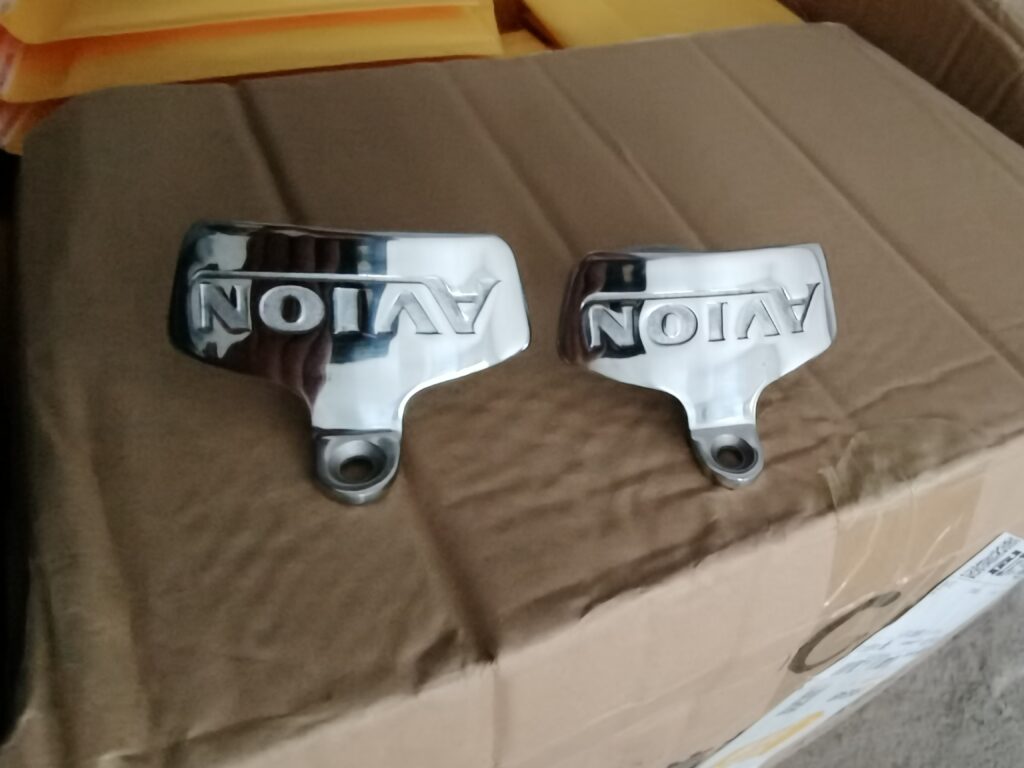
cURL Too many subrequests. investment casting surface finish cURL Too many subrequests.
Wax Pattern Precision and Polished Dies
The quality of the final metal part is directly tied to the quality of the wax pattern. We start with high-grade aluminum dies that are machined and polished to a mirror-like finish. When we inject the wax, it captures that smooth texture perfectly. If the tooling is flawed, the casting will be too. We maintain strict control over the wax injection temperature and pressure to ensure the pattern is dimensionally stable and free of surface defects.
Ceramic Shell Construction
The secret to a smooth finish lies in the shell building phase.
- The Face Coat: The very first layer of ceramic slurry applied to the wax pattern is crucial. We use a fine-grain zircon sand and a high-quality binder. This fine particle size ensures that the mold surface touching the metal is incredibly smooth.
- Layering: Subsequent layers use coarser sands to build strength, but that initial face coat acts as a high-definition barrier.
Silica Sol vs. Water Glass
We strongly advocate for the cURL Too many subrequests. over the older water glass process. While water glass is cheaper, it typically yields a rougher surface (around Ra 6.3–12.5 μm). Silica sol uses a colloidal silica binder that provides a much finer surface texture, consistently hitting lost wax casting surface quality standards of Ra 1.6–3.2 μm. This difference is massive when you need parts that look professional and function smoothly without extensive polishing.
Controlled Processing to Prevent Defects
Finally, we meticulously control the dewaxing and firing stages. Rapid temperature changes can crack the shell, leading to fins or rough spots on the metal. By managing the firing schedule and pouring the molten metal in a vacuum or controlled atmosphere, we minimize oxidation and gas porosity. This high level of as-cast precision often eliminates the need for heavy roughing cuts, leaving only necessary finishing steps like determining the right spotface vs. counterbore differences for your assembly requirements.
Surface Finish Comparison: Investment Casting vs. Other Methods
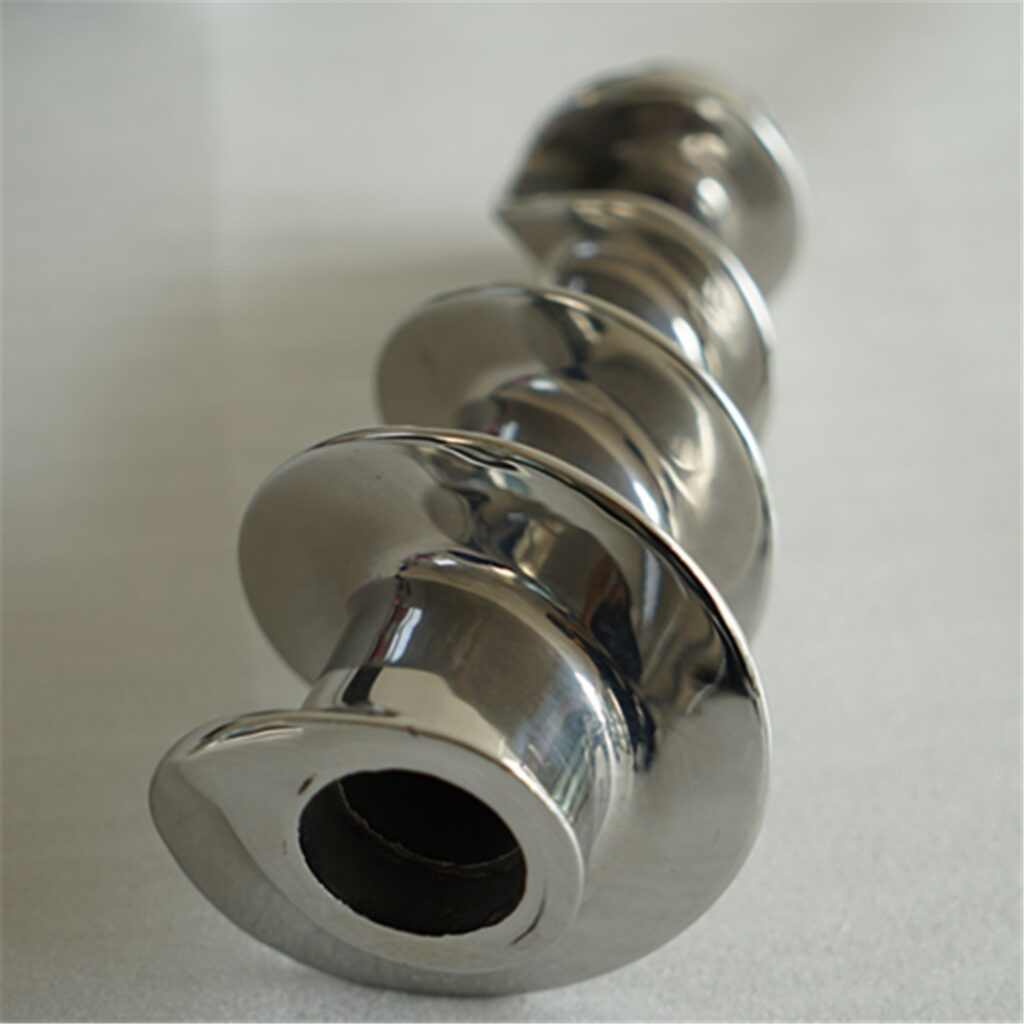
When selecting a manufacturing process, the investment casting surface finish often provides the best balance between precision, aesthetic quality, and material versatility. Unlike rougher methods, our lost-wax process delivers a superior “as-cast” surface that minimizes the need for aggressive post-processing.
Investment Casting vs. Sand Casting Finish
The difference between these two methods is stark. Sand casting typically yields a rough, granular texture with an Ra value exceeding 6.4 μm (250 μin). This often requires substantial machining stock to clean up.
In contrast, our investment casting process standardizes around 1.6–3.2 μm Ra (63–125 μin). By using fine ceramic slurries rather than coarse sand, we produce parts that are smoother and more detailed. This makes investment casting the clear winner for components where surface integrity and visual appeal matter.
Comparison with Die Casting
Die casting produces very smooth surfaces, often matching or beating investment casting. However, it is strictly limited to low-melting-point non-ferrous metals like aluminum and zinc.
If your project requires the strength and heat resistance of stainless steel, titanium, or high-temperature alloys, cURL Too many subrequests. is the only method that delivers high surface quality without the material limitations of die casting.
Surface Finish Comparison Table
| Casting Method | Typical As-Cast Ra (μm) | Material Suitability | Primary Advantage |
|---|---|---|---|
| Investment Casting | 1.6 – 3.2 | Steel, Titanium, Alloys | High precision, complex geometries |
| cURL Too many subrequests. | 6.4 – 12.5+ | Iron, Large Steel Parts | Low tooling cost, large scale |
| cURL Too many subrequests. | 0.8 – 1.6 | Aluminum, Zinc (Low Melt) | High speed, very smooth finish |
cURL Too many subrequests.
cURL Too many subrequests. cURL Too many subrequests. cURL Too many subrequests.
cURL Too many subrequests. cURL Too many subrequests., cURL Too many subrequests.
cURL Too many subrequests.
cURL Too many subrequests.
cURL Too many subrequests.
cURL Too many subrequests. cURL Too many subrequests. cURL Too many subrequests. cURL Too many subrequests. cURL Too many subrequests. cURL Too many subrequests. cURL Too many subrequests.
cURL Too many subrequests.
cURL Too many subrequests. shot blasting. This process is standard for both aluminum and stainless steel castings, providing a clean, matte appearance that serves as an excellent base for further coatings. We can adjust the media—using sand or beads—to control the aggressiveness of the texture based on the component’s final application.
Chemical and Electrolytic Treatments
Surface integrity goes beyond just looks; it is critical for longevity. We offer electrolytic polishing, which not only brightens the part but also enhances corrosion resistance by removing surface impurities—a crucial step for food processing and medical components. Additionally, we perform passivation to restore the protective oxide layer on stainless steel and anodizing for aluminum parts to increase wear resistance.
Advanced Protective Coatings
For components exposed to harsh environments, standard plating may not suffice. We specialize in high-performance coatings including:
- Dacromet & Geomet Coating: These provide superior anti-corrosion properties and high heat resistance, making them ideal for automotive and marine applications.
- Blackening & Black Coating: Used for both aesthetic uniformity and light corrosion protection.
- Laser Marking: We offer high-definition permanent marking for part identification and traceability.
Understanding the nuances of these finishes is vital for performance. Learning what 32 vs 125 Ra surface finish means helps our clients select the most cost-effective treatment that meets their engineering requirements without over-specifying.
Application-Specific Surface Finish Requirements
Different industries demand different things from an investment casting surface finish. It is rarely a “one-size-fits-all” situation. At Vast, we tailor the surface texture and treatment to meet the specific environment the part will live in, balancing cost with performance. Whether it is for aesthetic appeal or critical functionality, we match the finish to the application.
Marine Hardware Standards
For marine applications, corrosion resistance is the top priority. Parts like cleats, hinges, and deck hardware face constant exposure to saltwater and harsh weather.
- Target Roughness: We typically aim for an Ra value between 0.8–1.6 μm.
- Treatment: We utilize electropolishing and passivation on stainless steel grades (like 316) to maximize salt spray resistance.
- Result: A smooth, bright surface that resists pitting and rusting better than standard raw castings.
Architectural and Glass Hardware
In architecture, the casting is often a visual focal point. For glass fittings, door handles, and spider brackets, the finish must be flawless.
- Aesthetics: We apply cURL Too many subrequests. to achieve a high-gloss, reflective surface.
- cURL Too many subrequests. The surface must be free of flow lines or pitting to maintain a premium look.
Pump and Valve Components
For fluid handling, the internal surface finish directly impacts flow efficiency, while mating surfaces determine sealing performance.
- Flow Dynamics: A smoother internal finish reduces turbulence and friction.
- cURL Too many subrequests. cURL Too many subrequests. cURL Too many subrequests. cURL Too many subrequests.
cURL Too many subrequests.
cURL Too many subrequests.
- Functionality: cURL Too many subrequests. cURL Too many subrequests. cURL Too many subrequests.
- cURL Too many subrequests. cURL Too many subrequests.
cURL Too many subrequests.
| Industry | Typical Application | cURL Too many subrequests. | cURL Too many subrequests. |
|---|---|---|---|
| Marine | cURL Too many subrequests. | cURL Too many subrequests. | 0.8 – 1.6 |
| cURL Too many subrequests. | cURL Too many subrequests. | cURL Too many subrequests. | cURL Too many subrequests. |
| Pumps & Valves | Impellers, valve bodies | As-Cast / Machined Sealing Faces | 3.2 (As-Cast) |
| cURL Too many subrequests. | Brackets, engine mounts | Shot Blasting / Dacromet | 3.2 – 6.3 |
Quality Assurance and Measurement Protocols
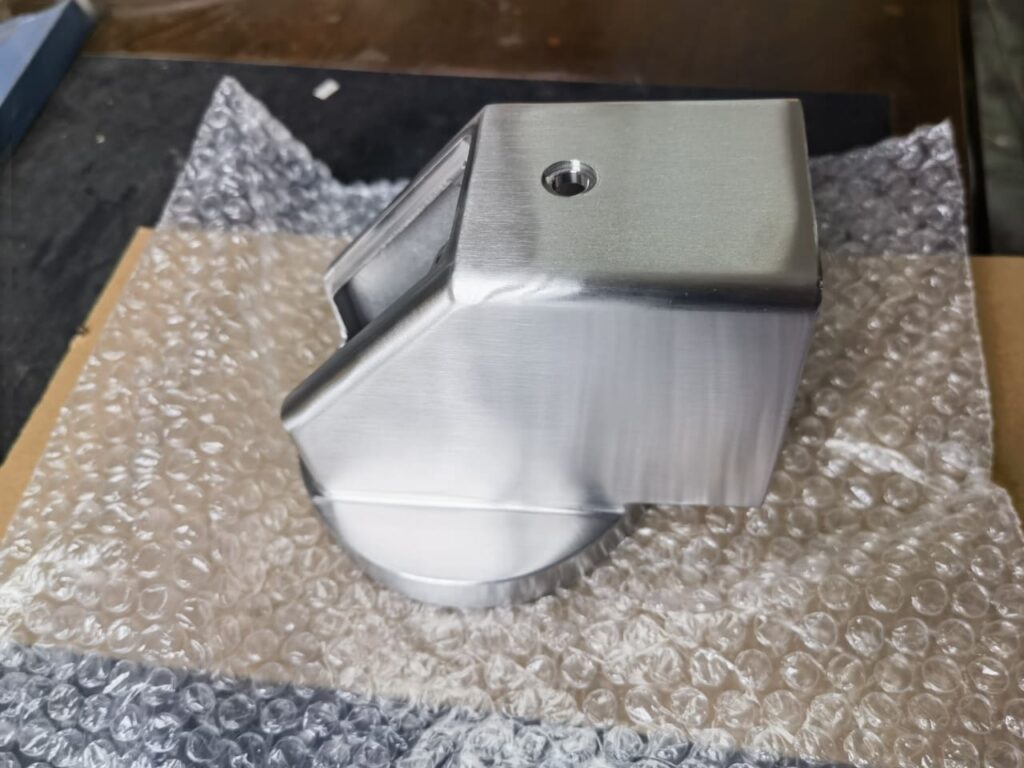
At Vast-Cast, achieving a superior investment casting surface finish is only half the battle; verifying it is where true reliability lies. We don’t leave surface integrity to chance. Our quality control process is rigorous, ensuring that the cURL Too many subrequests. and dimensional specs you requested are exactly what we deliver.
To guarantee precision down to ±0.002 mm, we utilize a suite of advanced inspection tools:
- Profilometers: We use these to strictly measure surface roughness, verifying that parts meet specific cURL Too many subrequests. standards (typically 1.6–3.2 μm as-cast or finer with polishing).
- CMM & 3D Detectors: Our Coordinate Measuring Machines ensure that the geometric tolerances hold true, even on complex thin-wall components (down to 0.020 inches).
- Visual Inspection: Trained technicians perform 100% visual checks to identify any surface defects, pits, or irregularities before parts leave the floor.
Rigorous Testing for Durability
For parts requiring enhanced corrosion resistance—such as those undergoing electropolishing cast parts or Dacromet coating—we validate performance through specific testing protocols. This includes salt spray testing to ensure coatings like Geomet and anodizing can withstand harsh marine or industrial environments.
We operate under strict ISO 9001:2015 standards, ensuring repeatability across production runs, whether it’s a single prototype or a 1,000-ton annual order. As we master the polishing process with expert steps, we simultaneously document every metric to provide full traceability for your components.
Why Choose Vast for Your Investment Casting Projects
At Vast-Cast, we leverage over two decades of industry experience to deliver more than just raw castings; we provide complete manufacturing solutions. Founded in 2003, our facility integrates precision investment casting, CNC machining, and advanced surface finishing under one roof. This one-stop manufacturing model eliminates the risks and delays associated with managing multiple vendors, ensuring that your investment casting surface finish meets the highest standards of quality and consistency.
Integrated Capabilities for Superior Results
Our process control allows us to achieve exceptional dimensional accuracy (±0.002 mm) and surface integrity directly from the mold. By delivering a superior as-cast finish, we significantly reduce the need for extensive secondary machining, which translates to lower costs and faster lead times for our clients. When precise post-casting adjustments are necessary, our in-house machining capabilities ensure exact specifications. For example, we utilize advanced techniques similar to those described in our guide to precision hole finishing to guarantee tight tolerances.
Key Advantages of Partnering with Vast-Cast:
- Rapid Turnaround: We provide solution feedback within 24 hours and deliver prototypes in as little as 4–6 weeks.
- Scalability: From single prototypes to mass production, our 1,000-ton annual capacity handles projects of any size.
- Cost Incentives: We offer free tooling for orders exceeding 1,000 pieces to support high-volume production.
- cURL Too many subrequests. cURL Too many subrequests.
cURL Too many subrequests.
cURL Too many subrequests. cURL Too many subrequests. cURL Too many subrequests.
| Feature | cURL Too many subrequests. |
|---|---|
| cURL Too many subrequests. | cURL Too many subrequests. |
| Advanced Coatings | cURL Too many subrequests. |
| Green Manufacturing | cURL Too many subrequests. |
cURL Too many subrequests. investment casting surface finish, cURL Too many subrequests.
cURL Too many subrequests.
cURL Too many subrequests.
cURL Too many subrequests. as-cast surface finish cURL Too many subrequests. cURL Too many subrequests.. cURL Too many subrequests.
How does the silica sol process improve surface roughness?
The silica sol investment casting process is superior for surface quality because it uses a binder system with extremely fine ceramic particles. When we build the ceramic shell, this fine face coat creates a much smoother mold surface compared to the coarser water glass process. This results in a casting with exceptional detail and reduced surface roughness, minimizing the need for extensive post-casting grinding or polishing.
Can investment casting eliminate the need for machining?
In many cases, yes. Investment casting is a “near-net-shape” process, meaning we produce parts that are very close to their final dimensions right out of the mold. This eliminates the need for rough machining and reduces material waste. However, for features requiring extremely tight tolerances (such as mating surfaces or threaded holes), we integrate our casting capabilities with precision tooling and CNC solutions to achieve the final specs (down to ±0.002 mm) efficiently.
What is the difference between Ra and RMS in casting specifications?
Ra (Roughness Average) cURL Too many subrequests. RMS (Root Mean Square) are both methods for calculating surface texture, but they use different formulas.
- Ra: The arithmetic average of surface heights measured from a mean line. It is the most common international standard today.
- RMS: An older standard often found on legacy US blueprints.
Mathematically, RMS values are typically about 11% higher than Ra values for the same surface profile (RMS ≈ 1.11 x Ra). We are equipped to inspect and certify parts according to whichever standard your engineering prints specify.
 Spanish (Peru)
  English
  German
  Korean
  Spanish (Spain)
  Italian