Investment Casting
High-accuracy, complex, and cost-effective castings for demanding industries.
- Home
- »
- Investment Castings
What is Investment Casting?
What is Investment Casting? | The Precision Lost Wax Casting Process
cURL Too many subrequests., also widely referred to as cURL Too many subrequests. or cURL Too many subrequests., is a premier manufacturing process used to produce metal components with exceptional detail and accuracy.
The term “investment” originates from the process of “investing” (surrounding) a wax pattern with a high-grade refractory material to create a seamless, high-strength ceramic shell.
How the Investment Casting Process Works
The precision casting method follows a series of sophisticated steps to ensure “near-net-shape” results:
Pattern Creation: A wax replica of the final part is produced.
cURL Too many subrequests. The wax pattern is “invested” in a ceramic slurry coating. Once hardened, this forms a durable heat-resistant shell.
cURL Too many subrequests. The shell is heated to melt away the wax, leaving a perfect internal cavity.
Metal Pouring: Molten metal is poured into the pre-heated mold.
Shell Removal: After cooling, the ceramic mold is removed to reveal the final, high-precision metal component.
Key Benefits: Why Choose Precision Lost Wax Casting?
Compared to traditional sand casting or die casting, the investment casting process offers distinct competitive advantages:
Complex Geometric Capabilities: Easily produces intricate designs, thin-walled sections, and complex internal passages that are impossible with other methods.
Superior Surface Finish: Delivers a smooth, professional surface (typically Ra 3.2 or better), significantly reducing the need for secondary grinding or polishing.
High Dimensional Accuracy: Maintains tight tolerances, ensuring “ready-to-assemble” parts that minimize CNC machining costs.
Material Versatility: Compatible with a vast range of alloys, including stainless steel, carbon steel, and high-temperature superalloys.
No Size Restrictions: Suitable for everything from micro-sized medical components to large-scale industrial structural parts (up to 80kg+).
Cost-Effectiveness and Efficiency
For many industries, investment casting is the most cost-effective solution. By reducing material waste and minimizing secondary processing, it provides a high-value manufacturing route for both rapid prototyping and high-volume production.
Investment Casting Process
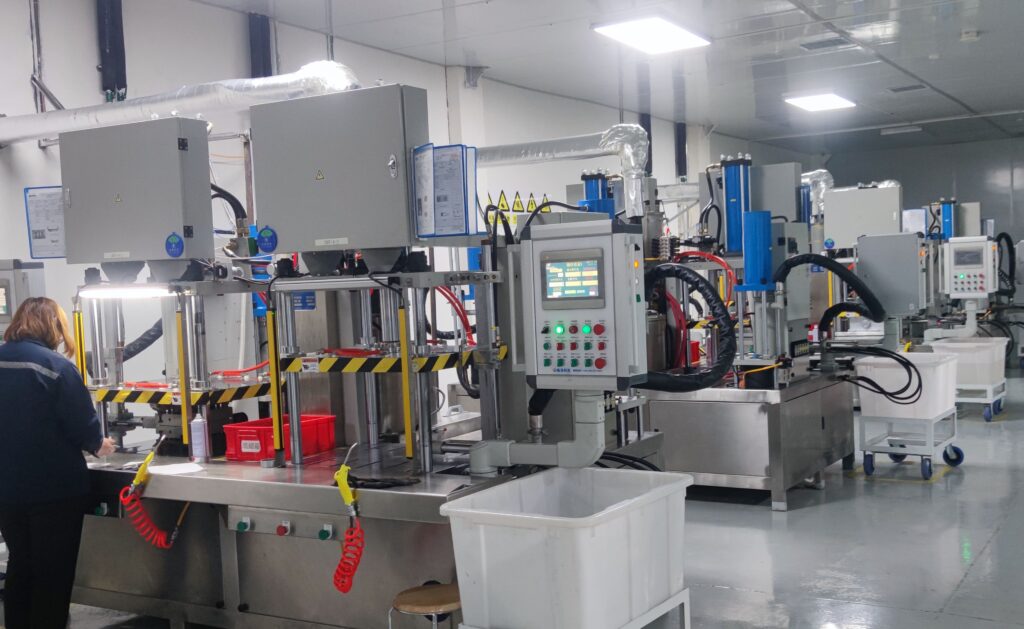
1. Wax Injection
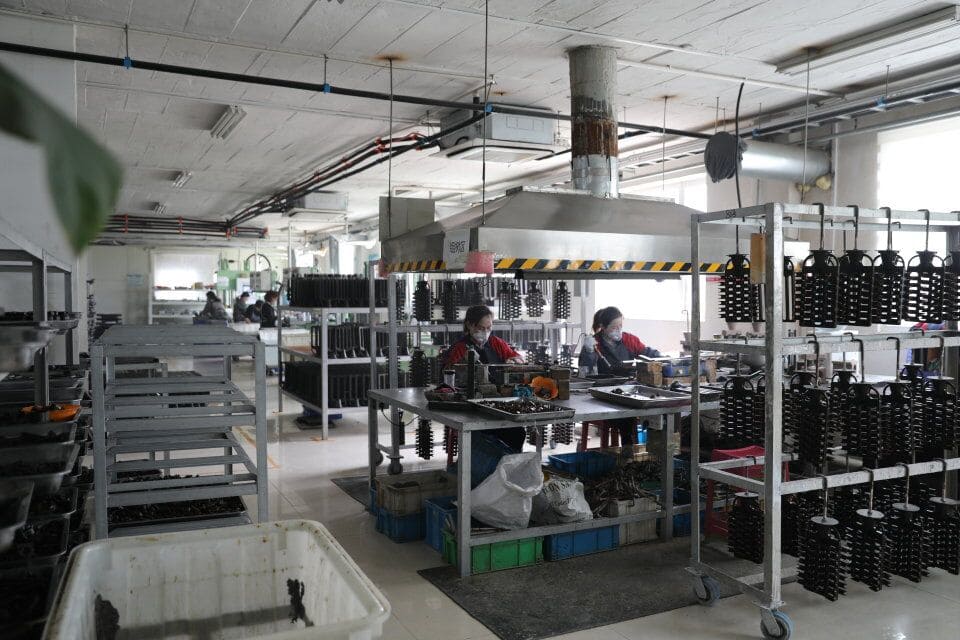
2. Pattern Assembly
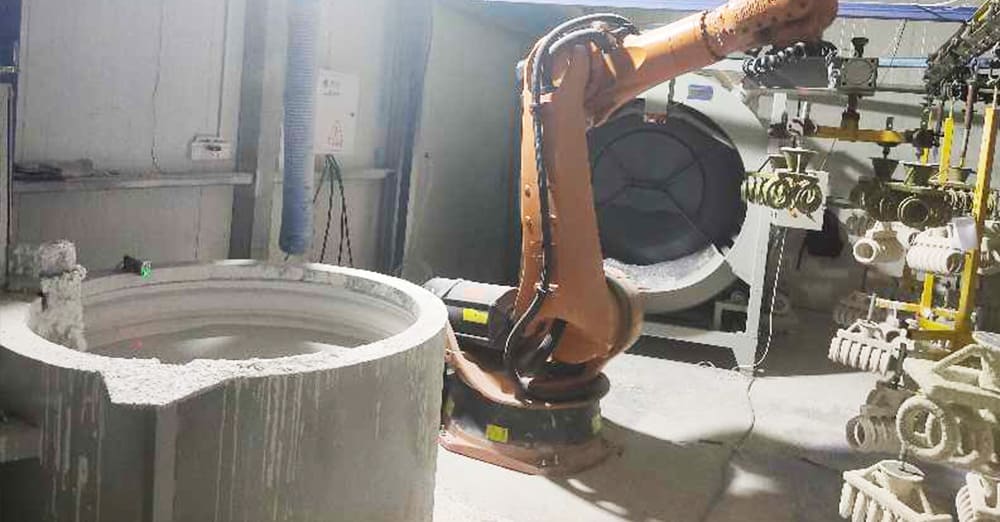
3. Shell Making
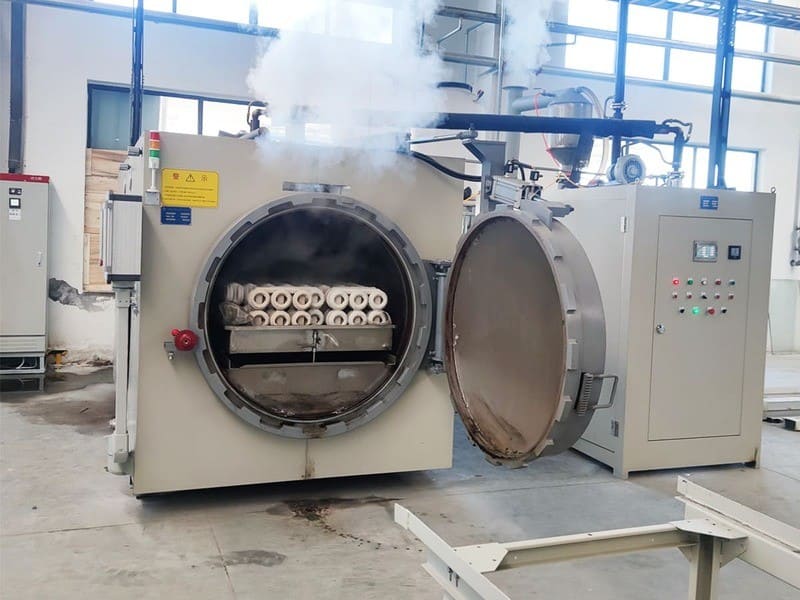
4. Dewaxing
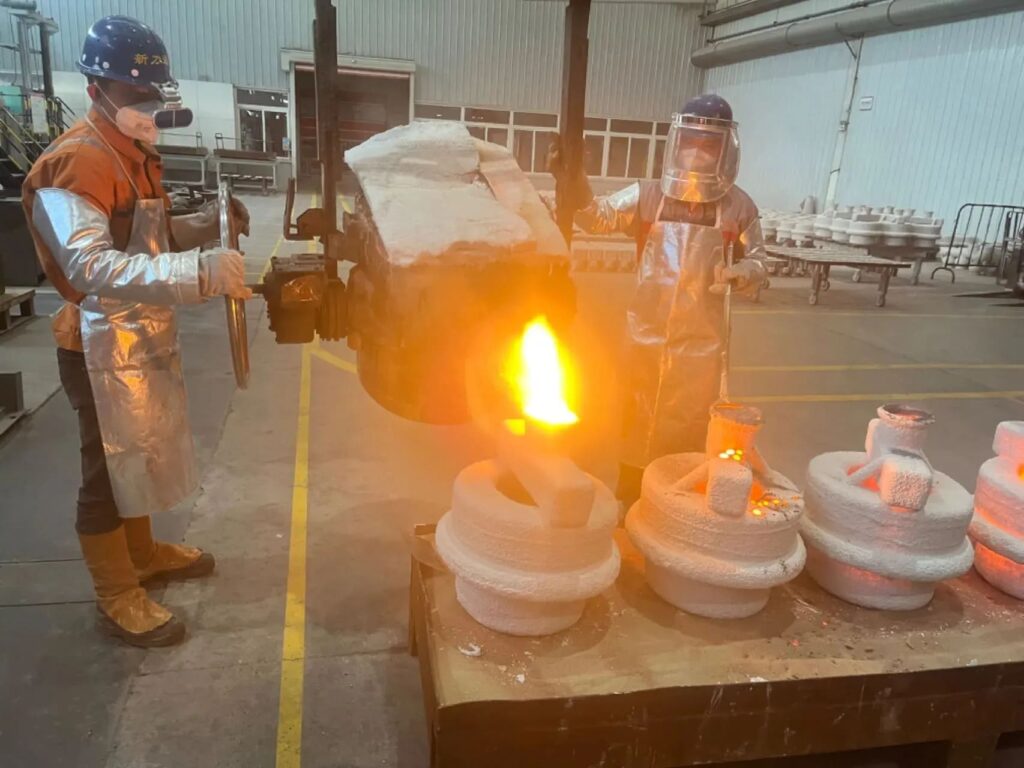
cURL Too many subrequests.
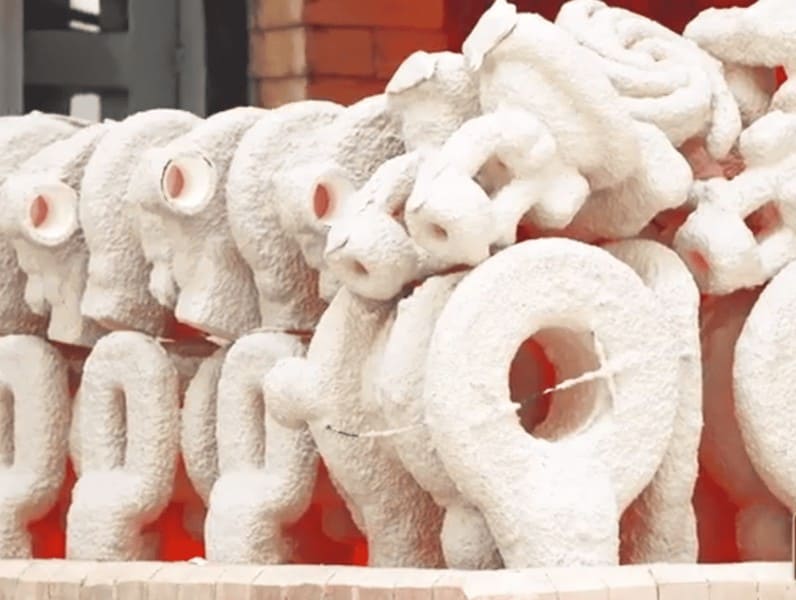
6. Roasting
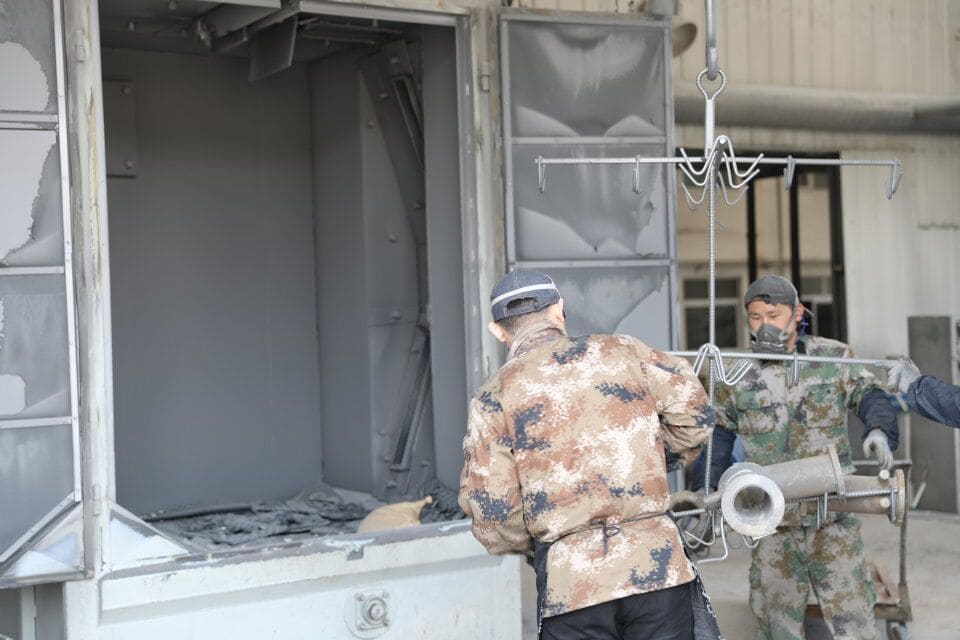
7. Sell Removal
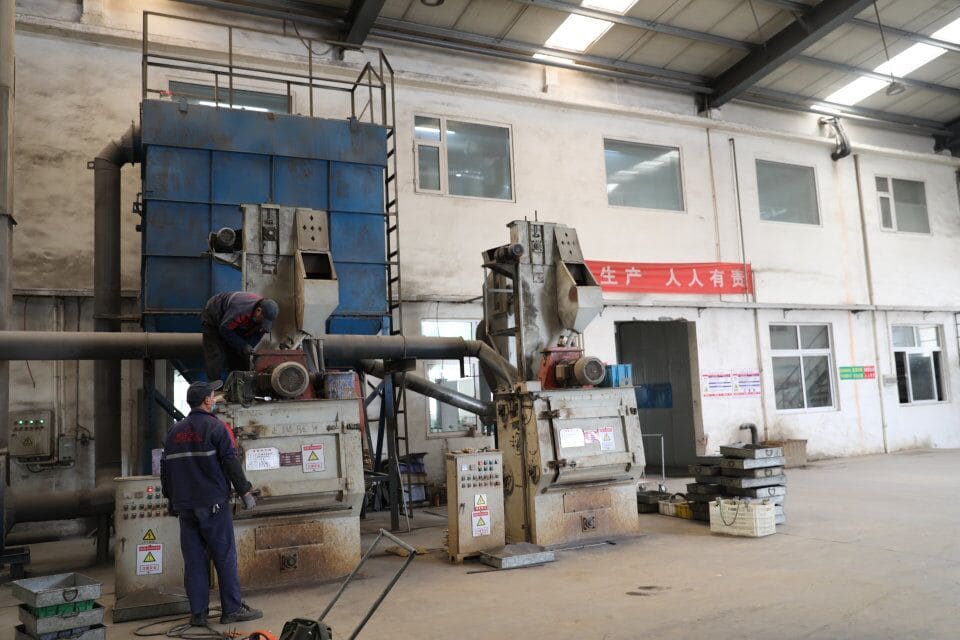
8. Shell Blasting
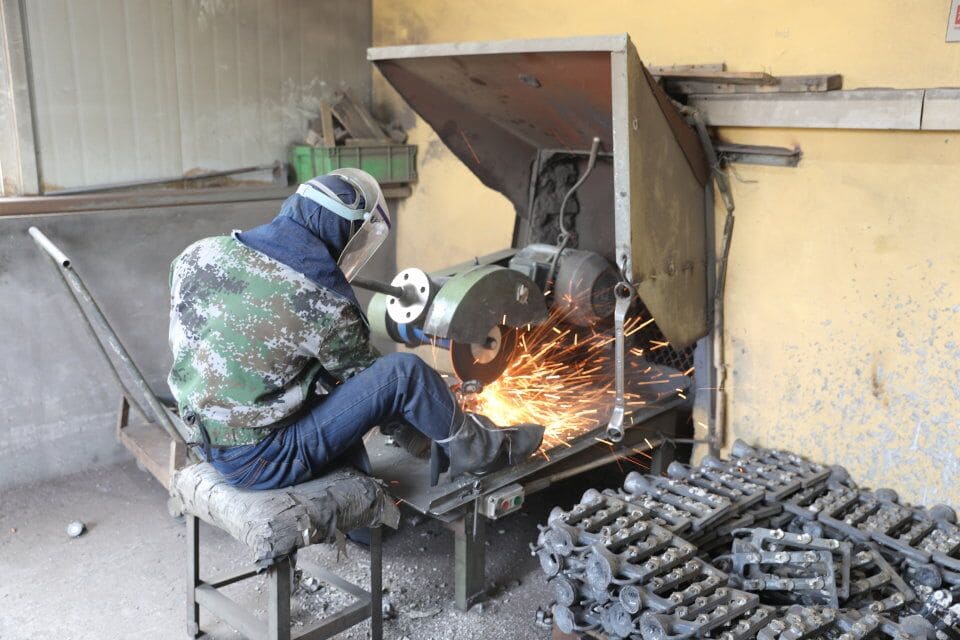
9. Casting Removal
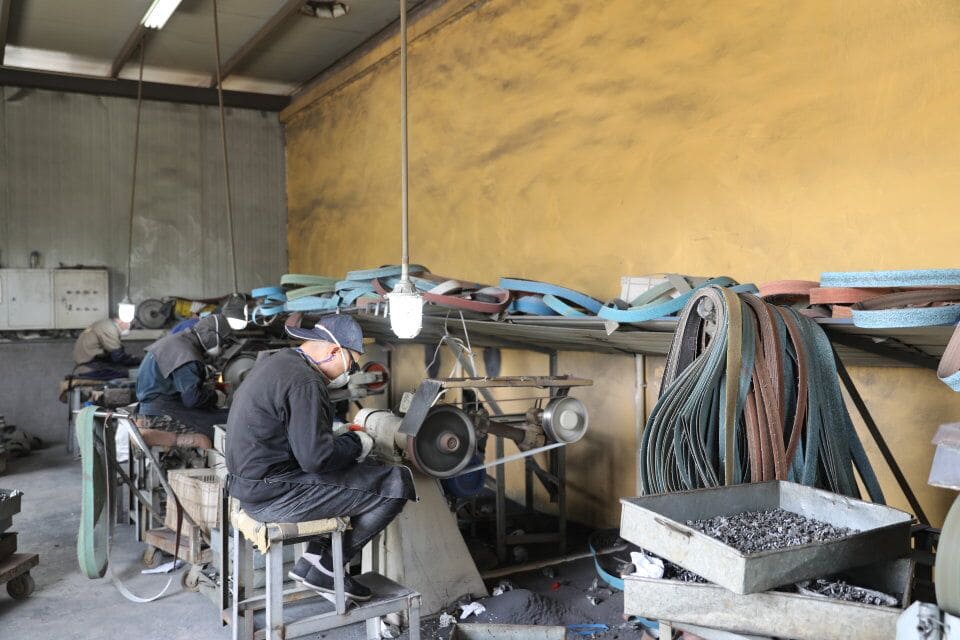
10. Finishing Operation
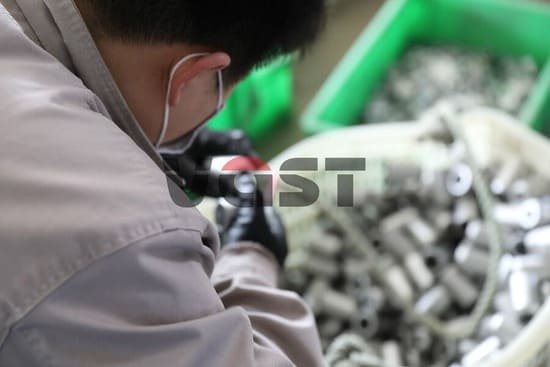
11. Inspection & repair
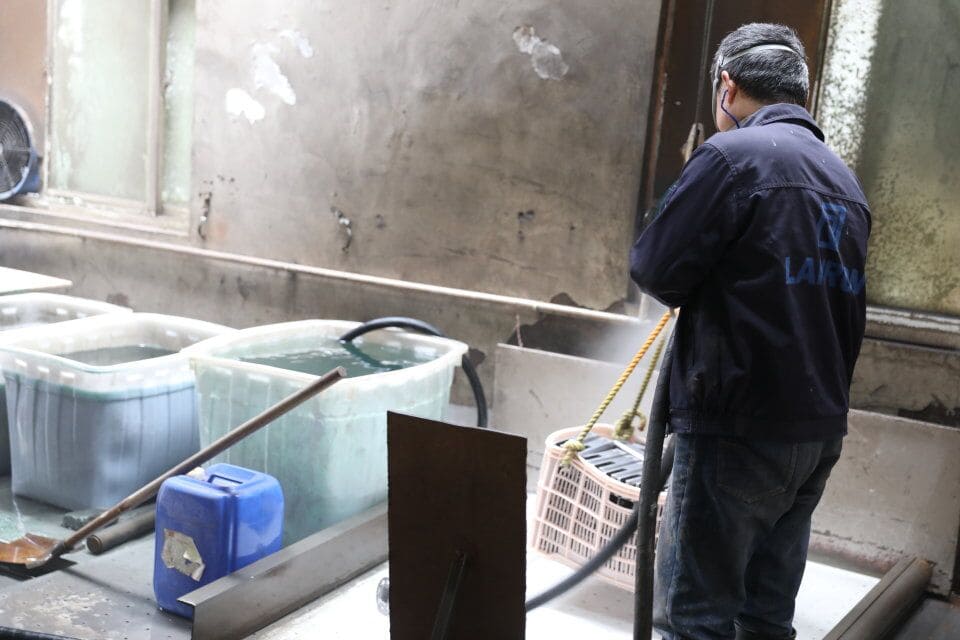
12. Picking & Passivation
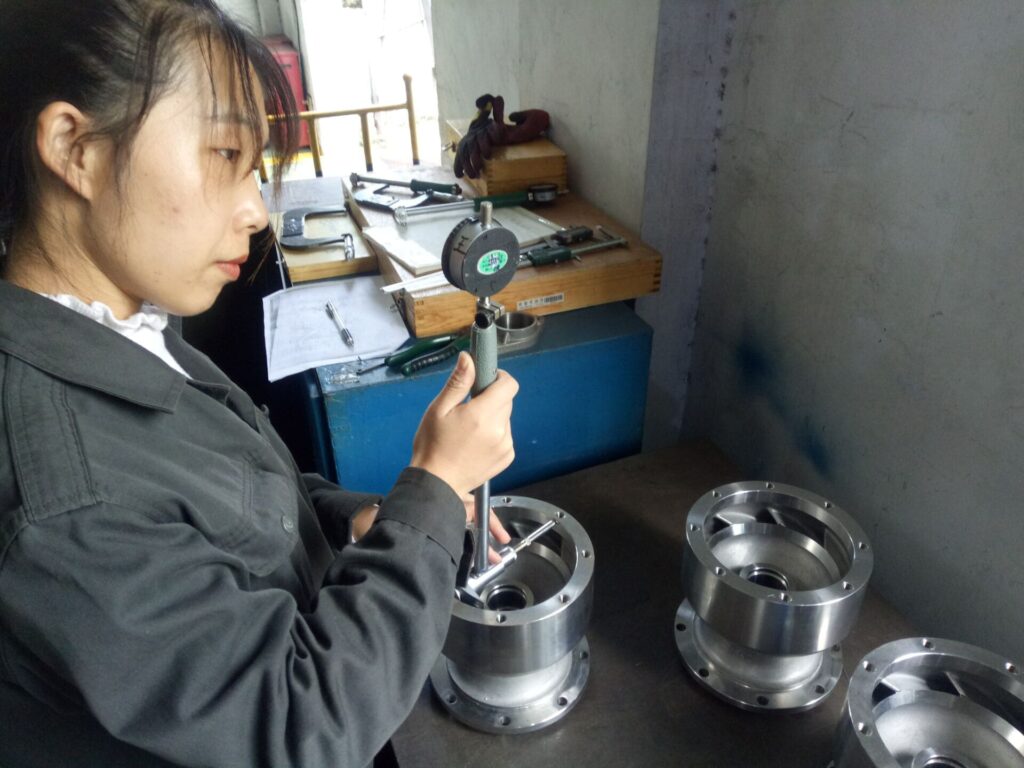
13. Timing & Mending
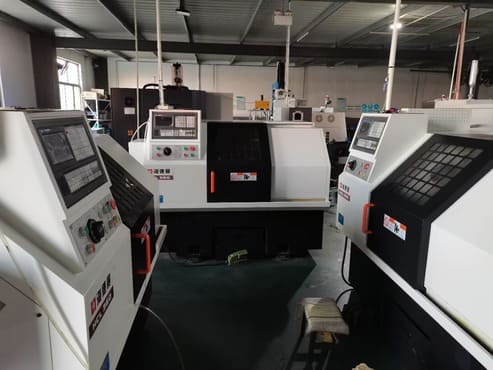
14. Machine Shop
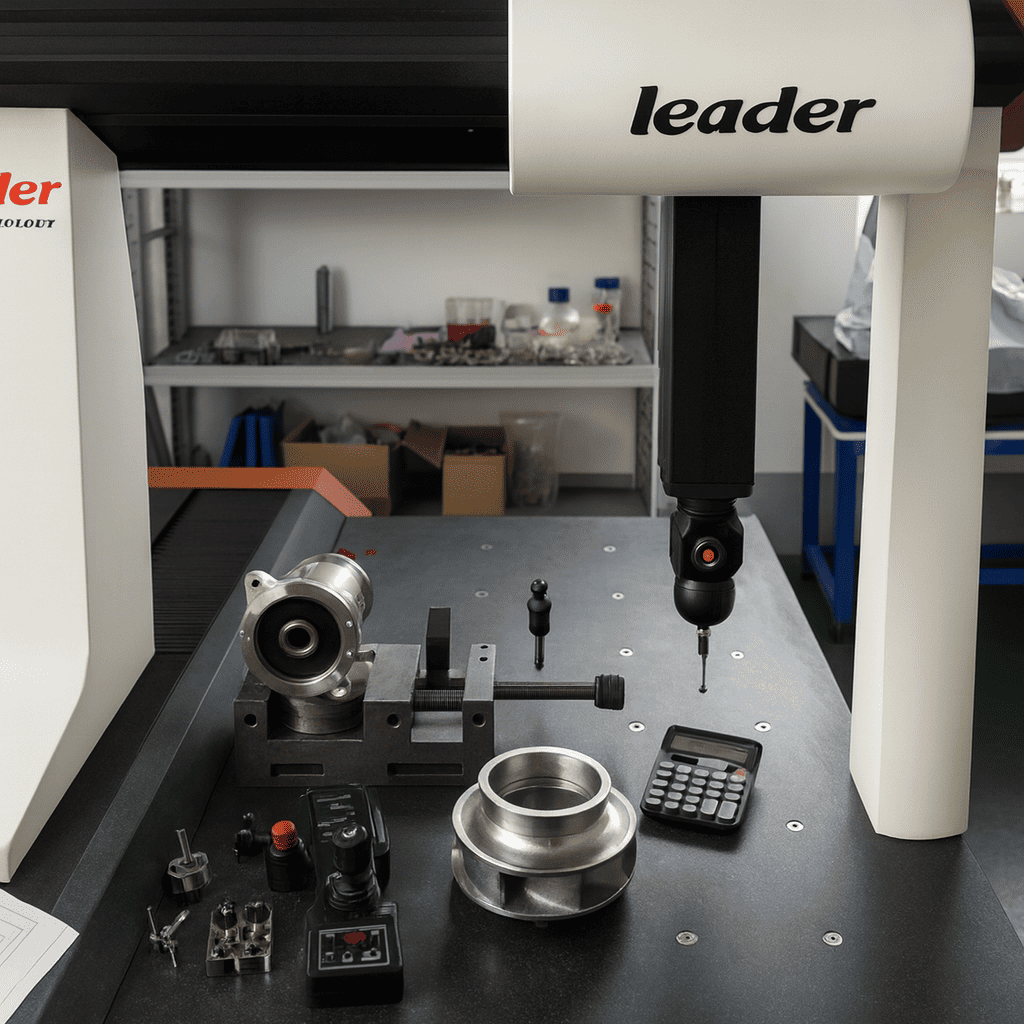
15. CMM
Materials Used in Investment Casting
Investment casting supports a wide range of materials, each chosen for specific performance needs:
Stainless Steel Casting – Excellent corrosion resistance and strength, widely applied in medical, automotive, and industrial components.
High-Temperature Alloy Casting – Designed to withstand extreme heat, ideal for aerospace, energy, and heavy-duty equipment.
Titanium Alloy Casting – Lightweight with exceptional strength and biocompatibility, suitable for aerospace and medical implants.
Alloy Steel Casting – Combines toughness, wear resistance, and cost-effectiveness, making it a versatile choice for engineering applications.
Bronze Casting – Offers superior machinability and wear resistance, commonly used in valves, pumps, and marine hardware.
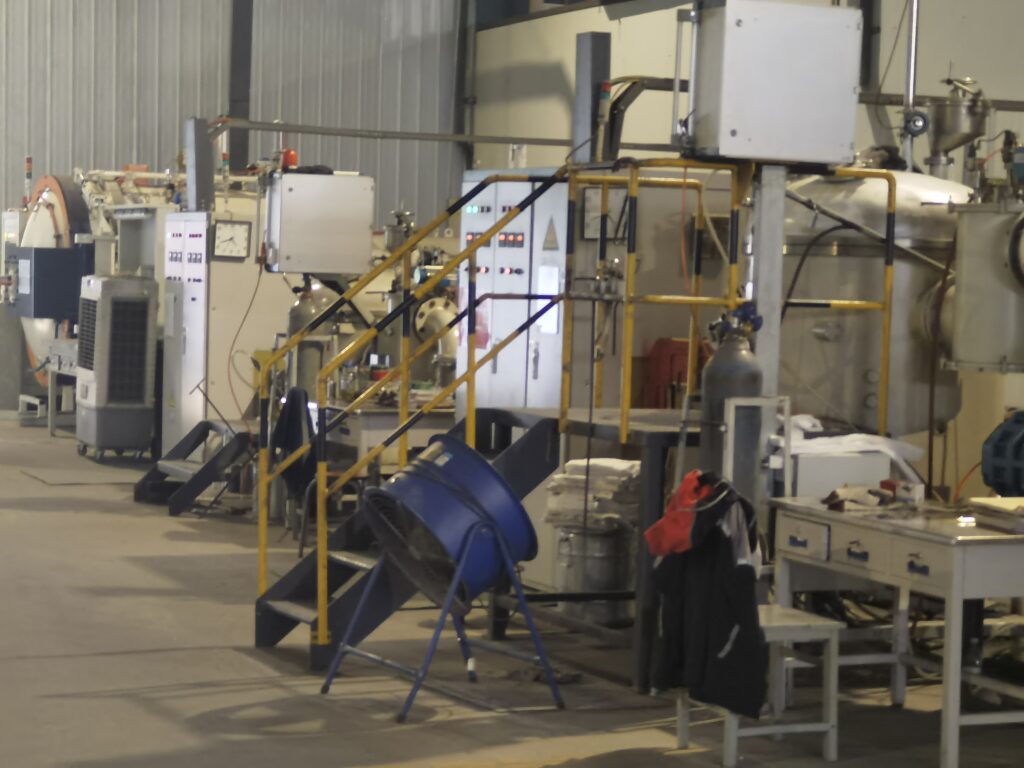
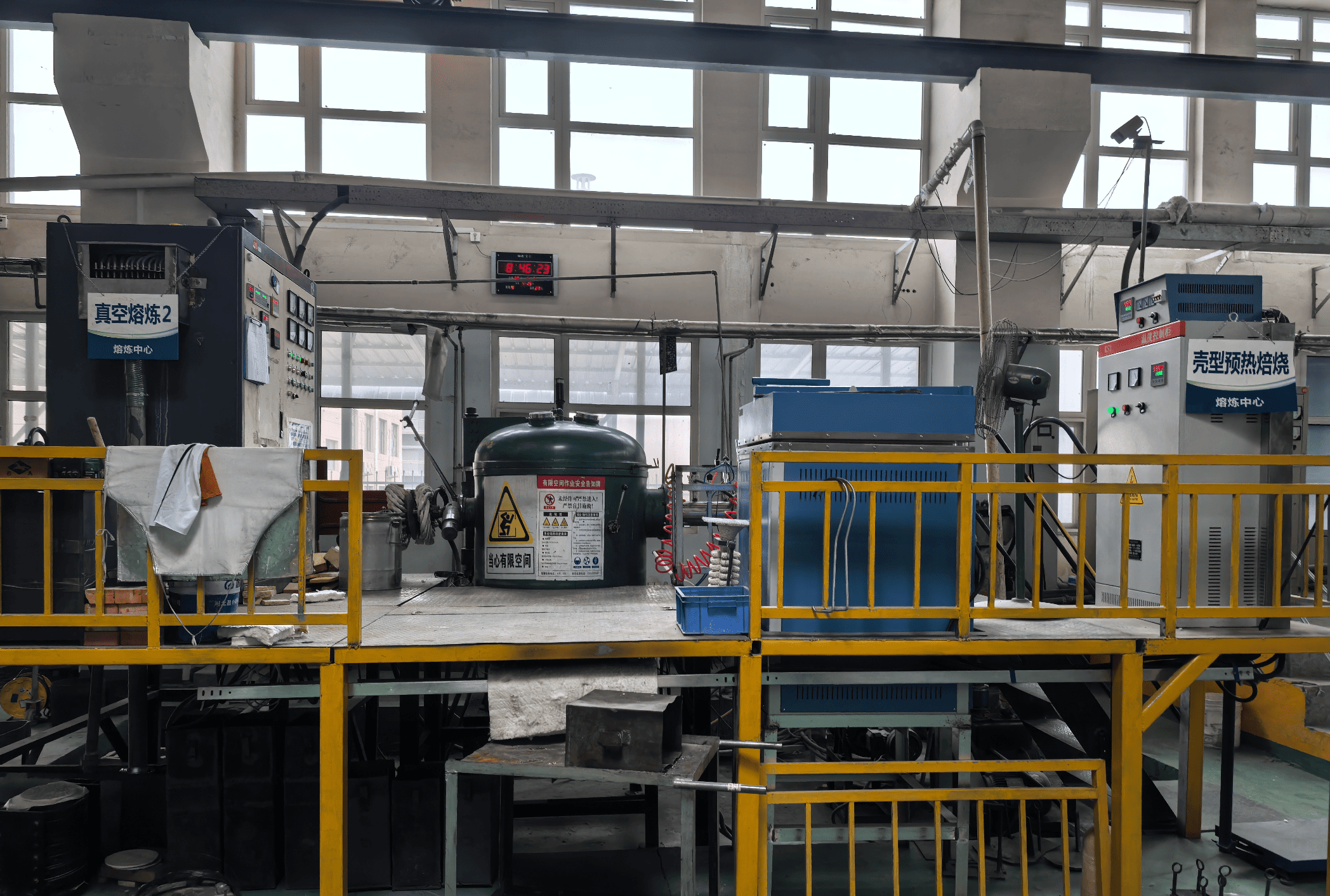
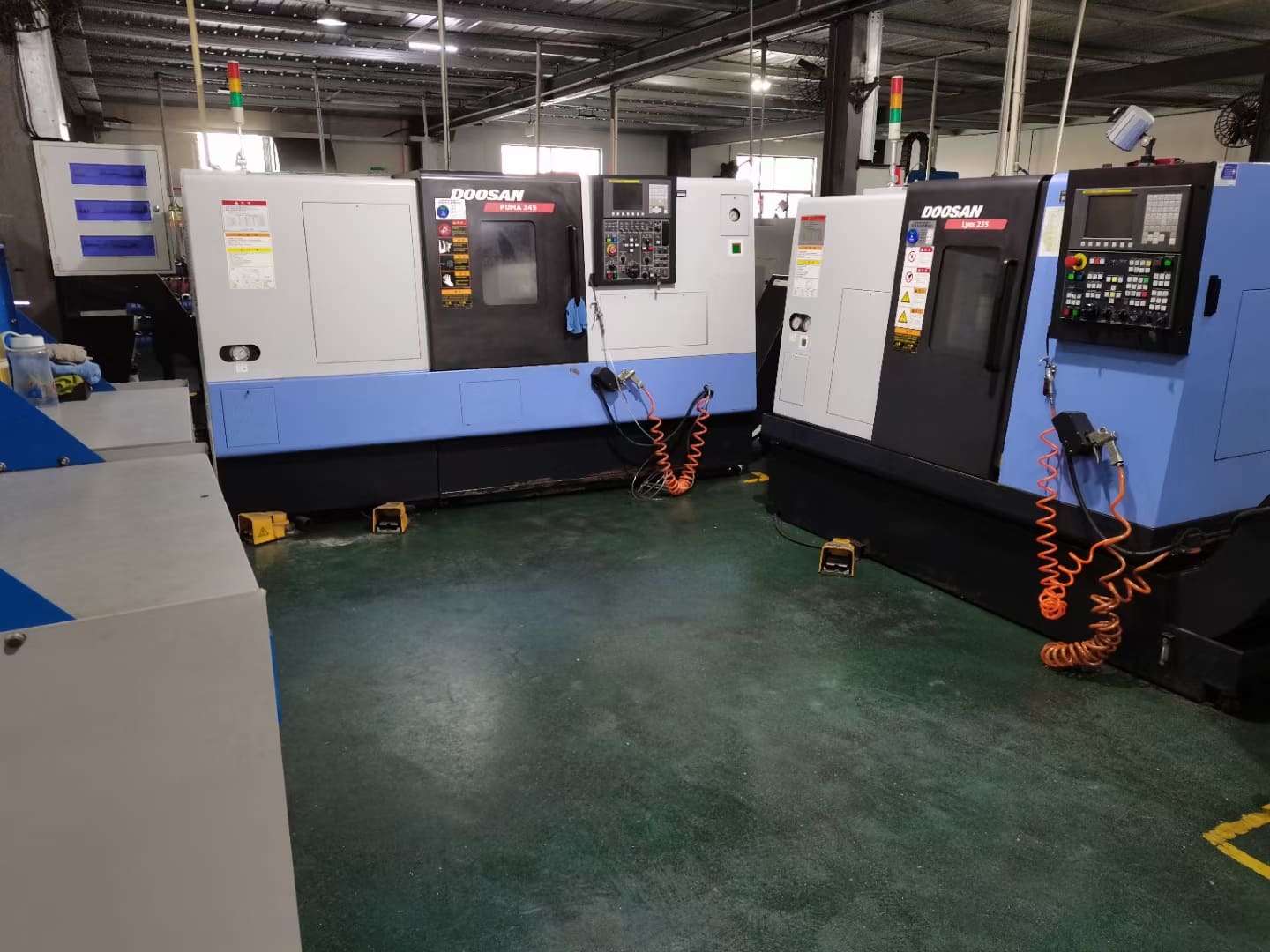
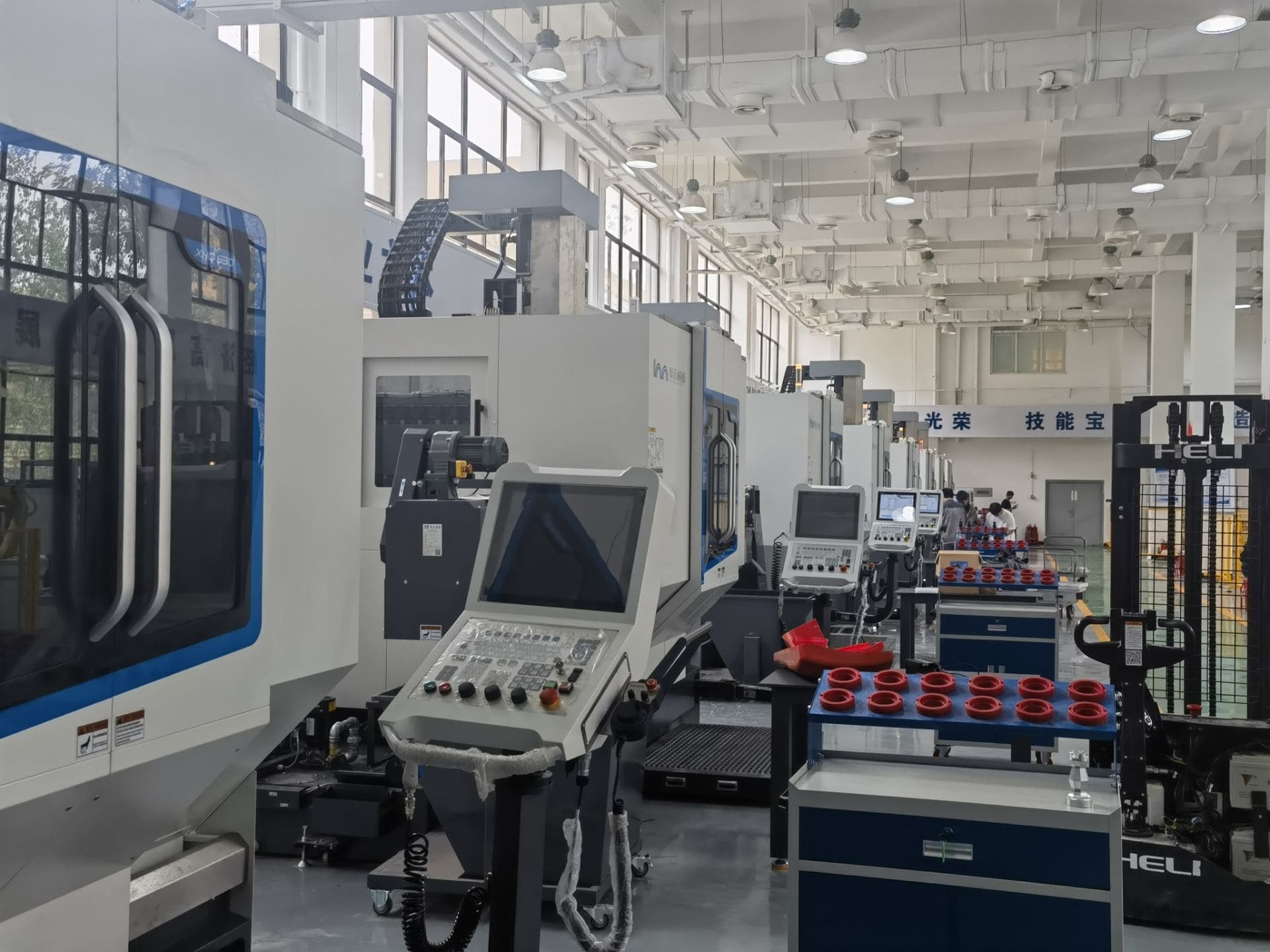
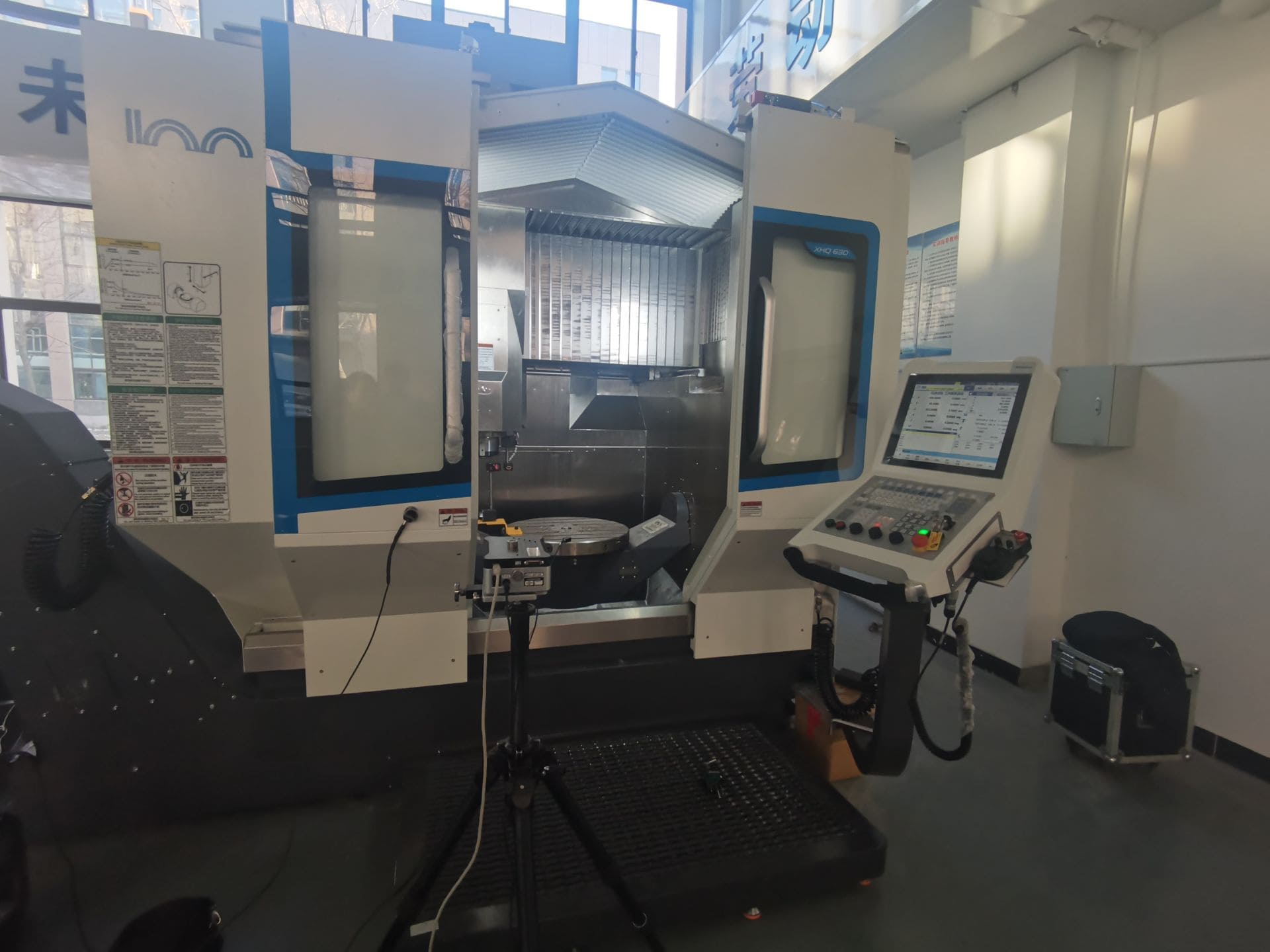
Main Equipment for Investment Casting
State-of-the-Art Investment Casting Equipment & Technology
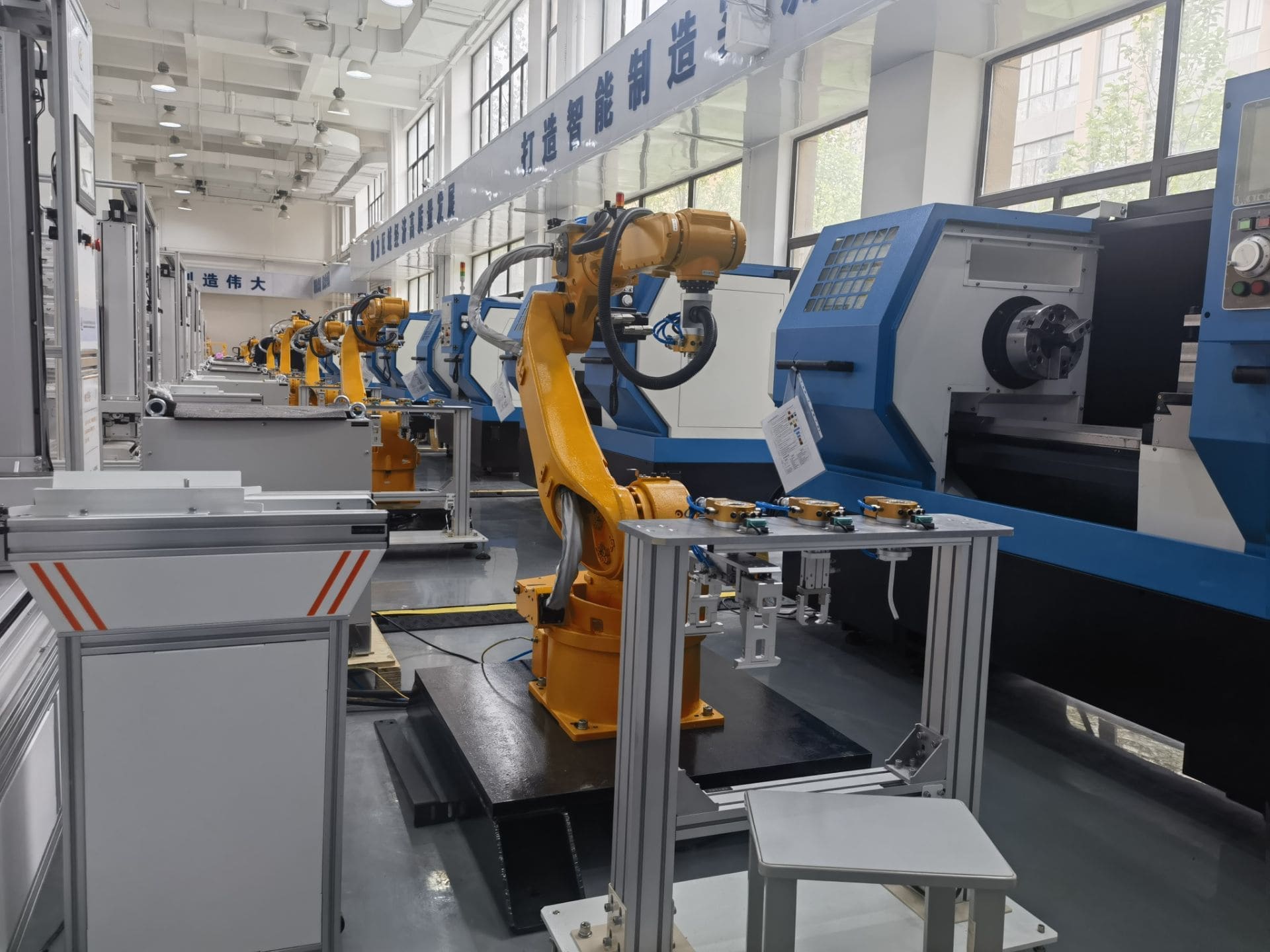
At Vast, our facility is equipped with industry-leading machinery to ensure high precision, stable quality, and high-volume production efficiency. By integrating automation with advanced thermal processing, we deliver “near-net-shape” components that meet the most stringent aerospace and medical standards.
Our Core Manufacturing Equipment
To maintain a competitive edge in precision investment casting, we utilize a suite of specialized equipment:
Automatic Wax Injection Machines: Ensuring consistent wax pattern density and dimensional repeatability for complex geometries.
cURL Too many subrequests. cURL Too many subrequests.
cURL Too many subrequests. cURL Too many subrequests. cURL Too many subrequests., cURL Too many subrequests.
cURL Too many subrequests. cURL Too many subrequests.
cURL Too many subrequests. cURL Too many subrequests.
cURL Too many subrequests.
cURL Too many subrequests.
cURL Too many subrequests. cURL Too many subrequests.
cURL Too many subrequests. cURL Too many subrequests.
Non-Destructive Testing (NDT): cURL Too many subrequests.
Mechanical Testing: cURL Too many subrequests.
cURL Too many subrequests.
cURL Too many subrequests.
Reduce Lead Times: Automated processes accelerate the move from mold to finished part.
Minimize Material Waste: High-precision casting reduces the need for extensive secondary CNC machining.
Ensure Batch Consistency: Digital monitoring of every production stage guarantees that the 1,000th part is as perfect as the 1st.
 Spanish (Peru)
  English
  German
  Korean
  Spanish (Spain)
  Italian